HydraFacial Side Effects: A Comprehensive Guide to Understanding, Prevention, and Post-Treatment Care
Abstract: This expanded guide delves deeper into HydraFacial side effects, offering evidence-based insights into prevention, management, and long-term skincare integration. Learn from dermatological experts to optimize your treatment outcomes.

I. Introduction
HydraFacial has emerged as a cornerstone of modern aesthetic skincare, combining exfoliation, extraction, hydration, and antioxidant infusion into a single, customizable treatment. Its popularity stems from its ability to deliver immediate results with minimal downtime, making it a favorite for special events or routine maintenance. However, like any medical-grade skincare procedure, HydraFacial carries potential side effects that demand careful consideration. This guide provides an in-depth analysis of these effects, prevention strategies, and expert-backed aftercare protocols to ensure a safe and rewarding experience.
II. What Is a HydraFacial?
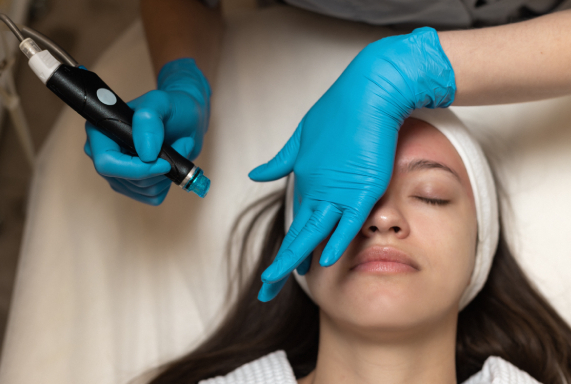
A HydraFacial is a non-invasive, three-step treatment utilizing patented Vortex-Fusion® technology:
- Cleansing & Exfoliation: A spiral-tipped wand removes dead skin cells and debris using a blend of lactic acid, glucosamine, and botanical extracts.
- Acid Peel: A gentle glycolic/salicylic acid solution loosens deep-seated impurities without irritation.
- Extraction & Hydration: Automated vortex suction extracts clogged pores while simultaneously infusing hyaluronic acid, peptides, and antioxidants (e.g., vitamin C, green tea extract).
Key Advantages:
- Customizable: Boosters for acne, hyperpigmentation, or fine lines can be added.
- Suitable for Most Skin Types: Adjustable intensity makes it viable for sensitive, oily, dry, or aging skin.
- Minimal Downtime: Patients often resume activities immediately.
III. Common Side Effects of HydraFacial Treatments
While HydraFacial is generally well-tolerated, mild and transient side effects may occur:
A. Redness and Skin Sensitivity
- Mechanism: Increased blood flow from exfoliation and suction can cause temporary erythema.
- Duration: Typically resolves within 1–2 hours; may persist up to 24 hours in sensitive individuals.
- Mitigation: Apply a cooling aloe vera gel post-treatment.
B. Mild Swelling
- Mechanism: Fluid retention from hydrating serums and suction can cause localized edema, especially around the eyes.
- Duration: Subsides within 4–6 hours.
- Mitigation: Elevate the head while sleeping and avoid salty foods pre-treatment.
C. Temporary Breakouts ("Purging")
- Mechanism: Exfoliation accelerates cell turnover, bringing subclinical comedones to the surface.
- Duration: 3–7 days; more common in acne-prone skin.
- Mitigation: Use benzoyl peroxide or salicylic acid spot treatments sparingly.
D. Dryness and Peeling
- Mechanism: Exfoliation may temporarily disrupt the skin barrier, leading to trans-epidermal water loss.
- Duration: Peeling peaks 2–3 days post-treatment.
- Mitigation: Apply ceramide-rich moisturizers (e.g., CeraVe PM) and avoid hot showers.
E. Irritation or Allergic Reactions
- Mechanism: Sensitivities to ingredients like salicylic acid, benzoyl peroxide, or botanical extracts (e.g., willow bark) may trigger contact dermatitis.
- Symptoms: Itching, burning, or hives.
- Mitigation: Request a patch test 48 hours prior to treatment.
F. Rare Side Effects
- Hyperpigmentation: More likely in darker skin types (Fitzpatrick IV–VI) if post-treatment sun protection is inadequate.
- Scarring: Extremely rare; associated with excessive suction pressure or pre-existing inflammatory conditions.
IV. Risk Factors for Side Effects
- Skin Type:
- Sensitive/Rosacea-Prone Skin: Higher risk of redness and irritation.
- Acneic Skin: Increased likelihood of purging.
- Pre-Existing Conditions:
- Eczema/Dermatitis: May flare post-treatment.
- Active Herpes Simplex (Cold Sores): Exfoliation can trigger outbreaks; consider prophylactic antivirals.
- Allergies:
- Common allergens include propylene glycol, fragrances, and preservatives (e.g., phenoxyethanol).
- Recent Procedures:
- Avoid HydraFacial within 2 weeks of chemical peels, laser resurfacing, or microneedling to prevent cumulative irritation.
V. Prevention Strategies
A. Pre-Treatment Preparation
- Consultation: A board-certified dermatologist or licensed aesthetician should assess your skin and medical history.
- Medication Review: Discontinue retinoids (e.g., tretinoin) 3–5 days pre-treatment to reduce sensitivity.
- Sun Avoidance: Minimize UV exposure 1 week prior to prevent post-inflammatory hyperpigmentation.
B. Provider Selection
- Credentials: Ensure the provider is certified in advanced aesthetic procedures (e.g., CIDESCO, ITEC).
- Equipment: Verify the use of FDA-cleared HydraFacial devices and authentic serums.
C. Post-Treatment Care
- Cleansing: Use a pH-balanced, sulfate-free cleanser (e.g., La Roche-Posay Toleriane Hydrating Gentle Cleanser).
- Moisturization: Apply a barrier-repair cream (e.g., SkinCeuticals Triple Lipid Restore 2:4:2) twice daily.
- Sun Protection: Wear broad-spectrum SPF 50+ (e.g., EltaMD UV Clear) and reapply every 2 hours if outdoors.
- Avoid Irritants: Steer clear of AHAs/BHAs, retinoids, and physical exfoliants for 5–7 days.
D. Customization
- Sensitive Skin: Opt for a "lymphatic drainage" add-on instead of chemical peels.
- Acne-Prone Skin: Request salicylic acid boosters and blue light therapy post-treatment.
- Hyperpigmentation: Incorporate vitamin C or tranexamic acid serums.
VI. When to Seek Medical Attention
Contact your provider immediately if you experience:
- Severe Redness/Swelling: Persisting beyond 72 hours or accompanied by fever.
- Blistering/Crusting: Indicative of a chemical burn or allergic reaction.
- Infection Signs: Pus, warmth, or spreading redness.
- Hyperpigmentation: Uneven darkening lasting >2 weeks.
VII. Frequently Asked Questions
Q: Can HydraFacial worsen rosacea?
A: Yes, if the suction pressure is too high. Inform your provider of your condition to adjust settings.
Q: How often should I get a HydraFacial?
A: Monthly treatments are ideal for maintenance; every 4–6 weeks for acne or hyperpigmentation.
Q: Is HydraFacial safe during pregnancy?
A: While no studies show harm, avoid salicylic acid boosters and consult your OB/GYN.
VIII. Conclusion
HydraFacial remains a gold-standard treatment for revitalizing skin health, but its success hinges on informed decision-making and meticulous aftercare. By partnering with a qualified provider, disclosing your full medical history, and adhering to post-treatment protocols, you can minimize risks and maximize benefits. Remember: A HydraFacial is not a one-size-fits-all solution—customization is key to achieving luminous, healthy skin.
GLM is a specialized beauty instrument factory that produces instruments for a variety of functions, including weight loss devices. We have vacuum negative press, radio frequency fat blasting equipment, frozen fat dissolving machine and EMS body shaping machine. GLM is a 14 year old supplier of beauty instruments with guaranteed quality.https://gdglmbeauty.com/