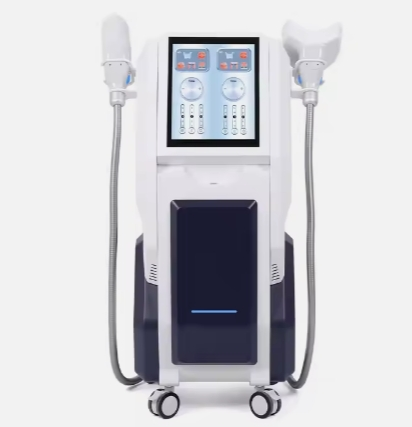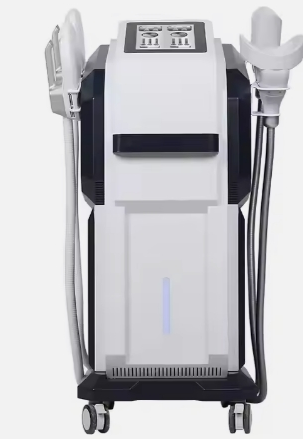
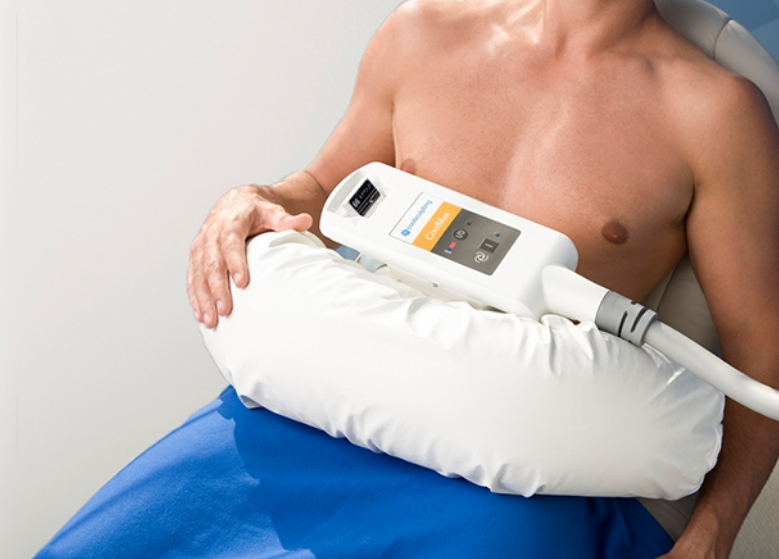
Fat freezing, also known as cryolipolysis, has gained significant popularity as a non-invasive method of fat reduction. In this blog, we will delve into the science behind fat freezing, explore its effectiveness, discuss its limitations, compare it to other fat reduction methods, and provide expert opinions and medical research. Let's uncover the truth about whether fat freezing really works.
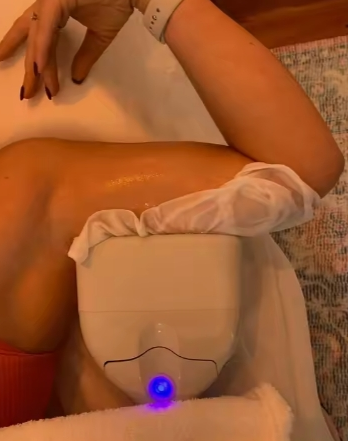
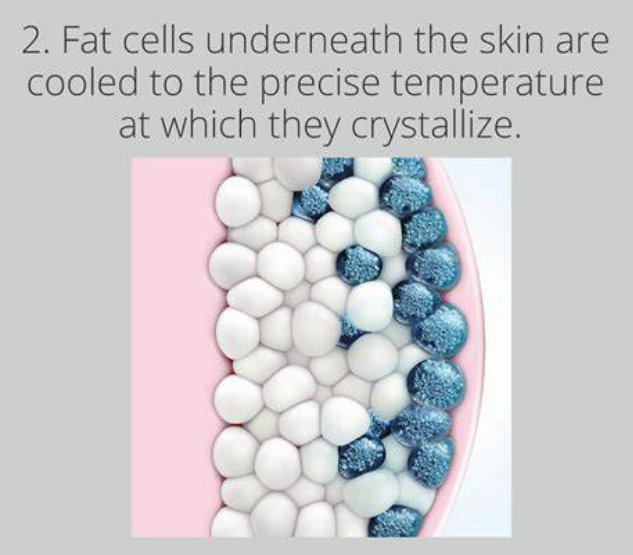
Fat freezing, also known as freeze melt or freeze fat reduction, is a technique that targets the elimination of stubborn fat cells by controlling low temperatures. Its working principle can be summarized as follows:
First, targeting positioning and cooling
Positioning: Using a special sensor on a cryo-dissolving instrument, pinpoint the area of fat that needs to be treated, such as the abdomen, waist, thighs, etc.
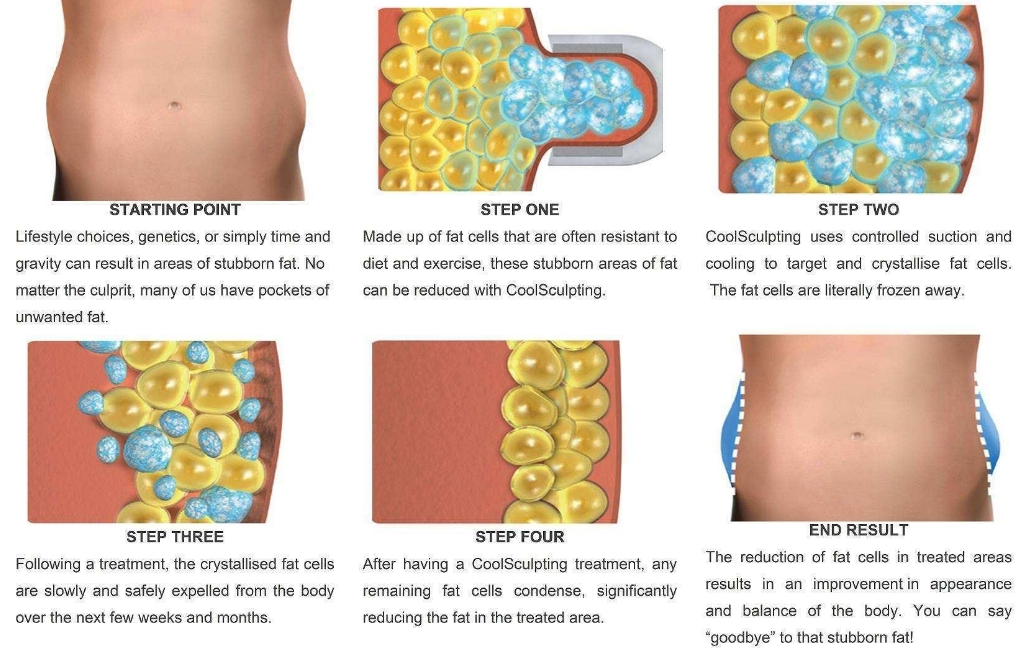
Cooling: By non-invasive means, the freezing energy is transported to the specified lipid dissolving site. This is often combined with vacuum technology to capture subcutaneous tissue for selective cooling.
Second, fat cell apoptosis
Freezing effect: At low temperatures (usually minus 5 ° C or lower), triglycerides in fat cells will be converted from liquid to solid, crystallization and aging.
Apoptotic process: This change triggers the natural apoptotic process of fat cells, that is, programmed cell death. Apoptotic fat cells are then labeled as waste products for the body to remove.
3. Metabolic discharge
Natural metabolism: Apoptotic fat cells are gradually excreted from the body as a result of the metabolic process. This process can take weeks or months, depending on individual differences and the site being treated.
Fat reduction: With the expulsion of apoptotic fat cells, the fat layer in the treated area will gradually thin, so as to achieve the purpose of weight loss or shape.
4. Characteristics and advantages
Non-invasive: Fat freezing does not require surgical incisions, reducing the risk of infection, bleeding, etc.
High safety: Because it only acts on fat cells, it has less damage to surrounding tissues such as skin, nerves and blood vessels.
Long-lasting effect: Because the actual number of fat cells is reduced, rather than just shrinking the size of fat cells, the effect is relatively long-lasting under the premise of a reasonable diet and moderate exercise.
5. Precautions
Professional practice: Although fat freezing is relatively safe, it still needs to be performed by an experienced doctor or professional to ensure treatment effectiveness and patient safety.
Diet and exercise: Diet and exercise programs should be properly arranged after treatment to maintain weight loss and avoid new fat accumulation.
Understanding the Effectiveness of Fat Freezing: A Comprehensive View
The realm of non-invasive body contouring has significantly evolved in recent years, with fat freezing, or cryolipolysis, emerging as a popular choice for those seeking to eliminate stubborn fat deposits without the need for surgery. However, it's crucial to understand that the effectiveness of this treatment can vary significantly from one individual to another, influenced by a multitude of factors.
Age and Physiology:
Age plays a pivotal role in determining the responsiveness of the body to fat freezing. Younger individuals tend to have more active metabolic rates, which can facilitate the elimination of apoptotic fat cells more efficiently. As we age, our bodies' natural processes slow down, including the breakdown and excretion of damaged cells. Therefore, older patients may observe slower or less pronounced results compared to their younger counterparts.
Body Type and Genetics:
Each person's body composition and genetic makeup are unique, affecting how they respond to fat freezing treatments. Some individuals may naturally have a higher concentration of fat cells in specific areas, making it more challenging to achieve significant reduction in a single session. Additionally, those with denser or more fibrous fat deposits may find that the treatment is less effective due to the physical barriers that hinder the penetration of the cooling energy.
Overall Health and Lifestyle:
Overall health status and lifestyle habits can also influence the outcomes of fat freezing. Individuals with underlying health conditions, such as diabetes or thyroid disorders, may experience altered metabolic processes that can impact the breakdown and elimination of apoptotic fat cells. Furthermore, a sedentary lifestyle and poor dietary choices can hinder the body's ability to optimize its natural processes, including the removal of waste products like dead fat cells.
Success Stories and Testimonies:
To offer a well-rounded perspective, it's enlightening to consider the success stories and testimonies from real people who have undergone fat freezing treatments. Many patients report experiencing noticeable fat reduction in the treated areas, with some achieving their desired outcomes after just a few sessions. These success stories often highlight the importance of patience, as results are typically gradual and may take several weeks or months to fully manifest.
It's also worth noting that the most satisfied patients tend to be those who maintain a healthy lifestyle, incorporating regular exercise and a balanced diet into their routines. This approach not only enhances the effectiveness of the fat freezing treatment but also helps to prevent the accumulation of new fat cells in the future.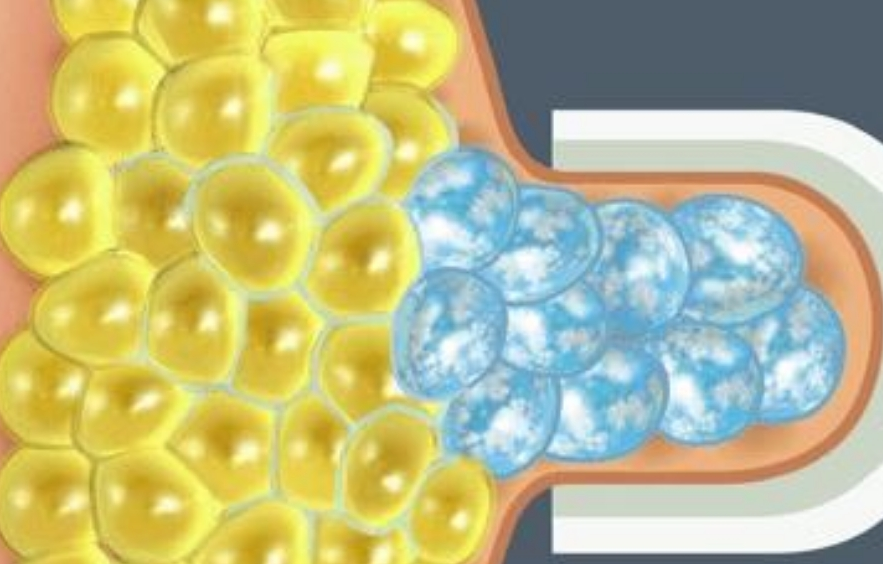
Exploring the Limitations of Fat Freezing: A Comprehensive Guide
While fat freezing, or cryolipolysis, has gained widespread popularity as a non-invasive method for body contouring, it's essential to approach this treatment with a clear understanding of its limitations. By acknowledging these constraints, individuals can make informed decisions about whether this procedure is right for them and how to best maintain the results achieved.
Not a Weight Loss Solution:
The primary limitation of fat freezing is that it is not a weight loss method. It is designed specifically to target and eliminate stubborn fat pockets that are resistant to traditional methods like diet and exercise. Therefore, patients seeking to lose a significant amount of weight should consider alternative approaches, such as bariatric surgery or comprehensive lifestyle changes.
Limited to Specific Areas:
Fat freezing is most effective on areas with pinchable fat, such as the abdomen, flanks, thighs, and upper arms. It may not be suitable for treating larger areas of fat or those with minimal subcutaneous fat, like the back or calves. Additionally, the procedure cannot address visceral fat, which is stored deep within the abdominal cavity and is associated with increased health risks.
Individual Variation in Results:
As mentioned earlier, the effectiveness of fat freezing can vary significantly from person to person. Factors such as age, body type, and overall health can all play a role in determining the final outcome. Some patients may experience significant fat reduction after a single treatment, while others may require multiple sessions to achieve their desired results.
Potential Side Effects and Risks:
While fat freezing is generally considered safe, it's important to be aware of potential side effects and risks associated with the procedure. Common side effects include temporary redness, swelling, bruising, numbness, tingling, or discomfort in the treated area. In rare cases, more serious complications, such as paradoxical adipose hyperplasia (an abnormal increase in fat cell size), can occur. It's crucial to choose a qualified and experienced healthcare provider who can minimize these risks and address any concerns promptly.
Maintaining Results:
Maintaining a healthy lifestyle is essential to maximizing and sustaining the results obtained from fat freezing. This includes following a balanced diet that is rich in nutrients and low in processed foods, as well as engaging in regular exercise to promote overall fitness and wellbeing. Without these habits, patients may find that their results are not as long-lasting or pronounced as they had hoped.
Comparison between fat freezing and other fat reduction methods: in-depth analysis and comprehensive comparison
In the pursuit of ideal body shape, there are many ways to reduce fat, among which fat freezing (also known as cryolipolysis) stands out for its non-invasive properties and has become a choice for more and more people. To gain a more complete understanding of the place of fat freezing in the field of fat loss, we compared it to traditional liposuction and other non-invasive methods of fat loss, in-depth analysis of the advantages and disadvantages of each method, and considered key factors such as recovery time, potential complications, long-term efficacy, and so on.
First, fat freezing vs. traditional liposuction surgery
Advantage comparison:
Fat freezing: Non-invasive, no anesthesia required, reducing surgical risk and recovery time. The procedure is relatively comfortable and suitable for patients who are sensitive to pain or afraid of surgery.
Traditional liposuction, which removes fat more directly and in large quantities, may be more effective for patients who need significant fat loss. The results are usually significant and long-lasting.
Comparison of disadvantages:
Fat freezing: The effect may not be as significant as liposuction surgery, requiring multiple treatments to achieve the desired effect. Not applicable to all types of fat and body types.
Traditional liposuction surgery: It is an invasive surgery, requires anesthesia, and has surgical risks, such as infection, bleeding, and hematoma. Recovery time is longer and may be accompanied by pain, swelling and bruising.
Recovery time and complications:
Fat freezing: Recovery time is short and normal activities usually return after treatment, but it may take weeks to months to see final results. Potential complications are rare and mainly include temporary skin sensitivity, redness and pain.
Traditional liposuction: Recovery time is longer and can take weeks or even months to fully recover. Potential complications include infection, hematoma, skin roughness, nerve damage, etc.
Long-term efficacy:
Both depend on the patient's lifestyle in maintaining long-term efficacy. However, since fat freezing does not damage the blood vessels and nerves surrounding the fat cells, it is theoretically less damaging to the skin and may be better for maintaining skin firmness in the long term.
2. Fat freezing vs. other non-invasive methods of fat loss
There are other non-invasive fat reduction methods on the market, such as radiofrequency skin tightening, ultrasonic fat reduction, etc. These methods and fat freezing are different in principle, effect and suitable population.
Radiofrequency firming: Mainly through heating the deep skin tissue, promote collagen regeneration, to achieve the effect of firming the skin. It has limited effect on fat loss, but can improve skin relaxation.
Ultrasonic fat reduction: The use of ultrasonic energy to destroy fat cells, and then excreted through metabolism. Compared to fat freezing, the fat loss effect may be more significant, but it may also be accompanied by more significant pain and swelling.
Conclusion:
In conclusion, fat freezing has emerged as a popular non-invasive fat reduction procedure. However, its effectiveness and limitations should be understood before undergoing the treatment. Consulting with a healthcare professional is essential to determine if fat freezing is suitable for an individual's unique circumstances. Remember, fat freezing is not a substitute for a balanced diet and exercise regime, but rather a tool to aid in the reduction of stubborn fat.
We are a big factory with 15 years experience in beauty instruments, with our own production line, can supply large beauty salons for instrument procurement, if you need our instruments, please contact us