Introduction
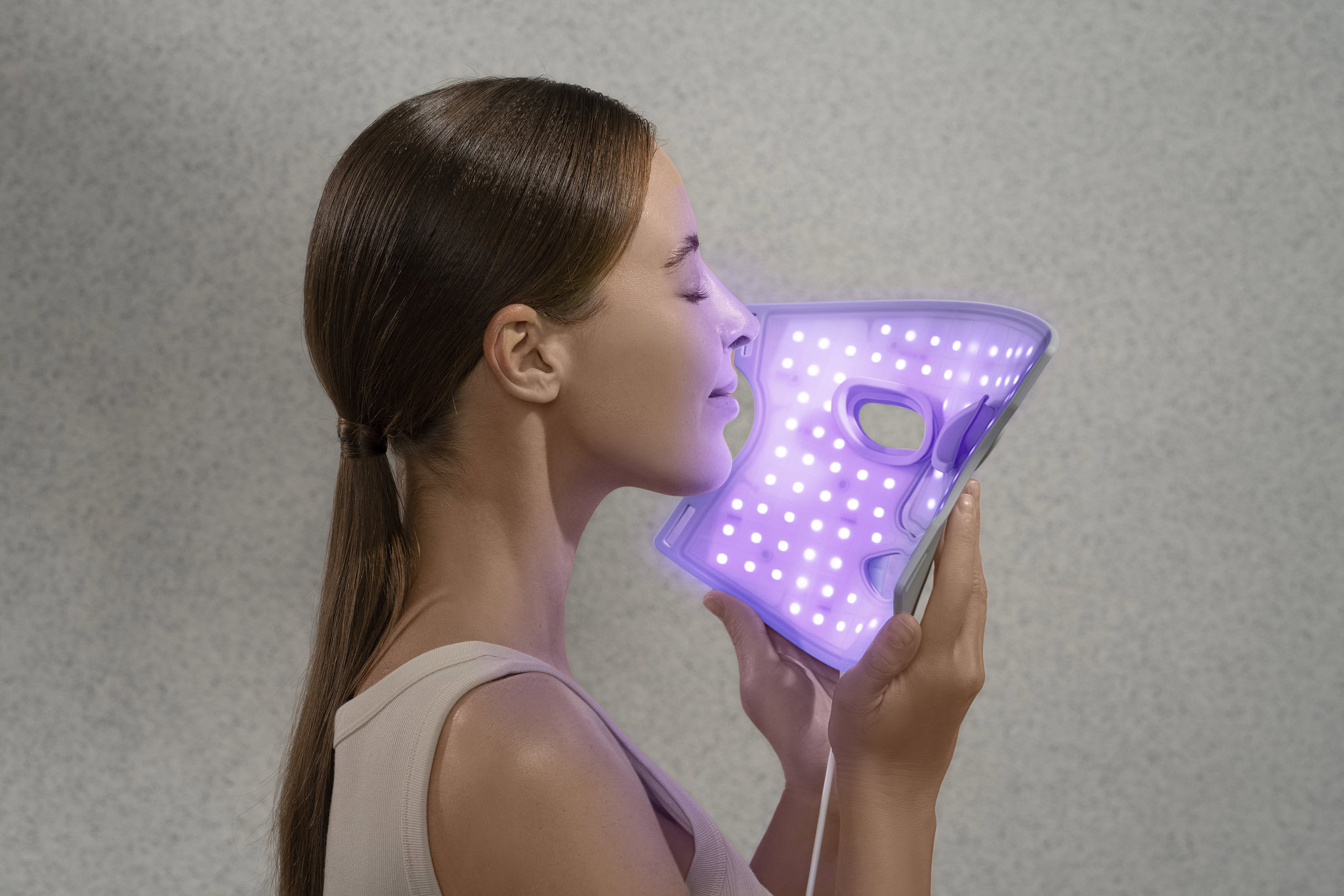
LED light therapy has quickly moved from clinical dermatology offices into everyday skincare routines. Once reserved for post-procedure recovery or medical-grade acne treatments, LED devices are now commonly found in beauty clinics, spas, and even home-use settings.
As LED masks, panels, and handheld devices become more accessible, one question appears again and again during consultations: Is LED light therapy safe for daily use?
The short answer is yes—when used correctly and with professional-quality technology. To understand why daily LED treatments are considered safe, it’s important to look at how LED light interacts with skin, how different wavelengths work, and why modern LED beauty devices are designed for frequent, repeat use.
Why Safety Matters in Light-Based Treatments
Unlike lasers or IPL, LED light therapy does not rely on heat, ablation, or aggressive energy delivery. However, it still works at a cellular level. Clients often worry that frequent exposure could:
-
Thin the skin
-
Cause sensitivity
-
Trigger pigmentation
-
Lead to long-term damage
These concerns are valid—for the wrong technology. The key difference lies in how LED therapy works compared to other light-based systems.
How LED Light Therapy Works
Non-Thermal, Non-Invasive Energy
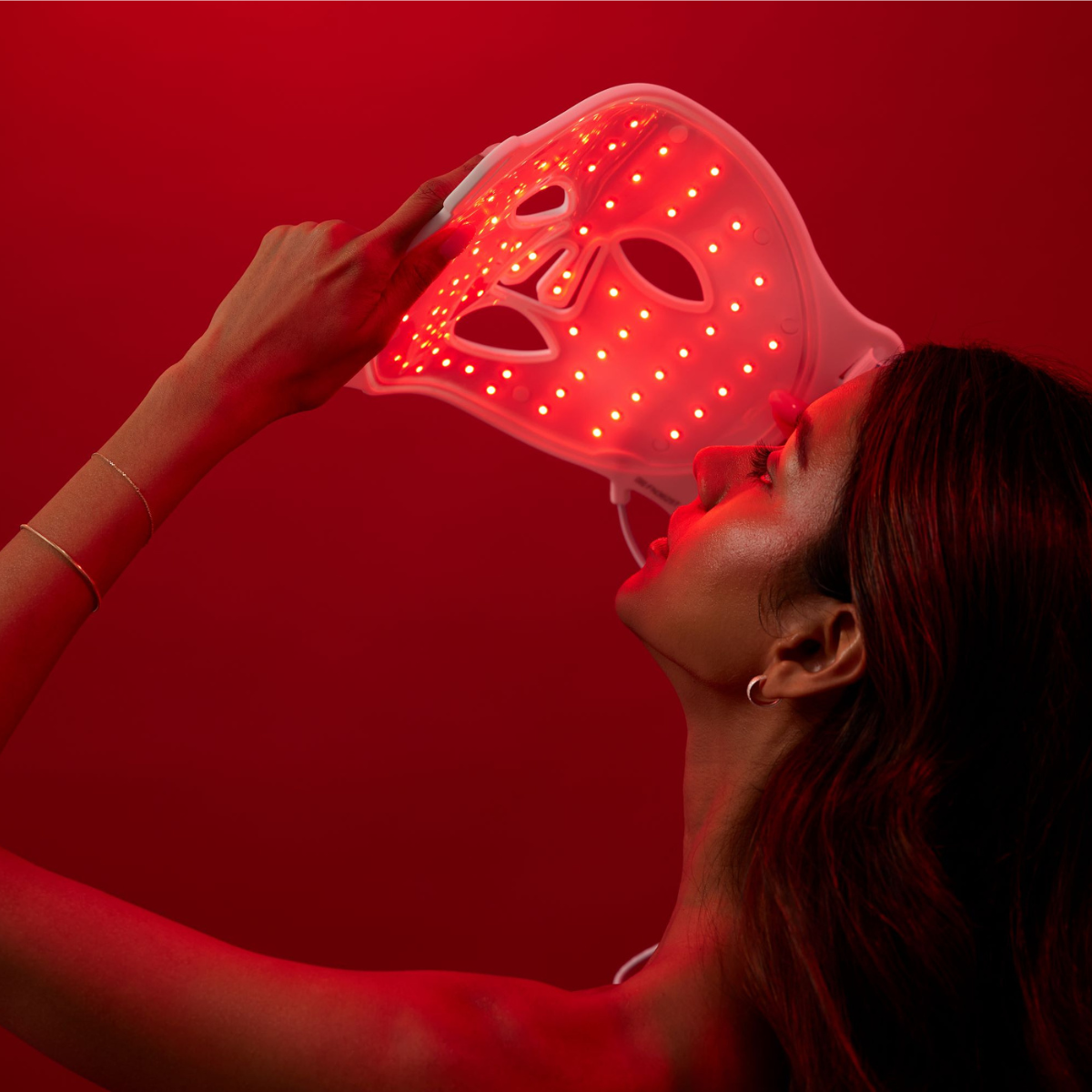
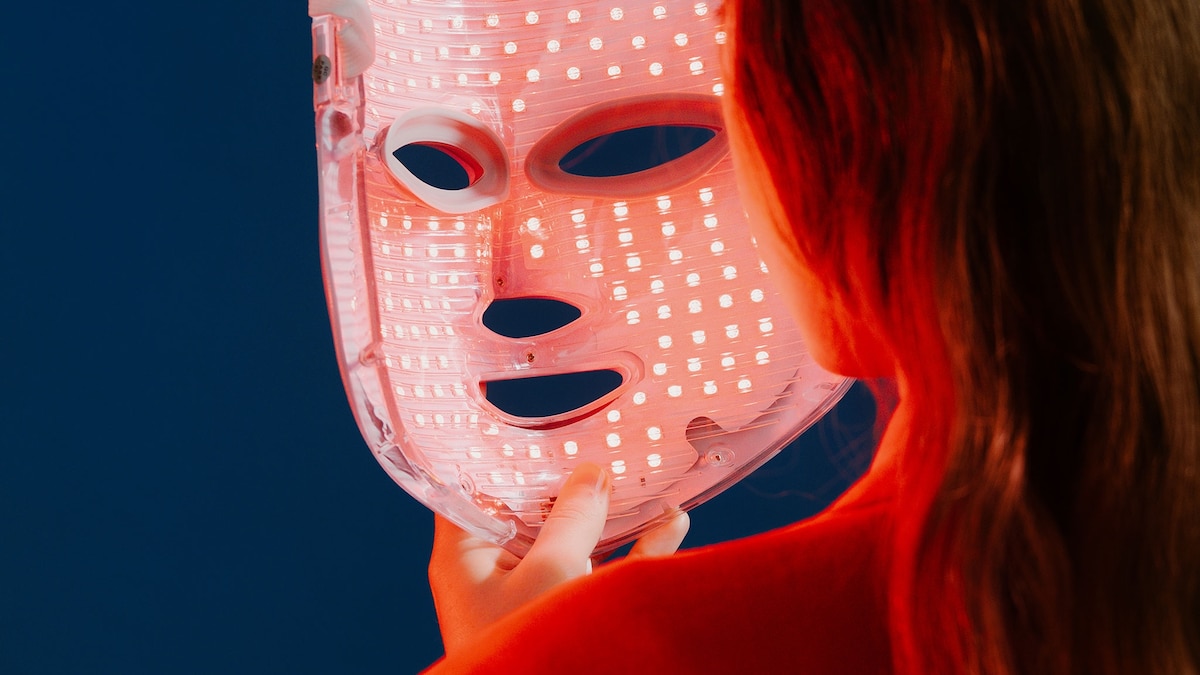
LED stands for Light Emitting Diode. LED devices emit low-level light energy that penetrates the skin without causing thermal injury.
Unlike lasers, LED light:
-
Does not burn or vaporize tissue
-
Does not damage the skin barrier
-
Does not require downtime
Instead, it works through photobiomodulation, a process where specific wavelengths stimulate cellular activity.
Cellular-Level Stimulation
When skin cells absorb LED light:
-
Mitochondria produce more ATP (cell energy)
-
Cellular repair processes accelerate
-
Inflammation decreases
-
Collagen-producing fibroblasts become more active
Because this process is gentle and cumulative, LED therapy is uniquely suited for regular, even daily use.
Understanding Different LED Wavelengths
Safety and effectiveness depend heavily on wavelength control.
Red Light (630–660nm)
-
Stimulates collagen and elastin
-
Improves skin firmness
-
Reduces fine lines
-
Enhances circulation
Red light is widely used daily in clinics due to its anti-aging and healing benefits.
Near-Infrared Light (810–880nm)
-
Penetrates deeper layers
-
Supports tissue repair
-
Reduces inflammation
-
Improves overall skin resilience
Near-infrared light is commonly included in professional LED panels and is considered safe for frequent use.
Blue Light (415nm)
-
Targets acne-causing bacteria
-
Regulates oil production
-
Calms active breakouts
Blue light can also be used daily, but treatment time and intensity must be properly controlled—this is where professional-grade devices make a difference.
Why LED Therapy Is Safe for Daily Use
Low Energy Density
Professional LED beauty devices operate within strict energy parameters. The light intensity is strong enough to stimulate cells, but low enough to avoid tissue stress or damage.
This balance allows:
-
Daily or near-daily treatments
-
Long-term use without cumulative harm
-
Safe application across different skin types
No UV Radiation
A major safety advantage of LED devices is that they do not emit UV light. UV radiation is responsible for photoaging and DNA damage—LED therapy avoids this risk entirely.
This makes LED therapy suitable for:
-
Sensitive skin
-
Post-procedure recovery
-
Long-term skin maintenance programs
No Skin Barrier Disruption
Unlike exfoliation-based or energy-ablation treatments, LED therapy:
-
Does not thin the skin
-
Does not compromise the barrier
-
Does not increase photosensitivity
This is why LED is often recommended even after treatments like microneedling, RF, or laser.
Daily Use vs. Occasional Use
Why Frequency Improves Results
LED therapy works best through consistency. Daily or frequent use:
-
Enhances cumulative collagen stimulation
-
Maintains anti-inflammatory effects
-
Supports continuous cellular repair
This is similar to exercise for skin cells—regular stimulation produces better long-term results than sporadic sessions.
Professional Devices vs. Low-Quality Gadgets
Not all LED devices are created equal.
Professional LED systems feature:
-
Precisely calibrated wavelengths
-
Stable light output
-
Even energy distribution
-
Built-in safety controls
Lower-quality devices may:
-
Use incorrect wavelengths
-
Deliver inconsistent light
-
Provide minimal biological benefit
Daily use is safest and most effective when professional-grade LED technology is used.
Who Can Safely Use LED Light Therapy Daily
LED therapy is generally safe for:
-
All skin tones
-
Sensitive skin types
-
Acne-prone skin
-
Aging or mature skin
It is commonly used daily in:
-
Acne treatment programs
-
Post-treatment recovery protocols
-
Anti-aging maintenance plans
When Caution Is Needed
Although LED therapy is very safe, professional guidance is recommended for clients who:
-
Are photosensitive due to medication
-
Have certain autoimmune skin conditions
-
Are undergoing active medical treatments
This is why clinics value LED devices with adjustable intensity and programmable treatment modes.
Why Clinics Rely on LED Devices
From a business standpoint, LED therapy devices are:
-
Low-risk
-
High-repeat
-
Easy to integrate
-
Highly profitable
They require minimal consumables, short treatment times, and encourage repeat visits—making them ideal for long-term client retention.
Combining LED with Other Treatments
LED therapy is frequently paired with:
-
RF skin tightening
-
Microneedling
-
Aqua facial treatments
-
Mesotherapy
-
Post-laser recovery
Daily or frequent LED sessions enhance results while reducing irritation and downtime.
Long-Term Safety and Clinical Acceptance
LED light therapy has been studied and used clinically for decades—not only in aesthetics, but also in wound healing and medical rehabilitation.
Its long-standing safety record is one of the main reasons:
-
Dermatologists trust it
-
Clinics recommend it
-
Clients feel comfortable using it regularly
Conclusion
LED light therapy is one of the safest energy-based skincare technologies available today. When delivered through professional-grade devices with controlled wavelengths and intensity, it is not only safe for daily use—it is often more effective with consistent application.
For clinics and skincare professionals, LED devices provide a reliable, low-risk solution for anti-aging, acne care, and skin maintenance. For clients, daily LED therapy offers visible results without pain, downtime, or long-term risk.
Founded in 2008, Guangzhou GLM Beauty Spa Equipment Factory specializes in research, development, manufacture and selling of beauty and slimming machines. Our production base is located in Guangzhou City, Guangdong Province, China. Since our foundation, we have introduced advanced technologies and equipment, to assure high quality and high performance of our products. With professional marketing guide and excellent after-sales service, our products have been exported to over 20 countries and regions, including Southeast Asia, the Middle East, Europe and the United States, won worldwide praises and gained a good reputation.