
Introduction
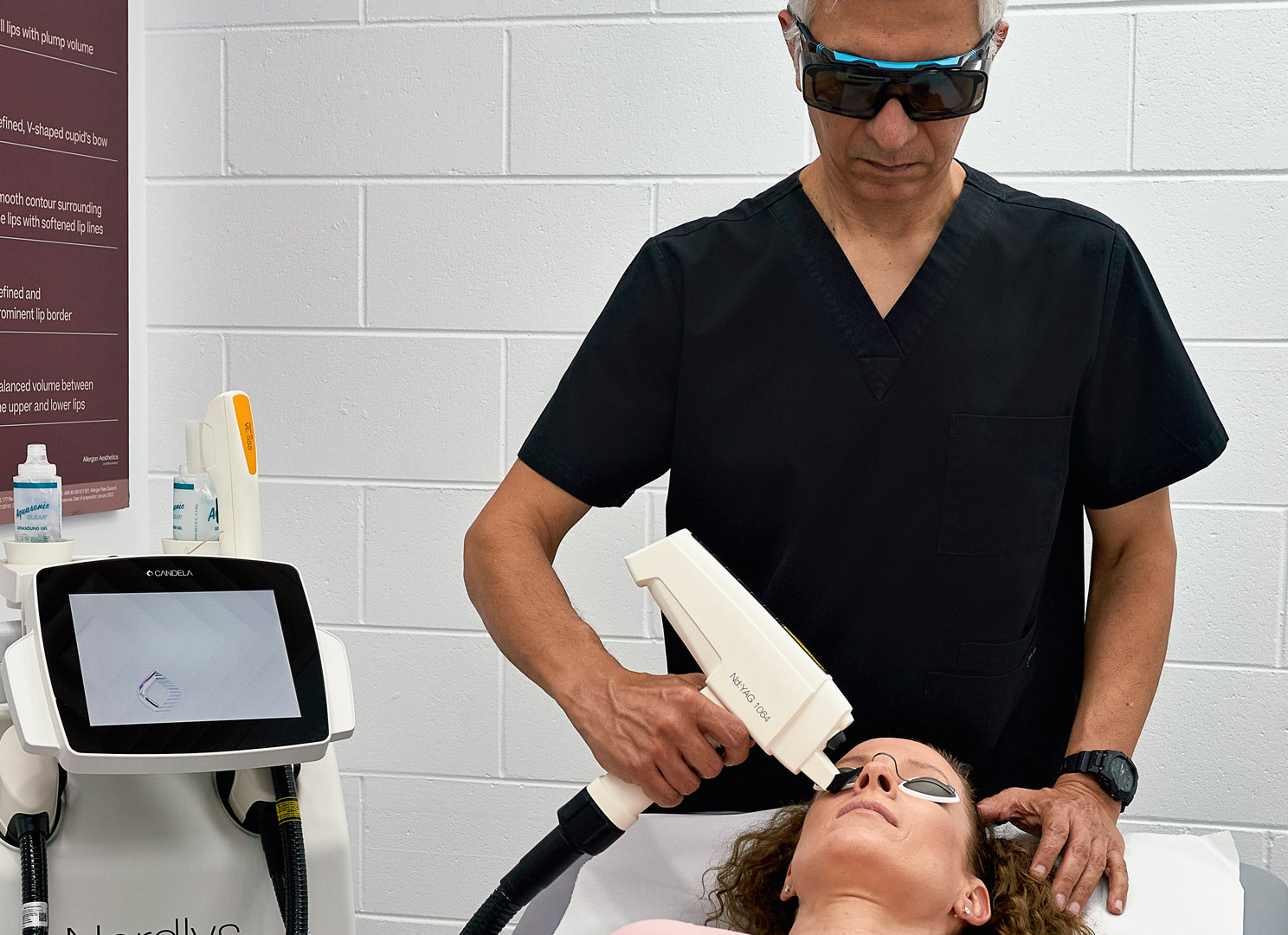
ND YAG laser technology has become a cornerstone in modern aesthetic clinics, widely used for pigmentation correction, tattoo removal, skin rejuvenation, and vascular treatments. As treatment protocols often require multiple sessions to achieve gradual and stable results, one question is frequently raised by both practitioners and clients: Is ND YAG laser safe for repeated treatments?
Understanding the safety of repeated ND YAG laser use is essential—not only for treatment outcomes, but also for long-term skin health. When applied correctly, ND YAG lasers are designed for controlled, cumulative improvement rather than one-time aggressive intervention. This makes them particularly suitable for protocols that emphasize safety, predictability, and progressive skin renewal.
Background: Why ND YAG Treatments Are Often Repeated
Skin Responds Best to Gradual Energy Delivery
Most skin concerns addressed by ND YAG lasers—such as pigmentation, uneven tone, or tattoo ink—are located at varying depths of the skin. Attempting to remove or correct them in a single high-energy session can:
-
Increase the risk of thermal damage
-
Trigger post-inflammatory pigmentation
-
Extend recovery time
Repeated treatments allow energy to be delivered progressively, giving skin time to recover and adapt.
Cumulative Effect Is Key
ND YAG laser works through cumulative biological responses:
-
Gradual breakdown of pigment particles
-
Progressive stimulation of collagen remodeling
-
Ongoing improvement in microcirculation
This staged approach is why multiple sessions are typically recommended.
How ND YAG Laser Works
Selective Photothermolysis
ND YAG lasers emit light at wavelengths such as 1064 nm and 532 nm, which are selectively absorbed by:
-
Melanin
-
Hemoglobin
-
Tattoo pigments
The absorbed energy converts into heat, breaking target structures into smaller particles that the body can naturally eliminate.
Why ND YAG Is Considered Skin-Friendly
The 1064 nm wavelength penetrates deeper while being less absorbed by epidermal melanin. This:
-
Reduces surface skin damage
-
Lowers the risk of burns
-
Makes it suitable for a wide range of skin types
This characteristic is especially important when treatments are repeated over time.
Safety Factors in Repeated ND YAG Laser Treatments
1. Controlled Energy Parameters
Professional ND YAG devices allow precise control of:
-
Energy fluence
-
Pulse duration
-
Spot size
This flexibility enables practitioners to adjust settings based on skin response across sessions, rather than increasing risk.
2. Adequate Treatment Intervals
Safety depends not only on energy levels but also on timing. Proper intervals:
-
Allow pigment fragments to clear
-
Give skin time to regenerate
-
Reduce cumulative thermal stress
Most protocols space sessions several weeks apart to ensure safe repetition.
3. Gradual Skin Conditioning
Repeated ND YAG treatments often lead to:
-
Improved skin tolerance
-
Reduced inflammatory response
-
More even results
Rather than sensitizing the skin, well-managed protocols tend to strengthen skin resilience.
Repeated ND YAG Treatments for Different Indications
Pigmentation Management
Low-fluence, repeated sessions are commonly used to:
-
Lighten diffuse pigmentation
-
Improve overall tone
-
Reduce rebound hyperpigmentation risk
This approach is widely preferred over aggressive single treatments.
Tattoo Removal
Tattoo ink requires multiple sessions because:
-
Pigment particles break down gradually
-
Immune clearance takes time
Repeated ND YAG sessions allow safe fading without excessive tissue trauma.
Skin Rejuvenation
In non-ablative rejuvenation, repeated ND YAG treatments:
-
Stimulate collagen over time
-
Improve skin texture gradually
-
Minimize downtime
This makes it suitable for long-term skin maintenance programs.
ND YAG vs Other Laser Technologies in Repeat Use
Compared with more aggressive lasers:
-
ND YAG causes less epidermal disruption
-
Downtime is shorter
-
Risk accumulation is lower when protocols are followed
This is why ND YAG is often chosen for maintenance-style treatments.
Skin Types and Repeated ND YAG Safety
Darker Skin Tones
Because 1064 nm ND YAG interacts less with surface melanin, it is:
-
More forgiving on darker skin tones
-
Less likely to cause pigment rebound
This makes repeated sessions safer when compared to shorter-wavelength lasers.
Sensitive or Reactive Skin
With proper settings and cooling, repeated ND YAG treatments can be integrated into sensitive-skin protocols without excessive irritation.
Why Professional Devices Matter
Safety in repeated treatments depends heavily on equipment quality. Professional ND YAG systems offer:
-
Stable energy output
-
Accurate parameter calibration
-
Advanced cooling and safety mechanisms
These features support consistent results across multiple sessions and reduce operator-related risk.
Conclusion
ND YAG laser is generally safe for repeated treatments when used with appropriate parameters, proper intervals, and professional assessment. Its deep penetration, selective targeting, and controlled energy delivery make it well-suited for gradual, long-term skin improvement.
For clinics aiming to deliver predictable results with minimal downtime, ND YAG laser technology remains one of the most reliable and repeat-friendly options in aesthetic practice.
Founded in 2008, Guangzhou GLM Beauty Spa Equipment Factory specializes in research, development, manufacture and selling of beauty and slimming machines. Our production base is located in Guangzhou City, Guangdong Province, China. Since our foundation, we have introduced advanced technologies and equipment, to assure high quality and high performance of our products. With professional marketing guide and excellent after-sales service, our products have been exported to over 20 countries and regions, including Southeast Asia, the Middle East, Europe and the United States, won worldwide praises and gained a good reputation.