Key Factors to Consider When Buying an LED Phototherapy Device: A Comprehensive Guide
Introduction to LED Phototherapy
LED phototherapy, also known as light-emitting diode (LED) therapy, has emerged as a non-invasive, painless, and versatile skincare solution. By delivering specific wavelengths of light to the skin, LED devices address a range of concerns, from acne and inflammation to signs of aging and hyperpigmentation. Unlike laser treatments or chemical peels, LED therapy is suitable for all skin types and requires no downtime, making it an attractive option for home use. However, with the proliferation of brands and models, selecting the right device demands careful consideration of technical specifications, safety, and efficacy. This guide provides a detailed framework to help consumers make informed decisions.
Understanding LED Phototherapy: Mechanisms and Applications
LED therapy works by emitting light at wavelengths that penetrate the skin to stimulate cellular responses. The primary wavelengths and their benefits include:
- Red Light (620–750 nm):
- Mechanism: Penetrates deeply (up to 8 mm) to stimulate fibroblasts, boosting collagen and elastin production.
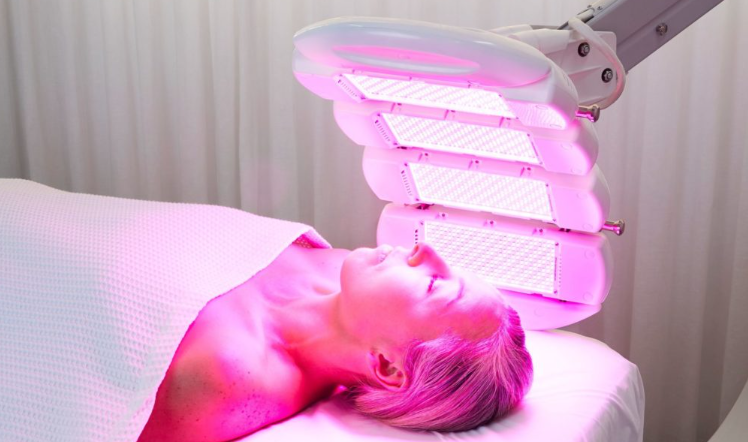
- Benefits: Reduces wrinkles, improves skin texture, promotes wound healing, and alleviates inflammation.
- Clinical Evidence: A 2021 study in the Journal of Cosmetic Dermatology demonstrated a 35% increase in collagen density after 12 weeks of red-light therapy.
- Blue Light (405–420 nm):
- Mechanism: Targets Propionibacterium acnes (P. acnes) bacteria by producing reactive oxygen species (ROS), which destroy bacterial cells.
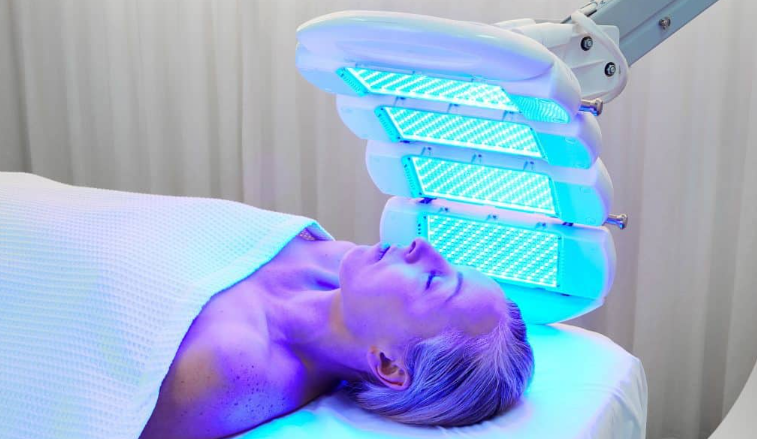
- Benefits: Reduces acne lesions, controls oil production, and minimizes pore size.
- Clinical Evidence: A 2020 meta-analysis in Dermatologic Surgery reported a 57% reduction in inflammatory acne lesions after 4 weeks of blue-light therapy.
- Green Light (525–550 nm):
- Mechanism: Targets melanocytes to inhibit melanin synthesis, reducing hyperpigmentation.
- Benefits: Fades age spots, sun spots, and post-inflammatory hyperpigmentation (PIH).
- Clinical Evidence: A 2019 trial in Lasers in Surgery and Medicine showed a 40% improvement in melasma severity after 8 weeks of green-light therapy.
- Near-Infrared (NIR, 800–1,200 nm):
- Mechanism: Penetrates deeper than visible light to enhance circulation, reduce pain, and accelerate tissue repair.
- Benefits: Complements red-light therapy for anti-aging and post-procedure recovery.
Determining Your Needs: Personalized Skincare Goals
Before purchasing an LED device, assess your specific requirements:
- Skin Type Analysis:
- Oily/Acne-Prone Skin: Prioritize blue-light therapy or combination devices (e.g., red + blue light).
- Dry/Aging Skin: Opt for red-light or NIR devices to boost hydration and collagen.
- Sensitive/Reactive Skin: Choose low-intensity, hypoallergenic devices with FDA clearance.
- Hyperpigmented Skin: Green-light or combination devices (e.g., red + green) may be beneficial.
- Treatment Objectives:
- Acne Management: Look for devices with adjustable blue-light intensity or pulsed modes.
- Anti-Aging: Prioritize red-light/NIR devices with high irradiance (mW/cm²).
- Post-Procedure Recovery: NIR devices can expedite healing after chemical peels or microneedling.
- Medical Considerations:
- Consult a dermatologist if you have rosacea, eczema, or psoriasis, as certain wavelengths may exacerbate these conditions.
- Pregnant individuals should avoid LED therapy due to limited safety data.
Device Specifications: Technical Parameters for Optimal Performance
Evaluating LED devices requires scrutiny of the following technical features:
- Light Spectrum and Wavelength Precision:
- Accuracy: Ensure the device emits light at the specified wavelength (e.g., 415 nm for blue light).
- Bandwidth: Narrower bandwidths (e.g., ±10 nm) reduce overlap between wavelengths, enhancing specificity.
- Irradiance (Power Density): Measured in mW/cm², higher irradiance (e.g., >50 mW/cm²) shortens treatment times.
- Power Source and Portability:
- Corded vs. Cordless: Corded devices offer consistent power but limit mobility; cordless models are convenient but may require frequent recharging.
- Battery Life: Look for devices with ≥30 minutes of runtime per charge.
- Treatment Area and Coverage:
- Panel Size: Larger panels (e.g., full-face masks) treat broader areas but may be bulkier.
- Flexibility: Handheld devices allow targeted treatment of specific zones (e.g., jawline, décolletage).
- Design and Ergonomics:
- Comfort: Lightweight, adjustable designs (e.g., wearable masks) improve user experience.
- Controls: Intuitive interfaces with timers, intensity settings, and preset modes (e.g., "acne," "anti-aging") simplify use.
Quality and Durability: Ensuring Long-Term Reliability
A durable LED device is a worthwhile investment:
- Construction Materials:
- LED Diodes: High-quality diodes (e.g., medical-grade) resist degradation and maintain consistent output.
- Housing: Devices with heat-resistant, impact-resistant casings (e.g., ABS plastic) withstand regular use.
- Warranty and Customer Support:
- Coverage: Opt for devices with ≥1-year warranties covering defects and malfunctions.
- Service Accessibility: Choose brands with responsive customer support (e.g., live chat, phone) and readily available replacement parts.
Safety Certifications: Prioritizing Compliance and Risk Mitigation
Safety is non-negotiable when selecting an LED device:
- FDA Clearance:
- Class II Medical Devices: Devices cleared by the FDA (e.g., LightStim, Déesse Pro) undergo rigorous testing for safety and efficacy.
- Avoid Unregulated Devices: Non-FDA-cleared devices may pose risks (e.g., eye damage, skin burns).
- Additional Certifications:
- CE Marking: Indicates compliance with EU safety standards.
- ISO 13485: Certifies quality management systems for medical devices.
- Eye Protection:
- Devices should include goggles or eye shields to prevent retinal damage from prolonged exposure.
Budget Considerations: Balancing Cost and Value
LED devices range from 1,500 (professional-grade masks). Key considerations include:
- Cost-Benefit Analysis:
- Affordable Options: Basic handheld devices (e.g., Neutrogena Light Therapy Acne Mask) offer limited wavelengths but are suitable for beginners.
- Premium Devices: Full-face masks with multiple wavelengths (e.g., Omnilux Contour) provide comprehensive treatment but require a higher investment.
- Hidden Costs:
- Replacement Parts: Diodes may degrade over time; check the cost of replacement panels.
- Accessories: Some devices require proprietary gels or stands, adding to long-term expenses.
User Reviews and Expert Recommendations: Leveraging Collective Experience
Researching real-world feedback is invaluable:
- Consumer Reviews:
- Platforms: Trustpilot, Amazon, and Reddit provide unbiased user experiences.
- Red Flags: Frequent complaints about durability, customer service, or efficacy should raise concerns.
- Professional Endorsements:
- Dermatologist Recommendations: Devices endorsed by boards like the American Academy of Dermatology (AAD) are typically reliable.
- Clinical Studies: Look for devices featured in peer-reviewed journals (e.g., Journal of Drugs in Dermatology).
Emerging Technologies: Innovations Shaping the Future of LED Therapy
The LED market is evolving with cutting-edge features:
- Smartphone Integration:
- Apps: Some devices (e.g., CurrentBody Skin LED Light Therapy Mask) sync with apps to track usage, customize treatments, and receive reminders.
- AI-Powered Adjustments: Future devices may use AI to analyze skin and adapt wavelengths in real time.
- Hybrid Modalities:
- Combination Therapies: Devices pairing LED with microneedling, ultrasound, or radiofrequency enhance results.
- Personalized Protocols: Advanced models allow users to program custom wavelength sequences based on skin type.
Conclusion
Choosing the right LED phototherapy device involves careful consideration of your needs, the device’s specifications, and understanding the latest technology. By taking the time to research and assess these factors, you can ensure your investment will yield effective and satisfying results. Embrace the convenience of at-home skincare enhancement and watch your skin transform with the right LED phototherapy device.
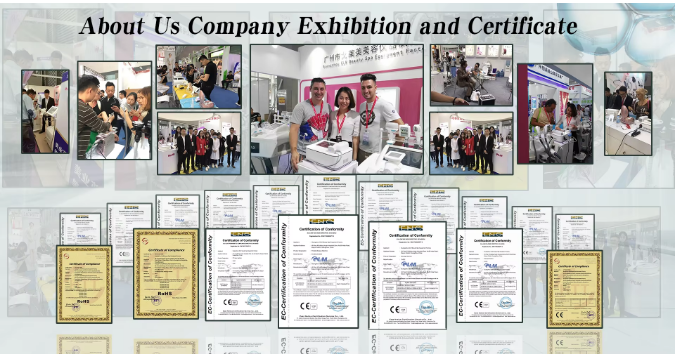
GLM is a specialized beauty instrument factory that produces instruments for a variety of functions, including weight loss devices. We have vacuum negative press, radio frequency fat blasting equipment, frozen fat dissolving machine and EMS body shaping machine. GLM is a 14 year old supplier of beauty instruments with guaranteed quality.https://gdglmbeauty.com/