Introduction
Hair removal has become one of the most requested aesthetic treatments worldwide. While traditional laser hair removal remains a popular option, both practitioners and clients are increasingly exploring laser-alternative technologies that offer greater flexibility, improved comfort, and broader treatment possibilities.
Today's professional beauty industry is no longer centered on a single technology. Instead, clinics and salons are building comprehensive hair removal solutions by combining different energy-based devices according to skin type, hair characteristics, treatment goals, and client expectations. This shift allows practitioners to deliver more personalized experiences while expanding their service offerings.
For manufacturers and professional equipment suppliers, understanding these alternatives is equally important. Modern aesthetic businesses are searching for versatile devices that not only remove unwanted hair effectively but also improve operational efficiency, treatment comfort, and long-term return on investment.
In this article, we'll explain how laser-alternative hair removal technologies work, compare their strengths and limitations, discuss which clients benefit most from each option, and explore why professional-grade equipment continues to play a critical role in delivering safe, consistent, and satisfying results.
Background: Why Professionals Are Looking Beyond Traditional Laser
Laser hair removal has earned a strong reputation for producing long-lasting hair reduction. However, no single technology is ideal for every client or every business model.
Beauty clinics today serve increasingly diverse populations. Clients present with different Fitzpatrick skin types, varying hair colors, unique medical histories, different pain tolerances, and individualized aesthetic goals. As a result, practitioners often need more than one treatment solution.
Several factors have accelerated the demand for laser alternatives.
1. Expanding Treatment Eligibility
Traditional laser systems generally perform best when there is a significant contrast between hair color and skin tone. Although modern laser platforms have improved considerably, certain clients may still require alternative approaches depending on their specific characteristics.
Professional clinics therefore appreciate technologies that provide additional flexibility across a wider range of treatment scenarios.
2. Client Comfort Matters More Than Ever
Modern consumers expect treatments that fit comfortably into busy lifestyles. Faster sessions, minimal downtime, reduced discomfort, and convenient maintenance have become major decision-making factors.
Many clients are willing to sacrifice slightly faster long-term results if the treatment experience feels more comfortable and less intimidating.
Consequently, salons increasingly invest in technologies designed to improve client satisfaction without compromising treatment quality.
3. Diversification Creates Business Advantages
Relying on a single hair removal technology limits treatment options.
Professional clinics increasingly diversify their equipment portfolios because different technologies can complement one another. This flexibility allows practitioners to:
- Treat more client types
- Offer customized treatment plans
- Increase equipment utilization
- Improve customer retention
- Differentiate themselves from local competitors
Instead of asking which technology is "best," experienced professionals typically ask:
"Which technology is best for this particular client?"
That shift in thinking reflects the evolution of modern aesthetic practice.
Understanding Professional Hair Removal Technologies
Professional hair removal equipment can generally be divided into several categories, each relying on a different scientific principle.
Rather than competing directly, many of these technologies complement each other in clinical practice.
Laser-Based Systems
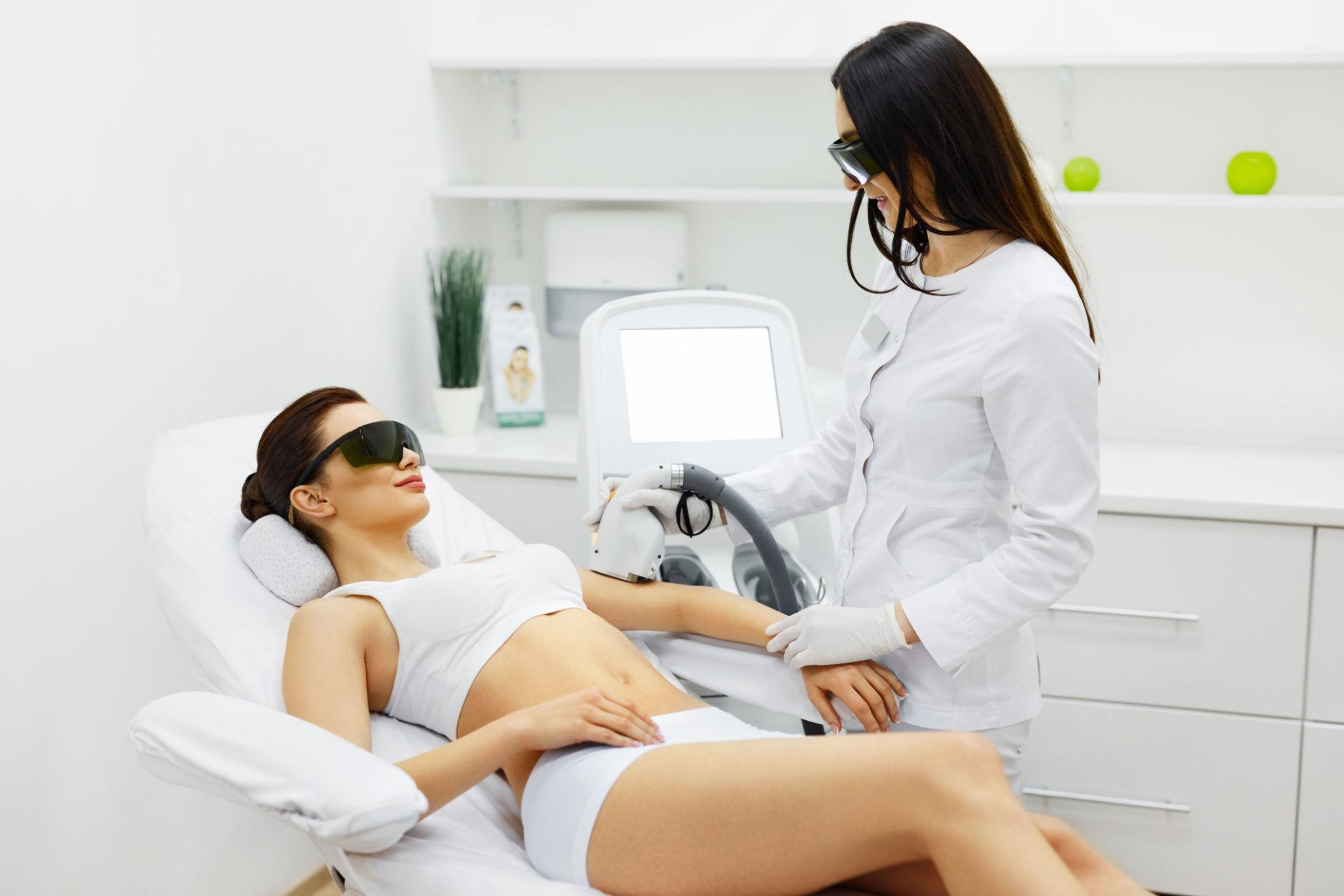
Laser devices emit highly concentrated wavelengths that target melanin within the hair shaft. The absorbed energy converts to heat, damaging the hair follicle while minimizing effects on surrounding tissue.
Various wavelengths—including 755 nm, 808 nm, and 1064 nm—are selected according to skin type and hair characteristics.
Professional diode laser systems have become especially popular because they balance treatment speed, penetration depth, and versatility.
However, they represent only one category of professional hair removal technology.
Intense Pulsed Light (IPL)
Although often confused with lasers, IPL uses broad-spectrum light instead of a single wavelength.
Filters allow practitioners to select specific wavelength ranges suitable for different treatment objectives.
Compared with traditional laser systems, IPL often offers greater versatility because the same platform may also perform:
- Photorejuvenation
- Pigmentation correction
- Vascular treatments
- Acne management
- Hair reduction
For beauty salons seeking multifunctional equipment, IPL platforms frequently provide attractive business value.
However, because IPL energy is less concentrated than laser energy, treatment parameters require careful adjustment by trained professionals to achieve optimal outcomes.
Radio Frequency Assisted Hair Reduction
Some advanced aesthetic systems combine optical energy with radio frequency (RF).
Instead of relying solely on melanin absorption, RF delivers additional thermal energy into the follicle area.
This combined approach may improve treatment consistency in certain clinical situations while enhancing overall energy distribution.
Hybrid platforms also demonstrate how modern manufacturers continue integrating multiple technologies into single devices to expand treatment possibilities
Technology Mechanism: How Laser-Alternative Hair Removal Works
To appreciate the value of laser-alternative technologies, it helps to understand the biological target of every professional hair removal treatment.
Regardless of the device being used, the ultimate objective is the same: to disrupt the hair follicle's ability to produce new hair while preserving the surrounding skin tissue.
Hair grows in three primary stages:
- Anagen (Growth Phase): Hair is actively growing and remains attached to the follicle. This is the ideal stage for professional hair removal because the energy can effectively reach the follicle.
- Catagen (Transition Phase): Hair begins separating from the follicle, reducing treatment effectiveness.
- Telogen (Resting Phase): Hair eventually sheds naturally before a new growth cycle begins.
Since not all hairs are in the same growth phase simultaneously, multiple treatment sessions are necessary regardless of the technology selected.
Professional operators evaluate several factors before choosing treatment parameters, including:
- Skin tone
- Hair color
- Hair thickness
- Hair density
- Treatment area
- Client sensitivity
- Previous hair removal history
Modern aesthetic devices allow these parameters to be adjusted with precision, helping practitioners optimize both safety and efficacy.
SHR (Super Hair Removal) Technology
Among today's most popular laser-alternative solutions is SHR (Super Hair Removal).
Unlike conventional laser treatments that deliver high-energy pulses, SHR uses a low-fluence, high-repetition approach. Instead of heating the follicle instantly with a single powerful pulse, SHR gradually accumulates heat through multiple passes over the treatment area.
This method offers several notable advantages:
- Reduced treatment discomfort
- Lower risk of overheating the skin
- Continuous movement during treatment
- Faster coverage of large body areas
- Improved client comfort
- Greater consistency for operators
Because the energy is delivered progressively, clients often describe SHR treatments as feeling like a gentle warming massage rather than sharp snapping sensations associated with some traditional laser procedures.
For busy salons where client experience directly influences repeat business, this enhanced comfort can become a meaningful competitive advantage.
Advanced Diode Laser Platforms
Although diode laser technology is technically still laser-based, many modern platforms have evolved far beyond earlier-generation systems.
Today's professional diode devices frequently combine multiple wavelengths into a single handpiece, allowing practitioners to treat a broader range of skin types and hair characteristics without switching equipment.
Common wavelength combinations include:
- 755 nm – Optimized for finer and lighter hair with more superficial penetration.
- 808 nm – Considered the industry's "gold standard" due to its balance of efficacy, speed, and versatility.
- 1064 nm – Designed for deeper penetration and enhanced safety when treating darker skin tones.
Triple-wavelength systems provide greater flexibility because different wavelengths can work together during a single treatment, enabling clinics to serve a wider variety of clients with one professional platform.
Advantages and Comparison of Different Hair Removal Technologies
Every technology has strengths and limitations. Rather than identifying one "best" solution, successful clinics select equipment that aligns with their target clientele, service model, and long-term business goals.
| Technology | Primary Strengths | Potential Limitations |
|---|---|---|
| IPL | Multi-functional platform; can also treat pigmentation, vascular concerns, and skin rejuvenation | Typically requires more sessions for hair reduction compared with dedicated laser systems |
| SHR | Comfortable treatments, efficient for large areas, suitable for frequent salon use | Results depend heavily on proper technique and treatment protocol |
| Diode Laser | High efficiency, long-lasting reduction, excellent for professional clinics | Higher equipment investment and requires operator training |
| RF-Assisted Systems | Additional thermal support and broader treatment flexibility | Usually integrated into premium multifunction devices |
Rather than competing directly, these technologies often complement one another. Many established aesthetic centers invest in more than one platform to accommodate a diverse client base.
Why Professional Equipment Delivers Better Results
Home-use hair removal devices have gained popularity due to their affordability and convenience. However, professional clinics continue to deliver superior outcomes because of several key advantages.
Higher Energy Stability
Professional systems are engineered to deliver consistent energy output across thousands of treatment cycles. Stable energy helps produce predictable results while reducing the risk of uneven treatment.
Intelligent Cooling Systems
Modern salon-grade devices frequently incorporate advanced contact cooling, air cooling, water cooling, or semiconductor cooling technologies. These systems protect the epidermis, improve comfort, and allow practitioners to work efficiently at higher energy settings when appropriate.
Customizable Parameters
Unlike consumer devices with limited settings, professional equipment allows operators to adjust pulse duration, energy level, repetition frequency, cooling intensity, and treatment mode according to individual client needs.
This level of customization supports more precise and personalized treatment plans.
Professional Assessment
Perhaps the greatest advantage is not the device itself but the expertise of the operator.
Experienced practitioners assess contraindications, evaluate skin condition, identify appropriate treatment intervals, and modify parameters throughout the treatment course. This professional judgment contributes significantly to treatment safety and client satisfaction.
Applications and Client Needs
Professional hair removal technologies are suitable for a wide range of treatment areas, making them valuable additions to modern aesthetic clinics.
Facial Hair Removal
Common treatment areas include:
- Upper lip
- Chin
- Jawline
- Sideburns
- Neck
Precision handpieces allow practitioners to work safely around delicate facial contours while maintaining client comfort.
Body Hair Reduction
Larger treatment areas often include:
- Legs
- Arms
- Underarms
- Chest
- Back
- Abdomen
Fast scanning technologies such as SHR significantly improve treatment efficiency for these larger regions.
Sensitive Areas
Professional systems are also widely used for sensitive treatment zones, including:
- Bikini line
- Brazilian treatments
- Underarm contours
Advanced cooling technologies help improve comfort during these procedures, encouraging clients to complete their recommended treatment plans.
Male Grooming
An increasing number of male clients now seek professional hair reduction services.
Popular requests include:
- Back hair
- Chest hair
- Neckline refinement
- Beard shaping
- Shoulder hair
This expanding demographic creates additional revenue opportunities for salons and medical aesthetic clinics.
Choosing the Right Equipment for Your Business
When investing in professional hair removal equipment, clinics should evaluate more than treatment performance alone.
Important considerations include:
- Target client demographics
- Available treatment space
- Operator training requirements
- Equipment reliability
- Maintenance costs
- Software usability
- Cooling efficiency
- Treatment speed
- Warranty and technical support
- Future business expansion plans
For businesses aiming to maximize return on investment, multifunctional platforms that combine hair removal with additional skin treatments may offer greater long-term value than single-purpose devices.
Likewise, manufacturers that provide comprehensive training, responsive after-sales service, and customizable OEM/ODM solutions can become valuable long-term partners for distributors and aesthetic businesses alike
Conclusion
The professional hair removal market continues to evolve as client expectations, treatment technologies, and business models advance. While traditional laser systems remain an important part of aesthetic practice, they are no longer the only solution available to clinics and salons seeking effective, comfortable, and versatile hair reduction treatments.
Laser-alternative technologies—including IPL, SHR, and advanced multi-wavelength diode platforms—offer practitioners greater flexibility in addressing diverse skin types, hair characteristics, and treatment goals. Rather than replacing one another, these technologies often work best as complementary tools within a comprehensive treatment portfolio.
For clients, the ideal treatment is not simply the newest or most powerful technology, but the one that is carefully selected based on individual needs, performed by trained professionals, and supported by reliable, high-quality equipment. Personalized treatment planning remains the foundation of successful hair removal outcomes.
For beauty clinics, med spas, and aesthetic professionals, investing in professional-grade devices is about more than expanding a service menu. It is an opportunity to improve treatment efficiency, enhance client comfort, strengthen customer loyalty, and differentiate the business in an increasingly competitive market.
From the perspective of equipment manufacturers, the future lies in developing intelligent, safe, and multifunctional systems that help practitioners deliver consistent results while adapting to evolving industry demands. Features such as advanced cooling technologies, multiple treatment modes, user-friendly interfaces, and dependable after-sales support are becoming just as important as treatment performance itself.
As the beauty industry continues to emphasize personalized care and minimally invasive procedures, professional hair removal technologies will remain a cornerstone of aesthetic services. Choosing the right platform—supported by proper training and clinical expertise—allows professionals to deliver safe, efficient, and satisfying experiences that benefit both their businesses and their clients
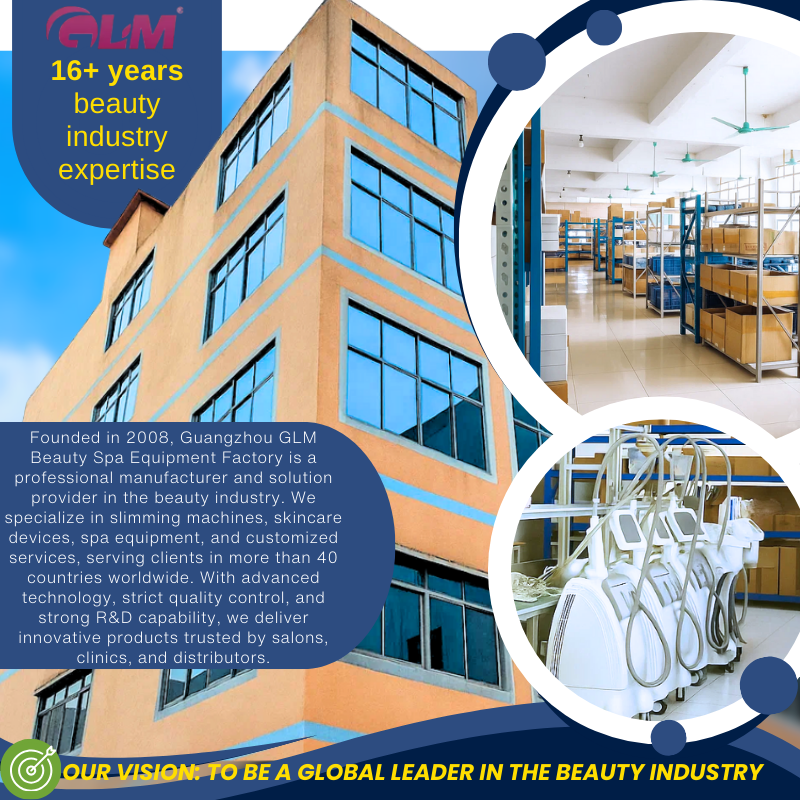
Founded in 2008, Guangzhou GLM Beauty Spa Equipment Factory specializes in research, development, manufacture and selling of beauty and slimming machines. Our production base is located in Guangzhou City, Guangdong Province, China. Since our foundation, we have introduced advanced technologies and equipment, to assure high quality and high performance of our products. With professional marketing guide and excellent after-sales service, our products have been exported to over 20 countries and regions, including Southeast Asia, the Middle East, Europe and the United States, won worldwide praises and gained a good reputation