
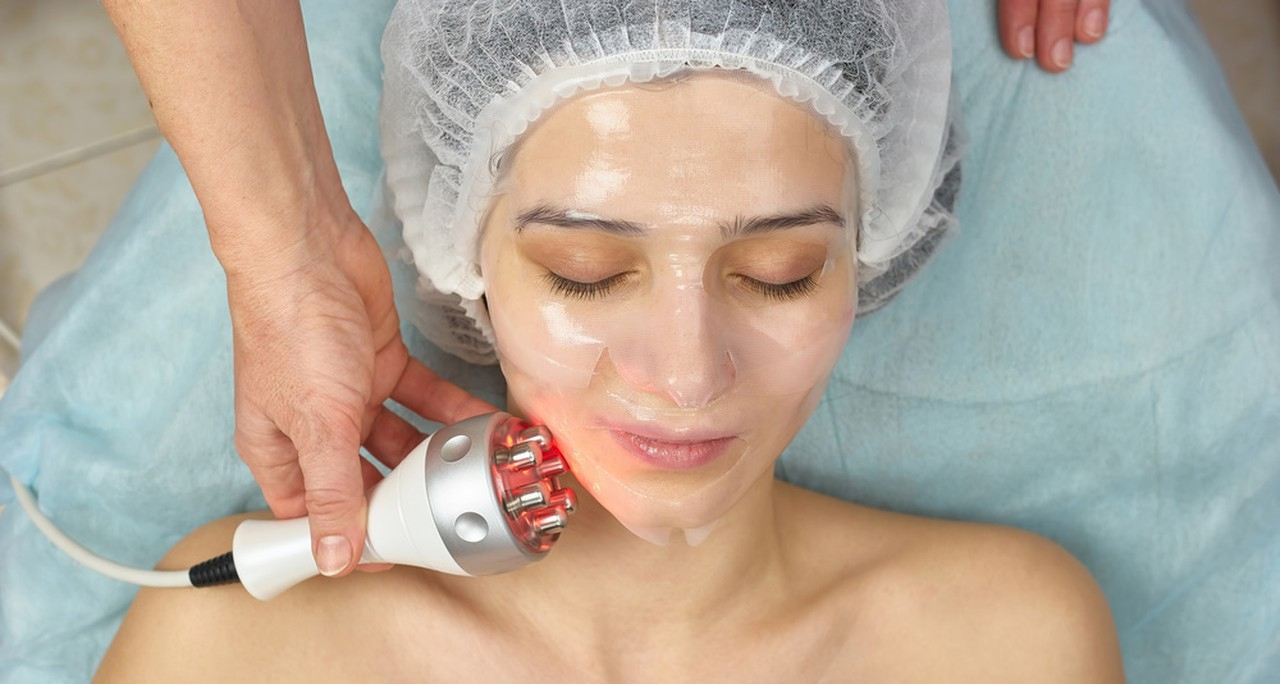
Lasers vs LED: The Future of Medical Treatment Technologies
Over the years, the field of medical treatment technologies has witnessed remarkable advancements, revolutionizing the way we approach various health conditions. Among the emerging technologies, lasers and LED (Light Emitting Diodes) have gained significant attention due to their effectiveness and versatility. In this blog post, we will delve into the world of lasers and LED, comparing and contrasting their applications and exploring their potential role in the future of medical treatments.
Understanding Lasers
Lasers are advanced technological devices that possess the remarkable ability to emit intense beams of focused light. These beams are capable of delivering energy precisely to designated areas within the human body, offering numerous benefits in medical treatments. The fundamental principle underlying the operation of lasers is the amplification of light through the process of stimulated emission of radiation.
Advantages of Using Lasers in Medical Treatments:
-
Precision and Accuracy:
The most significant advantage of lasers in medical treatments lies in their unparalleled precision and accuracy. Lasers are capable of targeting specific tissues or cells with remarkable precision, ensuring that only the intended area receives the therapeutic energy. This targeted approach minimizes damage to surrounding healthy tissue, reducing the risk of unwanted side effects and complications. As a result, lasers are ideal for delicate medical procedures that require precise control. -
Minimally Invasive Procedures:
Another crucial advantage of lasers in medical treatments is their ability to enable minimally invasive or non-invasive procedures. Traditional surgical methods often involve cutting and removal of tissue, which can lead to extensive scarring, prolonged recovery times, and a higher risk of complications. However, lasers allow for the precise manipulation of tissue without the need for significant cutting or removal. This results in faster recovery times, reduced scarring, and a decreased risk of complications for patients. -
Versatility:
Lasers exhibit a remarkable versatility in medical treatments, with a wide range of applications spanning various medical specialties. In ophthalmology, lasers are used for corrective eye surgeries such as LASIK, which can improve vision by reshaping the cornea. In dermatology, lasers are employed for hair removal, skin resurfacing, and the treatment of various skin conditions. They are also used in cosmetic procedures, such as laser skin tightening and tattoo removal. Furthermore, lasers have found applications in surgical interventions, including laparoscopic surgeries and the treatment of certain types of cancer.
Examples of Medical Treatments Utilizing Lasers:
- Laser Eye Surgery: LASIK (Laser-Assisted In Situ Keratomileusis) is a popular laser eye surgery that uses a laser beam to reshape the cornea, correcting vision problems such as nearsightedness, farsightedness, and astigmatism. The laser is able to precisely remove tiny amounts of tissue from the cornea, improving the way light enters the eye and resulting in clearer vision.
- Laser Hair Removal: Laser hair removal treatments utilize laser beams to target and destroy hair follicles, reducing the growth of unwanted hair. The laser energy is absorbed by the pigment in the hair follicles, damaging them and preventing future hair growth. This treatment is commonly used on areas such as the face, neck, chest, back, and legs.
- Laser Skin Resurfacing: Laser skin resurfacing treatments involve the use of laser beams to remove damaged outer layers of skin, revealing smoother and younger-looking skin beneath. The laser energy stimulates the production of new collagen, which helps to improve skin texture and tone. This treatment is effective for treating wrinkles, acne scars, sun damage, and other skin conditions.
Unveiling LED Technology
LED, an acronym for Light Emitting Diodes, represents a class of semiconductors that emit light when an electric current flows through them. This technology has gained widespread popularity across diverse industries, including the medical field, due to its numerous advantages and applications.
Advantages of Using LED in Medical Treatments:
-
Non-invasive Treatment Option:
LED therapy stands out as a non-invasive treatment option that offers a gentle and painless alternative to traditional surgical or chemical-based treatments. Instead of using heat or mechanical means to affect the skin, LED therapy delivers light energy directly to the target area. This light energy stimulates cellular processes without causing any thermal damage to the skin, making it suitable for all skin types. -
Low-Risk Procedure:
LED treatments are renowned for their minimal risks and side effects. Since the light energy emitted by LEDs is non-thermal and non-invasive, it does not cause any significant damage to the skin or surrounding tissues. This makes LED therapy a safe option for patients, even those with sensitive skin or pre-existing conditions. The low risk profile of LED treatments also contributes to their popularity as a first-line treatment for various skin conditions. -
Versatility:
LED technology exhibits remarkable versatility in medical treatments. It can be used to treat a wide range of conditions, including acne, photodamage, wound healing, and pain management. For instance, LED therapy for acne treatment involves the use of specific wavelengths of light to target and kill the bacteria that cause acne breakouts. Similarly, LED light-based photodynamic therapy (PDT) utilizes photosensitizing agents and light energy to destroy precancerous cells and improve the appearance of sun-damaged skin. The versatility of LED technology allows it to be tailored to the specific needs of individual patients, providing customized treatment plans for optimal results.
Examples of Medical Treatments Utilizing LED Technology:
- LED Therapy for Acne Treatment: LED therapy has proven to be an effective treatment for acne vulgaris, a common skin condition that affects millions of people worldwide. By targeting the bacteria that cause acne breakouts with specific wavelengths of light, LED therapy can reduce inflammation, kill bacteria, and promote healing of the skin. This results in clearer and smoother skin with a reduced number of acne lesions.
- LED Light-based Photodynamic Therapy (PDT): PDT utilizes LED light energy in combination with photosensitizing agents to treat various skin conditions, including sun damage, precancerous lesions, and acne. During PDT, the photosensitizing agent is applied to the skin and allowed to penetrate the target area. Then, the LED light is applied to activate the agent, triggering a chemical reaction that destroys the damaged cells. This process stimulates the production of new collagen and elastin, improving the overall texture and appearance of the skin. PDT using LED light is a safe and effective treatment option for a wide range of skin conditions, offering patients significant improvements in their skin health.
Comparing Lasers and LED
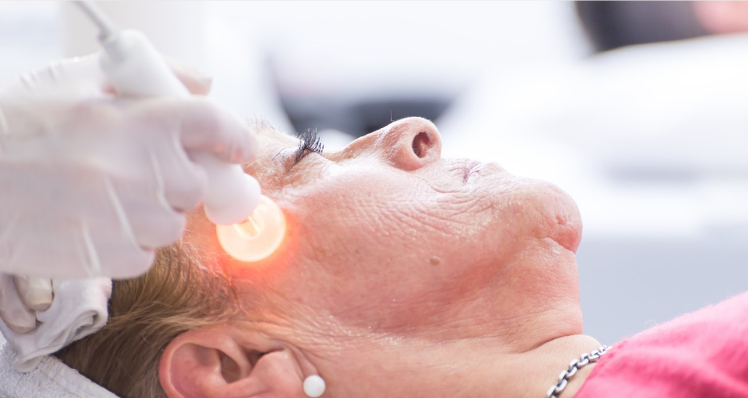
When it comes to aesthetic and medical treatments, lasers and LED technology both play a crucial role. However, they differ significantly in terms of their technology, mechanism of action, effectiveness, cost, and safety considerations.
Effectiveness and Efficiency:
Lasers are renowned for their high energy output and precise targeting capabilities. They emit a concentrated beam of light that can penetrate the skin to varying depths, depending on the wavelength used. This allows lasers to be extremely effective in treating specific conditions, such as acne scars, wrinkles, tattoos, and hair removal. The precision of laser treatments ensures that the maximum amount of energy is delivered to the target area, resulting in faster and more significant results.
On the other hand, LED treatments typically require multiple sessions for optimal results. LED therapy involves the use of low-level light energy to stimulate cellular processes and promote healing. While LED treatments are generally considered safer and more accessible, they may not provide the same level of effectiveness as lasers for some conditions. However, for certain skin conditions, such as acne and photodamage, LED therapy can be an excellent alternative that is less invasive and more affordable.
Cost Comparison:
Laser treatments tend to be more expensive than LED treatments due to the complexity of the technology and the precision required for optimal results. Lasers require specialized equipment and training, which increases the cost of both the treatment and the maintenance of the equipment. Additionally, laser treatments may require multiple sessions to achieve desired results, further increasing the overall cost.
LED treatments, on the other hand, are relatively more affordable. LED devices are less complex and easier to maintain, reducing the cost of ownership for medical spas and clinics. Additionally, LED treatments are often less invasive and require fewer sessions, making them a more cost-effective option for patients. This allows LED therapy to be accessible to a wider range of patients, including those on tighter budgets.
Safety Considerations:
Both lasers and LED treatments are generally safe when performed by trained professionals. However, there are some safety considerations that should be taken into account. Lasers can carry a slightly higher risk of adverse effects if not used correctly or in the hands of inexperienced practitioners. Overexposure to laser energy can cause burns, scarring, and other skin damage. Therefore, it is crucial to ensure that laser treatments are performed by trained and experienced professionals who understand the proper use and safety protocols.
LED treatments, on the other hand, are generally considered safer than lasers due to their lower energy output and non-invasive nature. However, it is still important to ensure that LED therapy is performed by trained professionals to ensure the best results and minimize any potential risks. Additionally, patients should be aware of any contraindications or precautions associated with LED therapy before undergoing treatment.
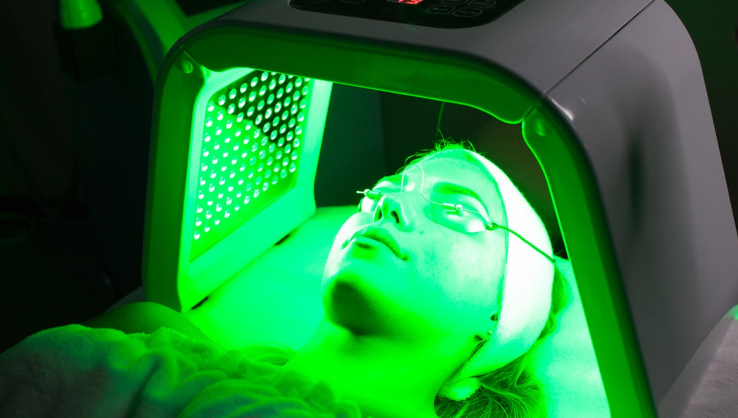
The Future of Medical Treatment Technologies
As we delve into the future of medicine, the potential and promise of laser and LED technologies in medical treatments become increasingly apparent. These advancements are poised to revolutionize healthcare, offering patients more effective and efficient treatment options.
Emerging Trends and Innovations
The medical industry is constantly evolving, and lasers and LED technologies are no exception. Researchers and scientists are actively engaged in exploring new ways to improve the performance of these technologies.
For lasers, advancements in precision and portability are key areas of focus. As laser devices become more precise, they can target specific areas of the body with greater accuracy, minimizing collateral damage to surrounding tissues. This precision is crucial in treatments such as laser eye surgery, dermatological procedures, and cancer therapies. Additionally, the development of portable laser devices allows for more flexibility and convenience in administering treatments, potentially expanding their reach to patients in remote areas or with limited access to healthcare facilities.
LED technology is also undergoing significant innovation. Researchers are exploring ways to optimize LED wavelengths and intensities to enhance their therapeutic effects. This includes investigating new LED spectra that may be more effective for specific medical conditions. Additionally, LED devices are being designed to be more comfortable and user-friendly, improving patient compliance and satisfaction with treatment.
Potential Applications
As lasers and LED continue to evolve, their potential applications in medical treatments are expanding rapidly. One promising area is regenerative medicine, where lasers and LED can be used to stimulate tissue regeneration and healing. These technologies offer an alternative to surgical procedures, with the potential for faster recovery and reduced side effects.
Cancer treatments are also a promising area for lasers and LED. Lasers can be used to precisely target and destroy cancer cells, minimizing damage to healthy tissue. LED therapy, on the other hand, may have the potential to enhance the effectiveness of traditional cancer treatments such as chemotherapy and radiation therapy by reducing side effects and improving patient tolerance.
Chronic pain management is another area where lasers and LED show promise. These technologies can be used to target pain pathways and reduce inflammation, providing patients with relief from chronic pain conditions such as arthritis, fibromyalgia, and neuropathic pain. The non-invasive nature of these treatments makes them attractive options for patients who have not responded well to traditional pain medications or therapies.
In conclusion, the future of medical treatment technologies holds exciting prospects for lasers and LED. As these technologies continue to evolve and expand their applications, they are poised to revolutionize healthcare and improve patient outcomes.
Conclusion
The future of medical treatment technologies is bright, with lasers and LED leading the way. Both provide unique advantages and are transforming the medical landscape. While laser treatments offer precision and versatility, LED provides a safe and affordable option. As research progresses and technology advances, the potential for lasers and LED in medical treatments is boundless, paving the way for improved patient care and enhanced treatment outcomes.