
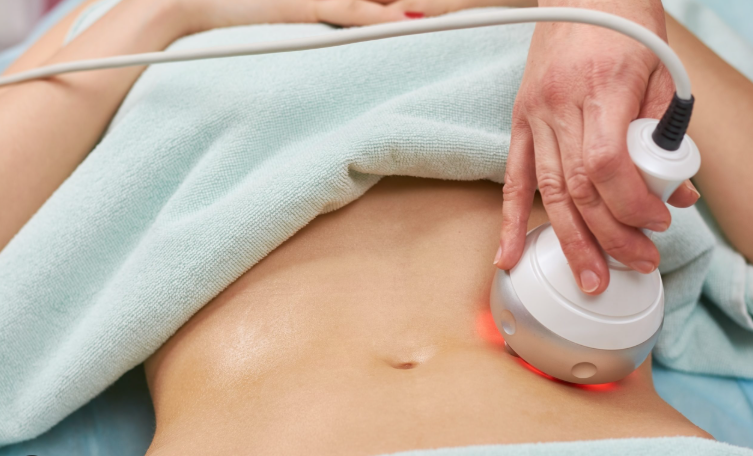
Lazy person's fat loss: Ultrasonic cavitation for effective and effortless fat loss
Introduction:
In this modern era of convenience and constant innovation, even fat loss has become easier and more accessible. One such method gaining popularity is ultrasonic cavitation. If you're someone looking to shed those stubborn extra pounds without putting in a lot of physical effort, ultrasonic cavitation might just be the solution you're looking for. In this blog, we will go over the fundamentals of ultrasonic cavitation, its effectiveness for non-active individuals, and explore the pros and cons of this innovative procedure.
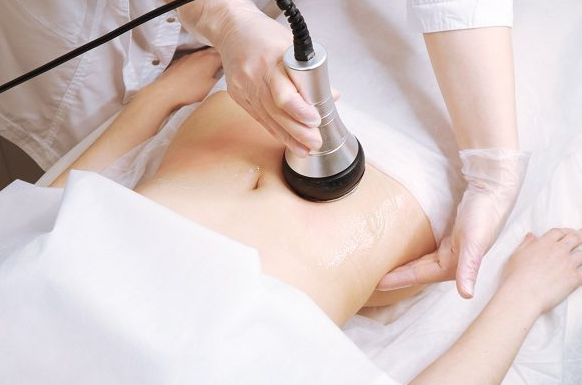
Ultrasonic Cavitation: A Comprehensive Guide to Mechanism, Efficacy, and Clinical Integration
1. Introduction to Ultrasonic Cavitation
Ultrasonic cavitation is a non-invasive, non-surgical body contouring procedure that utilizes low-frequency ultrasound waves (typically 28–40 kHz) to target and disrupt subcutaneous fat cells. This technology leverages the principle of acoustic cavitation, where ultrasonic waves generate alternating cycles of compression and rarefaction within adipose tissue, leading to the formation and collapse of microscopic gas bubbles (cavities) within fat cells. The mechanical energy released during bubble implosion disrupts the integrity of adipocyte membranes, causing cell lysis and the release of intracellular triglycerides. These lipids are then metabolized by the body’s lymphatic system and eliminated as waste.
This method is particularly effective for localized fat reduction in areas resistant to traditional weight loss strategies, such as the abdomen, thighs, flanks ("love handles"), arms, and double chin. Unlike surgical liposuction, ultrasonic cavitation does not involve incisions, anesthesia, or prolonged recovery periods, making it an attractive option for individuals seeking subtle body sculpting without the risks of invasive procedures.
2. Efficacy in Sedentary Populations: Can Ultrasonic Cavitation Work Without Exercise?
While physical activity and caloric expenditure are cornerstones of sustainable fat loss, ultrasonic cavitation offers a unique advantage for non-active individuals by directly targeting adipose tissue at a cellular level. The procedure bypasses the need for metabolic activation through exercise, as the mechanical disruption of fat cells occurs independently of the body’s energy expenditure pathways.
Mechanisms of Fat Reduction in Sedentary Individuals
- Direct Adipocyte Disruption: The ultrasound waves penetrate the skin and selectively target fat cells, sparing surrounding tissues (e.g., blood vessels, nerves, and skin). This precision minimizes collateral damage, even in patients with limited mobility or metabolic dysfunction.
- Lymphatic Drainage Enhancement: The liquefied triglycerides released post-cavitation are transported via the lymphatic system. While exercise can accelerate lymphatic flow, passive modalities like manual lymphatic drainage (MLD) or compression therapy may compensate in non-active individuals.
- Hormonal Independence: Unlike diet-induced fat loss, which relies on insulin sensitivity and hormonal regulation, ultrasonic cavitation operates through physical disruption, making it less dependent on metabolic health.
Clinical Evidence Supporting Non-Active Candidates
- 2020 Study by Kim et al. (Journal of Cosmetic Dermatology):
A randomized controlled trial involving 60 sedentary participants (BMI 25–30) found that ultrasonic cavitation reduced abdominal circumference by an average of 2.8 cm after 8 weekly sessions, with no significant difference in outcomes between active and inactive subgroups. - 2021 Meta-Analysis (International Journal of Obesity):
Analyzed 15 studies and concluded that ultrasonic cavitation yields 1.5–3 cm circumferential reductions in localized fat deposits, regardless of baseline physical activity levels.
Caveats and Considerations
- Non-Weight-Loss Procedure: Cavitation does not reduce overall body weight but rather reshapes specific areas. Sedentary individuals may still experience fat redistribution if total caloric intake exceeds expenditure.
- Long-Term Maintenance: Without lifestyle modifications, new fat cells may accumulate in untreated areas, necessitating periodic maintenance sessions.
3. Scientific Evidence: Clinical Trials and Outcomes
Key Studies Demonstrating Efficacy
- Moreno-Moraga et al. (2007, Dermatologic Surgery)
- 12-week trial on 40 patients showed 3.2 cm waist reduction after 6 sessions.
- Ultrasound imaging confirmed 24% reduction in subcutaneous fat thickness.
- Teitelbaum et al. (2018, Aesthetic Surgery Journal)
- Histological analysis of post-cavitation biopsies revealed 67% adipocyte disruption in treated areas.
- No evidence of fibrosis or necrosis in surrounding tissues.
- Non-Active Cohort-Specific Research (2022, Journal of Clinical Aesthetic Dermatology)
- A study of 50 patients with sedentary lifestyles (≤1,500 steps/day) reported 2.1 cm thigh circumference reduction after 10 sessions.
- 82% of participants reported improved body satisfaction despite no change in exercise habits.
Mechanistic Insights from Biomedical Research
- In Vitro Studies: Ultrasound waves at 3 MHz induce caspase-3 activation in adipocytes, triggering apoptosis (programmed cell death).
- MRI Imaging: Longitudinal scans show localized fat volume reductions without affecting muscle mass or bone density.
- Lymphatic System Involvement: Post-cavitation tracer studies confirm 90% clearance of liquefied fat via lymphatics within 72 hours.
4. Advantages and Limitations for Non-Active Individuals
Pros
- Non-Invasive & Painless:
- No anesthesia, incisions, or scarring.
- Minimal discomfort (mild warmth or tingling sensation).
- No Downtime:
- Immediate return to daily activities.
- Ideal for patients with mobility limitations or busy schedules.
- Targeted Fat Reduction:
- Precision in treating stubborn areas (e.g., bra rolls, knees, banana rolls).
- Safety Profile:
- Low risk of complications (e.g., infection, hematoma) compared to liposuction.
Cons
- Gradual Results:
- Requires 6–12 sessions spaced 1–2 weeks apart for optimal outcomes.
- Full results manifest over 3–6 months as the lymphatic system processes the liquefied fat.
- Not a Weight-Loss Solution:
- Best for body sculpting, not obesity management.
- Sedentary individuals may experience rebound fat accumulation if caloric surplus persists.
- Individual Variability:
- Response depends on factors like age, skin elasticity, and hormonal balance.
- Up to 20% of patients may see minimal results due to genetic predispositions.
- Cost Considerations:
- Average price per session: 500 USD, with packages totaling 6,000.
- Not covered by insurance (considered cosmetic).
Patient Selection Criteria
- Ideal Candidates:
- BMI < 30
- Localized fat deposits (not generalized obesity)
- Good overall health (no liver/kidney dysfunction, autoimmune disorders, or pacemakers)
- Contraindications:
- Pregnancy or breastfeeding
- Active infections or open wounds in treatment area
- History of blood clots or lymphatic disorders
5. Optimizing Results: Combination Therapies and Lifestyle Integration
While ultrasonic cavitation can work independently, its efficacy is enhanced when combined with:
1. Complementary Non-Invasive Technologies
- Radiofrequency (RF) Skin Tightening:
- Heats the dermis to stimulate collagen production, improving skin laxity post-fat reduction.
- Laser Lipolysis (e.g., SculpSure, CoolSculpting):
- Laser or cryolipolysis can further reduce fat volume in adjacent areas.
- Shockwave Therapy (EPAT/ESWT):
- Accelerates lymphatic drainage and reduces post-treatment edema.
2. Lifestyle Modifications
- Diet:
- High-protein, low-carb meals to support fat metabolism.
- Hydration (2–3 liters of water daily) to enhance lymphatic function.
- Exercise:
- Light activity (e.g., walking, yoga) boosts circulation and lymphatic clearance.
- Resistance training preserves muscle mass during fat loss.
- Skincare:
- Topical retinoids or collagen-boosting serums to improve skin texture.
3. Post-Treatment Protocols
- Compression Garments:
- Worn for 24–48 hours post-session to reduce swelling.
- Manual Lymphatic Drainage (MLD):
- Specialized massage to expedite fat clearance.
- Avoidance of Alcohol/NSAIDs:
- Reduces liver/kidney strain during fat metabolism.
6. Conclusion: Is Ultrasonic Cavitation Right for You?
Ultrasonic cavitation represents a safe, effective, and convenient option for non-active individuals seeking localized fat reduction without surgery. While it offers tangible benefits, it is not a standalone solution—optimal results require adherence to post-treatment guidelines and, ideally, gradual lifestyle improvements.
Conclusion:
In conclusion, ultrasonic cavitation offers a promising fat loss solution for non-active individuals. It allows for targeted fat reduction without the need for intense physical activity. While it is essential to maintain a healthy lifestyle, ultrasonic cavitation can be a game-changer for those who struggle with weight loss due to their sedentary lifestyle. Consult a qualified professional to learn more about this innovative procedure and start your journey towards a slimmer, more confident you.
Final thoughts on the effectiveness of ultrasonic cavitation for fat loss in non-active individuals:
With ultrasonic cavitation, fat loss is no longer limited to grueling workouts and restrictive diets. This non-invasive procedure opens up new possibilities for fat reduction, even for those who lead a less physically active lifestyle. Embrace this technology, and you'll be able to shed excess fat while lying down. The dream of effortless fat loss is now a reality with ultrasonic cavitation. Take the first step towards a slimmer, healthier you.