Introduction
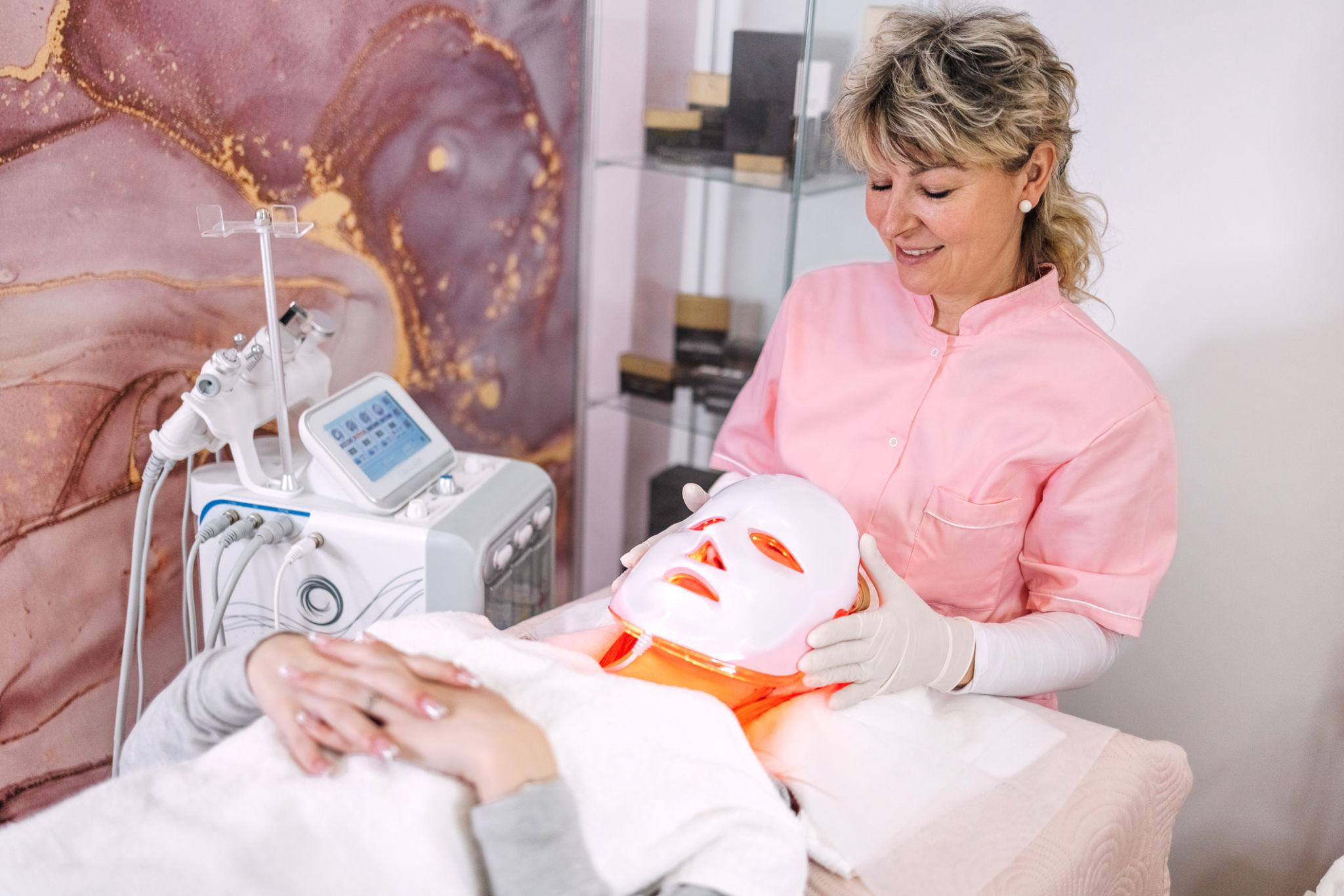
LED face masks have become increasingly visible in modern beauty clinics, aesthetic centers, and professional skincare studios. Unlike conventional facial treatments that rely mainly on topical products or manual techniques, LED light therapy uses controlled wavelengths of light to support specific skin-care objectives.
For professional operators, an LED face mask is more than a wearable skincare accessory. When integrated into a treatment protocol, it can become a practical technology for supporting skin recovery, improving treatment experiences, and creating repeatable facial care programs.
The principle is relatively straightforward: different wavelengths of visible or near-infrared light interact with the skin in different ways. Red and near-infrared light are commonly associated with skin-rejuvenation protocols, while blue light is widely used in professional skincare programs targeting blemish-prone skin. Some advanced systems combine several wavelengths so that operators can select a treatment mode according to the client's skin condition and treatment goals.
This combination of technology, convenience, and controlled application makes professional LED face masks particularly useful for beauty salons and aesthetic clinics looking to expand their non-invasive treatment portfolio.
Background / Problem
Modern clients increasingly expect facial treatments that are comfortable, convenient, and compatible with busy lifestyles. At the same time, professional skincare providers need technologies that can be incorporated into structured treatment protocols without creating excessive recovery requirements.
Traditional facial treatments can provide cleansing, exfoliation, hydration, massage, or product application. However, many clients and operators are also looking for technology-based solutions that can complement these procedures.
This is where LED phototherapy can play a role.
A professional LED treatment does not need to replace every other facial technology. Instead, it can function as a complementary step within a broader treatment program. For example, an operator may combine cleansing and exfoliation with an LED session, followed by a suitable serum or moisturizing treatment. Depending on the equipment configuration and the clinic's protocol, LED therapy may also be positioned as a standalone non-invasive facial service.
Another challenge is treatment consistency.
Manual facial procedures can vary according to operator technique, treatment time, and client tolerance. Professional LED devices can help standardize important parameters such as treatment duration, selected wavelength, and operating mode. This gives clinics a more structured way to deliver repeatable services.
For equipment manufacturers and professional beauty businesses, this is an important distinction between a consumer LED mask and a professional LED phototherapy system. The value is not simply in producing light. It is in delivering controlled light as part of a professional treatment workflow.
Technology / Mechanism
LED face masks use light-emitting diodes to deliver specific wavelengths of light to the facial skin. Unlike laser devices, LED systems generally deliver non-coherent light over a broader treatment area and are commonly designed for non-invasive cosmetic applications.
The wavelength is one of the most important factors in understanding an LED system.
Red Light
Red light is commonly used in professional skin-rejuvenation protocols. It is generally selected for treatments focused on supporting the appearance of smoother, healthier-looking skin.
Red wavelengths can interact with cellular structures in the skin through a process commonly referred to as photobiomodulation. The objective is not to heat or damage the skin, but to provide controlled light exposure that may influence cellular activity.
For clinics, this makes red LED therapy useful as part of facial rejuvenation and maintenance programs.
Near-Infrared Light
Near-infrared wavelengths can penetrate deeper than visible red light and are frequently incorporated into professional LED systems designed for broader skin-recovery and rejuvenation protocols.
Because near-infrared light is not strongly visible to the eye, it can be combined with visible wavelengths within the same treatment platform.
Advanced equipment may therefore allow operators to use red and near-infrared light independently or together, depending on the treatment protocol.
Blue Light
Blue light is commonly incorporated into professional skincare programs for blemish-prone skin.
It is often associated with the management of acne-related concerns because certain blue-light wavelengths can interact with compounds produced by some acne-associated bacteria. Professional operators may therefore integrate blue LED sessions into facial protocols designed for clients experiencing occasional or persistent blemish concerns.
However, LED therapy should not be presented as a universal replacement for medical acne treatment. Client assessment remains important, particularly for clients with significant or persistent skin conditions.
Multi-Wavelength Systems
One of the strongest advantages of modern professional LED equipment is the ability to combine multiple wavelengths.
Instead of offering only one fixed light mode, a multi-wavelength LED face mask may provide several treatment options. The operator can then select a program according to the client's skin-care objective.
A typical professional system may include:
- Red light for rejuvenation-focused treatments
- Blue light for blemish-prone skin protocols
- Near-infrared light for recovery and skin-conditioning programs
- Combined wavelengths for comprehensive facial treatment routines
The exact wavelength, irradiance, treatment time, and operating protocol vary between devices. Therefore, professional operators should always follow the manufacturer's specifications and intended use.
Advantages / Comparison
1. Non-Invasive Treatment Experience
One reason LED technology fits professional beauty environments is the comfortable treatment experience.
LED facial sessions generally do not require needles, incisions, or aggressive mechanical procedures. Clients can remain relaxed while the device delivers the programmed light treatment.
This makes LED technology suitable for treatment menus that emphasize comfort and minimal disruption to daily routines.
2. Broad Facial Coverage
The mask-style design allows multiple LEDs to cover a large portion of the face simultaneously.
Compared with handheld light devices that require the operator to move the applicator manually, a well-designed LED face mask can provide more consistent positioning and reduce the amount of manual operation required during a session.
For busy salons and clinics, this can improve workflow efficiency.
3. Repeatable Treatment Parameters
Professional equipment can provide greater control over treatment parameters than many consumer products.
Depending on the system, operators may be able to adjust or select:
- Wavelength
- Treatment duration
- Light mode
- Intensity or irradiance
- Treatment programs
- Operating sequences
This level of control can make the equipment easier to integrate into standardized clinic protocols.
4. Professional Equipment vs. Home LED Masks
Home LED masks are designed primarily for personal convenience. Professional systems, by comparison, are generally designed around treatment workflows and professional operation.
The difference is not simply that one device is "stronger" than another.
Professional equipment can provide advantages such as more structured treatment programs, clearer operating controls, broader configuration options, easier integration with other facial procedures, and a design intended for repeated professional use.
For a beauty clinic, the real value lies in how the equipment fits into the overall service model.
An LED face mask can be used before another facial procedure, after certain non-invasive treatments, or as an independent light-based facial service, depending on the device's intended use and professional protocol.
5. Easy Integration With Other Facial Technologies
LED technology can complement a variety of professional facial services.
For example, a clinic may structure a treatment as:
Skin Assessment → Cleansing → Exfoliation → LED Therapy → Serum Application → Moisturization
The LED step can therefore become part of a broader facial protocol rather than an isolated technology.
This creates opportunities for clinics to design different treatment packages according to client needs.
Applications / Client Needs
Professional LED face masks can serve a variety of client profiles when used according to the device's intended application.
Skin Rejuvenation Programs
Clients concerned about the appearance of fine lines, uneven-looking skin, or general signs of skin aging may be suitable candidates for LED-based rejuvenation programs.
Red and near-infrared light are commonly selected for these applications. Clinics can incorporate LED sessions into recurring facial-maintenance programs, allowing clients to return for scheduled treatments rather than relying on a single procedure.
Blemish-Prone Skin
Blue-light programs can be incorporated into professional facial services designed for blemish-prone clients.
An operator can first assess the client's skin condition and then determine whether LED treatment is appropriate. This professional assessment is particularly important because not every type of acne or skin irritation should be approached in the same way.
Post-Treatment Skin Conditioning
LED therapy may also be used as a supportive step within certain professional skincare routines.
For example, after appropriate cleansing or non-invasive facial procedures, an LED session may be incorporated into a treatment designed around skin comfort and conditioning.
The exact sequence should depend on the equipment manufacturer's instructions and the clinic's established protocol.
Premium Facial Packages
For salons that want to differentiate their treatment menu, LED technology can also be incorporated into premium facial packages.
A package might combine:
- Professional skin analysis
- Deep cleansing
- Exfoliation
- LED phototherapy
- Serum infusion or product application
- Hydration care
- Finishing skincare
This approach changes the positioning of the LED face mask from a simple device into one component of a complete professional service.
Clinics Looking for Repeatable Technology
For professional operators, repeatability is often just as important as treatment variety.
A device that provides programmable treatment modes and consistent positioning can help staff follow the same basic procedure across multiple sessions. This is particularly useful for clinics with multiple operators or businesses that want to establish standardized service protocols.
Professional LED systems can therefore support both treatment development and operational efficiency.
Choosing a Professional LED Face Mask
When selecting LED equipment for a beauty salon or aesthetic clinic, operators should look beyond the number of LEDs.
Important considerations include wavelength configuration, irradiance, treatment coverage, treatment modes, timer functions, mask ergonomics, eye protection, cleaning requirements, control interface, and manufacturer documentation.
The physical design is also important.
A professional mask should fit securely and comfortably while maintaining an appropriate distance and positioning between the light source and the treatment area. Easy-to-clean surfaces and durable construction are particularly valuable in environments where equipment is used repeatedly.
Manufacturers should also provide clear technical specifications and operating instructions so that professional users can establish appropriate treatment protocols.
Ultimately, the most useful LED system is not necessarily the one with the largest number of features. It is the one that provides controllable parameters, reliable operation, practical treatment coverage, and a workflow that fits the clinic's existing services.
Conclusion
LED face masks have developed from a consumer beauty trend into a useful technology for professional facial treatment environments.
By delivering controlled wavelengths of light across the facial treatment area, professional LED systems can support different skincare objectives, including rejuvenation-focused care, blemish-prone skin programs, and general skin-conditioning routines.
Their non-invasive nature, broad coverage, repeatable treatment parameters, and compatibility with other facial procedures make them particularly suitable for modern beauty salons and aesthetic clinics.
For professional operators, the key is not simply adding an LED mask to a treatment room. The greater value comes from integrating the technology into a structured service protocol, selecting appropriate treatment modes, assessing client needs, and maintaining consistent operating procedures.
As professional beauty businesses continue to combine technology with personalized treatment programs, LED phototherapy provides a practical platform for building flexible, comfortable, and repeatable facial services
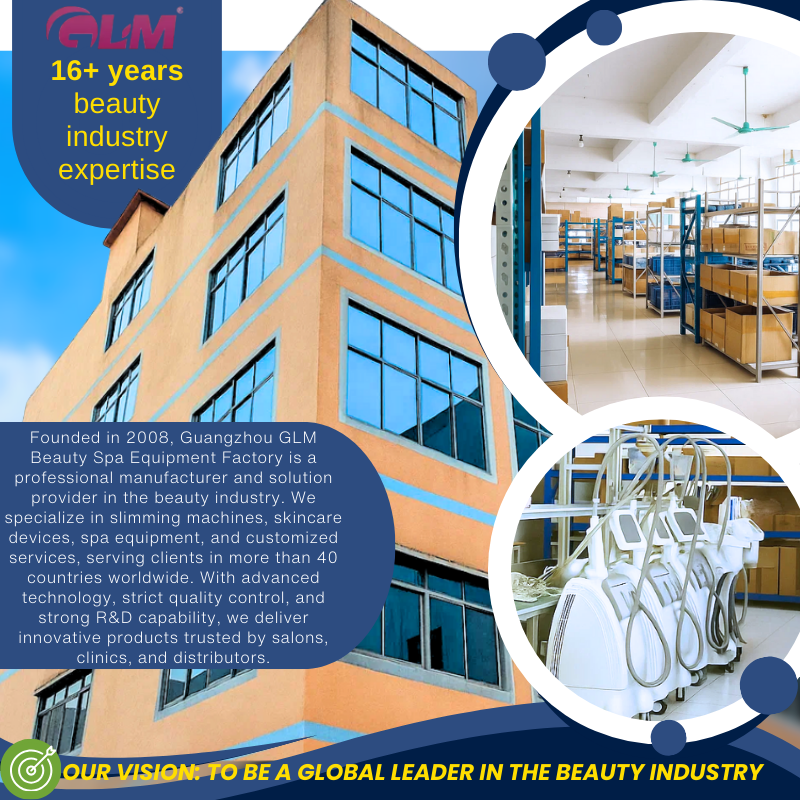
Founded in 2008, Guangzhou GLM Beauty Spa Equipment Factory specializes in research, development, manufacture and selling of beauty and slimming machines. Our production base is located in Guangzhou City, Guangdong Province, China. Since our foundation, we have introduced advanced technologies and equipment, to assure high quality and high performance of our products. With professional marketing guide and excellent after-sales service, our products have been exported to over 20 countries and regions, including Southeast Asia, the Middle East, Europe and the United States, won worldwide praises and gained a good reputation