1. Introduction
The demand for non-invasive facial rejuvenation continues to shape the professional aesthetics industry in 2026. More clients are looking for treatments that improve facial definition, support skin firmness, and create a refreshed appearance without surgery, injections, or extended recovery periods. For beauty salons, medical spas, and aesthetic clinics, this growing preference creates opportunities to introduce advanced facial technologies that combine visible cosmetic benefits with comfortable treatment experiences.
Among the technologies attracting attention, microcurrent facial treatments have become an increasingly recognized option for professional anti-aging services. By delivering low-level electrical currents through specialized electrodes, microcurrent devices provide controlled stimulation to facial tissues. These treatments are commonly associated with facial toning, temporary lifting effects, improved facial definition, and skin rejuvenation.
Unlike more intensive energy-based procedures, microcurrent treatments are generally designed around gentle electrical stimulation rather than significant thermal effects or tissue disruption. This makes them an interesting addition to treatment menus focused on clients who prefer non-invasive facial care and minimal downtime.
For professional operators, however, successful microcurrent treatments involve more than simply applying electrical stimulation. Treatment protocols, electrode design, adjustable output settings, conductive products, and device reliability all influence the overall service experience. Understanding these factors helps clinics select appropriate equipment and develop more structured anti-aging treatment programs.
2. Background and Problem: Why Facial Lifting Treatments Are Evolving
Facial aging is a gradual process influenced by several interconnected factors. Reduced collagen and elastin, changes in subcutaneous fat distribution, repetitive facial expressions, gravity, and declining tissue elasticity can contribute to wrinkles, sagging, and less-defined facial contours.
These changes are particularly noticeable around the cheeks, jawline, forehead, and nasolabial folds. As clients become more aware of non-surgical aesthetic options, they increasingly expect treatments that address visible aging concerns without the commitment associated with invasive procedures.
Traditional facial treatments, including manual massage, moisturizing masks, and basic skincare procedures, can improve skin comfort and appearance. However, they may not provide the same type of controlled electrical stimulation offered by specialized facial devices.
Meanwhile, more intensive technologies such as radiofrequency, HIFU, and fractional RF microneedling serve different treatment purposes. They may involve thermal energy, focused ultrasound, or controlled skin injury to support tissue remodeling. Although these technologies can be useful for selected indications, not every client wants a treatment involving substantial energy delivery or a more involved recovery process.
This is where microcurrent facial technology offers a different approach.
Microcurrent treatments are designed to deliver low-intensity electrical stimulation through the skin. Rather than relying on heat or mechanical exfoliation, the technology focuses on gentle electrical interaction with facial tissues. Depending on the device and treatment protocol, it can be incorporated into facial toning and cosmetic maintenance programs.
For beauty professionals, this creates an opportunity to serve clients seeking a less intensive alternative while expanding the range of non-invasive services available within the clinic.
3. Technology and Mechanism: How Microcurrent Facial Devices Work
3.1 Understanding Microcurrent Technology
Microcurrent is a form of low-level electrical stimulation that operates within the microampere range. Professional devices deliver controlled electrical signals through conductive electrodes placed against the skin.
During treatment, electrical current travels between the electrodes through a conductive medium, such as a specially formulated gel. The operator moves the treatment heads along selected facial areas according to the device instructions and an established treatment protocol.
The stimulation is generally designed to be gentle and comfortable. Unlike conventional electrical muscle stimulation systems that use stronger currents to produce noticeable contractions, microcurrent devices operate at much lower intensities.
The precise output, waveform, frequency, electrode configuration, and treatment duration vary by manufacturer and model. These parameters determine how the device delivers stimulation and should always be evaluated according to the equipment's technical specifications.
3.2 Facial Muscle Stimulation and Toning
One of the main reasons microcurrent technology attracts attention in facial aesthetics is its relationship with neuromuscular stimulation.
The face contains multiple small muscles responsible for facial expressions and movement. With aging, changes in muscle tone, soft-tissue support, and facial structure can contribute to an appearance of reduced definition.
Microcurrent devices are designed to provide controlled stimulation to targeted facial areas. Depending on the technology, this may support temporary improvements in facial toning and a more refreshed appearance.
Professional operators commonly focus on areas such as the cheeks, jawline, forehead, and lower face. By following appropriate electrode placement and movement patterns, practitioners can develop treatment protocols that address different facial contouring concerns.
It is important to distinguish low-level microcurrent from high-intensity facial electrical stimulation and other neuromuscular technologies. They do not necessarily use identical electrical parameters or produce the same physiological responses.
3.3 Skin Firmness and Cellular Activity
Microcurrent is also discussed in relation to cellular activity and tissue repair.
Some research suggests that low-intensity electrical stimulation may influence cellular processes associated with ATP production, protein synthesis, circulation, and tissue recovery. These mechanisms have been investigated in broader microcurrent applications, including wound healing and rehabilitation.
In cosmetic treatments, these findings have generated interest in the potential relationship between microcurrent stimulation and skin quality.
However, the evidence supporting long-term collagen regeneration and permanent facial lifting specifically from cosmetic microcurrent treatments remains limited. Professional clinics should therefore avoid presenting microcurrent as a proven replacement for established collagen-remodeling procedures.
A more responsible positioning is to describe it as a non-invasive facial stimulation treatment that may support temporary toning and cosmetic maintenance when used appropriately.
3.4 The Importance of Conductive Gel and Electrode Design
The quality of the treatment experience depends on more than electrical output.
Conductive gel helps maintain consistent contact between the electrodes and the skin, allowing electrical stimulation to be delivered more evenly. Insufficient conductive product or poor contact may cause uncomfortable sensations and inconsistent treatment delivery.
Electrode design also matters. Different shapes and sizes can serve different facial treatment areas, including broader cheek surfaces and smaller contour areas.
For professional equipment manufacturers, ergonomic handpieces, stable electrode contact, adjustable intensity, and straightforward controls are important design considerations.
A well-designed microcurrent facial machine should enable practitioners to work efficiently while maintaining control over treatment parameters and client comfort.
4. Advantages and Comparison: Why Professional Microcurrent Equipment Matters
4.1 Non-Invasive Treatment with Minimal Downtime
One of the major advantages of microcurrent facial treatments is their non-invasive nature. The procedure does not require surgical incisions or intentional skin injury.
Most properly performed treatments involve little to no downtime, making the technology suitable for facial maintenance services and clients who prefer treatments that fit into their regular schedules.
Temporary redness or mild skin sensitivity may occur in some individuals, so appropriate assessment and aftercare remain important.
4.2 Supporting Facial Definition and a Refreshed Appearance
Microcurrent treatments are frequently selected by clients interested in improving the appearance of facial contours.
Common treatment areas include:
-
Cheeks and midface.
-
Jawline and lower face.
-
Forehead and brow area.
-
Areas around the nasolabial folds.
-
General facial toning and maintenance.
Results vary depending on the individual, device characteristics, and treatment consistency. Any immediate lifting or sculpting effect should be understood as potentially temporary rather than a permanent structural change.
4.3 Professional Equipment Versus Home-Use Devices
Home-use facial devices have made electrical beauty technology more accessible. Their compact designs and convenient operation appeal to consumers who prefer personal skincare routines.
However, professional equipment serves a different operational purpose.
| Comparison | Home-Use Devices | Professional Equipment |
|---|---|---|
| Main application | Personal facial care | Salon and clinic treatments |
| Operation | Consumer-oriented | Practitioner-controlled |
| Treatment planning | Individual routines | Structured protocols |
| Device configuration | Usually compact | May offer multiple treatment heads and settings |
| Service environment | Home | Professional treatment rooms |
| Business application | Personal use | Paid treatment services |
Professional microcurrent machines may offer broader adjustment options, more ergonomic treatment heads, and configurations designed for repeated use in commercial environments.
For clinics, equipment selection should consider output specifications, electrical safety, manufacturing quality, operating instructions, maintenance requirements, and applicable market regulations.
Professional equipment should not automatically be assumed to produce superior clinical results simply because it has higher output. Appropriate device design, verified performance, operator training, and consistent protocols are more meaningful measures of quality.
4.4 Expanding Treatment Menus and Business Opportunities
Microcurrent technology can help aesthetic businesses introduce a dedicated facial toning service without relying entirely on more intensive procedures.
Clinics may offer individual sessions, maintenance programs, or carefully designed facial treatment combinations.
For equipment distributors and beauty machine manufacturers, this creates opportunities to serve salons looking for versatile, non-invasive technologies that complement existing facial treatment systems.
5. Applications and Client Needs: Integrating Microcurrent into Professional Treatments
5.1 Facial Lifting and Contouring Programs
Clients concerned about a less-defined jawline, mild facial laxity, or reduced cheek definition may be interested in non-invasive facial stimulation.
Professional operators can assess the client's facial condition and establish a treatment plan based on the equipment's intended use.
A typical service may include skin cleansing, conductive gel application, controlled microcurrent stimulation, and post-treatment skincare.
The treatment should be adapted to the individual's skin condition, comfort level, and professional assessment. Practitioners should avoid promising surgical-level lifting or permanent changes in facial structure.
5.2 Anti-Aging Maintenance for Busy Clients
Not every client is ready for injectable treatments or procedures involving significant downtime.
Microcurrent services can provide an alternative for individuals seeking a gentle addition to their facial maintenance routine.
They may be particularly attractive to clients who want to maintain a refreshed appearance before professional events, business meetings, or social occasions.
However, one session should not be presented as a substitute for a comprehensive anti-aging program. Consistency, realistic expectations, and suitable complementary skincare remain important.
5.3 Combining Microcurrent with Other Facial Technologies
In 2026, multi-technology facial treatments remain an important equipment development direction. Rather than depending on a single treatment modality, professional systems may integrate several technologies to address different cosmetic concerns.
Depending on device design and regulatory approval, microcurrent may be offered alongside:
-
LED phototherapy: Used in professional facial programs targeting selected skin appearance concerns.
-
Hydrodermabrasion: Supports cleansing, exfoliation, and hydration-focused treatments.
-
Ultrasonic technology: Used in facial cleansing and selected cosmetic treatment protocols.
-
Radiofrequency: Provides a separate thermal approach to skin tightening and tissue remodeling.
These technologies should not be treated as interchangeable. Each has a different mechanism and intended application.
When combining treatments, practitioners should follow the manufacturer's instructions and evaluate whether the technologies are compatible. Combining multiple energy modalities in one session should never be assumed to improve results automatically.
5.4 Understanding Client Suitability and Treatment Safety
Client assessment is an essential part of professional microcurrent services.
Individuals with implanted electronic medical devices, such as pacemakers, certain cardiac conditions, seizure disorders, or other relevant medical concerns may be unsuitable for electrical stimulation treatments.
Pregnancy, recent facial surgery, active skin infections, damaged skin, and other conditions may also require exclusion, postponement, or medical clearance, depending on the device instructions and professional guidance.
Operators should review contraindications, assess skin condition, explain the expected treatment experience, and use equipment only within its specified operating parameters.
Proper training and clear treatment records help establish consistent service standards and support client confidence.
6. Conclusion: The Role of Microcurrent Technology in Professional Anti-Aging Treatments
Microcurrent facial technology represents an interesting category within the expanding non-invasive aesthetics market in 2026. Its ability to deliver controlled, low-level electrical stimulation makes it suitable for professional facial toning, cosmetic maintenance, and treatments focused on a refreshed facial appearance.
For beauty salons, Med Spas, and aesthetic clinics, the value of microcurrent equipment lies not only in the technology itself but also in its potential to complement existing facial services, diversify treatment menus, and meet demand for non-invasive cosmetic options.
As the industry continues to develop, equipment quality, adjustable treatment parameters, ergonomic design, operator training, and transparent communication about treatment outcomes will remain important factors in successful implementation.
For manufacturers and distributors, developing reliable professional microcurrent facial machines means focusing on practical treatment needs rather than exaggerated performance claims. Equipment that combines stable electrical output, user-friendly operation, appropriate safety features, and flexible treatment configurations can provide a useful foundation for professional aesthetic businesses.
Ultimately, the future of professional anti-aging treatments is not defined by one technology alone. It depends on selecting appropriate equipment, understanding each treatment mechanism, and creating personalized service programs that balance client expectations with responsible aesthetic practice
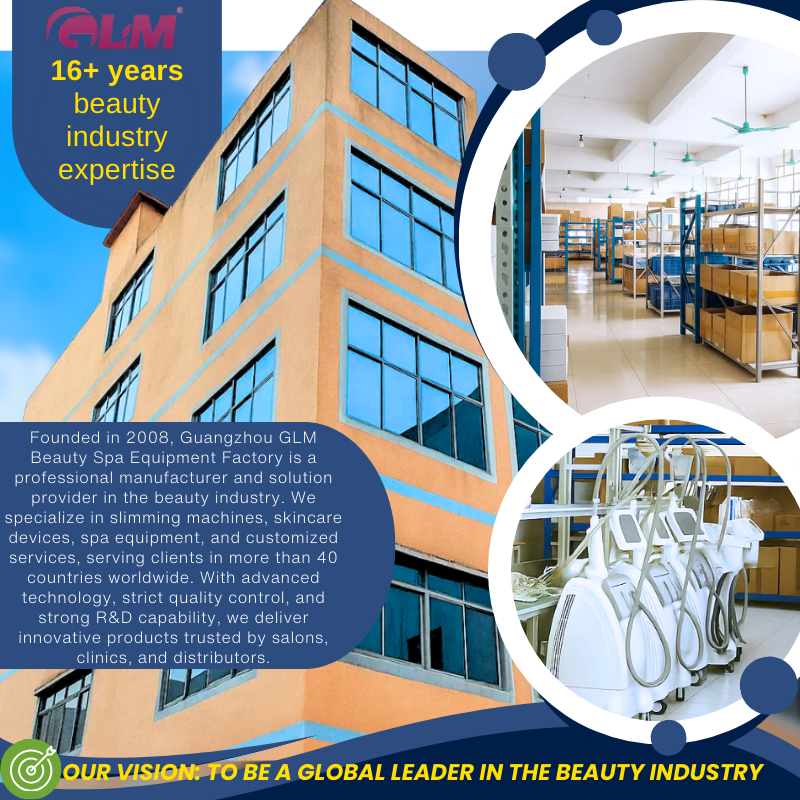
Founded in 2008, Guangzhou GLM Beauty Spa Equipment Factory specializes in research, development, manufacture and selling of beauty and slimming machines. Our production base is located in Guangzhou City, Guangdong Province, China. Since our foundation, we have introduced advanced technologies and equipment, to assure high quality and high performance of our products. With professional marketing guide and excellent after-sales service, our products have been exported to over 20 countries and regions, including Southeast Asia, the Middle East, Europe and the United States, won worldwide praises and gained a good reputation