Introduction
In today's aesthetic market, clients are no longer satisfied with treatments that simply improve skin hydration or temporarily brighten the complexion. Instead, they increasingly seek visible facial lifting, firmer contours, and natural-looking rejuvenation without surgery. This shift has driven rapid growth in energy-based facial technologies, particularly microcurrent and radio frequency (RF) treatments.
Although both technologies are frequently promoted as "non-invasive lifting" solutions, they operate through completely different biological mechanisms and produce different clinical outcomes. This often creates confusion among clinic owners, estheticians, and clients alike.
Should practitioners recommend microcurrent for every lifting concern? Is RF always the better choice for aging skin? Can these technologies complement one another instead of competing?
Understanding the differences is essential—not only for selecting the appropriate treatment protocol but also for investing in equipment that delivers measurable long-term value for professional aesthetic practices.
This article explores how microcurrent and RF technologies work, compares their clinical performance, and explains why many modern aesthetic clinics combine both modalities to provide personalized facial rejuvenation.
Background: Why Facial Lifting Requires More Than One Technology
Facial aging is a gradual process involving multiple tissue layers rather than a single cosmetic concern. Fine lines are only one visible symptom. Beneath the surface, several structural changes occur simultaneously:
- Reduced collagen and elastin production
- Weakening of facial support tissues
- Loss of skin elasticity
- Decreased muscle tone
- Redistribution of facial fat
- Slower cellular metabolism
- Reduced microcirculation
Because these changes occur at different anatomical depths, no single technology can address every aspect of facial aging.
For decades, surgical facelifts remained the gold standard for significant lifting. However, today's clients increasingly prefer treatments with:
- No downtime
- Minimal discomfort
- Natural-looking results
- Preventive anti-aging benefits
- Progressive improvements over time
Professional clinics therefore rely on multiple energy-based technologies rather than a single device to build customized treatment plans.
Among these options, microcurrent and RF have become two of the most frequently selected modalities because each targets a different biological process.
Technology & Mechanism
Understanding Microcurrent Technology
Microcurrent delivers extremely low-level electrical currents that closely resemble the body's own natural bioelectric signals.
Instead of generating heat, microcurrent stimulates neuromuscular activity and enhances cellular communication.
The treatment primarily focuses on:
- Facial muscles
- Neuromuscular junctions
- ATP production
- Lymphatic circulation
- Microcirculation
By stimulating facial muscles, microcurrent creates an immediate tightening effect that many clients notice after just one session.
Unlike thermal technologies, the skin temperature changes very little during treatment.
This explains why microcurrent is often described as a "facial workout
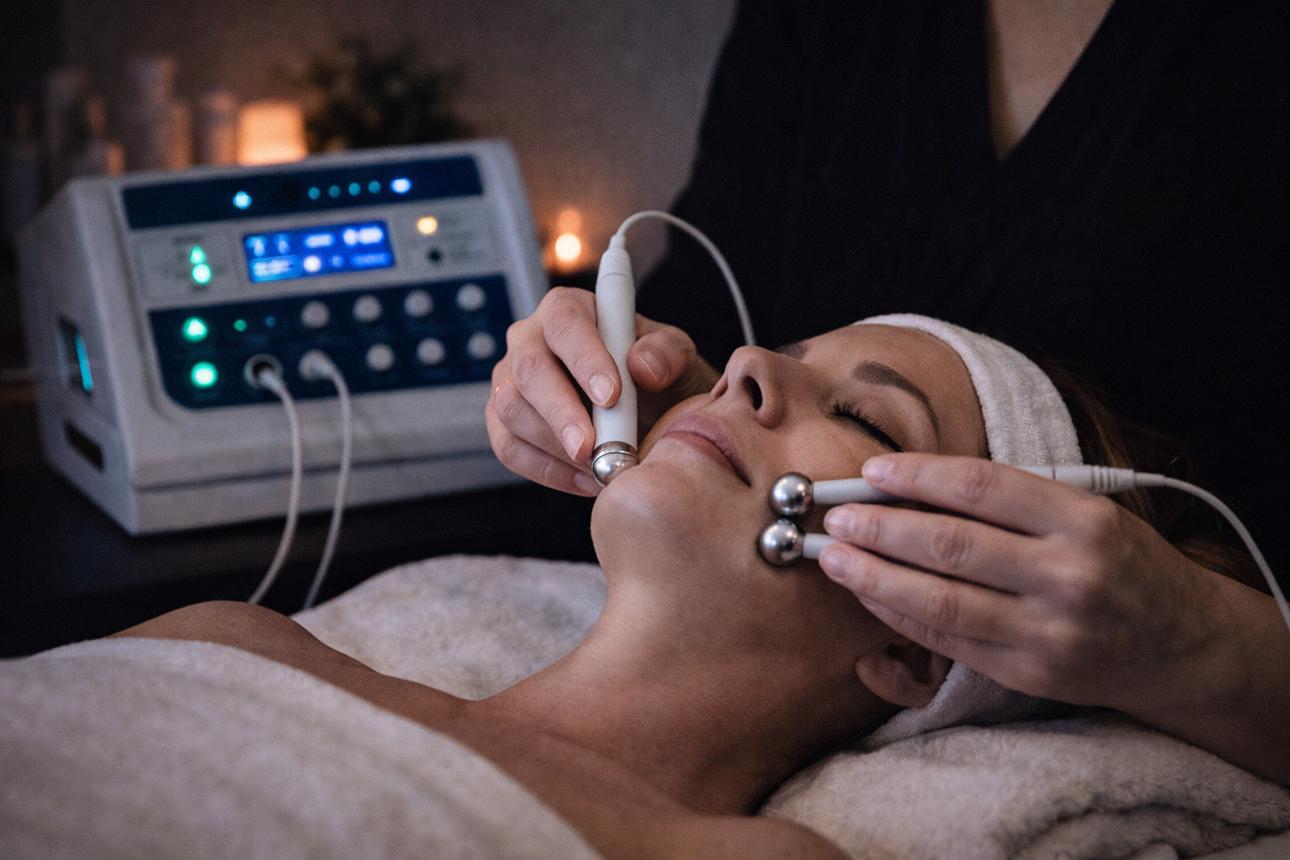
Professional devices provide adjustable waveforms and current intensity, allowing operators to customize treatments for different facial areas such as:
- Forehead
- Eyebrows
- Cheeks
- Jawline
- Neck
The result is improved muscle tone, enhanced circulation, and temporary lifting that is especially noticeable in younger clients with mild facial laxity.
Microcurrent is also valued because it is comfortable, requires virtually no recovery time, and can be incorporated into regular maintenance programs.
Understanding Radio Frequency (RF) Technology
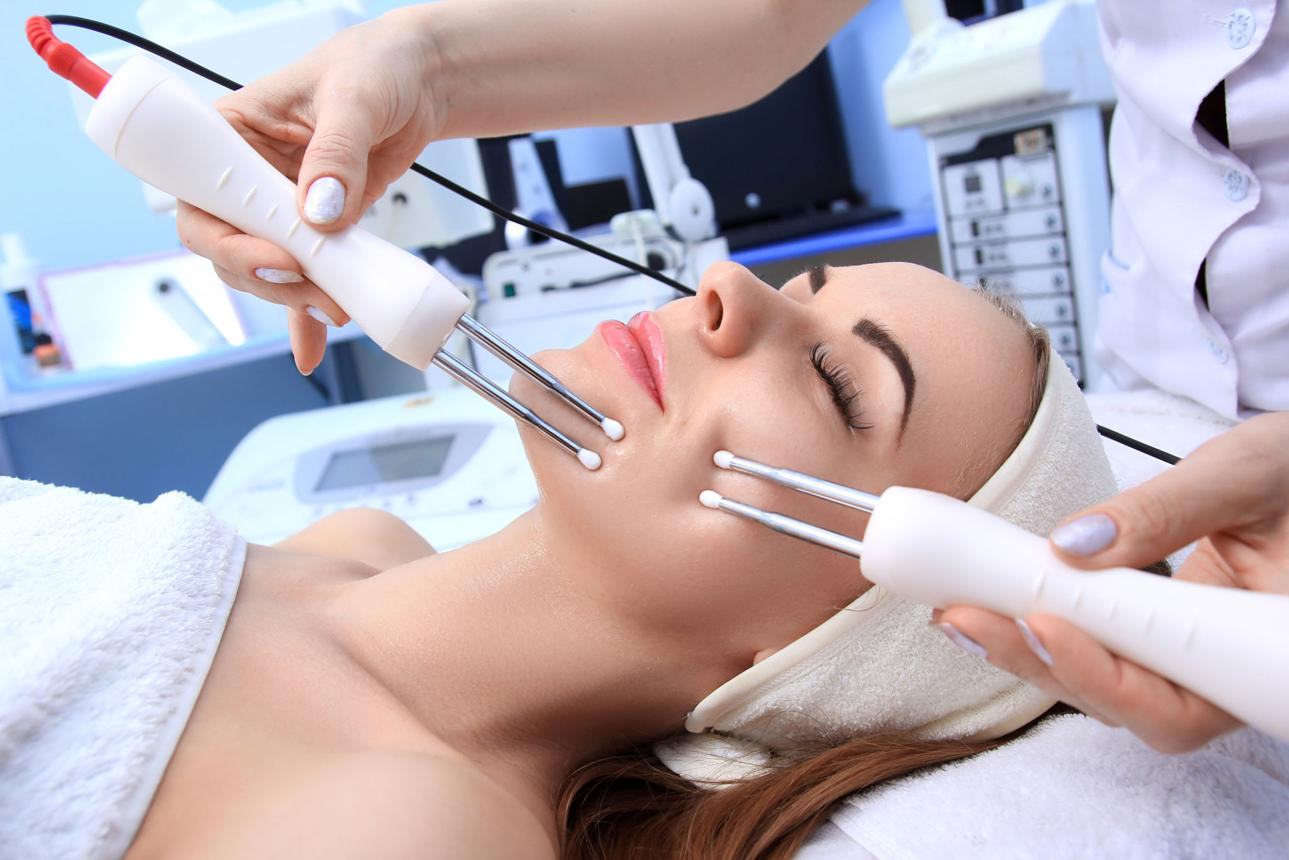
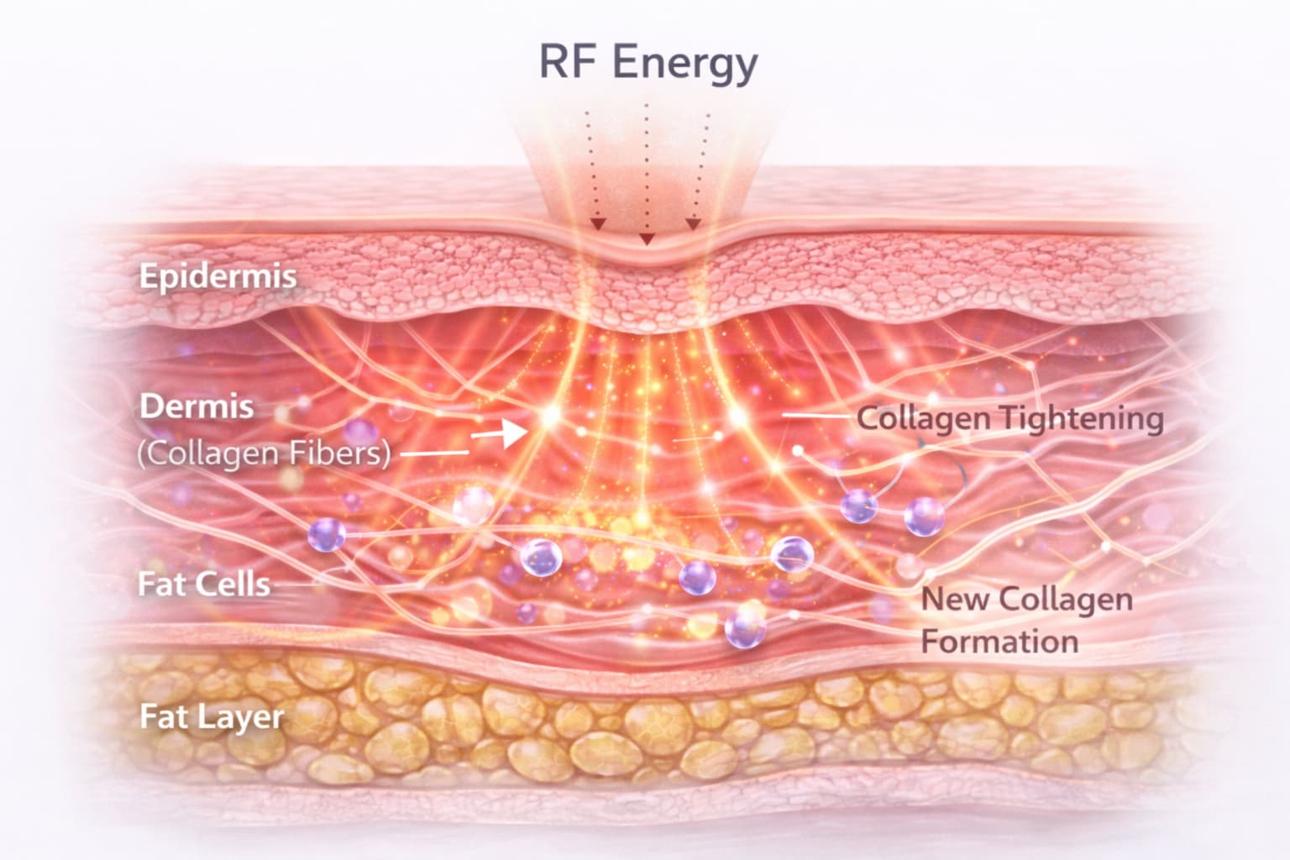
Unlike microcurrent, RF works primarily by generating controlled thermal energy within the dermis.
Instead of stimulating muscles, RF targets collagen-rich tissue beneath the skin surface.
The generated heat encourages several biological responses:
- Collagen contraction
- Fibroblast activation
- New collagen formation
- Elastin remodeling
- Improved dermal density
These structural improvements occur gradually over weeks and months rather than immediately after treatment.
As collagen regenerates, skin becomes firmer, smoother, and more elastic.
Professional RF systems carefully control treatment temperature to maximize collagen remodeling while maintaining client comfort and safety
Depending on system design, professional RF equipment may include:
- Bipolar RF
- Tripolar RF
- Multipolar RF
- Monopolar RF
- Vacuum-assisted RF
- RF combined with EMS, ultrasound, or LED therapy
These configurations allow clinics to address different treatment goals, ranging from mild skin tightening to more comprehensive facial contouring.
Because RF targets the dermal support structure rather than facial muscles, improvements tend to develop more gradually but also last longer when supported by appropriate treatment intervals.
Different Mechanisms, Different Results
Although both technologies are marketed as lifting treatments, they should not be viewed as interchangeable.
| Feature | Microcurrent | Radio Frequency |
|---|---|---|
| Primary Target | Facial muscles | Dermal collagen |
| Energy Type | Low-level electrical current | Controlled thermal energy |
| Main Effect | Muscle toning | Skin tightening |
| Immediate Results | High | Moderate |
| Long-Term Collagen Remodeling | Limited | Excellent |
| Comfort Level | Very high | High |
| Downtime | None | Minimal |
| Ideal Age | 25–40 | 35+ |
These differences explain why treatment recommendations should always be based on the client's skin condition rather than marketing claims.
For example, a younger client experiencing early facial fatigue may benefit most from microcurrent, while an individual with visible skin laxity and collagen loss is more likely to achieve meaningful long-term improvement through RF-based protocols.
Rather than asking which technology is "better," experienced practitioners assess the underlying cause of the concern and select the modality that addresses the relevant tissue layer.
In many professional settings, this layered approach forms the foundation of personalized facial rejuvenation programs
Advantages & Comparison
As aesthetic technologies continue to evolve, clinics are shifting away from one-size-fits-all treatments toward customized protocols that target different layers of facial aging. This is where understanding the strengths of both microcurrent and RF becomes essential.
Rather than competing technologies, they often serve different purposes within a comprehensive facial rejuvenation strategy.
When Microcurrent Is the Better Choice
Microcurrent excels at improving facial muscle activity and enhancing the appearance of lifted facial contours immediately after treatment.
For clients preparing for weddings, photo shoots, or important events, microcurrent is frequently selected because it delivers visible yet natural-looking improvements with virtually no downtime.
Typical treatment goals include:
- Refreshing tired-looking facial features
- Enhancing jawline definition
- Elevating the eyebrows
- Improving facial symmetry
- Reducing mild puffiness through lymphatic stimulation
- Maintaining youthful facial muscle tone
Because the treatment is gentle, many clinics incorporate microcurrent into weekly or bi-weekly maintenance programs.
However, practitioners should also set realistic expectations.
Microcurrent strengthens muscle performance but has limited influence on collagen remodeling. As skin aging progresses and structural collagen declines, muscle stimulation alone cannot fully restore firmness or elasticity.
When Radio Frequency Becomes More Effective
Radio frequency addresses one of the primary biological causes of visible aging: collagen degradation.
Instead of producing an instant lifting effect through muscle contraction, RF gradually rebuilds the skin's supporting framework.
Professional RF treatments are commonly recommended for clients experiencing:
- Moderate skin laxity
- Softening jawlines
- Nasolabial folds
- Reduced skin elasticity
- Fine lines and wrinkles
- Aging neck skin
- Loss of facial firmness
Results develop progressively over multiple sessions as new collagen fibers form within the dermis.
This makes RF particularly suitable for long-term anti-aging programs where structural improvement is the primary objective.
Another advantage is versatility.
Modern RF platforms often allow practitioners to adjust power, frequency, treatment depth, and electrode configurations to suit different facial regions and skin conditions.
For aesthetic clinics, this flexibility increases treatment customization while expanding service offerings.
Why Many Clinics Combine Both Technologies
The question is no longer Microcurrent or RF?
Instead, experienced practitioners increasingly ask:
How can both technologies work together?
Because they target different tissue layers, combining the two modalities often produces more comprehensive outcomes than using either technology alone.
A typical professional protocol may include:
- Step 1: RF to stimulate collagen remodeling and improve dermal firmness.
- Step 2: Microcurrent to tone facial muscles and refine contour definition.
- Step 3: LED therapy or skin infusion to support recovery and enhance overall skin quality.
This layered approach addresses both structural support and muscular tone, providing clients with immediate visual improvement alongside gradual, longer-lasting skin rejuvenation.
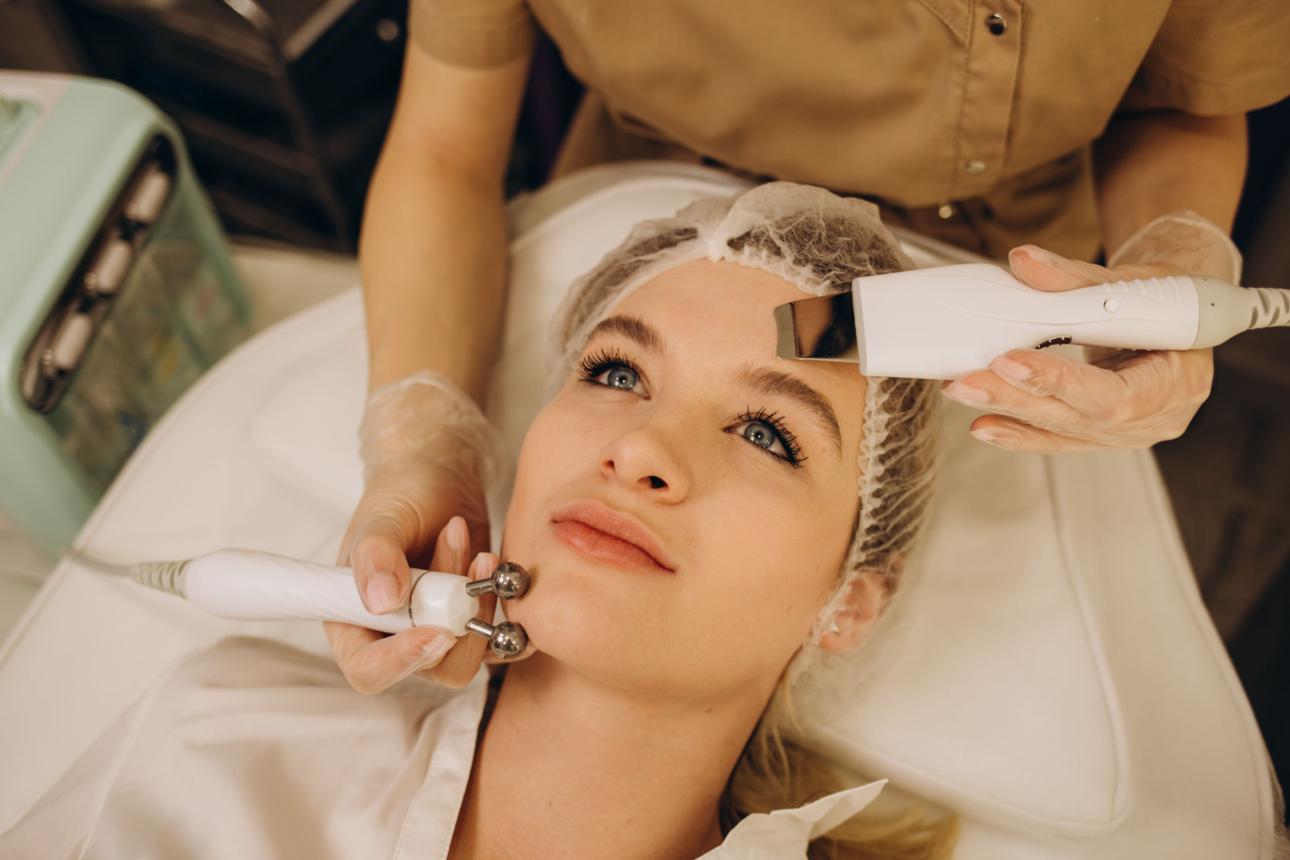
Many multifunctional aesthetic platforms now integrate RF, microcurrent, EMS, LED therapy, hydrodermabrasion, or electroporation into a single system. Such configurations help clinics streamline workflows, reduce equipment footprint, and offer customized treatment combinations based on individual client needs
Applications & Client Needs
Different clients present different concerns, and selecting the appropriate modality depends on age, skin condition, and treatment goals.
Clients in Their 20s–30s
Most younger clients are focused on prevention rather than correction.
Common concerns include:
- Facial fatigue
- Mild puffiness
- Early contour softening
- Preventive anti-aging
Microcurrent is often an effective option for maintaining muscle tone and enhancing facial definition before significant collagen loss occurs.
Clients in Their 35s–50s
As collagen production naturally declines, skin laxity becomes more noticeable.
Common concerns include:
- Reduced firmness
- Fine lines
- Mild to moderate sagging
- Less defined jawline
RF treatments become increasingly valuable by stimulating collagen production and improving dermal density over time.
Many practitioners combine RF with microcurrent to address both structural support and muscle tone.
Mature Clients
For clients with more advanced aging, a comprehensive treatment strategy is usually recommended.
Professional clinics may integrate:
- Radio Frequency
- Microcurrent
- EMS
- LED Light Therapy
- Skin Infusion
- Ultrasound
- Personalized skincare protocols
While no non-invasive treatment can replicate the results of surgical lifting, combining complementary technologies often produces meaningful improvements with minimal downtime.
This comprehensive approach also increases client satisfaction by offering personalized treatment plans rather than standardized procedures.
Conclusion
Microcurrent and Radio Frequency represent two of the most established energy modalities in modern aesthetic practice, but they are designed to solve different clinical challenges.
Microcurrent primarily enhances facial muscle activity, delivering immediate contour improvement and a refreshed appearance. Radio Frequency focuses on collagen remodeling, providing gradual but longer-lasting improvements in skin firmness and elasticity.
For professional aesthetic clinics, the most effective treatment strategies rarely rely on a single technology. Instead, practitioners evaluate each client's skin condition, aging pattern, and treatment objectives before selecting the most appropriate modality—or combining multiple modalities for a layered approach.
As demand for non-invasive facial rejuvenation continues to grow, investing in versatile, professional-grade energy devices enables clinics to deliver more personalized treatments, improve client outcomes, and expand service capabilities in an increasingly competitive market
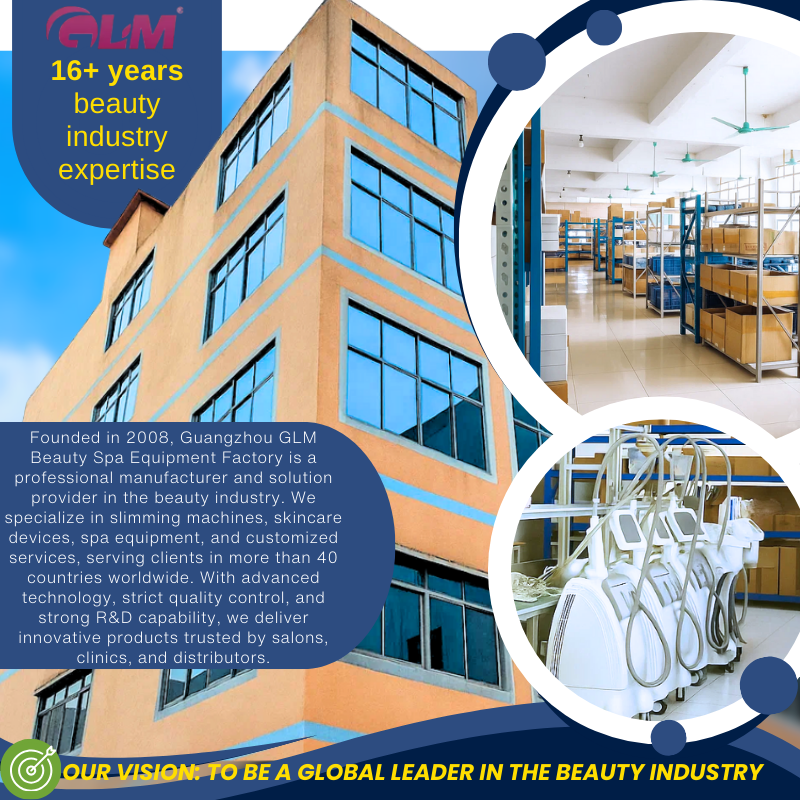
Founded in 2008, Guangzhou GLM Beauty Spa Equipment Factory specializes in research, development, manufacture and selling of beauty and slimming machines. Our production base is located in Guangzhou City, Guangdong Province, China. Since our foundation, we have introduced advanced technologies and equipment, to assure high quality and high performance of our products. With professional marketing guide and excellent after-sales service, our products have been exported to over 20 countries and regions, including Southeast Asia, the Middle East, Europe and the United States, won worldwide praises and gained a good reputation