Introduction
In today’s professional skincare industry, clients are becoming more educated about advanced facial treatments and expect visible improvements with minimal downtime. Among the most requested resurfacing procedures in beauty clinics and aesthetic centers, microdermabrasion and chemical peels remain two of the most widely used solutions for improving skin texture, tone, and overall appearance.
Although both treatments focus on skin renewal and exfoliation, they work in very different ways. Understanding the differences between these technologies is essential for beauty clinics, professional operators, and clients seeking personalized skincare solutions.
Modern aesthetic businesses are also facing increasing demand for multifunctional treatment systems that can address multiple skin concerns while maintaining treatment flexibility and operational efficiency. As a result, many professional clinics now integrate both microdermabrasion technologies and chemical peel protocols into their skincare programs.
Rather than competing directly, these two treatments often complement each other when applied correctly by trained professionals. The choice between microdermabrasion and chemical peels depends on several factors, including skin sensitivity, treatment goals, recovery expectations, and the overall condition of the skin.
For beauty clinics and equipment providers, understanding how these treatments differ helps create more targeted service offerings and improves client satisfaction in an increasingly competitive market.
Background / Problem
Modern consumers are exposed to multiple environmental and lifestyle factors that negatively affect skin quality. Pollution, UV radiation, stress, lack of sleep, hormonal imbalance, and poor skincare habits all contribute to common skin concerns such as:
- Uneven skin texture
- Dull complexion
- Enlarged pores
- Acne and acne scars
- Fine lines and early aging signs
- Hyperpigmentation
- Excessive oil production
- Rough or dehydrated skin
At the same time, many clients have become cautious about aggressive aesthetic procedures that require long recovery periods or create excessive discomfort.
This shift has created strong demand for non-surgical skin resurfacing treatments that can improve skin quality while fitting into busy modern lifestyles.
Two professional approaches dominate this category:
- Mechanical exfoliation through microdermabrasion
- Controlled chemical exfoliation through chemical peels
Although both aim to renew the skin surface, they are suitable for different client needs and skin conditions.
Another challenge for clinics is that clients increasingly expect customized treatment experiences rather than one-size-fits-all procedures. Professional operators must evaluate skin type, sensitivity, treatment history, and recovery tolerance before recommending an appropriate solution.
This is why professional beauty equipment and trained practitioners play such an important role. Unlike home-use skincare devices or over-the-counter peel products, professional systems allow more precise treatment control, safer energy or ingredient management, and better treatment consistency.
As aesthetic technology continues to evolve, clinics are increasingly combining advanced microdermabrasion systems, hydro-facial technologies, serum infusion systems, and customized chemical peel protocols to deliver more comprehensive skincare programs.
Technology / Mechanism
Although microdermabrasion and chemical peels are both resurfacing treatments, their working mechanisms are fundamentally different.
How Microdermabrasion Works
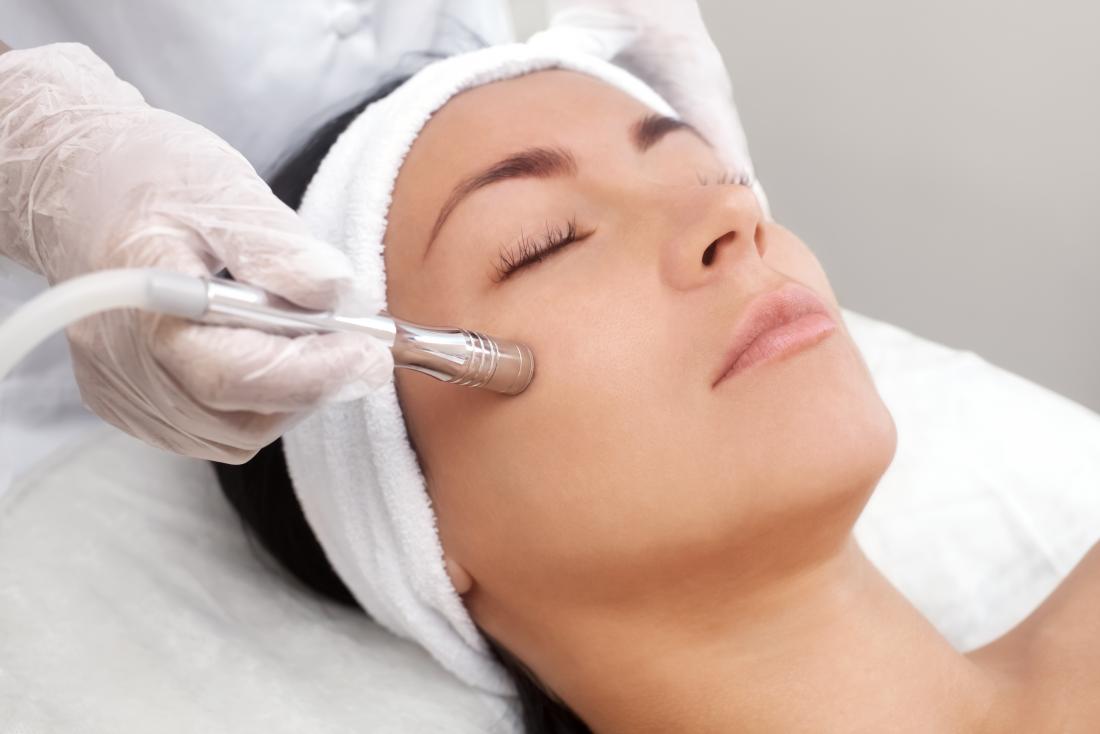
Microdermabrasion is a non-invasive mechanical exfoliation treatment designed to remove dead skin cells from the outer layer of the skin.
Professional microdermabrasion systems typically use one of two technologies:
- Crystal-based exfoliation
- Diamond-tip exfoliation
Modern aesthetic clinics increasingly prefer diamond-tip systems because they offer cleaner operation, adjustable intensity, and more controlled treatment precision.
During treatment, the device gently exfoliates the skin surface while simultaneously using vacuum suction to remove dead skin cells, excess oil, and debris.
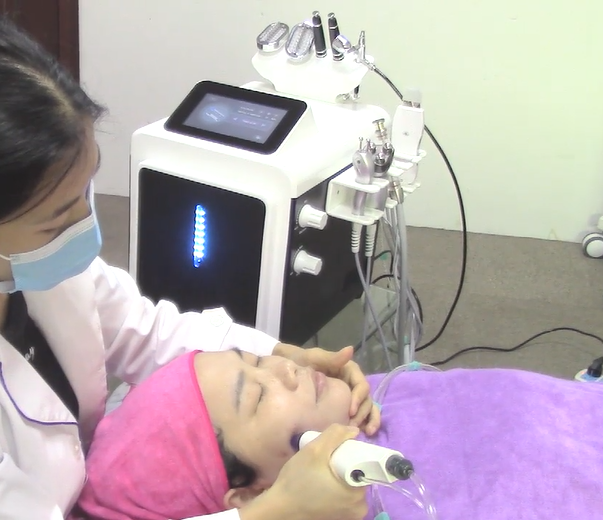
Advanced multifunctional systems may also combine:
- Hydro dermabrasion
- Oxygen infusion
- Serum delivery
- Cooling therapy
- LED light therapy
These integrated technologies help improve hydration, treatment comfort, and post-treatment skin balance.
Key Benefits of Microdermabrasion Technology
Microdermabrasion mainly targets the superficial skin layer and is commonly used for:
- Skin texture refinement
- Mild acne marks
- Dull skin improvement
- Pore cleansing
- Oil balance support
- Enhancing skincare absorption
Because the treatment is relatively gentle, many clients choose it as part of routine monthly skin maintenance programs.
How Chemical Peels Work
Chemical peels use specialized acid-based formulations to create controlled exfoliation and stimulate skin renewal.
Depending on the peel strength, different layers of the skin can be targeted.
Professional chemical peels are generally divided into:
- Superficial peels
- Medium-depth peels
- Deep peels
Common ingredients include:
- Glycolic acid
- Salicylic acid
- Lactic acid
- Mandelic acid
- Trichloroacetic acid (TCA)
The selected formulation depends on the client’s skin condition and treatment goals.
Unlike microdermabrasion, which physically exfoliates the skin surface, chemical peels work by dissolving connections between dead skin cells, allowing damaged skin layers to shed more effectively.
Why Professional Supervision Matters
Chemical peels require professional knowledge and careful skin evaluation. Incorrect acid selection or overexposure can increase irritation risks, especially for sensitive skin types.
Professional clinics use controlled protocols, neutralization procedures, and post-treatment care systems to improve both safety and treatment outcomes.
Advanced clinics may also combine chemical peels with cooling technologies, LED phototherapy, or hydration systems to improve skin recovery and client comfort.
Advantages / Comparison
Both microdermabrasion and chemical peels offer important benefits, but they are designed for different treatment strategies.
Treatment Comfort
Microdermabrasion is generally considered the gentler option. Most clients experience minimal discomfort and little to no downtime.
Chemical peels may create temporary redness, peeling, tightness, or sensitivity depending on peel strength.
For clients seeking quick treatments with immediate return to daily activities, microdermabrasion is often preferred.
Depth of Treatment
Chemical peels can penetrate more deeply into the skin compared with microdermabrasion.
This makes chemical peels more effective for:
- Pigmentation issues
- Deeper acne scars
- Fine lines
- Sun damage
- More advanced skin concerns
Microdermabrasion, on the other hand, is better suited for surface-level skin maintenance and regular exfoliation.
Skin Sensitivity Considerations
Clients with highly sensitive or reactive skin may tolerate microdermabrasion more comfortably when performed with professional equipment and appropriate suction settings.
Some chemical peels may be too aggressive for certain skin types if not carefully customized.
Professional assessment is essential for minimizing risks.
Recovery and Downtime
One of the major advantages of microdermabrasion is the minimal recovery period.
Many clients schedule treatments during lunch breaks or before events because the skin usually appears fresher immediately after treatment.
Chemical peels often require more recovery time depending on treatment depth.
This makes proper client consultation and expectation management especially important in clinic settings.
Combination Treatment Potential
Modern beauty clinics increasingly combine technologies rather than relying on single standalone procedures.
Microdermabrasion systems integrate easily with:
- Hydro facial systems
- Oxygen therapy
- LED phototherapy
- Serum infusion
- Cooling systems
Chemical peels can also be incorporated into larger skin management programs when carefully planned.
The ability to combine treatments allows clinics to create highly customized skincare solutions while maximizing equipment versatility.
Long-Term Skin Management
Microdermabrasion is often used as part of ongoing maintenance programs because of its gentle nature and consistent client acceptance.
Chemical peels are typically scheduled less frequently but may provide stronger corrective effects for specific skin concerns.
Many professional clinics strategically use both treatments within phased skincare plans.
Applications / Client Needs
Understanding client goals is essential when choosing between microdermabrasion and chemical peels.
Different skin concerns require different treatment strategies.
Clients Seeking Gentle Skin Refreshing
Clients who want brighter skin, smoother texture, and light exfoliation with minimal downtime often prefer microdermabrasion.
Professional hydro dermabrasion systems are especially popular in beauty salons because they combine cleansing, exfoliation, hydration, and serum infusion in one treatment session.
This creates a comfortable and relaxing client experience while improving visible skin freshness.
Acne and Congested Skin Management
Both treatments can help acne-prone skin, but their applications differ.
Microdermabrasion may help improve superficial congestion and oil control.
Chemical peels containing salicylic acid are often more effective for inflammatory acne and pore purification.
Professional operators must evaluate acne severity carefully before selecting treatment protocols.
Anti-Aging and Skin Renewal Programs
For clients concerned about early aging signs, clinics often combine multiple technologies.
Microdermabrasion can improve surface smoothness and skincare absorption, while chemical peels may support deeper skin renewal and pigmentation correction.
Combining these treatments with LED therapy, oxygen infusion, or radio frequency technologies can further enhance treatment outcomes.
Sensitive Skin Clients
Sensitive skin clients typically require more cautious treatment planning.
Modern diamond-tip microdermabrasion systems with adjustable suction levels allow professional operators to customize treatment intensity more safely.
Aggressive chemical peels may not always be suitable for reactive skin types.
Premium Clinic Services
In high-end beauty clinics, treatment experience is just as important as treatment results.
Multifunctional aesthetic systems that integrate exfoliation, hydration, cooling, and phototherapy technologies help clinics create premium skincare programs with greater operational flexibility.
Clients increasingly prefer customized treatment journeys rather than isolated single procedures.
For clinics, investing in multifunctional professional equipment helps expand treatment menus while improving space efficiency and client retention.
Why Professional Treatments Outperform Home Solutions
Although home exfoliation products and consumer skincare devices have become increasingly common, professional clinic treatments continue to provide several major advantages:
- Stronger treatment precision
- Better safety management
- Professional skin analysis
- Adjustable treatment intensity
- Advanced multifunctional technologies
- Higher-quality treatment consistency
Most importantly, trained operators can adapt treatments based on real-time skin response, something home-use products cannot achieve effectively.
This professional customization remains one of the biggest advantages of clinic-based skincare services.
Conclusion
Microdermabrasion and chemical peels are both highly valuable tools in modern professional skincare, but they serve different purposes within aesthetic treatment programs.
Microdermabrasion offers gentle, non-invasive exfoliation that is ideal for regular skin maintenance, hydration-focused facials, and clients seeking minimal downtime. Chemical peels provide deeper corrective potential for pigmentation, acne, and advanced skin renewal needs.
Rather than viewing these treatments as direct competitors, modern beauty clinics increasingly use them as complementary technologies within personalized skincare programs.
As consumer expectations continue evolving, professional aesthetic centers benefit from flexible treatment systems that allow customized care, combination therapies, and enhanced client comfort.
For clinics and beauty equipment providers, advanced multifunctional skincare devices represent not only a treatment solution, but also an opportunity to improve operational efficiency, service diversity, and long-term client satisfaction in the growing aesthetics market.
Founded in 2008, Guangzhou GLM Beauty Spa Equipment Factory specializes in research, development, manufacture and selling of beauty and slimming machines. Our production base is located in Guangzhou City, Guangdong Province, China. Since our foundation, we have introduced advanced technologies and equipment, to assure high quality and high performance of our products. With professional marketing guide and excellent after-sales service, our products have been exported to over 20 countries and regions, including Southeast Asia, the Middle East, Europe and the United States, won worldwide praises and gained a good reputation.