Introduction
In professional skincare, exfoliation remains one of the most requested treatment categories across beauty salons, medical spas, and aesthetic clinics. Clients increasingly seek procedures that can improve dull skin, uneven texture, enlarged pores, acne marks, and early signs of aging without extended downtime. Among the most established options, microdermabrasion and chemical peels continue to dominate professional treatment menus.
Although both procedures aim to renew the skin by removing damaged surface layers, they differ significantly in technology, treatment depth, client experience, recovery time, and equipment requirements. For clinic owners and professional operators, understanding these differences is essential when designing treatment programs that match varying skin conditions and customer expectations.
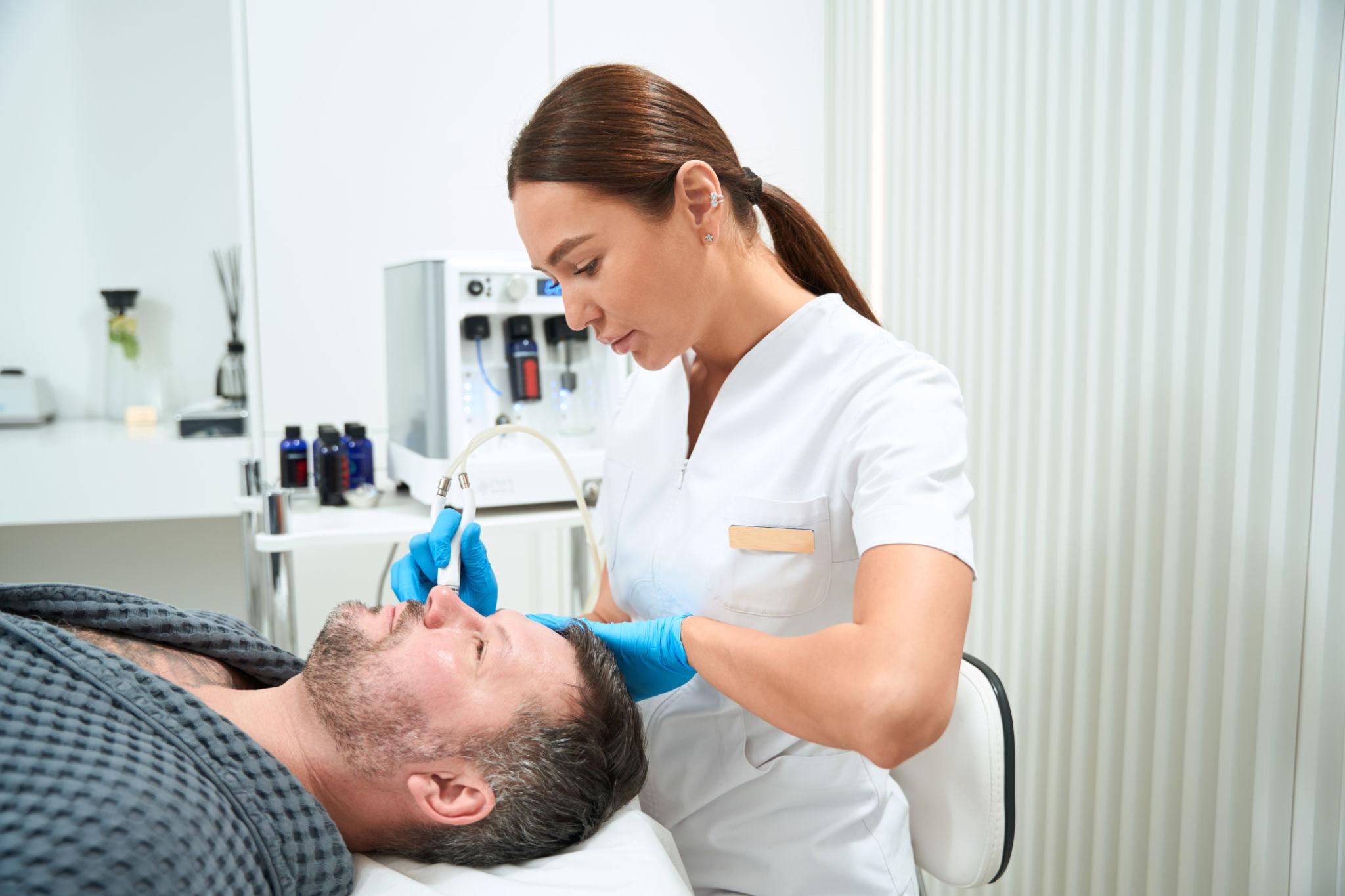
Modern aesthetic practices are no longer focused solely on basic exfoliation. Today’s professional environments emphasize controlled treatment protocols, device precision, safety management, customizable intensity, and combination therapies. As a result, advanced skin treatment equipment has become increasingly important in delivering consistent clinical-quality outcomes.
This article explores the differences between microdermabrasion and chemical peels, including their working principles, advantages, limitations, ideal applications, and why professional treatment systems continue to play a critical role in modern skincare clinics.
Background and Common Skin Concerns
The skin naturally renews itself through cellular turnover. However, factors such as aging, environmental pollution, UV exposure, stress, hormonal imbalance, and improper skincare can slow this process over time. Dead skin cells accumulate on the surface, leading to:
- Rough skin texture
- Dull complexion
- Congested pores
- Acne breakouts
- Fine lines
- Uneven pigmentation
- Reduced skincare absorption
For professional skincare clinics, these concerns represent some of the most common reasons clients seek facial treatments.
Traditional home exfoliation products often provide only superficial results because they lack treatment precision and controlled intensity. Over-exfoliation at home can also compromise the skin barrier, especially when acids or abrasive scrubs are improperly used.
Professional exfoliation technologies offer a more controlled and targeted approach. Among them, microdermabrasion and chemical peels are considered two foundational treatment categories because they can address a wide range of skin conditions while being adaptable to different treatment plans.
However, choosing between the two depends on several clinical factors:
- Skin sensitivity
- Fitzpatrick skin type
- Acne severity
- Pigmentation depth
- Client downtime tolerance
- Desired treatment speed
- Combination treatment goals
For this reason, experienced clinics rarely rely on a single treatment method. Instead, many professional operators integrate both technologies into customized skin management programs.
The Technology Behind Microdermabrasion
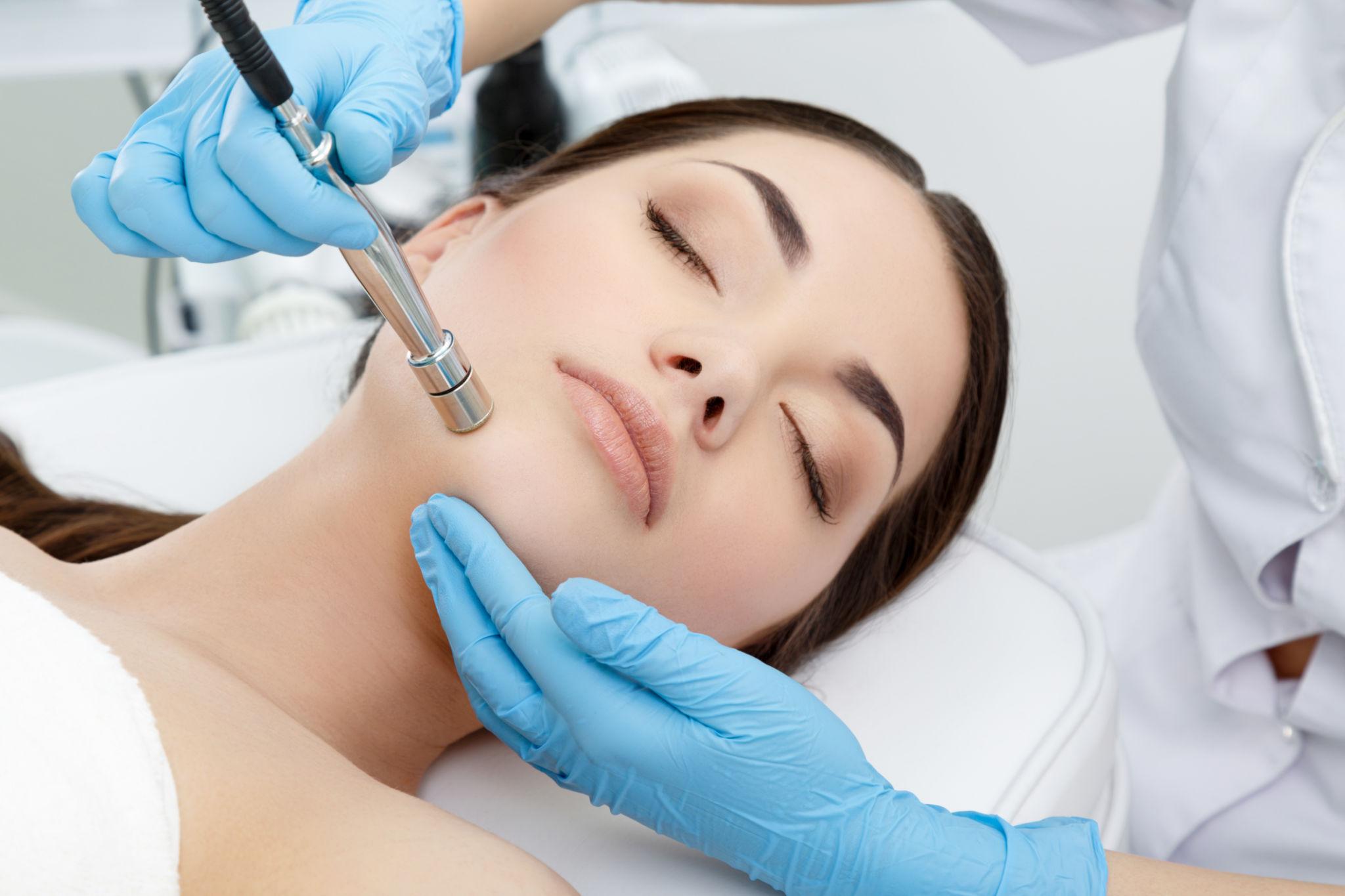
Microdermabrasion is a non-invasive mechanical exfoliation procedure designed to remove the outermost layer of dead skin cells using controlled abrasion technology.
Modern professional microdermabrasion systems commonly use:
- Diamond-tip abrasion
- Crystal-based exfoliation
- Vacuum suction technology
- Hydro-dermabrasion integration
- Adjustable pressure control
Among these, diamond microdermabrasion has become especially popular in professional clinics due to its cleaner operation, precision control, and compatibility with sensitive skin protocols.
During treatment, the device gently exfoliates the epidermis while vacuum suction removes debris, oil, and dead skin cells from the skin surface. This controlled mechanical action stimulates circulation and encourages skin renewal without introducing chemical agents.
Key Functional Mechanisms
Physical Exfoliation
The abrasive surface removes superficial dead skin buildup, helping improve texture and brightness.
Vacuum Stimulation
Integrated suction technology promotes circulation and lymphatic movement while assisting pore cleansing.
Enhanced Product Absorption
By removing surface barriers, post-treatment serums and skincare products can penetrate more effectively.
Controlled Treatment Intensity
Professional systems allow operators to adjust suction levels, treatment depth, and applicator selection according to skin condition.
Compared with home-use exfoliation tools, professional microdermabrasion devices provide significantly greater treatment consistency, hygiene standards, and operational precision.
The Science Behind Chemical Peels
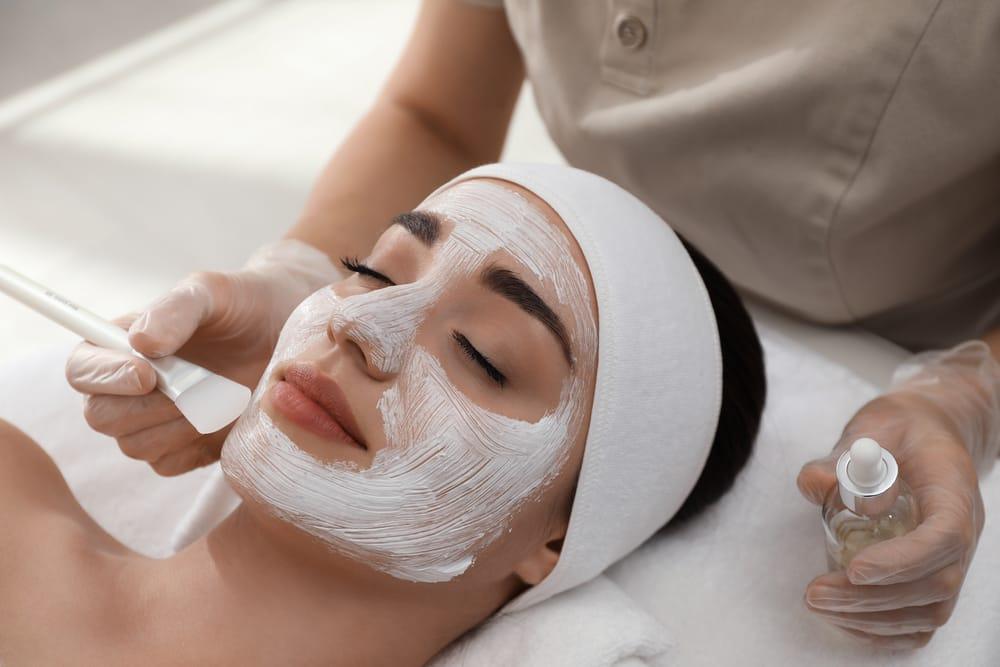
Chemical peels use carefully formulated acids to dissolve dead skin cells and stimulate controlled skin regeneration. Unlike microdermabrasion, which relies on physical exfoliation, chemical peels work through biochemical reactions within the skin.
Different peel formulations target different treatment depths and concerns.
Common Professional Peel Ingredients
Alpha Hydroxy Acids (AHAs)
Including glycolic acid and lactic acid, commonly used for:
- Dull skin
- Fine lines
- Uneven tone
- Mild pigmentation
Beta Hydroxy Acids (BHAs)
Salicylic acid is widely used for:
- Oily skin
- Acne-prone skin
- Congested pores
Trichloroacetic Acid (TCA)
Used in medium-depth professional resurfacing protocols for more advanced correction.
Combination Acid Systems
Modern clinics often use blended formulations for customized treatment outcomes.
Chemical peels create a controlled injury response within the skin. As the damaged outer layers shed, newer and healthier skin gradually replaces them.
The depth of penetration depends on:
- Acid type
- Concentration
- pH level
- Application time
- Skin preparation
- Operator expertise
Because of these variables, professional supervision is extremely important for safety and treatment consistency.
Microdermabrasion vs Chemical Peels: Major Differences
Although both treatments improve skin renewal, their mechanisms and treatment experiences differ considerably.
Treatment Method
Microdermabrasion
- Mechanical exfoliation
- Device-based treatment
- Surface-level resurfacing
Chemical Peels
- Chemical exfoliation
- Acid-based resurfacing
- Variable treatment depth
Downtime
Microdermabrasion
Most clients experience minimal redness with little to no downtime. This makes it highly attractive for regular maintenance facials and lunchtime treatments.
Chemical Peels
Downtime varies depending on peel depth. Mild peels may involve slight flaking, while stronger peels can require several days of visible peeling and recovery.
Skin Sensitivity
Microdermabrasion
Often better tolerated by sensitive clients when performed correctly with professional equipment.
Chemical Peels
Some skin types may experience irritation, peeling, or post-inflammatory pigmentation if protocols are not properly selected.
Treatment Precision
Advanced microdermabrasion systems allow operators to precisely control:
- Suction intensity
- Abrasion level
- Treatment area focus
Chemical peels require precise timing, formulation knowledge, and skin assessment skills to avoid complications.
Treatment Goals
Microdermabrasion Is Often Preferred For:
- Mild texture concerns
- Enlarged pores
- Maintenance facials
- Sensitive skin
- Instant glow treatments
Chemical Peels Are Commonly Used For:
- Hyperpigmentation
- Acne scarring
- Advanced sun damage
- Uneven tone
- More intensive resurfacing
Why Professional Equipment Matters
As client expectations rise, treatment quality increasingly depends on the sophistication of professional equipment and operator expertise.
Modern aesthetic clinics are moving away from basic manual exfoliation toward integrated multi-functional systems that combine:
- Hydro dermabrasion
- Vacuum therapy
- Serum infusion
- Oxygen delivery
- LED therapy
- Skin analysis technologies
These advanced systems allow clinics to create customized treatment protocols rather than relying on a single exfoliation method.
Advantages of Professional Microdermabrasion Systems
Consistent Treatment Control
Professional-grade machines offer stable suction output and precise depth adjustment.
Improved Hygiene
Advanced filtration and vacuum systems reduce contamination risks.
Multi-Function Integration
Many modern systems combine exfoliation with hydration and skin rejuvenation technologies.
Better Client Comfort
Professional systems are designed for smoother operation and reduced irritation.
Higher Treatment Efficiency
Professional devices can deliver visible skin improvement with shorter recovery periods.
For clinics and salons, investing in reliable aesthetic equipment not only improves treatment quality but also expands service flexibility and client retention opportunities.
Clinical Applications in Professional Settings
Both microdermabrasion and chemical peels are widely used across beauty salons, aesthetic centers, dermatology clinics, and medical spas.
Microdermabrasion Applications
Routine Skin Maintenance
Ideal for clients seeking regular skin refreshing without downtime.
Pre-Treatment Preparation
Often used before hydrating or anti-aging procedures to improve product penetration.
Combination Facial Protocols
Frequently integrated with oxygen infusion, RF therapy, or LED treatments.
Younger Client Demographics
Popular among clients with early-stage skin concerns.
Chemical Peel Applications
Acne Management Programs
Salicylic acid peels remain common in professional acne treatment protocols.
Pigmentation Correction
Used for sun damage, melasma, and post-inflammatory pigmentation management.
Skin Resurfacing Programs
Medium-depth peels can support collagen remodeling and visible rejuvenation.
Advanced Corrective Treatments
Often incorporated into clinic-based anti-aging programs.
Choosing the Right Treatment for Different Clients
No single treatment is universally ideal for every client. Professional consultation remains essential for determining the most appropriate exfoliation approach.
Microdermabrasion May Be Better For Clients Who:
- Want minimal downtime
- Have sensitive skin
- Need frequent maintenance
- Prefer non-chemical treatments
- Seek immediate skin smoothness
Chemical Peels May Be Better For Clients Who:
- Have deeper pigmentation issues
- Need stronger resurfacing
- Experience persistent acne
- Want more dramatic correction
- Can tolerate recovery periods
In many professional clinics, the most effective strategy is not choosing one over the other, but combining both technologies within long-term treatment planning.
The Growing Demand for Professional Exfoliation Technologies
The global aesthetics industry continues to shift toward non-invasive and low-downtime skin rejuvenation procedures. Clients increasingly expect visible results without aggressive surgical intervention.
As a result, professional clinics are investing in advanced skincare systems capable of delivering:
- Customizable treatments
- Safer protocols
- Multi-functional integration
- Consistent outcomes
- Enhanced client comfort
Microdermabrasion technology has evolved significantly from early crystal systems into sophisticated hydro dermabrasion and vacuum-assisted platforms. Similarly, chemical peel protocols have become more targeted and scientifically refined.
This evolution reflects a broader industry trend: combining operator expertise with advanced technology to create safer, more personalized skincare experiences.
Conclusion
Microdermabrasion and chemical peels remain two of the most important exfoliation treatments in professional skincare. While both aim to improve skin renewal and texture, they differ in mechanism, treatment depth, downtime, and ideal applications.
Microdermabrasion offers controlled mechanical exfoliation with minimal recovery time, making it highly suitable for routine maintenance and sensitive skin protocols. Chemical peels provide deeper corrective potential for pigmentation, acne, and advanced resurfacing needs.
For modern beauty clinics and aesthetic professionals, success increasingly depends on offering flexible, customized treatment solutions supported by reliable professional equipment. Advanced aesthetic systems not only improve treatment precision and safety but also help clinics meet growing client expectations for visible yet comfortable skin rejuvenation.
Ultimately, the most effective skincare strategies are rarely based on a single treatment alone. Instead, professional operators achieve the best outcomes by combining technology, clinical assessment, and individualized treatment planning.
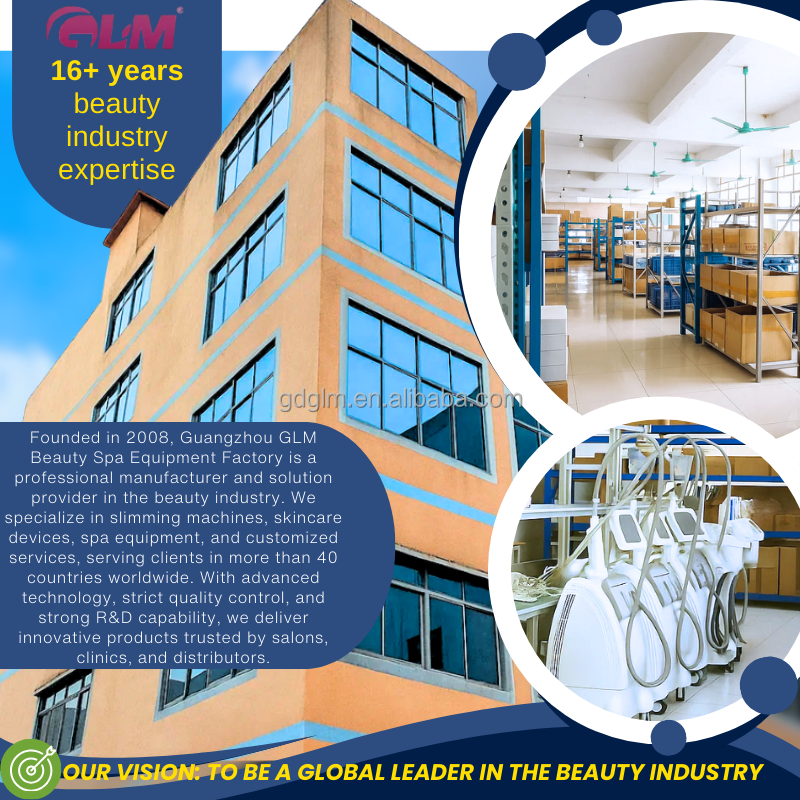
Founded in 2008, Guangzhou GLM Beauty Spa Equipment Factory specializes in research, development, manufacture and selling of beauty and slimming machines. Our production base is located in Guangzhou City, Guangdong Province, China. Since our foundation, we have introduced advanced technologies and equipment, to assure high quality and high performance of our products. With professional marketing guide and excellent after-sales service, our products have been exported to over 20 countries and regions, including Southeast Asia, the Middle East, Europe and the United States, won worldwide praises and gained a good reputation.