Microneedle Therapy Side Effects: A Comprehensive Guide to Understanding, Managing, and Optimizing Results
Microneedle therapy, also known as microneedling or collagen induction therapy (CIT), has emerged as a cornerstone in aesthetic medicine for its ability to rejuvenate skin, reduce scarring, and even stimulate hair growth. While its minimally invasive nature makes it appealing, understanding its potential side effects and how to mitigate them is paramount for achieving safe, effective outcomes. This revised guide delves deeper into the science, risks, and best practices surrounding microneedling, empowering patients and practitioners alike to navigate this treatment with confidence.

What Is Microneedle Therapy?
Microneedling involves the use of a device equipped with fine, sterile needles to create controlled micro-injuries in the skin. These punctures, typically ranging from 0.25mm to 3mm in depth, trigger the body’s wound-healing cascade, stimulating fibroblast activity and increasing the production of collagen and elastin—key proteins responsible for skin structure and elasticity.
Types of Microneedling Devices
- Derma Rollers: Handheld devices with cylindrical drums covered in needles. Suitable for home use but limited in depth control.
- Derma Pens: Motorized devices with adjustable needle lengths, allowing for precise targeting of specific skin concerns.
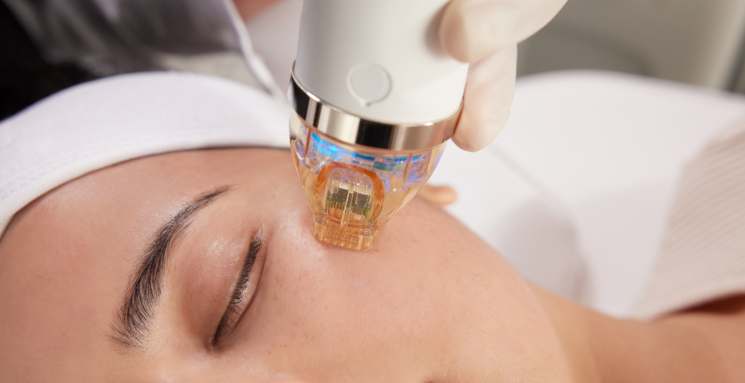
- RF Microneedling: Combines traditional microneedling with radiofrequency (RF) energy to enhance collagen production and tighten skin.
Indications for Microneedling
- Skin Rejuvenation: Fine lines, wrinkles, and uneven texture.
- Scar Revision: Acne scars, surgical scars, and stretch marks.
- Pigmentation Issues: Melasma, post-inflammatory hyperpigmentation (PIH).
- Hair Loss: Androgenetic alopecia (via scalp treatments).
- Pore Reduction: Minimizing enlarged pores.
Common Side Effects of Microneedling
While microneedling is generally safe, side effects can vary based on needle depth, technique, and individual skin sensitivity.
1. Immediate Post-Treatment Reactions
- Erythema (Redness): Lasts 24–72 hours, resembling a mild sunburn. More pronounced with deeper needle depths.
- Edema (Swelling): Common around the eyes and cheeks, resolving within 1–3 days.
- Pinpoint Bleeding: Expected with needles ≥1mm, ceasing within minutes.
- Dryness and Tightness: Results from transient epidermal barrier disruption.
2. Short-Term Healing Phase (3–7 Days)
- Scabbing/Flaking: Peeling occurs as the stratum corneum regenerates.
- Itching: Part of the healing process; avoid scratching.
- Mild Acne Flare-Ups: Occurs due to increased cellular turnover and pore occlusion.
3. Long-Term Considerations
- Post-Inflammatory Hyperpigmentation (PIH): More common in Fitzpatrick skin types IV–VI.
- Hypopigmentation: Rare, often due to over-aggressive treatment.
- Scarring: Extremely rare (<1% risk) when performed by trained professionals.
Less Common but Serious Risks
- Infection: Bacterial or viral (e.g., herpes simplex) if sterile techniques are not followed.
- Allergic Reactions: To topical anesthetics (e.g., lidocaine), serums, or post-care products.
- Granulomas: Inflammatory nodules from foreign body reactions to needle material.
- Systemic Effects: Rarely, bloodborne pathogens if equipment is not properly sterilized.
Factors Influencing Side Effects
- Needle Depth: Deeper treatments (≥1.5mm) increase the risk of bleeding, infection, and PIH.
- Frequency of Sessions: Over-treating (e.g., sessions <4 weeks apart) can compromise skin integrity.
- Patient Factors:
- Skin Type: Darker skin tones are at higher risk for PIH.
- Medical History: History of keloids, herpes simplex, or bleeding disorders.
- Post-Care Compliance: Poor adherence to aftercare instructions (e.g., sun exposure, harsh products).
Best Practices for Managing Side Effects
Pre-Treatment Preparation
- Consultation: A thorough medical history and skin analysis to assess suitability.
- Patch Testing: For topical anesthetics or serums, especially in sensitive individuals.
- Avoidance of Irritants: Discontinue retinoids, AHAs/BHAs, and blood thinners 5–7 days pre-treatment.
- Viral Prophylaxis: Antiviral medication (e.g., valacyclovir) for patients with a history of cold sores.
Intra-Treatment Protocols
- Sterile Technique: Single-use needles and proper skin disinfection (e.g., chlorhexidine).
- Topical Anesthesia: Lidocaine/prilocaine cream (20–30 minutes pre-treatment) to enhance comfort.
- Needle Depth Adjustment: Tailored to skin type and concern (e.g., 0.5mm for PIH, 1.5–2.0mm for acne scars).
Post-Treatment Care
- First 24 Hours:
- Apply a hydrating, occlusive balm (e.g., petroleum jelly) to prevent trans-epidermal water loss (TEWL).
- Avoid makeup, hot showers, and exercise.
- Days 1–3:
- Cleanse with a gentle, pH-balanced cleanser.
- Use soothing serums containing hyaluronic acid, centella asiatica, or copper peptides.
- Apply broad-spectrum sunscreen (SPF 50+) every 2 hours if outdoors.
- Days 4–7:
- Gradually reintroduce gentle skincare products (e.g., ceramide-based moisturizers).
- Avoid exfoliants, retinoids, and vitamin C until full re-epithelialization.

When to Seek Medical Attention
- Signs of Infection: Fever, purulent discharge, or spreading redness.
- Allergic Reactions: Hives, swelling of the face/tongue, or difficulty breathing.
- Wound Healing Issues: Non-healing areas, excessive crusting, or odor.
Optimizing Microneedling Outcomes
- Combine with Other Modalities:
- Topicals: Growth factors, platelet-rich plasma (PRP), or tranexamic acid.
- Energy-Based Devices: RF microneedling or low-level light therapy (LLLT) for enhanced results.
- Patient Education: Emphasize the importance of post-care and realistic expectations (e.g., 3–6 sessions for optimal results).
- Follow-Up: Schedule a post-treatment evaluation to assess healing and adjust the treatment plan.
Conclusion
Microneedle therapy is a versatile and effective tool in aesthetic medicine, but its success hinges on proper technique, patient selection, and post-care. By understanding the potential side effects and adhering to evidence-based protocols, practitioners can minimize risks and maximize benefits. Patients, in turn, should prioritize consultations with board-certified dermatologists or licensed aestheticians to ensure safe, personalized care.
Whether addressing acne scars, fine lines, or hair loss, microneedling offers a pathway to healthier, more radiant skin—when done right. Stay informed, stay cautious, and embrace the transformative power of this innovative therapy.
Have questions about microneedling or want to share your experience? Leave a comment below! For personalized advice, consult a board-certified dermatologist.
This revised guide incorporates the latest research, clinical insights, and practical tips to provide a comprehensive resource for both practitioners and patients. By emphasizing safety, efficacy, and patient-centered care, it aims to elevate the standards of microneedling practice.
GLM is a specialized beauty instrument factory that produces instruments for a variety of functions, including weight loss devices. We have vacuum negative press, radio frequency fat blasting equipment, frozen fat dissolving machine and EMS body shaping machine. GLM is a 14 year old supplier of beauty instruments with guaranteed quality.https://gdglmbeauty.com/