
Microneedling: Best Practices and Benefits for Maximum Results
Are you looking to enhance your skincare routine with a powerful treatment that delivers maximum results? Look no further than microneedling! Microneedling is a minimally invasive procedure that stimulates collagen production and improves the overall health and appearance of your skin. In this blog post, we will explore the best practices of microneedling and the numerous benefits it offers. Let's dive in!
The Basics of Microneedling
What is Microneedling?
Microneedling, often referred to as collagen induction therapy, is a popular cosmetic procedure that harnesses the skin's natural healing abilities to achieve smoother, firmer, and more youthful-looking skin. This innovative treatment involves the use of a specialized tool, such as a derma roller or derma pen, to create tiny punctures in the skin's surface.
The Science Behind Microneedling
The science behind microneedling lies in its ability to induce controlled damage to the skin. As the tiny needles penetrate the skin, they create micro-injuries that trigger the body's innate healing response. This process stimulates the production of collagen and elastin, two essential proteins that are responsible for maintaining the skin's structure, strength, and elasticity.
Collagen is a fibrous protein that provides support and structure to the skin, while elastin allows the skin to stretch and retain its shape. Over time, due to factors such as aging, sun damage, and environmental stress, the skin's natural production of collagen and elastin declines, leading to the formation of wrinkles, fine lines, and sagging skin.
By inducing controlled damage through microneedling, the skin is prompted to produce new collagen and elastin fibers. This process helps to improve the overall texture, tone, and appearance of the skin, reducing the visibility of wrinkles, scars, stretch marks, and other imperfections.
The depth of the punctures created by microneedling can be adjusted according to the individual's skin condition and desired results. Shallow punctures are typically used for treating superficial skin concerns, while deeper punctures can target deeper layers of the skin to address more severe issues.
Microneedling is a safe and effective treatment option for most skin types, although it's important to consult with a skincare professional before undergoing the procedure. They can assess your skin's condition and determine if microneedling is the right treatment for you. With regular sessions, you can expect to see a significant improvement in your skin's overall appearance, leaving you with a more youthful and refreshed complexion.
Best Practices for Microneedling
Preparing for the Procedure
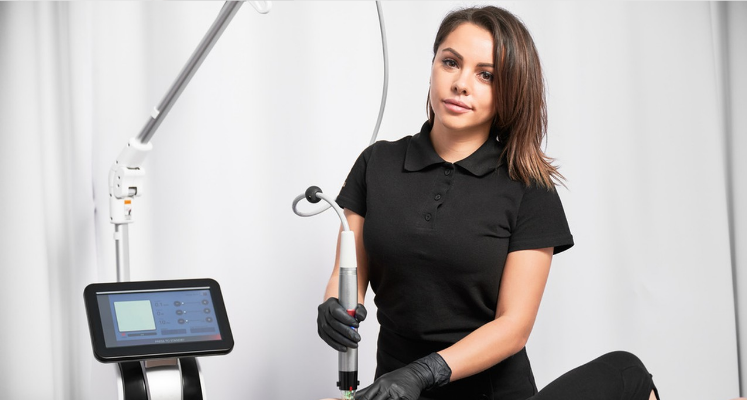
To ensure that you achieve the best possible results from your microneedling treatment, it's crucial to properly prepare your skin beforehand. Here are some key steps to follow:
- Thorough Cleansing: Wash your face thoroughly with a gentle cleanser to remove any dirt, oil, or makeup that could potentially clog your pores or interfere with the treatment. This step is essential for ensuring that the microneedles can penetrate the skin effectively.
- Gentle Exfoliation: After cleansing, gently exfoliate your skin using a mild exfoliating product or a washcloth to remove dead skin cells and promote better absorption of the treatment. Exfoliation also helps smoothen the skin surface, making it easier for the needles to glide over.
- Avoid Sun Exposure: Avoid sun exposure and tanning beds for at least a week before your microneedling session. The sun's UV rays can damage your skin and reduce its ability to heal properly, potentially compromising the results of your treatment.
- Inform Your Dermatologist or Esthetician: Let your dermatologist or esthetician know about any medications or skincare products you are using, as some ingredients may interact with the microneedling procedure. They can advise you on whether to discontinue certain products or adjust your routine before the treatment.
Choosing the Right Products for Microneedling
Once your skin is prepped and ready for microneedling, it's important to select the right products to enhance the effects of the treatment. Here are some tips:
- Look for Nourishing Ingredients: Choose serums or oils that contain ingredients such as hyaluronic acid, vitamin C, or peptides. These nutrients help nourish and hydrate your skin, promoting better healing and faster recovery after microneedling.
- Ensure Cleanliness and Sterility: Always use clean and sterile skincare products to avoid any risk of infection. Make sure to wash your hands thoroughly before applying products to your skin, and store your skincare items in a clean, dry environment.
Proper Technique and Needle Length
When performing microneedling, it's essential to understand the proper technique and select the appropriate needle length for your skin type and concerns. Here's what you need to know:
- Start with Shorter Needles: If you are a beginner or have sensitive skin, start with a shorter needle length, typically around 0.25mm. This allows you to gradually get accustomed to the sensation of the needles and minimize the risk of irritation or adverse reactions.
- Gradually Increase Needle Length: As you become more experienced with microneedling, you can gradually increase the needle length to target specific skin concerns more effectively. Longer needles penetrate deeper into the skin, stimulating collagen production in the deeper layers and addressing wrinkles, scars, and other imperfections.
- Follow Manufacturer's Instructions: Always follow the manufacturer's instructions and exercise caution while using the microneedling device. Read the user manual carefully and make sure you understand how to operate the device safely. Avoid overdoing it, as excessive microneedling can damage your skin and cause unnecessary discomfort.
By following these best practices for microneedling, you can ensure that you achieve optimal results from your treatment and minimize any potential risks or side effects. Remember to consult with a skincare professional if you have any questions or concerns about the procedure.
Benefits of Microneedling
1. Firmer and Rejuvenated Skin
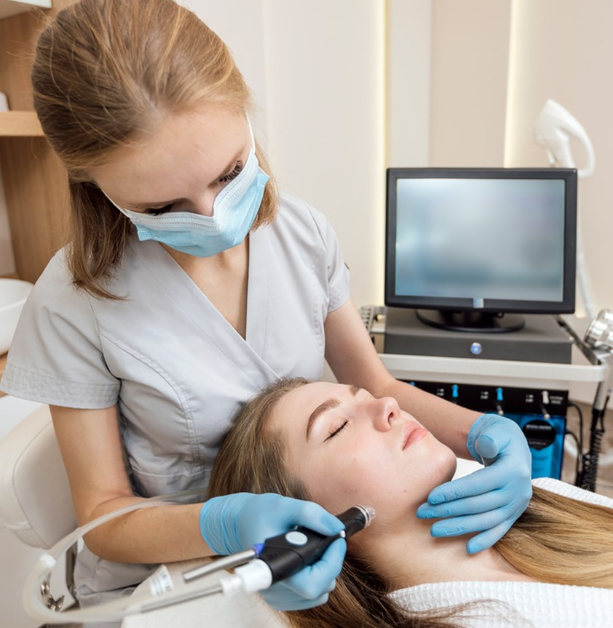
Microneedling, a minimally invasive skin rejuvenation technique, works wonders on aging skin. The tiny needles used in this treatment create micro-injuries on the skin's surface, triggering the skin's natural healing response. This, in turn, stimulates the production of collagen and elastin, two essential proteins that give skin its elasticity, firmness, and youthful appearance.
As collagen and elastin levels increase, the skin becomes firmer and smoother. Fine lines and wrinkles are reduced, and sagging skin is tightened. The overall result is a revitalized complexion that looks younger and healthier.
2. Improvement in Acne Scars and Hyperpigmentation
For those struggling with acne scars or hyperpigmentation, microneedling offers a promising solution. The micro-injuries created by the needles stimulate cellular turnover, encouraging the growth of new, healthy skin cells. This process gradually replaces damaged skin cells with new ones, fading the appearance of scars and dark spots.
Microneedling also helps break up pigmented cells in the skin, reducing the appearance of hyperpigmentation. Over time, with regular treatments, skin tone becomes more even, and scars and discoloration fade significantly.
3. Enhanced Skincare Product Absorption
One of the lesser-known benefits of microneedling is its ability to improve the absorption of topical skincare products. The micro-injuries created during the treatment create tiny channels in the skin, allowing for better penetration of serums, creams, and moisturizers.
This means that the active ingredients in your skincare products can reach deeper layers of the skin, where they can be more effective. As a result, you may find that your skincare products work better and provide more noticeable results after undergoing microneedling treatments.
In summary, microneedling is a powerful tool for achieving firmer, smoother, and more youthful-looking skin. It can significantly improve acne scars and hyperpigmentation, and it also enhances the absorption of topical skincare products, making them more effective. If you're looking for a way to rejuvenate your skin and address various skin concerns, microneedling may be a great option for you.
Post-Treatment Care and Recovery
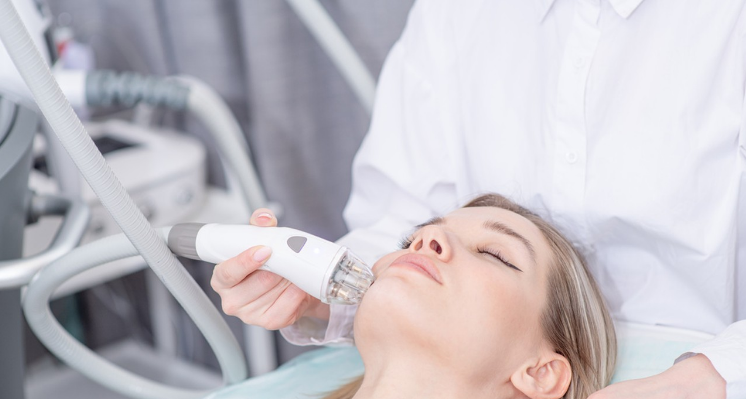
After undergoing a microneedling session, proper care and attention to your skin are crucial for optimal healing and results. Here are some detailed guidelines on post-treatment care and recovery:
1. Avoid Direct Sunlight and Wear Sunscreen
Immediately after microneedling, your skin will be more sensitive to UV rays. Therefore, it's essential to avoid direct sunlight exposure, especially during the first few days. If you need to be outdoors, make sure to wear a broad-spectrum sunscreen with an SPF of 30 or higher. Apply sunscreen liberally and reapply every two hours, or more often if you're swimming or sweating.
2. Refrain from Using Harsh Skincare Products or Exfoliants
For a few days after microneedling, it's best to avoid using harsh skincare products or exfoliants on your skin. These products can irritate the newly treated skin and slow down the healing process. Instead, opt for gentle, non-irritating cleansers and moisturizers that are suitable for sensitive skin.
3. Keep Your Skin Moisturized and Hydrated
During the healing process, it's essential to keep your skin moisturized and hydrated. Use a gentle, non-comedogenic moisturizer that contains ingredients that soothe and hydrate the skin. Apply the moisturizer liberally several times a day, especially after cleansing.
In addition, consider drinking plenty of water to hydrate your skin from within. Staying hydrated can help speed up the healing process and promote healthy skin cell regeneration.
4. Avoid Picking or Scratching the Skin
As your skin heals after microneedling, you may experience some redness, swelling, or minor irritation. However, it's crucial to avoid picking, scratching, or rubbing the treated area. This can irritate the skin, slow down healing, and even lead to scarring.
5. Follow Your Doctor's Instructions
Lastly, it's essential to follow your doctor's instructions regarding post-treatment care. They may provide additional recommendations based on your specific skin type and condition. Always consult with your doctor if you have any concerns or questions about your recovery.
By following these guidelines, you can ensure that your skin heals properly after microneedling and achieves the desired results.
Professional vs. DIY Microneedling
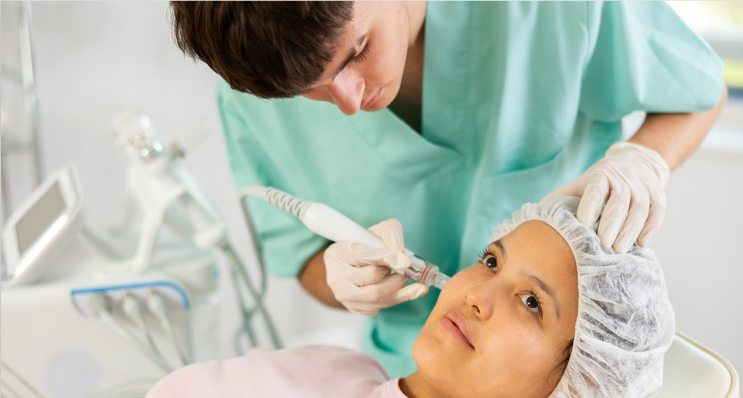
While microneedling can be performed at home using derma rollers or pens, seeking professional treatment has its advantages:
- Professional microneedling treatments are performed by experienced aestheticians or dermatologists who can customize the procedure to your specific needs.
- Professional settings use medical-grade tools and equipment, ensuring a higher level of precision and safety.
- Home microneedling can still be effective when performed correctly, but it may carry a slightly higher risk of complications if not done properly.
In conclusion, microneedling is a highly effective procedure that can significantly improve the health and appearance of your skin. By following the best practices outlined in this blog post and consulting with a skincare professional, you can achieve maximum results and unlock the numerous benefits microneedling has to offer. So, why wait? Get started on your microneedling journey today and discover the transformative power of this innovative treatment!