-2.jpg?w=203&h=248)
Introduction
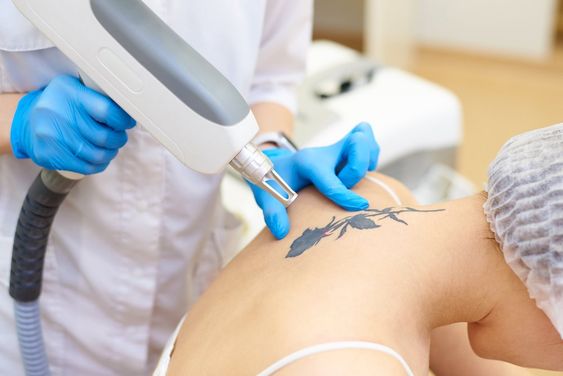
When people hear “Nd:YAG laser,” tattoo removal is often the first application that comes to mind. While this treatment remains one of the most recognized uses, it represents only a small portion of what modern Nd:YAG laser technology can achieve in professional aesthetic practice.
Over the past decade, advances in laser engineering, pulse control, wavelength optimization, and cooling systems have transformed Nd:YAG devices into multifunctional platforms. Today, they are widely used in beauty clinics and dermatology centers for pigmentation management, skin rejuvenation, vascular treatments, and overall skin quality improvement.
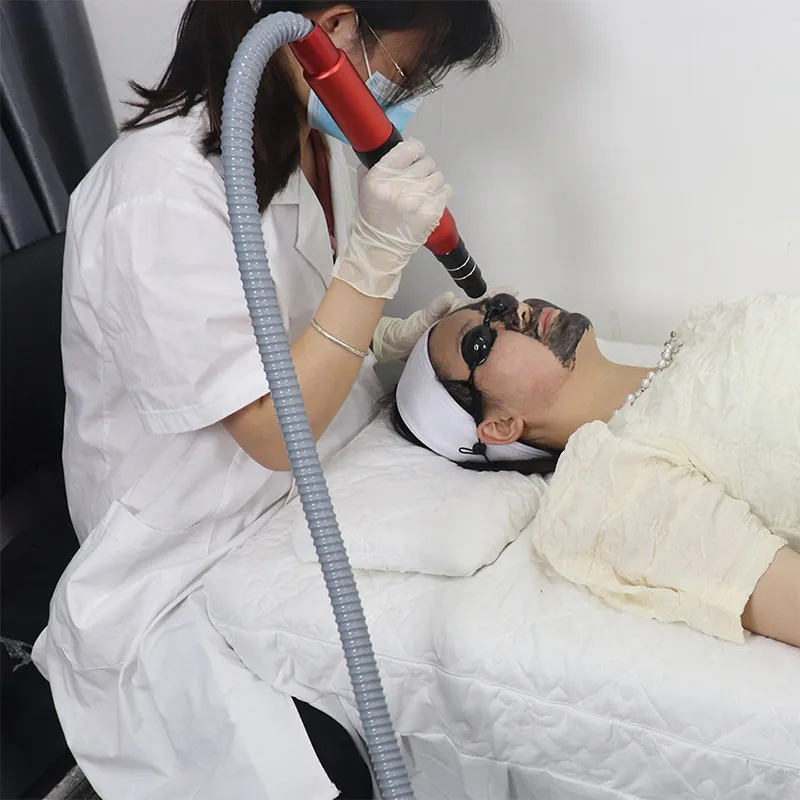
For professional salons and clinics seeking long-term equipment value and diversified treatment offerings, understanding the full scope of Nd:YAG laser applications is essential. This article explores how Nd:YAG lasers go far beyond tattoo removal and why they remain a cornerstone technology in modern aesthetic medicine.
Background / Problem
The Demand for Multifunctional Aesthetic Technologies
Modern beauty clinics face increasing pressure to deliver visible results while maintaining high safety standards and minimizing downtime. Clients are more informed, more selective, and often seek non-invasive or minimally invasive solutions that address multiple skin concerns without surgery.
However, many clinics struggle with equipment overlap—owning multiple single-purpose devices that occupy space, increase maintenance costs, and complicate staff training. From an operational standpoint, investing in versatile technology that supports multiple treatments is more efficient and scalable.
Limitations of Single-Application Devices
Devices designed for only one indication, such as tattoo removal alone, often fail to maximize return on investment. They may sit idle during certain seasons or only serve a narrow client group. In contrast, Nd:YAG lasers—when properly configured—can support year-round treatments for a wide range of skin conditions.
This versatility makes Nd:YAG laser systems particularly attractive for professional clinics aiming to expand services without continuously adding new machines.
Technology / Mechanism
Understanding Nd:YAG Laser Technology
Nd:YAG (Neodymium-doped Yttrium Aluminum Garnet) lasers typically operate at a wavelength of 1064 nm, with frequency-doubled options at 532 nm. These wavelengths penetrate the skin at different depths and interact selectively with various chromophores, such as melanin and hemoglobin.
-
1064 nm wavelength: Deeper penetration, lower melanin absorption, suitable for darker skin tones and deeper targets.
-
532 nm wavelength: Higher melanin absorption, effective for superficial pigmentation and vascular concerns.
Selective Photothermolysis
Nd:YAG lasers function based on selective photothermolysis—delivering laser energy that is absorbed by specific target pigments or structures while minimizing damage to surrounding tissue. This principle allows precise treatment of pigmentation, vascular lesions, and uneven skin tone.
Advanced Pulse Control and Safety
Modern Nd:YAG systems incorporate:
-
Adjustable pulse durations (nanosecond, picosecond, or long-pulse)
-
Energy density control
-
Integrated cooling mechanisms
These features enhance safety, reduce discomfort, and expand the range of treatable indications, making Nd:YAG lasers suitable for repeated treatments and long-term skin management.
Advantages / Comparison
Beyond Tattoo Removal: Key Clinical Applications
1. Pigmentation Management
Nd:YAG lasers are widely used to treat:
-
Melasma
-
Sun spots
-
Age spots
-
Freckles
-
Post-inflammatory hyperpigmentation
The 1064 nm wavelength is especially valuable for pigmentation concerns in darker skin types, where other lasers may carry higher risk.
2. Skin Rejuvenation and Toning
Low-fluence Nd:YAG treatments—often referred to as laser toning—stimulate collagen remodeling, improve skin texture, and promote a brighter, more even complexion. These treatments are popular for clients seeking gradual, natural-looking skin improvement.
3. Vascular Lesions and Redness
Nd:YAG lasers can target hemoglobin, making them effective for:
-
Facial redness
-
Broken capillaries
-
Telangiectasia
This expands the device’s usefulness beyond pigmentation-focused treatments.
4. Acne and Post-Acne Care
By reducing inflammation and improving skin metabolism, Nd:YAG lasers support acne management and post-acne recovery, particularly when combined with professional skincare protocols.
Nd:YAG vs Other Laser Technologies
Compared with IPL or diode lasers, Nd:YAG systems offer:
-
Deeper penetration
-
Greater suitability for diverse skin tones
-
Higher precision for pigment-targeted treatments
-
Broader clinical indications within a single platform
This makes Nd:YAG lasers a preferred choice for clinics seeking flexibility without compromising professional standards.
Applications / Client Needs
Professional Clinic Scenarios
Dermatology Clinics
Nd:YAG lasers support comprehensive pigment and vascular treatments while maintaining safety across various skin types.
Medical Aesthetic Centers
Multifunction Nd:YAG systems enable clinics to design customized treatment plans that combine laser toning, pigmentation control, and skin rejuvenation.
High-End Beauty Salons
For salons upgrading from basic facial equipment, Nd:YAG lasers offer a step into advanced aesthetic technology, attracting higher-value clients and expanding service menus.
Client Expectations and Market Trends
Modern clients expect:
-
Non-invasive treatments
-
Minimal downtime
-
Gradual, natural-looking results
-
Professional-grade technology operated by trained specialists
Nd:YAG laser treatments align well with these expectations, especially when positioned as part of long-term skin management rather than one-time procedures.
Business Value for Clinics
From a business perspective, Nd:YAG laser systems provide:
-
High utilization rates across multiple treatments
-
Strong client retention through repeat sessions
-
Scalable service pricing
-
Long equipment lifecycle
These factors contribute to stable revenue generation and improved return on investment.
Conclusion
While tattoo removal remains a well-known application, it represents only one aspect of Nd:YAG laser technology. In modern aesthetic practice, Nd:YAG lasers have evolved into versatile, multifunctional platforms capable of addressing pigmentation, rejuvenation, vascular issues, and overall skin quality.
For professional beauty clinics and medical aesthetic centers, investing in Nd:YAG laser systems is not just about offering a single treatment—it is about building a comprehensive, future-ready treatment portfolio. By leveraging the full range of Nd:YAG laser applications, clinics can meet diverse client needs, enhance treatment outcomes, and strengthen their competitive position in an increasingly sophisticated beauty market.
Founded in 2008, Guangzhou GLM Beauty Spa Equipment Factory specializes in research, development, manufacture and selling of beauty and slimming machines. Our production base is located in Guangzhou City, Guangdong Province, China. Since our foundation, we have introduced advanced technologies and equipment, to assure high quality and high performance of our products. With professional marketing guide and excellent after-sales service, our products have been exported to over 20 countries and regions, including Southeast Asia, the Middle East, Europe and the United States, won worldwide praises and gained a good reputation.