
Introduction
Light-based technologies have become essential tools in modern aesthetic clinics, offering effective solutions for hair removal, pigmentation, vascular lesions, and skin rejuvenation. Among the most widely used systems are ND YAG laser and IPL (Intense Pulsed Light).
Although these technologies are often grouped together, they operate on fundamentally different principles and deliver distinct clinical outcomes. Understanding these differences is critical for clinics aiming to select the right device and design effective treatment protocols.
From a professional perspective, ND YAG and IPL are not competing technologies but complementary tools. Each serves specific treatment goals and client needs, making them valuable components of a well-equipped aesthetic practice.
Background/Problem
Clients seeking light-based treatments typically present with concerns such as:
- Unwanted hair
- Pigmentation (sunspots, melasma)
- Vascular lesions (redness, broken capillaries)
- Uneven skin tone
Traditional solutions often lack precision or require invasive procedures. As a result, clinics need technologies that are:
- Non-invasive
- Effective across multiple indications
- Safe for different skin types
ND YAG laser and IPL systems address these needs, but their differences determine how and when they should be used.
Technology/Mechanism
ND YAG Laser
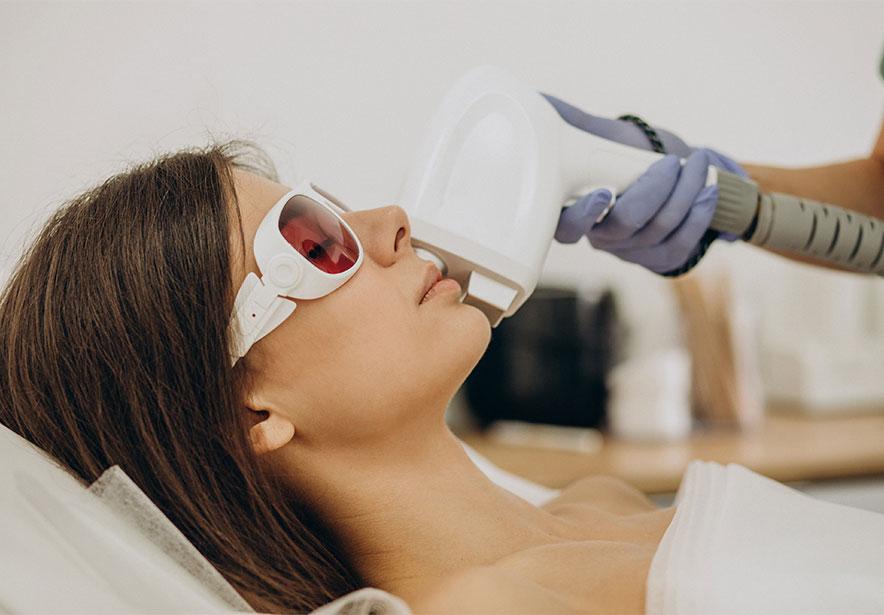
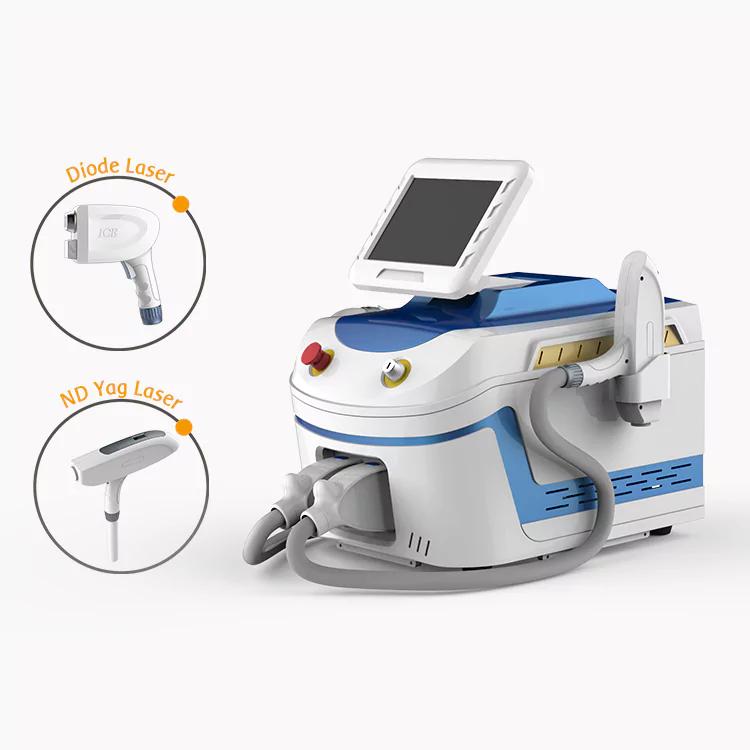
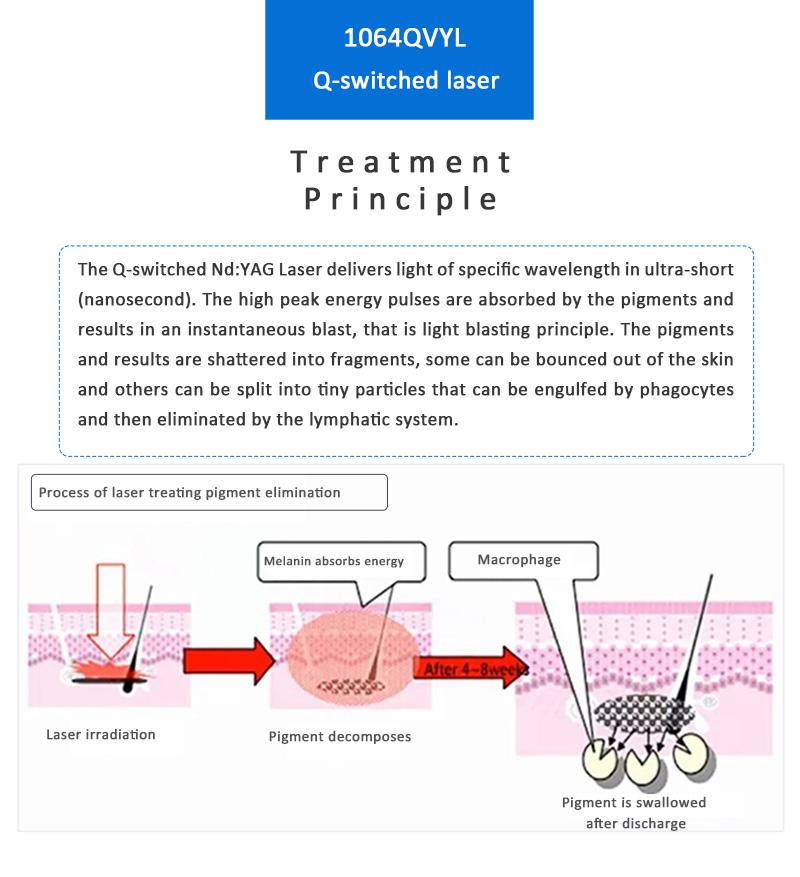
ND YAG (Neodymium-doped Yttrium Aluminum Garnet) is a true laser technology that emits a single, specific wavelength—commonly 1064 nm.
Key characteristics:
- Monochromatic (single wavelength)
- Deep skin penetration
- High energy precision
Mechanism:
- Targets chromophores (melanin, hemoglobin) with precision
- Penetrates deeper layers of the skin
- Minimizes damage to surrounding tissue
This makes ND YAG particularly effective for deeper structures and darker skin types.
IPL (Intense Pulsed Light)
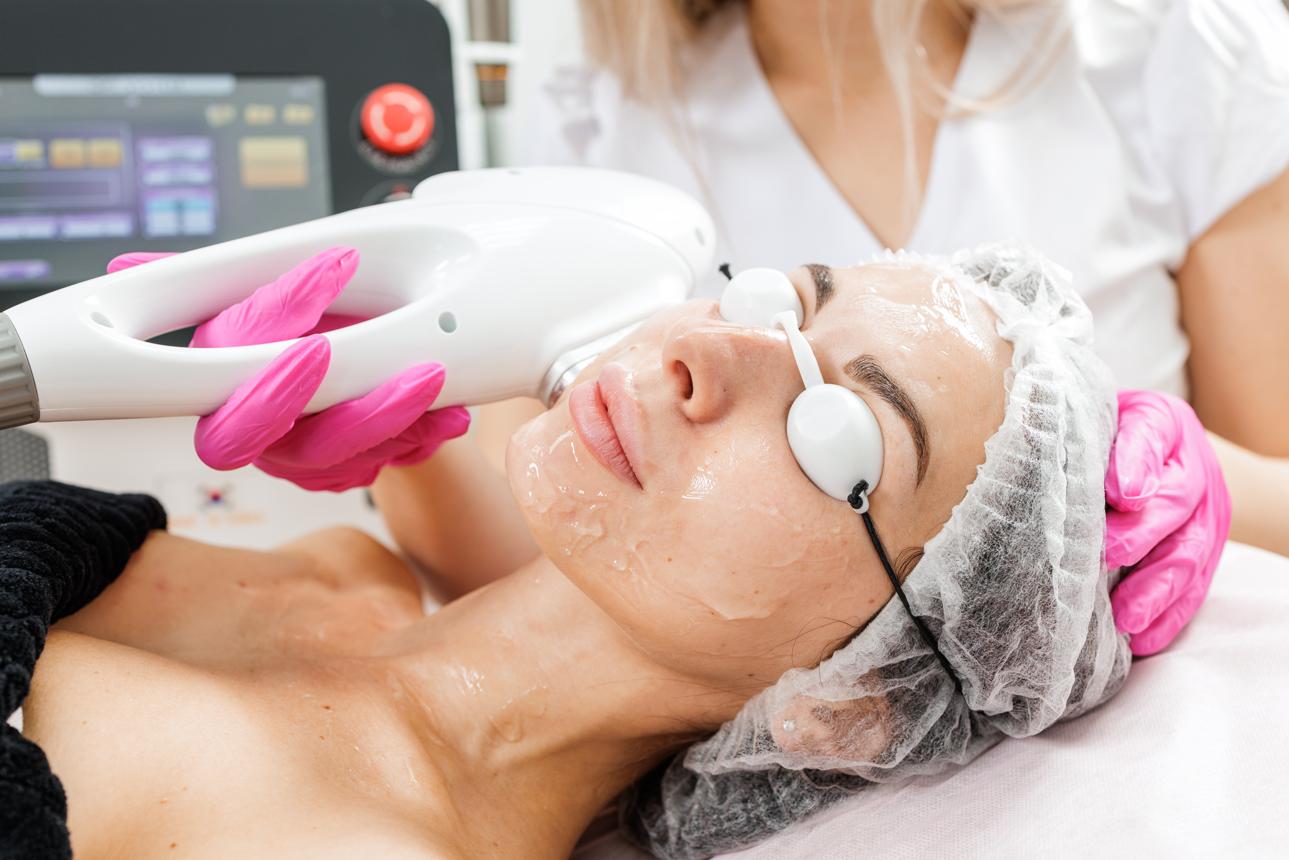
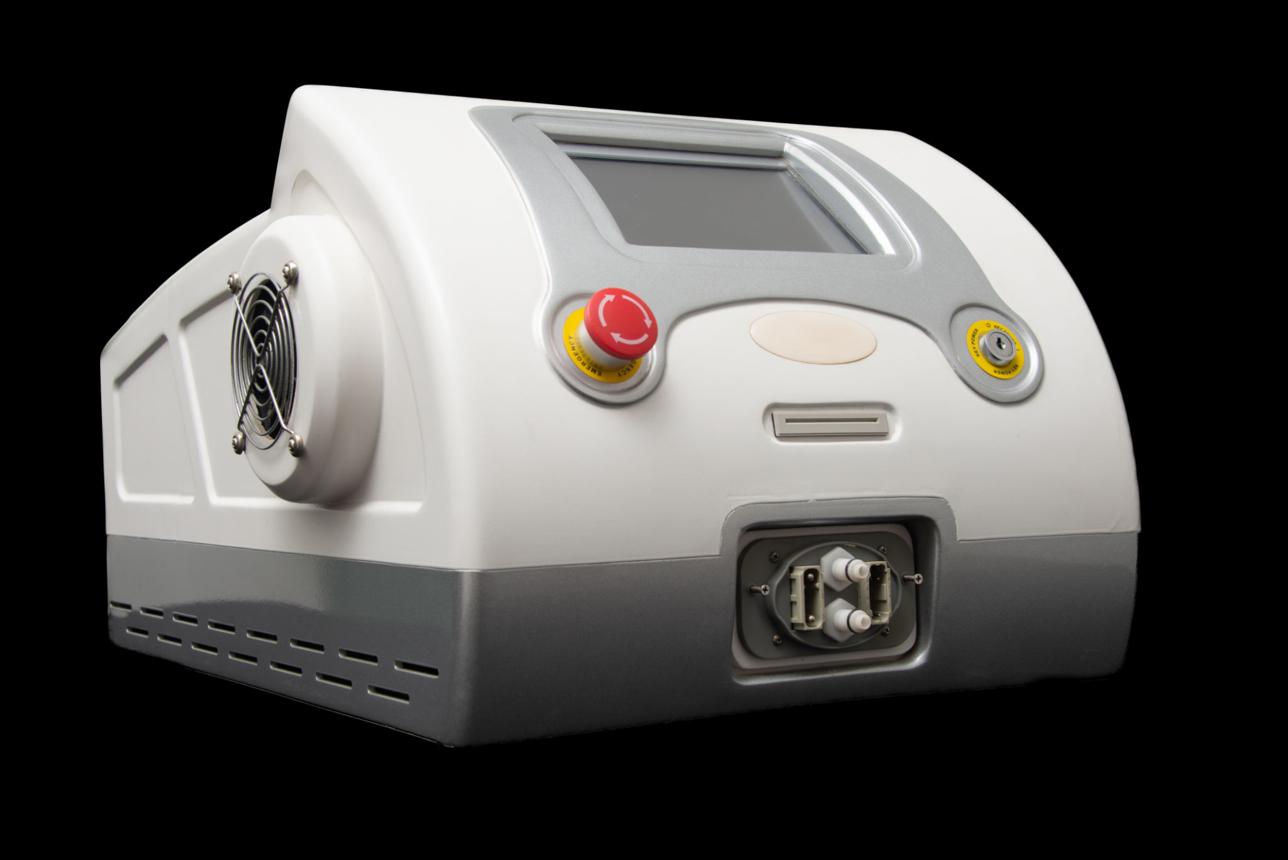
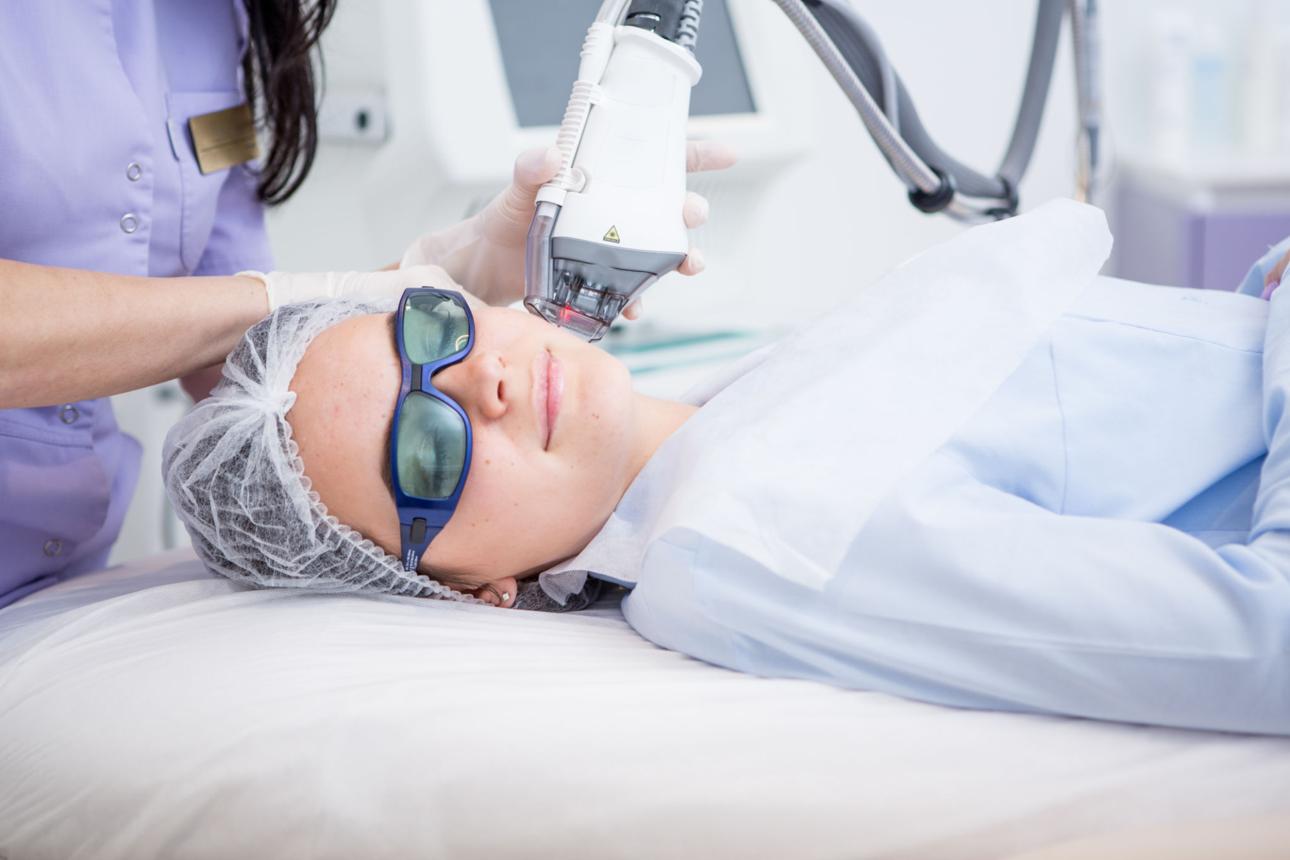
IPL is not a laser but a broad-spectrum light technology that emits multiple wavelengths (typically 500–1200 nm).
Key characteristics:
- Polychromatic (multiple wavelengths)
- Adjustable filters for different treatments
- Covers larger treatment areas
Mechanism:
- Delivers light energy absorbed by various skin targets
- Treats multiple concerns simultaneously
- Less focused compared to laser
IPL is widely used for general skin rejuvenation and multi-condition treatments.
Key Differences
From a device-centered and clinical perspective, the differences between ND YAG and IPL are significant.
1. Light Source
- ND YAG: Single wavelength laser (precise)
- IPL: Broad-spectrum light (versatile)
2. Treatment Depth
- ND YAG: Deeper penetration
- IPL: More superficial to mid-level penetration
3. Precision vs Coverage
- ND YAG: High precision targeting
- IPL: Covers larger areas with less precision
4. Skin Type Suitability
- ND YAG: Safer for darker skin types
- IPL: More suitable for lighter skin tones
5. Treatment Indications
- ND YAG: Hair removal, vascular lesions, deep pigmentation
- IPL: Photofacials, pigmentation, redness, overall skin tone improvement
6. Energy Delivery
- ND YAG: Concentrated and controlled
- IPL: Diffused and adjustable
Advantages/Comparison
Advantages of ND YAG
- Deeper penetration for more targeted treatments
- Higher precision for specific conditions
- Suitable for a wider range of skin tones
- Strong performance in hair removal and vascular treatments
Advantages of IPL
- Multi-functional treatment capability
- Efficient for large treatment areas
- Ideal for skin rejuvenation and photofacials
- Flexible settings for different skin concerns
Why Clinics Use Both
In professional settings, clinics often combine both technologies because they complement each other:
- ND YAG handles deeper, more specific concerns
- IPL addresses surface-level and multiple skin issues
This combination allows clinics to provide comprehensive and customized treatment programs.
Applications/Client Needs
Different client needs determine whether ND YAG or IPL is more appropriate.
ND YAG is ideal for:
- Hair removal (especially coarse or deep hair)
- Vascular lesions
- Darker skin types
- Deep pigmentation
IPL is ideal for:
- Skin rejuvenation treatments
- Sun damage and pigmentation
- Redness and uneven tone
- Clients seeking overall skin improvement
In clinical practice, treatment protocols may include:
- IPL for overall skin tone improvement
- ND YAG for targeted correction
- Follow-up treatments for maintenance
This layered approach maximizes both precision and coverage.
Conclusion
ND YAG laser and IPL are both powerful light-based technologies, but they differ significantly in their mechanisms, applications, and treatment outcomes.
ND YAG offers precision, deeper penetration, and suitability for a wider range of skin types, making it ideal for targeted treatments. IPL, on the other hand, provides versatility and efficiency for broader skin concerns and overall rejuvenation.
For professional beauty clinics, investing in both technologies allows for more flexible and effective treatment strategies, ensuring better results and higher client satisfaction.
As aesthetic treatments continue to evolve, combining precision and versatility through advanced devices like ND YAG and IPL will remain key to delivering comprehensive, results-driven solutions.
Founded in 2008, Guangzhou GLM Beauty Spa Equipment Factory specializes in research, development, manufacture and selling of beauty and slimming machines. Our production base is located in Guangzhou City, Guangdong Province, China. Since our foundation, we have introduced advanced technologies and equipment, to assure high quality and high performance of our products. With professional marketing guide and excellent after-sales service, our products have been exported to over 20 countries and regions, including Southeast Asia, the Middle East, Europe and the United States, won worldwide praises and gained a good reputation.