1. Introduction
Acne-prone and sensitive skin present a persistent challenge for professional beauty salons, skin management centers, and aesthetic clinics. Clients may experience recurring breakouts, excess oil, redness, tightness, dryness, or discomfort after using aggressive skincare products. In many cases, these concerns overlap: skin that is prone to acne may also have a compromised skin barrier, while sensitive skin can become more reactive when exposed to excessive exfoliation or intensive treatments.
For professional skincare providers, the solution is not necessarily to introduce stronger treatments. A more sustainable approach is to combine appropriate technology with gentle skin management and consistent barrier-supporting care.
Non-invasive technologies, particularly LED light therapy, have become valuable options in professional skincare programs. When selected appropriately, LED devices can complement gentle cleansing, carefully controlled exfoliation, and moisturizing treatments. Rather than relying on a single procedure, professionals can develop personalized protocols that address different aspects of problem skin while minimizing unnecessary irritation.
This article explores how LED light therapy, gentle professional treatments, and skin barrier repair work together, how professional equipment supports treatment consistency, and what beauty businesses should consider when designing services for acne-prone and sensitive skin
2. Understanding the Problem: Acne-Prone Skin and Sensitivity
Acne is a multifactorial skin condition associated with excess sebum, follicular blockage, inflammation, and the activity of Cutibacterium acnes. Its presentation varies from occasional inflammatory pimples to persistent, deeper lesions. Different forms of acne require different management strategies, and no single cosmetic treatment is suitable for every client.
Sensitive skin presents a different but sometimes overlapping set of concerns. Clients may report stinging, burning, redness, itching, or tightness in response to skincare products, environmental changes, or physical treatments. These symptoms can occur for several reasons, including irritation, an impaired skin barrier, or an underlying skin condition that requires medical assessment.
The skin barrier plays an important role in maintaining hydration and protecting the skin from external irritants. When this barrier is disrupted, moisture loss may increase and the skin may become less tolerant of otherwise well-tolerated products.
This creates a practical challenge for beauty professionals. Intensive cleansing, frequent exfoliation, strong active ingredients, and excessive treatment frequency may leave the skin more irritated without addressing the underlying cause of recurring breakouts.
A professional treatment plan should therefore begin with a consultation, an assessment of visible skin conditions, and a review of the client's current skincare routine. The aim is to distinguish between concerns that may be managed through cosmetic skin care and symptoms that warrant referral to a qualified healthcare professional.
3. Technology and Mechanisms: How the Three Approaches Work Together
3.1 LED Light Therapy: A Technology-Based Addition to Skin Management
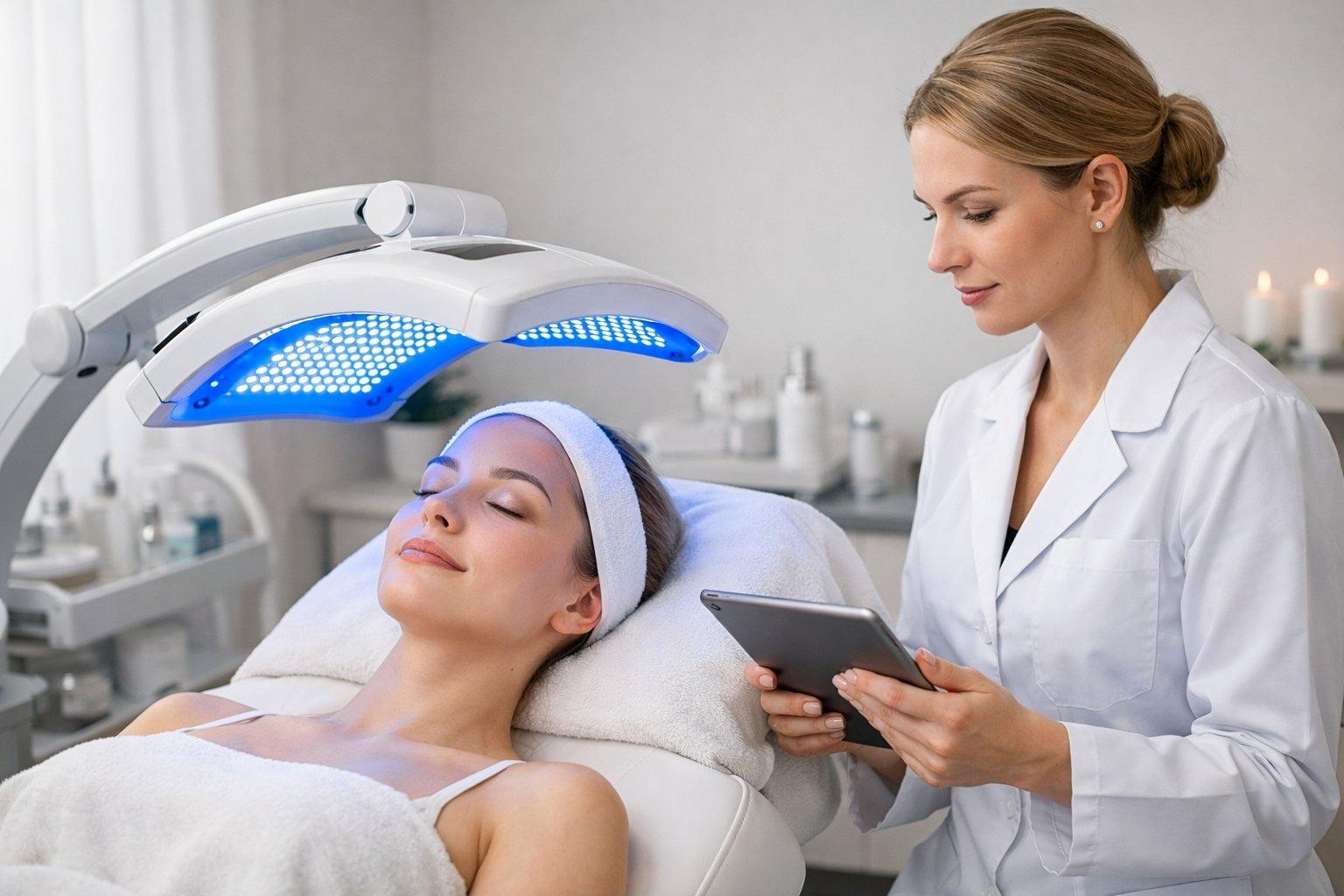
LED light therapy uses light-emitting diodes to deliver selected wavelengths of light to the skin without the same mechanism of tissue removal associated with ablative procedures. Depending on the device, wavelength, dose, and treatment protocol, LED light may be used as an adjunct to address selected skin concerns.
Blue light, commonly used in acne-focused LED systems, is associated with photochemical effects involving light-sensitive compounds produced by C. acnes. Red light is studied for its potential effects on inflammatory responses and cellular signaling. Some professional devices combine blue and red wavelengths to target complementary aspects of acne-prone skin management.
However, LED wavelengths are not interchangeable, and different colors should not be assumed to treat every skin concern. Visible blue and red light may help reduce inflammatory acne lesions in some clients, but they are not established as a stand-alone solution for blackheads, whiteheads, deep cysts, or nodules. Evidence also varies by device and protocol.
For professional operators, the practical value of an LED system lies in the ability to deliver a defined treatment with repeatable settings, appropriate coverage, and a structured schedule. A well-designed device may support consistent service delivery, provided that its specifications and intended uses are clearly understood.
3.2 Gentle Skin Treatments: Supporting Skin Without Excessive Stress
Gentle skin treatments focus on cleansing, hydration, and carefully selected procedures rather than aggressive intervention. Their purpose is to maintain skin comfort, remove surface impurities, and prepare the skin for appropriate follow-up care.
A professional facial may include a mild cleanser, a non-abrasive application technique, and a moisturizer selected for the client's skin condition. When suitable, carefully controlled exfoliation may be considered, but it should not automatically be included in every acne or sensitive-skin protocol.
Mechanical scrubbing, forceful extractions, high-intensity exfoliation, and multiple irritating active ingredients can increase discomfort or worsen visible inflammation. For clients with a compromised barrier, reducing treatment intensity may be more appropriate than adding another procedure.
Professional equipment can help standardize selected steps, such as cleansing or product application. Nevertheless, a device should not be considered gentle simply because it is marketed as non-invasive. Suction strength, friction, heat, contact pressure, treatment duration, and the condition of the skin all influence tolerability
The best approach is to select only the procedures that address an identified need and to adjust them according to the client's response.
3.3 Skin Barrier Repair: The Foundation of Long-Term Skin Comfort
Skin barrier repair is not a single machine-based treatment. It is a care strategy that prioritizes hydration, reduced irritation, and the maintenance of the skin's protective function.
A barrier-supporting routine may include a mild cleanser, a moisturizer containing suitable humectants or emollient ingredients, and daily broad-spectrum sunscreen. Depending on individual needs, formulations containing ceramides and other barrier-supporting ingredients may also be appropriate.
For acne-prone clients, moisturization remains important. Skipping moisturizer because the skin is oily can contribute to dryness or discomfort, particularly when clients are also using acne treatments that cause irritation. Products should be selected for individual tolerance and, where relevant, non-comedogenic characteristics.
In a professional setting, barrier-focused care can be integrated before and after appropriate cosmetic procedures. If a client presents with marked irritation, peeling, burning, or an unexplained rash, intensive treatments should be postponed until the skin has been assessed and the cause clarified.
The goal is not to promise that a facial or device can repair every form of barrier damage. It is to create a treatment environment that avoids unnecessary disruption and supports a consistent, well-tolerated skincare routine.
3.4 Why Combination Matters
The three approaches address different parts of the client experience.
-
LED light therapy provides a targeted, technology-based option that may complement selected acne management plans.
-
Gentle professional treatments support cleansing, hydration, and carefully controlled skin care.
-
Barrier-focused care helps maintain comfort and reduce avoidable irritation between appointments.
Combining them does not automatically produce better results. The benefit depends on choosing appropriate treatments, avoiding incompatible procedures, and adjusting the plan to the skin's condition. In some cases, the best combination is LED therapy plus simple moisturizing care, with exfoliation omitted entirely.
4. Advantages and Comparison: Professional Equipment Versus Home Care
Home skincare remains essential because clients spend most of their time outside the treatment room. Gentle cleansing, suitable moisturization, sun protection, and adherence to medically recommended acne treatments cannot be replaced by occasional professional facials.
Professional equipment serves a different purpose. It allows trained operators to assess skin conditions, select a suitable treatment approach, control treatment parameters, monitor tolerance, and document changes across appointments.
| Factor | Professional treatment setting | Home skincare |
|---|---|---|
| Assessment | Consultation and ongoing observation by a trained professional | Primarily self-assessment |
| Equipment control | Device settings and procedures can be selected according to the protocol | Depends on the consumer device and instructions |
| Treatment planning | Can integrate selected services into a structured program | Depends on the user's consistency and product choices |
| Follow-up | Progress and tolerance can be reviewed at appointments | Requires the user to monitor changes |
| Main role | Complementary, targeted professional care | Essential daily maintenance |
This comparison does not mean every professional device is more effective than every home device. Performance depends on the specific technology, output, treatment parameters, intended use, and operator competence. Some home LED devices have regulatory clearance for specific indications, while professional devices also need appropriate evidence, safety controls, and compliance with local requirements.
For salons and clinics, equipment selection should therefore prioritize documented specifications, appropriate wavelength output, treatment coverage, eye-safety measures, manufacturer instructions, service support, and relevant regulatory status. Marketing terms alone are not reliable indicators of clinical performance.
Another important consideration is the distinction between cosmetic services and medical treatment. Persistent or severe acne, painful nodules, scarring, suspected infection, or symptoms suggesting eczema or rosacea may require assessment by a dermatologist or other qualified healthcare professional. Non-invasive cosmetic treatments should not delay appropriate medical care.
5. Applications and Client Needs: Designing a Professional Treatment Program
5.1 For Clients With Mild, Inflammatory Acne
For clients with mild inflammatory acne, a professional may consider a gentle cleansing session followed by LED therapy when appropriate for the device and client. A suitable moisturizer can then be applied to support comfort.
The treatment plan should avoid promising complete acne clearance. LED therapy may be an adjunct, while evidence-based acne treatments recommended by a qualified healthcare professional may remain necessary. Progress should be reviewed over a series of appointments rather than judged after one session.
5.2 For Clients With Sensitive or Dehydrated Skin
For clients whose main concerns are tightness, dryness, or easy irritation, the priority is often to simplify the routine and reduce avoidable stress. Gentle cleansing, barrier-supporting moisturization, and careful product selection may be more appropriate than exfoliation or intensive extraction.
LED therapy may be considered only when the device is suitable and the client has no relevant contraindications. A sensitive-skin label does not automatically make someone a suitable candidate for every light-based treatment.
5.3 For Clients With Both Acne and Sensitivity
This group requires especially careful treatment planning. A client may want immediate acne reduction but also experience irritation from multiple products or previous procedures.
A reasonable approach is to begin with a consultation, identify possible triggers, simplify the skincare routine, and prioritize comfort. If LED therapy is appropriate, it can be introduced according to the device instructions and the client's tolerance. More intensive procedures should be considered only when justified by the skin's condition.
When the presentation is severe, persistent, painful, or diagnostically unclear, referral for medical assessment is the safer option.
5.4 A Practical Workflow for Beauty Professionals
A structured workflow can improve consistency and client communication:
-
Consultation: Record the client's primary concerns, current products, relevant sensitivities, medications, and previous reactions to light-based or cosmetic treatments.
-
Skin assessment: Observe visible breakouts, redness, dryness, peeling, and signs that may warrant medical referral.
-
Protocol selection: Choose LED therapy or gentle skin care only when appropriate. Avoid combining multiple potentially irritating procedures simply to make a session appear more comprehensive.
-
Treatment delivery: Follow manufacturer instructions, use required eye protection, maintain appropriate hygiene, and monitor the client's comfort.
-
Aftercare: Recommend a simple routine with gentle cleansing, suitable moisturization, sun protection, and any medically directed acne treatment.
-
Progress review: Document the skin's response and adjust the next appointment according to observed tolerance and results.
A professional LED system can be a useful component of this workflow, but it is only one part of a broader service model built around assessment, training, hygiene, client communication, and responsible treatment selection.
6. Conclusion
Non-invasive solutions for acne-prone and sensitive skin work best when they are selected as part of a coordinated strategy rather than promoted as isolated quick fixes. LED light therapy may complement acne management for selected clients, gentle professional treatments can help limit unnecessary irritation, and barrier-focused care supports a more comfortable daily skincare routine.
For beauty salons, aesthetic clinics, and skin management centers, professional equipment creates opportunities to deliver structured, repeatable services. Its value depends on appropriate specifications, safe operation, trained personnel, realistic expectations, and a clear understanding of when medical referral is necessary.
The future of professional problem-skin care is not simply about using more technology. It is about using the right technology at the right time, with the right level of intensity, alongside consistent skin care and individualized client management. This balanced approach can help businesses build greater client confidence while keeping skin comfort and responsible practice at the center of every treatment plan
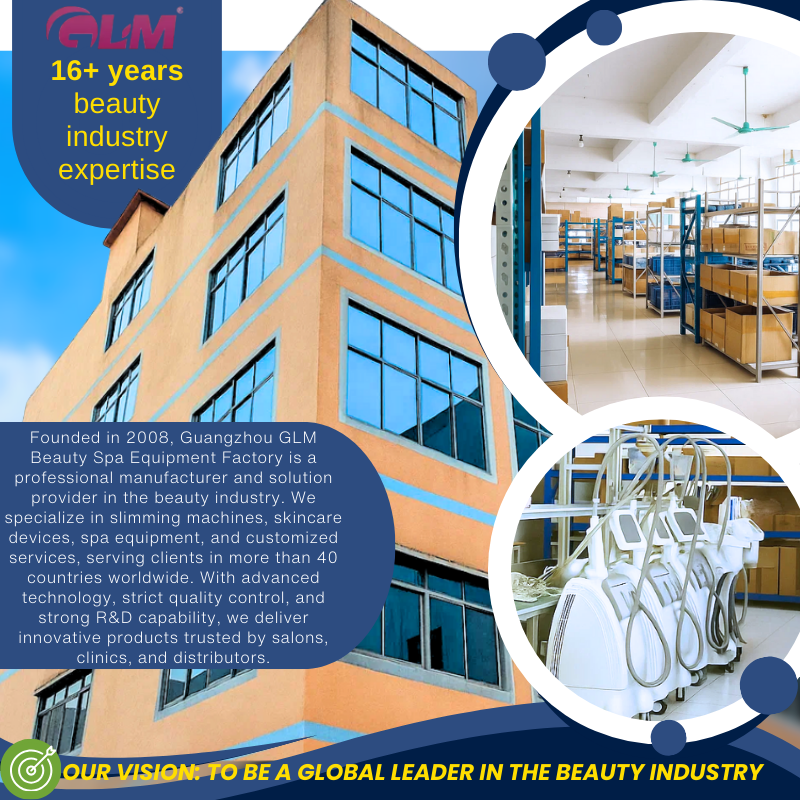
Founded in 2008, Guangzhou GLM Beauty Spa Equipment Factory specializes in research, development, manufacture and selling of beauty and slimming machines. Our production base is located in Guangzhou City, Guangdong Province, China. Since our foundation, we have introduced advanced technologies and equipment, to assure high quality and high performance of our products. With professional marketing guide and excellent after-sales service, our products have been exported to over 20 countries and regions, including Southeast Asia, the Middle East, Europe and the United States, won worldwide praises and gained a good reputation