Introduction
Scars are a natural part of the skin's healing process, yet they often become one of the most challenging aesthetic concerns for both clients and practitioners. Whether caused by acne, surgery, trauma, burns, or stretch marks, scars can affect not only skin texture but also a person's confidence. As demand for minimally invasive cosmetic procedures continues to grow, more clients are seeking effective scar improvement without surgery, lengthy downtime, or significant discomfort.
Fortunately, advances in professional aesthetic technologies have transformed how skin scars are treated. Modern beauty clinics and medical aesthetic centers now have access to a wide range of non-invasive and minimally invasive devices capable of stimulating the skin's natural repair mechanisms while maintaining high safety standards.
Unlike traditional surgical scar revision, professional energy-based treatments work by encouraging collagen remodeling, improving circulation, enhancing cellular renewal, and restoring smoother skin over time. These technologies allow practitioners to customize treatment plans according to scar type, skin condition, and client expectations.
For aesthetic clinics, investing in advanced scar treatment equipment is no longer simply about expanding service offerings. It also represents an opportunity to attract clients seeking comprehensive skin rejuvenation solutions while improving treatment outcomes through combination therapy.
Understanding Different Types of Skin Scars
Before selecting an appropriate treatment protocol, practitioners must first understand that not all scars respond the same way. Each scar type has unique structural characteristics requiring different treatment strategies.
Acne Scars
Acne scars remain among the most common concerns in aesthetic clinics. Severe inflammation damages collagen during healing, leaving depressions or irregular skin texture.
Common forms include:
- Ice pick scars
- Boxcar scars
- Rolling scars
These scars typically respond best to treatments that stimulate collagen production and dermal remodeling.
Hypertrophic Scars
Hypertrophic scars develop when excessive collagen forms during wound healing. Unlike keloids, they remain within the boundaries of the original injury.
These scars are usually:
- Raised
- Firm
- Red or pink
- Occasionally itchy
Treatment focuses on gradually softening excess collagen while improving skin flexibility.
Surgical Scars
Even well-performed surgical procedures leave some degree of scarring. Depending on genetics, healing ability, and postoperative care, scars may become highly visible.
Professional aesthetic treatments are often introduced after complete wound healing to improve texture, elasticity, and color.
Stretch Marks
Although technically different from traditional scars, stretch marks involve dermal collagen disruption and are commonly treated using similar technologies.
Early stretch marks generally respond better than mature white stretch marks because collagen remodeling remains more active.
Post-Traumatic Scars
Accidents, burns, or injuries frequently leave uneven skin surfaces that may benefit from gradual collagen stimulation combined with skin resurfacing technologies.
Since every scar behaves differently, successful treatment begins with an individualized consultation rather than applying a single universal solution.
Why Non-Invasive Scar Treatments Are Becoming More Popular
Patients today often prefer treatments that fit into busy lifestyles. Long recovery periods associated with surgery are becoming less attractive when effective alternatives are available.
Professional non-invasive technologies offer several important advantages:
- Minimal downtime
- Lower treatment risks
- Progressive natural-looking improvement
- Suitable for multiple skin areas
- Combination therapy possibilities
- Repeatable treatment protocols
Instead of physically removing scar tissue, these treatments encourage the body's own healing response to rebuild healthier collagen architecture gradually.
This biological approach often creates more natural results while preserving surrounding healthy tissue.
How Professional Scar Treatment Technologies Work
Scar improvement rarely depends on a single technology. Instead, experienced practitioners frequently combine multiple modalities to target different layers of the skin.
The primary objective is to restart controlled tissue remodeling.
Healthy skin constantly produces and reorganizes collagen. Scar tissue, however, contains disorganized collagen fibers that reduce flexibility and create visible texture changes.
Professional aesthetic devices generate controlled stimulation that encourages fibroblasts to produce fresh collagen and elastin while improving tissue organization.
Several technologies have become particularly valuable in modern aesthetic practice.
Radio Frequency (RF)
Radio frequency remains one of the most versatile technologies for skin remodeling.
Instead of damaging the skin surface, RF delivers controlled thermal energy into the dermis.
This heat stimulates:
- Fibroblast activation
- Collagen remodeling
- Elastin regeneration
- Improved skin firmness
- Better tissue elasticity
For certain superficial scars and post-acne skin irregularities, RF may gradually improve texture while also providing overall skin tightening benefits.
Fractional RF systems combine thermal energy with microscopic treatment zones, making them especially suitable for clinics seeking multi-functional aesthetic platforms.
Microneedling with Energy Assistance
Professional microneedling creates thousands of controlled microchannels within the skin.
These tiny injuries activate the body's natural wound-healing response, encouraging new collagen formation.
When combined with technologies such as RF, electroporation, or advanced serum infusion systems, practitioners can often achieve more comprehensive skin remodeling than traditional microneedling alone.
This combination approach has become increasingly popular because it addresses both skin texture and product absorption simultaneously.
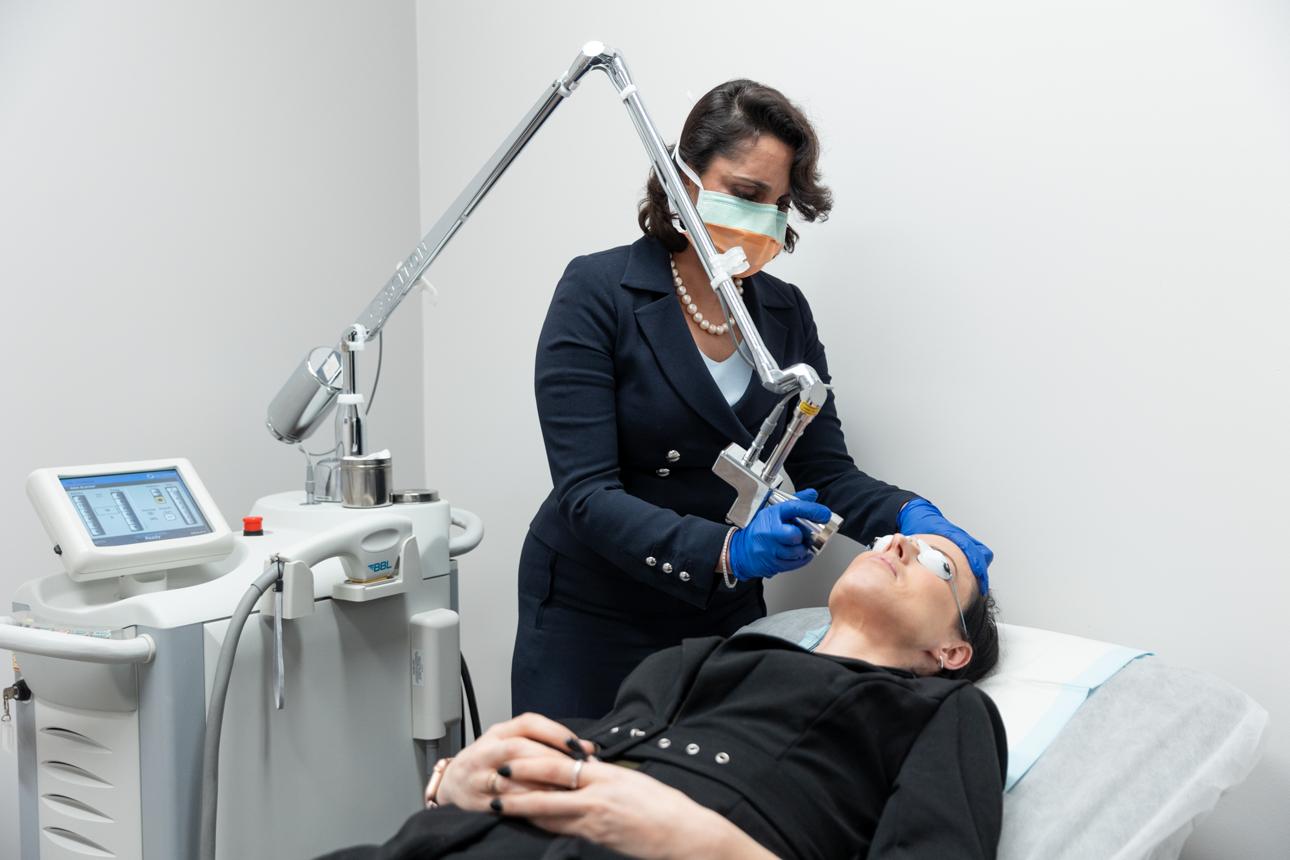
Fractional Laser Technology
Fractional laser systems remain one of the most recognized professional options for scar revision.
Instead of treating the entire skin surface, fractional lasers create microscopic treatment columns surrounded by untreated tissue.
This design promotes faster healing while stimulating extensive collagen remodeling beneath the surface.
Different laser wavelengths can be selected according to:
- Scar depth
- Skin type
- Pigmentation risk
- Recovery expectations
Because laser treatments require professional assessment and parameter adjustment, they are generally performed in medical aesthetic clinics or advanced skin treatment centers
Plasma Technology
Plasma-based devices generate controlled thermal effects without traditional surgical intervention.
Depending on the device design, plasma energy can stimulate skin contraction while encouraging collagen regeneration.
For carefully selected superficial scars, plasma technology may complement other treatments within a broader scar management program.
LED Light Therapy
Although LED therapy is not designed to remove scars directly, it serves as an effective supportive treatment in many professional protocols.
Different wavelengths may help:
- Reduce post-treatment inflammation
- Improve skin recovery
- Support tissue healing
- Enhance client comfort
- Shorten recovery between sessions
Many clinics incorporate LED treatments after energy-based procedures as part of comprehensive skin rehabilitation
High-Intensity Focused Ultrasound (HIFU)
Although High-Intensity Focused Ultrasound (HIFU) is best known for non-surgical skin lifting, it can also play a supportive role in selected scar treatment protocols. Unlike surface-based technologies, HIFU delivers focused ultrasound energy into deeper tissue layers without damaging the epidermis.
The controlled thermal coagulation points stimulate the body's natural repair process, encouraging collagen regeneration and improving overall skin firmness. While HIFU is not typically considered the first-line treatment for deep acne scars, it may benefit clients who experience skin laxity alongside mild scar irregularities, particularly on the face and neck.
For aesthetic clinics offering comprehensive rejuvenation services, HIFU can complement other scar-focused technologies by improving the surrounding skin quality and enhancing the overall treatment outcome.
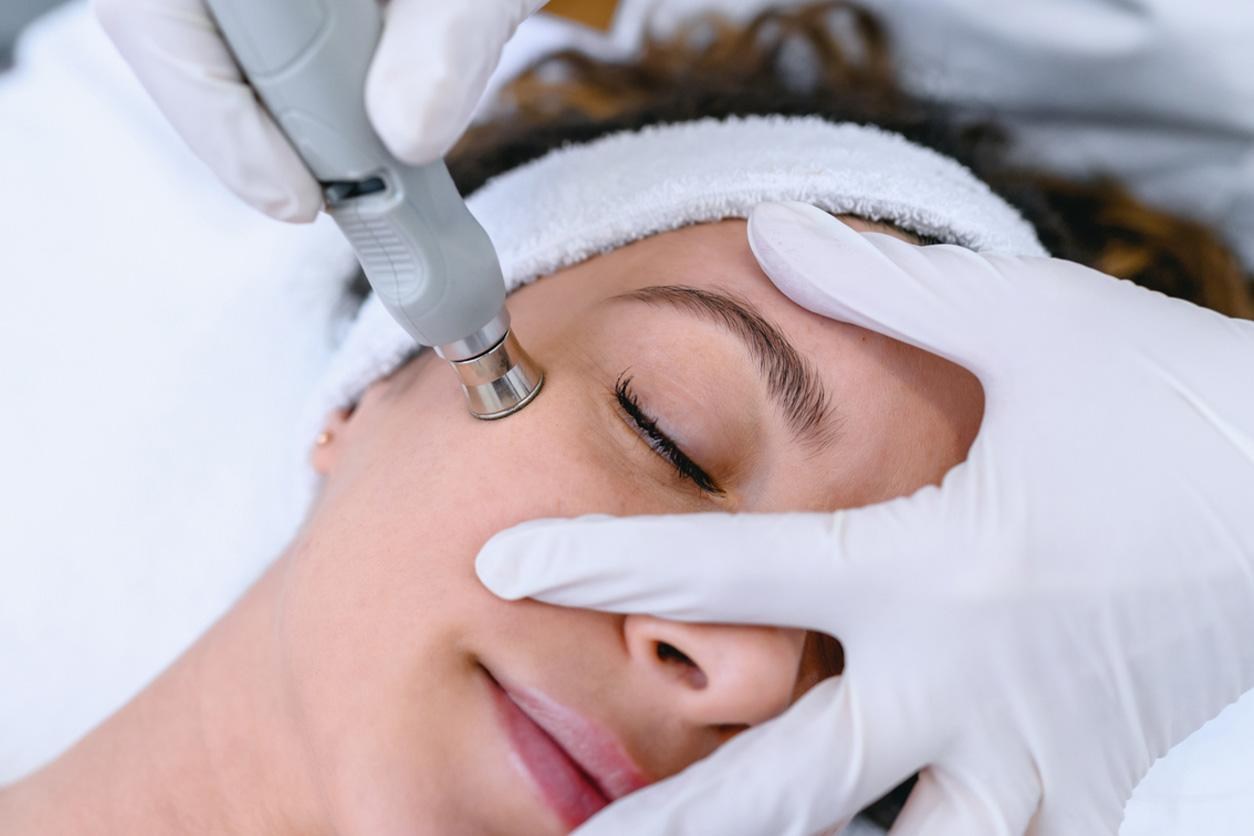
Hydradermabrasion and Deep Skin Preparation
Successful scar treatment does not begin only when energy is delivered. Proper skin preparation plays a significant role in maximizing treatment effectiveness.
Professional hydradermabrasion systems combine cleansing, gentle exfoliation, extraction, and serum infusion to create an optimal treatment environment.
Benefits include:
- Removing excess sebum and debris
- Improving skin hydration
- Enhancing treatment comfort
- Supporting faster post-treatment recovery
- Increasing the uniformity of energy delivery
Although hydradermabrasion alone cannot remove established scars, it is frequently incorporated into multi-step treatment protocols before RF, microneedling, or laser procedures.
Preparing the skin properly helps practitioners achieve more consistent clinical results while improving the overall client experience.
Combination Therapy: The Modern Standard
Experienced practitioners rarely rely on a single technology when treating scars. Modern aesthetic medicine increasingly emphasizes combination therapy because scars involve multiple skin layers and biological processes.
A customized treatment plan may include:
- Skin analysis and consultation
- Hydradermabrasion for skin preparation
- Fractional RF or fractional laser for collagen remodeling
- Microneedling for controlled tissue stimulation
- LED therapy to support recovery
- Professional skincare for home maintenance
Each technology contributes to a different stage of the skin repair process.
Rather than replacing one another, these modalities work together to improve skin texture gradually while minimizing unnecessary trauma.
This personalized approach reflects the direction of today's professional aesthetic industry, where treatment plans are designed around the client's individual needs rather than a single device.
Advantages of Professional Equipment Compared with Home Devices
The growing popularity of home beauty devices has increased consumer awareness of aesthetic technologies. However, treating skin scars requires a level of precision and consistency that generally exceeds the capabilities of consumer-grade equipment.
Professional systems offer several important advantages.
Higher Energy Precision
Clinic-grade devices deliver controlled and adjustable energy levels that can be tailored according to:
- Scar type
- Skin thickness
- Treatment area
- Skin sensitivity
- Fitzpatrick skin type
This precision enables practitioners to optimize efficacy while maintaining safety.
Advanced Treatment Customization
Professional consultations allow practitioners to evaluate factors such as:
- Scar age
- Scar depth
- Pigmentation
- Previous treatments
- Overall skin health
Treatment parameters can then be adjusted throughout multiple sessions as the skin responds.
This individualized approach is difficult to achieve with fixed-parameter home devices.
Multi-Technology Integration
Professional aesthetic platforms often combine several technologies within one treatment program.
Instead of relying on a single modality, clinics can integrate:
- RF
- Fractional laser
- Microneedling
- LED therapy
- Skin hydration systems
The ability to combine treatments often produces more comprehensive skin improvement than isolated procedures.
Greater Safety Through Professional Operation
Modern aesthetic devices incorporate advanced safety systems, but operator expertise remains equally important.
Professional practitioners understand:
- Treatment indications
- Contraindications
- Energy adjustment
- Skin assessment
- Post-treatment care
Proper training helps reduce unnecessary risks while improving treatment consistency and client satisfaction.
Applications and Client Needs
Non-invasive scar treatments are suitable for a wide range of clients who seek gradual improvement without surgical intervention. During consultations, practitioners should assess both the physical characteristics of the scar and the client's expectations to create a realistic treatment plan.
Acne Scar Management
Acne scars are among the most requested indications in aesthetic clinics.
Clients often hope to improve:
- Uneven skin texture
- Enlarged pores
- Mild skin depressions
- Overall skin smoothness
Collagen-stimulating technologies can gradually soften the appearance of these irregularities while improving overall skin quality.
Post-Surgical Skin Rehabilitation
Many individuals wish to reduce the visibility of surgical scars after the wound has healed completely.
Professional treatments may help improve:
- Scar texture
- Skin elasticity
- Surface smoothness
- Color uniformity
Treatment timing should always follow appropriate medical healing guidelines.
Stretch Mark Improvement
Although complete removal is unlikely, professional devices can improve the appearance of many stretch marks by stimulating collagen remodeling and increasing skin elasticity.
Early intervention generally produces more noticeable results than treatment of mature stretch marks.
Comprehensive Skin Rejuvenation
Many clients do not seek scar treatment alone. Instead, they want overall skin improvement that addresses multiple concerns during the same treatment course.
Modern aesthetic platforms can often combine scar management with treatments targeting:
- Fine lines
- Mild skin laxity
- Enlarged pores
- Uneven texture
- Dull complexion
This comprehensive approach improves treatment efficiency while offering greater value to both clinics and clients.
Meeting the Growing Demand for Personalized Care
Today's aesthetic clients expect more than standardized procedures. They value consultations that consider their skin condition, lifestyle, recovery preferences, and long-term goals.
Professional clinics equipped with versatile, multi-functional systems are better positioned to provide customized treatment plans, adapt protocols over time, and address a broader range of skin concerns. This flexibility not only improves the client experience but also allows clinics to expand their service offerings without relying on separate devices for every indication.
As non-invasive technologies continue to evolve, personalization is becoming one of the defining characteristics of successful aesthetic practices.
Conclusion
Non-invasive scar treatment has evolved significantly over the past decade. Rather than relying solely on aggressive resurfacing or surgical revision, aesthetic professionals now have access to sophisticated technologies that encourage the skin's natural healing processes while minimizing downtime.
From radio frequency and fractional laser systems to microneedling, LED therapy, HIFU, and advanced hydradermabrasion platforms, each technology contributes differently to collagen remodeling and skin regeneration. When thoughtfully combined, these modalities can address a wide range of scar types while also improving overall skin quality.
For beauty clinics and medical aesthetic centers, investing in professional scar treatment equipment is about more than adding another service. It is an opportunity to deliver personalized treatment plans, improve clinical outcomes, and respond to the increasing demand for effective, minimally invasive skin rejuvenation.
While no technology can erase every scar completely, modern energy-based devices enable practitioners to achieve gradual, natural-looking improvements that align with today's client expectations. Supported by professional assessment, appropriate treatment protocols, and consistent aftercare, non-invasive scar therapies have become an essential component of comprehensive aesthetic practice
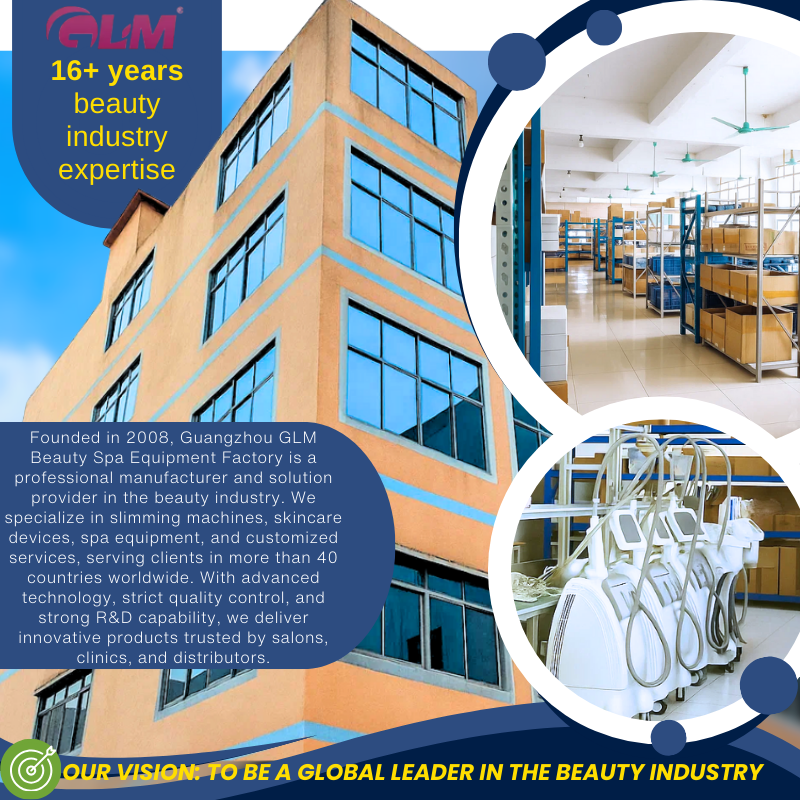
Founded in 2008, Guangzhou GLM Beauty Spa Equipment Factory specializes in research, development, manufacture and selling of beauty and slimming machines. Our production base is located in Guangzhou City, Guangdong Province, China. Since our foundation, we have introduced advanced technologies and equipment, to assure high quality and high performance of our products. With professional marketing guide and excellent after-sales service, our products have been exported to over 20 countries and regions, including Southeast Asia, the Middle East, Europe and the United States, won worldwide praises and gained a good reputation