Introduction
The beauty industry is evolving faster than ever. As client expectations continue to rise, beauty clinics and medical aesthetic centers are under increasing pressure to deliver more treatment options while maintaining efficiency, reducing operational costs, and maximizing profitability. Today's clients no longer visit clinics for a single concern—they expect comprehensive treatment plans that address skin texture, wrinkles, hydration, pigmentation, body contouring, and overall skin rejuvenation, often within the same facility.
For clinic owners, this growing demand presents both an opportunity and a challenge. Investing in separate machines for every treatment can quickly consume valuable floor space, increase maintenance costs, complicate staff training, and reduce return on investment. As competition intensifies, clinics are searching for smarter ways to expand their service menus without continuously purchasing additional equipment.
This shift has accelerated the adoption of multi-function beauty devices—professional platforms capable of integrating multiple technologies into one system. Instead of relying on several standalone machines, clinics can perform a wide variety of aesthetic treatments using interchangeable handpieces and software-controlled treatment modes.
More importantly, these devices allow practitioners to customize treatment plans according to individual skin conditions rather than limiting clients to a single technology. This flexibility not only improves operational efficiency but also enhances the overall client experience.
As professional aesthetic practices continue moving toward personalized treatment protocols, multi-function beauty systems are becoming an important investment rather than simply another piece of equipment
Background: Why Beauty Clinics Are Moving Beyond Single-Purpose Devices
The traditional approach to equipping a beauty clinic often involved purchasing one machine for one treatment. A radio frequency device addressed skin tightening, an ultrasound system focused on body contouring, while another platform handled hydrodermabrasion or oxygen infusion. Although this strategy worked for many years, it has become increasingly difficult to sustain in today's competitive market.
Several industry trends are driving this transformation.
Growing Client Expectations
Modern clients are more informed than ever before. Social media, online reviews, and educational content have increased awareness of aesthetic technologies. Instead of asking for one treatment, clients often request comprehensive skin improvement programs that combine cleansing, exfoliation, hydration, collagen stimulation, and lifting within a personalized treatment plan.
Clinics capable of offering multiple technologies are better positioned to satisfy these expectations without referring clients elsewhere.
Limited Clinic Space
Whether operating a boutique beauty salon or a medical spa, floor space is valuable. Every additional machine requires room for operation, storage, maintenance, and electrical installation. As equipment accumulates, treatment rooms become crowded and workflow becomes less efficient.
A single integrated platform helps optimize clinic layout while maintaining a broad treatment portfolio.
Faster Return on Investment
Purchasing multiple specialized devices often requires significant capital investment. Beyond the initial purchase price, clinics must also consider maintenance contracts, software updates, replacement parts, and staff training for each machine.
A multi-function platform spreads these operational costs across numerous treatment services, making it easier for clinics to improve equipment utilization and generate revenue from a single investment.
Simplified Staff Training
Training therapists on five different systems is considerably more time-consuming than mastering one integrated platform with standardized controls. A consistent operating interface helps reduce learning curves while improving treatment consistency across practitioners.
This efficiency becomes particularly valuable for expanding clinics or businesses with multiple treatment locations.
How Multi-Function Beauty Devices Work
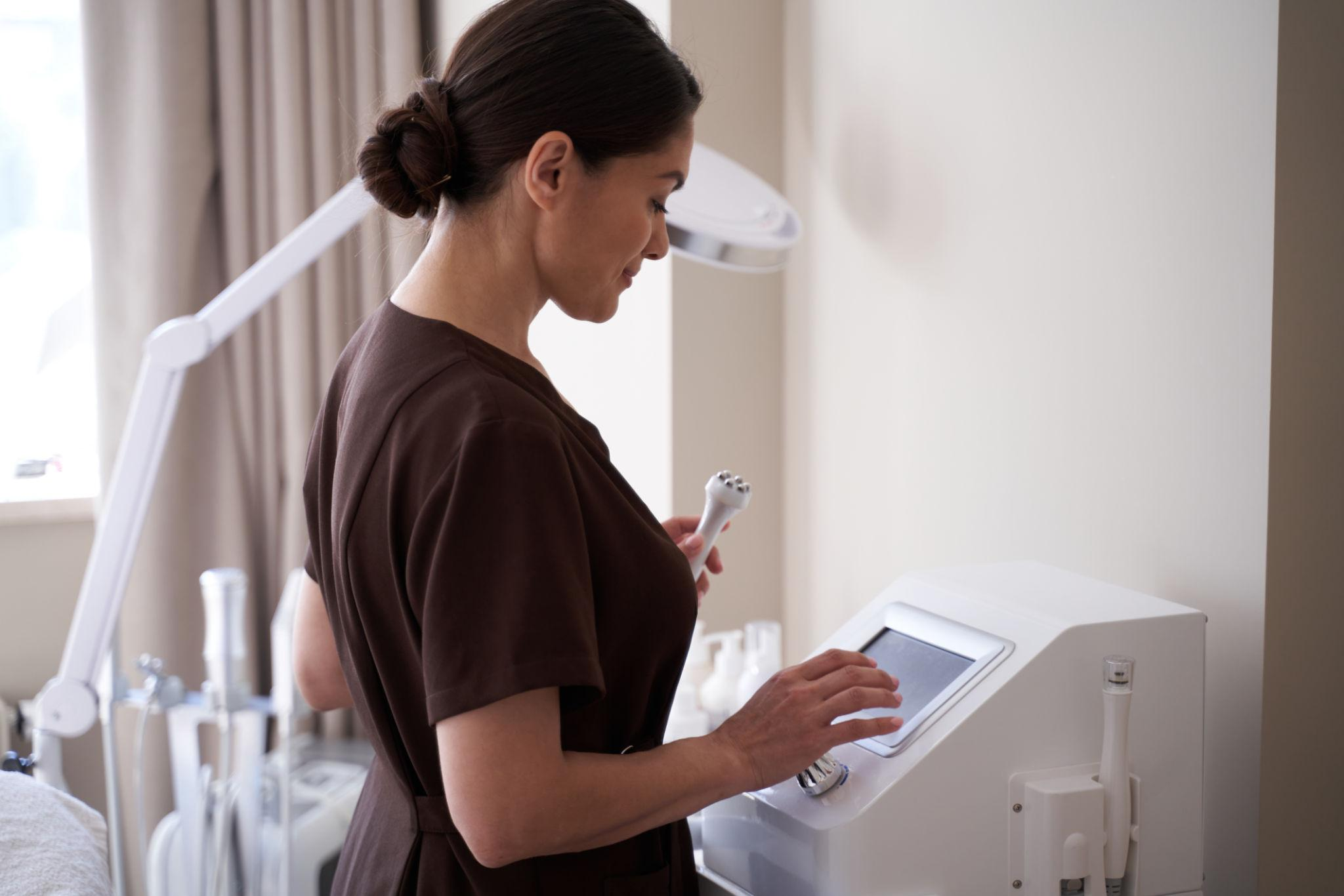
Unlike traditional single-purpose machines, multi-function beauty platforms combine several energy-based and skin treatment technologies into one integrated system. Different handpieces target different treatment goals while sharing a unified operating platform, making daily clinical workflows significantly more efficient.
Although configurations vary among manufacturers, professional systems commonly combine technologies such as:
- Hydrodermabrasion
- Radio Frequency (RF)
- Ultrasound Cavitation
- Vacuum Therapy
- Electroporation
- EMS Microcurrent
- LED Light Therapy
- Oxygen Infusion
- Cold Hammer Therapy
- Skin Scrubbing
- Bio Microcurrent
- Facial Lifting Technologies
Rather than replacing each technology, the platform integrates them into coordinated treatment protocols.
For example, a therapist may begin with hydrodermabrasion to remove impurities and prepare the skin. Electroporation can then enhance serum absorption without needles, followed by radio frequency to stimulate collagen remodeling. Finally, LED therapy or a cold hammer treatment helps soothe the skin and reduce temporary redness.
Instead of scheduling multiple appointments using different machines, practitioners can perform an integrated treatment sequence within a single session, improving both efficiency and client satisfaction

Technology & Mechanism: Integrating Multiple Technologies for Better Treatment Outcomes
The strength of a multi-function beauty device lies not simply in the number of handpieces it offers, but in how different technologies complement one another. Professional aesthetic treatments often achieve better results when multiple modalities are applied in a logical sequence rather than relying on a single technology.
Each treatment stage prepares the skin or body for the next, creating a synergistic effect that enhances both immediate results and long-term improvement.
Hydrodermabrasion: Preparing the Skin
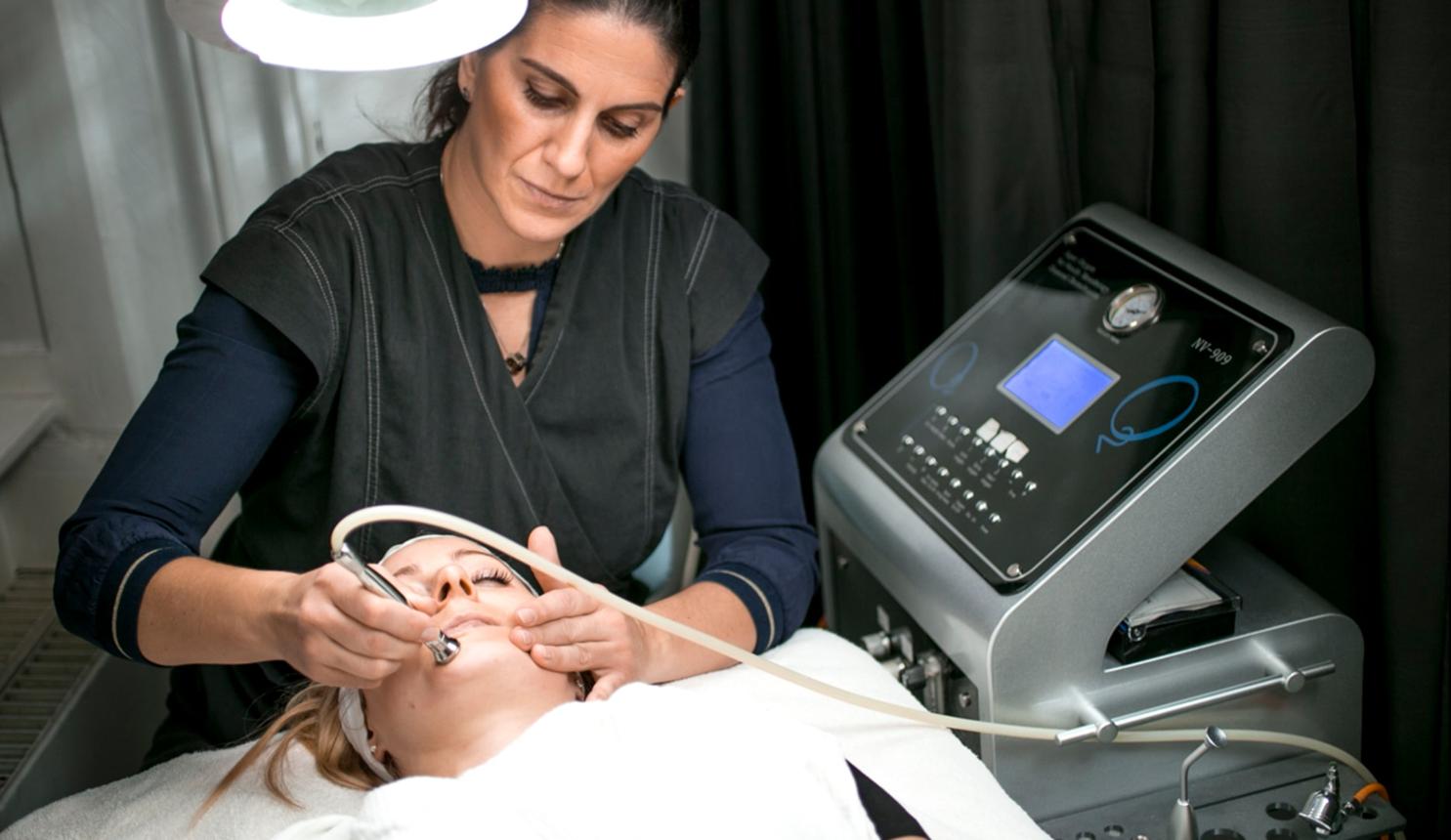
Every successful facial begins with proper skin preparation. Hydrodermabrasion combines gentle exfoliation, vacuum extraction, and hydrating solution infusion to remove dead skin cells, excess sebum, and surface impurities.
By thoroughly cleansing the skin and unclogging pores, this step creates an ideal foundation for subsequent treatments. Active ingredients can penetrate more effectively, while energy-based technologies interact with healthier, cleaner tissue.
For clinics, hydrodermabrasion also serves as an excellent introductory treatment suitable for a wide range of skin types and ages.
Radio Frequency: Supporting Collagen Remodeling
Radio Frequency (RF) is one of the most widely used technologies in professional aesthetic clinics. Instead of treating only the skin's surface, RF delivers controlled thermal energy into the dermis, where collagen fibers are located.
The gradual heating process encourages collagen remodeling and supports the skin's natural regenerative response. Over time, clients may notice firmer-looking skin, improved elasticity, and smoother facial contours.
Professional RF systems typically offer adjustable energy levels and multiple applicator sizes, allowing practitioners to tailor treatments for areas such as:
- Face
- Neck
- Jawline
- Abdomen
- Arms
- Thighs
This flexibility makes RF an essential component of many multi-function platforms.
Electroporation: Needle-Free Product Delivery
One of the challenges in skincare is delivering active ingredients beyond the skin's protective barrier. Electroporation addresses this by using controlled electrical pulses to temporarily increase skin permeability.
Without needles or injections, ingredients such as hyaluronic acid, peptides, and vitamin-based serums can penetrate more efficiently into the superficial skin layers.
For clients seeking enhanced hydration or skin revitalization with minimal discomfort, electroporation provides an attractive treatment option that pairs well with cleansing and collagen-supporting procedures.
EMS Microcurrent: Facial Muscle Stimulation
While many technologies focus on the skin itself, EMS microcurrent targets the underlying facial muscles through low-level electrical stimulation.
This technology may help improve muscle tone during treatment, contributing to a more defined facial appearance when incorporated into comprehensive facial programs.
Because EMS complements skin-focused technologies rather than replacing them, it is commonly included in professional facial rejuvenation protocols.
LED Light Therapy: Completing the Treatment
LED Light Therapy is frequently used as the final stage of treatment.
Different wavelengths of light are selected according to treatment objectives. For example:
- Red light is commonly used in collagen-supportive treatments.
- Blue light is often incorporated into acne-focused protocols.
- Yellow light may be selected for calming sensitive-looking skin.
- Near-infrared light can be used alongside skin recovery programs.
Because LED therapy is non-invasive and comfortable, it integrates seamlessly into combination treatments without extending recovery time.
Why Technology Integration Matters
When these technologies are used together, practitioners can design treatment programs that address multiple aesthetic concerns during a single appointment.
Rather than treating only hydration, only firmness, or only cleansing, clinics can create comprehensive protocols that improve treatment efficiency while offering clients a more complete experience.
This integrated approach also supports greater treatment personalization. Instead of following a fixed procedure, practitioners can adjust technologies, treatment duration, and energy settings according to each client's skin condition, goals, and tolerance.
Advantages & Comparison: Why Multi-Function Devices Are Becoming the Preferred Investment
As aesthetic clinics continue expanding their service offerings, purchasing decisions are increasingly based on long-term operational value rather than the number of individual machines available.
A multi-function platform provides several practical advantages over maintaining multiple standalone devices.
Better Space Utilization
Treatment room space directly affects workflow efficiency.
Replacing several large machines with one integrated system reduces equipment clutter, simplifies room organization, and creates a cleaner, more professional environment for both practitioners and clients.
This is especially valuable for boutique clinics, medical spas, and businesses operating in premium commercial locations where every square meter matters.
Higher Equipment Utilization
Single-purpose machines often remain unused for significant periods because they perform only one treatment.
In contrast, a multi-function system can be scheduled throughout the day for different procedures, increasing overall equipment utilization and helping clinics maximize their investment.
Higher usage rates generally contribute to improved return on investment over the equipment's lifespan.
Easier Staff Training
Operating multiple machines from different manufacturers often requires separate training programs, user interfaces, maintenance routines, and troubleshooting procedures.
An integrated platform standardizes operation through a unified software interface and consistent workflow.
This reduces onboarding time for new therapists while improving treatment consistency across the clinic.
Greater Treatment Flexibility
Every client presents a unique combination of concerns.
One client may primarily seek skin hydration, while another focuses on lifting, body contouring, pore refinement, or post-acne skin improvement.
A multi-function device enables practitioners to combine appropriate technologies rather than limiting treatment options to the capabilities of a single machine.
This flexibility supports more personalized consultation and treatment planning.
Long-Term Cost Efficiency
Although professional multi-function systems may represent a larger initial investment than entry-level single-purpose equipment, they can reduce long-term operational expenses by consolidating:
- Equipment purchases
- Maintenance schedules
- Software management
- Staff training
- Treatment room requirements
For growing clinics, this integrated approach often provides greater scalability as client demand evolves
Applications & Client Needs: One Platform, Countless Possibilities
The modern beauty industry is becoming increasingly client-centered. Rather than selecting treatments based solely on available equipment, professional practitioners are designing customized treatment plans around each client's individual concerns, lifestyle, and long-term aesthetic goals.
Multi-function beauty devices support this personalized approach by allowing practitioners to combine different technologies into flexible treatment protocols. Instead of offering isolated procedures, clinics can provide comprehensive treatment programs that evolve as clients' skin conditions change.
Facial Rejuvenation Programs
One of the most common applications for a multi-function platform is facial rejuvenation.
A complete treatment protocol may include:
- Hydrodermabrasion for deep cleansing and gentle exfoliation
- Electroporation to improve serum absorption
- Radio Frequency to support collagen remodeling
- EMS Microcurrent for facial muscle stimulation
- LED Light Therapy to calm the skin and complete the session
By combining these technologies in a logical sequence, practitioners can address multiple concerns—including dullness, dehydration, fine lines, and reduced skin firmness—in a single appointment.
This integrated workflow also creates a more premium treatment experience, helping clients feel they are receiving a personalized service rather than a standard facial.
Body Contouring and Skin Tightening
Body treatments continue to grow in popularity as clients seek non-invasive alternatives that require little to no downtime.
Professional multi-function systems often combine technologies such as:
- Ultrasound Cavitation
- Radio Frequency
- Vacuum Therapy
- Mechanical Roller Massage
- EMS
Together, these technologies can be incorporated into body contouring programs designed to improve the appearance of localized fat, skin laxity, and uneven body contours.
Because different body areas respond differently, practitioners can adjust treatment parameters according to individual needs while maintaining a consistent workflow.
Acne-Prone and Oily Skin Management
Clients experiencing oily skin or acne-related concerns often require treatments that go beyond surface cleansing.
A customized protocol may combine:
- Hydrodermabrasion to remove excess oil and debris
- Skin Scrubber technology for additional exfoliation
- Blue LED Light Therapy to complement acne-focused treatments
- Electroporation for hydrating and soothing serums
This layered approach helps practitioners provide comprehensive skin management while minimizing unnecessary irritation.
Anti-Aging Maintenance Programs
Many clients today are not waiting until deep wrinkles develop before seeking professional treatments.
Instead, they are investing in regular maintenance programs that support healthier-looking skin over time.
With a multi-function system, clinics can easily adjust treatment intensity and technology combinations according to each client's age, skin condition, seasonal changes, and treatment history.
This adaptability encourages repeat visits and supports long-term client relationships built around personalized care rather than one-time procedures.
Meeting Business Needs as Well as Client Needs
While treatment effectiveness remains the primary objective, clinic owners must also consider business performance.
A versatile beauty platform helps address several operational priorities:
- Expanding the treatment menu without purchasing multiple machines
- Improving equipment utilization throughout the day
- Simplifying staff training and maintenance
- Optimizing treatment room space
- Increasing opportunities for treatment package sales
- Supporting business growth with scalable technology
For new clinics, investing in one comprehensive platform can reduce startup complexity.
For established clinics, adding a multi-function device can refresh service offerings while improving operational efficiency.
Rather than replacing professional expertise, the equipment becomes a flexible tool that enables practitioners to deliver more customized, consistent, and efficient treatments.
Conclusion
The future of aesthetic medicine is not simply about introducing more devices—it is about delivering smarter treatments.
As client expectations continue to evolve, beauty clinics need equipment that offers flexibility, efficiency, and the ability to address multiple concerns within a single treatment journey.
Multi-function beauty devices represent this new direction. By integrating technologies such as hydrodermabrasion, radio frequency, electroporation, EMS, LED therapy, ultrasound cavitation, and vacuum therapy into one professional platform, clinics can streamline operations while expanding treatment possibilities.
More importantly, these systems support individualized treatment planning, allowing practitioners to combine technologies according to each client's unique needs instead of relying on a one-size-fits-all approach.
For clinics focused on sustainable growth, investing in versatile professional equipment is no longer simply a way to save space—it is a strategic decision that improves workflow, enhances the client experience, and creates opportunities for long-term business success.
As the beauty industry continues to advance, one thing is becoming increasingly clear: the future belongs to clinics that can do more with less—and one intelligent platform may be the key to achieving that goal
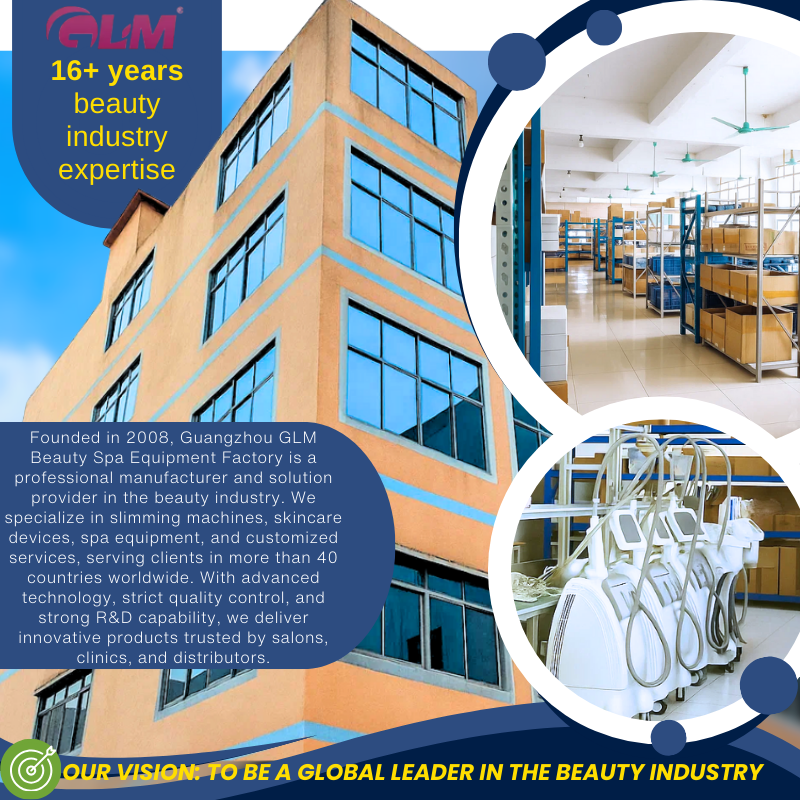
Founded in 2008, Guangzhou GLM Beauty Spa Equipment Factory specializes in research, development, manufacture and selling of beauty and slimming machines. Our production base is located in Guangzhou City, Guangdong Province, China. Since our foundation, we have introduced advanced technologies and equipment, to assure high quality and high performance of our products. With professional marketing guide and excellent after-sales service, our products have been exported to over 20 countries and regions, including Southeast Asia, the Middle East, Europe and the United States, won worldwide praises and gained a good reputation