
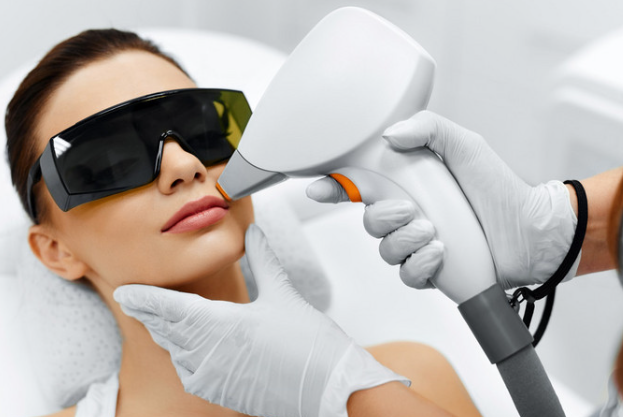
Post-Laser Hair Removal: Essential Aftercare Tips for Optimal Results
Congratulations on taking the first step towards smoother, hair-free skin with laser hair removal! This procedure, while highly effective, requires careful aftercare to ensure that your skin heals properly and you achieve the best possible results. Here, we'll delve into the essential aftercare tips you need to follow to maximize the benefits of your laser hair removal treatment.
1. Protect Your Skin from Sun Exposure
Immediately after your laser hair removal treatment, your skin will be more sensitive to sunlight. It's crucial to avoid direct sun exposure for at least two weeks following the procedure to prevent hyperpigmentation, sunburn, and other potential complications. When you do venture outdoors, make sure to wear a broad-spectrum sunscreen with an SPF of 30 or higher and reapply every two hours, or more frequently if you're sweating or swimming.
2. Keep the Treated Area Clean and Dry
For the first 24 to 48 hours after your laser hair removal treatment, it's important to keep the treated area clean and dry. Avoid taking hot baths, saunas, or steam rooms, as these can irritate your skin and slow down the healing process. Instead, opt for lukewarm showers and gently pat your skin dry with a soft towel. Avoid rubbing or scratching the treated area, as this can cause irritation and potentially damage the skin.
3. Apply a Soothing Cream or Ointment
Your dermatologist or laser technician may recommend a specific soothing cream or ointment to apply to the treated area after your laser hair removal treatment. These products are designed to reduce inflammation, soothe irritation, and promote healing. Follow the instructions provided by your healthcare provider carefully and apply the cream or ointment as directed.
4. Avoid Exfoliating or Using Harsh Skincare Products
For the first few days after your laser hair removal treatment, it's best to avoid exfoliating or using harsh skincare products on the treated area. These products can irritate your skin and interfere with the healing process. Stick to gentle, non-irritating cleansers and moisturizers, and avoid using products that contain alcohol, fragrances, or other potential irritants.
5. Wear Loose-Fitting Clothing
To prevent friction and irritation on the treated area, opt for loose-fitting clothing that doesn't rub against your skin. Tight clothing can cause chafing and discomfort, which can slow down the healing process. Choose breathable fabrics that allow your skin to breathe and stay cool.
6. Stay Hydrated
Proper hydration is essential for skin health and healing. Make sure to drink plenty of water throughout the day to keep your skin well-hydrated. This will help your skin heal faster and reduce the risk of dryness and irritation.
7. Follow Your Dermatologist's Instructions
Finally, it's important to follow any specific instructions provided by your dermatologist or laser technician. They may have additional recommendations based on your individual skin type, treatment plan, and any potential complications that may arise. If you have any questions or concerns, don't hesitate to reach out to your healthcare provider for guidance.
In conclusion, following proper aftercare after laser hair removal is crucial for achieving optimal results and minimizing potential side effects. By protecting your skin from sun exposure, keeping the treated area clean and dry, applying soothing creams or ointments, avoiding exfoliating or harsh skincare products, wearing loose-fitting clothing, staying hydrated, and following your dermatologist's instructions, you can ensure that your skin heals properly and you enjoy the benefits of smooth, hair-free skin for years to come.
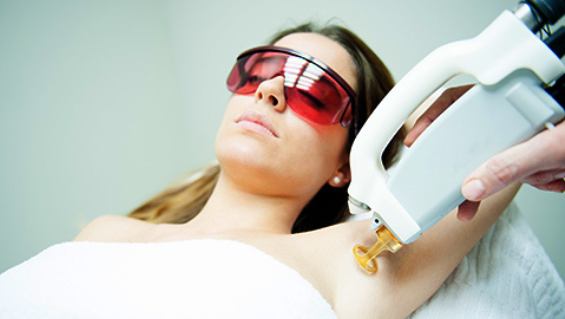
Preparing for Aftercare After Laser Hair Removal: A Comprehensive Guide
After undergoing laser hair removal treatment, the right aftercare routine is essential for ensuring optimal results and minimizing potential side effects. In this detailed expansion, we'll explore three key aspects of preparing for your aftercare: staying hydrated, avoiding sun exposure, and choosing comfortable clothing.
1. Staying Hydrated: The Key to Skin Healing
Hydration is a vital aspect of skin health, and it becomes even more crucial after laser hair removal. Water helps to flush out toxins, nourish skin cells, and promote healing. Here's how you can stay hydrated effectively:
- Drink Plenty of Water: Aim to consume at least eight glasses of water per day, or more if you're particularly active or live in a hot climate. Staying hydrated from within will help your skin recover faster and look its best.
- Avoid Dehydrating Beverages: Limit your intake of caffeinated drinks, alcohol, and sugary sodas, as these can contribute to dehydration. Instead, opt for herbal teas, fresh fruit juices, or infused water to keep your body hydrated.
- Monitor Your Urine Color: A good indicator of hydration is the color of your urine. Ideally, it should be pale yellow or almost clear. If it's darker, it's a sign that you need to drink more water.
2. Avoiding Sun Exposure: Protecting Your Skin from Damage
Laser hair removal can leave your skin more sensitive to sunlight, making it essential to protect yourself from sun exposure. Here's how you can do it:
- Limit Outdoor Activities: Stay indoors as much as possible, especially during peak sun hours (usually between 10 am and 4 pm). If you must go outside, try to minimize your exposure time.
- Wear Protective Clothing: Cover up with long-sleeved shirts, pants, and a wide-brimmed hat to shield your skin from direct sunlight.
- Apply Sunscreen: Use a broad-spectrum sunscreen with an SPF of 30 or higher, and reapply every two hours or immediately after swimming or sweating. Make sure to apply it generously to all exposed areas, including the treated skin.
- Seek Shade: Whenever possible, seek shade or use an umbrella to protect yourself from the sun's harmful rays.
3. Choosing Comfortable Clothing: Reducing Friction and Irritation
Choosing the right clothing after laser hair removal is crucial for avoiding discomfort and promoting healing. Here's what you should look for:
- Loose-Fitting Clothing: Opt for loose-fitting garments that don't rub against your skin. Tight clothing can cause friction and irritation, which can exacerbate any discomfort and slow down the healing process.
- Breathable Fabrics: Choose clothing made from natural, breathable fabrics such as cotton or linen. These fabrics allow your skin to breathe and stay cool, reducing the risk of sweat-induced irritation.
- Avoid Rough Textures: Steer clear of clothing with rough textures or seams that could rub against your skin and cause irritation. Instead, choose smooth, soft fabrics that feel gentle against your skin.
- Layer Wisely: If you live in a cooler climate, layer your clothing to stay warm without compromising comfort. Avoid tight layers that could cause friction or bunch up against your skin.
By staying hydrated, avoiding sun exposure, and choosing comfortable clothing, you can create an optimal environment for your skin to heal after laser hair removal. Remember to follow your dermatologist's instructions carefully and seek guidance if you have any questions or concerns. With the right aftercare routine, you can enjoy smooth, hair-free skin for years to come.
Immediate Post-Treatment Care After Laser Hair Removal: A Step-by-Step Guide
After undergoing laser hair removal, the first few hours and days are crucial for managing any temporary side effects and ensuring proper healing. In this detailed expansion, we'll explore three essential steps for immediate post-treatment care: applying ice packs, using a gentle cleanser, and applying a soothing gel or cream.
1. Applying Ice Packs: Reducing Redness and Swelling
Applying ice packs or cold compresses to the treated areas immediately after laser hair removal can help reduce redness, swelling, and discomfort. Here's how to do it effectively:
- Wrap the Ice Pack: Wrap an ice pack or a bag of frozen peas in a clean, soft towel to avoid direct contact with your skin. This will prevent ice burn and protect your skin from potential irritation.
- Apply Gently: Gently apply the wrapped ice pack to the treated areas for short intervals, such as 10-15 minutes at a time. Avoid leaving it on for too long, as this could cause skin damage.
- Repeat as Needed: Repeat the process every few hours as needed, or as directed by your dermatologist. The cooling effect of the ice pack will help soothe your skin and minimize any temporary discomfort.
2. Using a Gentle Cleanser: Keeping Skin Clean and Healthy
It's essential to keep the treated areas clean and free from debris or bacteria to prevent infection and promote healing. Here's how to use a gentle cleanser effectively:
- Choose the Right Cleanser: Opt for a gentle, fragrance-free cleanser that is suitable for sensitive skin. Avoid harsh soaps or exfoliants that could irritate your skin and slow down the healing process.
- Wash Gently: Wash the treated areas with warm water and the gentle cleanser, using your fingertips to gently lather and rinse. Avoid scrubbing or rubbing vigorously, as this could cause irritation.
- Pat Dry: Gently pat the skin dry with a soft, clean towel, avoiding rubbing or tugging on the treated areas.
3. Applying a Soothing Gel or Cream: Alleviating Discomfort and Sensitivity
Applying a soothing gel or cream recommended by your dermatologist can help alleviate any temporary discomfort or sensitivity caused by laser hair removal. Here's how to use it effectively:
- Follow Directions: Carefully read and follow the instructions provided by your dermatologist or the product's packaging. This will ensure that you're using the gel or cream correctly and safely.
- Apply Liberally: Apply the gel or cream liberally to the treated areas, massaging it gently into the skin. This will help calm the skin and promote healing.
- Reapply as Needed: Depending on the product and your skin's needs, you may need to reapply the gel or cream several times a day. Follow your dermatologist's recommendations or the product's instructions for the best results.
By following these steps for immediate post-treatment care, you can help reduce redness, swelling, and discomfort after laser hair removal. Remember to be gentle with your skin, and always consult with your dermatologist if you have any questions or concerns. With proper care and attention, you can enjoy smooth, hair-free skin for years to come.
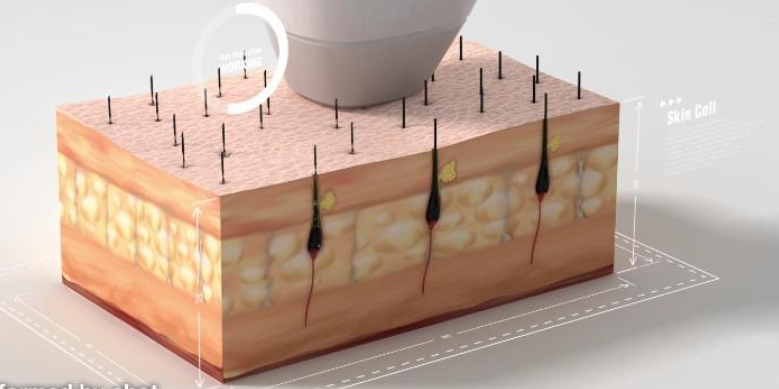
Avoiding Irritants After Laser Hair Removal: Ensuring Smooth Healing
After laser hair removal, it's crucial to avoid exposing the treated areas to irritants that could hinder the healing process or cause unwanted side effects. In this detailed expansion, we'll explore three key areas to avoid: hot showers, saunas, and steam rooms; scratching or picking; and harsh chemicals and fragrances.
1. Hot Showers, Saunas, and Steam Rooms: Managing Heat Exposure
Exposing the treated areas to excessive heat, such as hot showers, saunas, or steam rooms, can be detrimental to the healing process after laser hair removal. Here's why:
- Increased Skin Sensitivity: Heat can increase skin sensitivity, making the treated areas more prone to irritation, redness, and discomfort.
- Prolonged Healing: Prolonged exposure to heat can slow down the healing process by affecting the skin's ability to repair itself.
To avoid these issues, opt for lukewarm showers instead of hot ones and avoid saunas or steam rooms for at least a week after your treatment. If you must go to a sauna or steam room, cover the treated areas with a towel or bandage to minimize heat exposure.
2. Avoid Scratching or Picking: Protecting Against Infection and Scarring
Scratching or picking at the treated areas after laser hair removal can have serious consequences, including infection and scarring. Here's how to avoid this:
- Resist the Urge: It's natural to feel an itching sensation after laser hair removal, but it's important to resist the urge to scratch or pick at the skin.
- Gently Pat the Area: If itching occurs, gently pat the area with your fingertips or use a soft, clean cloth to alleviate the discomfort.
- Use Soothing Products: Applying a soothing gel or cream recommended by your dermatologist can help alleviate itching and reduce the urge to scratch.
Remember, scratching or picking can disrupt the skin's healing process and increase the risk of infection or scarring. Always be gentle with your skin and seek medical advice if you're concerned about any side effects.
3. Harsh Chemicals and Fragrances: Choosing Gentle Skincare Products
Using harsh skincare products, perfumes, or fragrances on the treated areas after laser hair removal can irritate the skin and interfere with the healing process. Here's how to choose gentle skincare products:
- Read the Labels: Carefully read the ingredient lists of skincare products to avoid those containing harsh chemicals, fragrances, or dyes that could irritate your skin.
- Opt for Fragrance-Free: Look for fragrance-free products that are suitable for sensitive skin. Fragrances can often be irritants, so avoiding them can help keep your skin calm and comfortable.
- Stick to the Basics: Stick to gentle cleansers, soothing gels or creams, and hydrating moisturizers that are recommended by your dermatologist. Avoid using too many products or layering them excessively, as this can clog pores and irritate the skin.
By avoiding irritants such as heat, scratching, and harsh chemicals, you can help ensure a smooth and successful healing process after laser hair removal. Always follow your dermatologist's recommendations and seek medical advice if you have any concerns or questions about your post-treatment care.
Protecting the Skin After Laser Hair Removal: Essential Sun Safety Measures
After undergoing laser hair removal, it's paramount to protect the treated areas from the sun's harmful ultraviolet (UV) rays. Exposure to the sun can lead to hyperpigmentation, skin irritation, and other complications that can hinder the healing process. In this detailed expansion, we'll explore three key strategies for protecting your skin after laser hair removal: avoiding direct sun exposure, using broad-spectrum SPF, and covering the treated areas.
1. Protect from Sun Exposure: Shielding Your Skin from UV Rays
Direct sunlight is the primary source of UV rays, which can cause damage to the skin, particularly in the aftermath of laser hair removal. Here's how to protect yourself:
- Plan Your Outdoor Activities: Avoid being outdoors during peak sun hours, typically between 10 am and 4 pm, when the sun's rays are strongest. If you must be outside during these times, seek shade whenever possible.
- Use Protective Clothing: Wear clothing that covers the treated areas, such as long-sleeved shirts, pants, and wide-brimmed hats. This provides an extra layer of protection against UV rays.
- Stay Indoors: If possible, stay indoors or in air-conditioned environments with minimal sun exposure during the first few days after your treatment.
2. Broad-Spectrum SPF: Applying Sunscreen Correctly
Applying a broad-spectrum sunscreen with an SPF of 30 or higher is crucial for protecting your skin from UV rays. Here's how to do it effectively:
- Choose the Right Sunscreen: Look for a broad-spectrum sunscreen that protects against both UVA and UVB rays. Ensure the SPF is 30 or higher for optimal protection.
- Apply Generously: Apply sunscreen generously to all exposed areas, including the treated areas. Don't forget to reapply to areas that may have been missed or rubbed off.
- Reapply Regularly: Reapply sunscreen every two hours or more frequently if you're sweating, swimming, or toweling off. This ensures continuous protection against UV rays.
- Use Sunscreen as Part of Your Routine: Make sunscreen a part of your daily routine, even on cloudy days or in the winter, as UV rays can still penetrate through clouds and snow.
3. Cover the Treated Areas: Adding an Extra Layer of Protection
When you're outdoors, especially during peak sun hours, covering the treated areas with clothing or a wide-brimmed hat provides an extra layer of protection against UV rays. Here's how to do it:
- Wear Long-Sleeved Clothing: Choose clothing made from lightweight, breathable fabrics that cover the treated areas. Long-sleeved shirts and pants offer the best protection.
- Use a Wide-Brimmed Hat: A wide-brimmed hat with a brim that shades your face, neck, and shoulders provides additional protection for these delicate areas.
- Wear Sunglasses: Protect your eyes from UV rays by wearing sunglasses with 100% UV protection.
By implementing these sun safety measures, you can minimize the risk of skin damage and ensure a successful healing process after laser hair removal. Remember, protecting your skin from the sun is a lifelong commitment, not just a temporary measure after a cosmetic procedure.
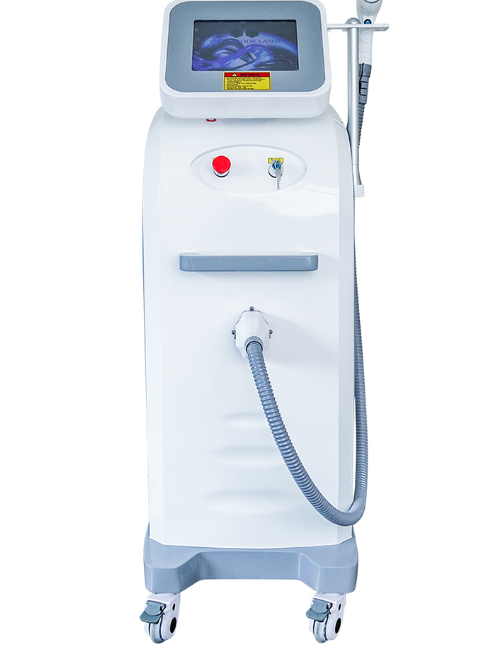
Maintaining Hygiene After Laser Hair Removal: Gentle Care for Optimal Results
Maintaining proper hygiene after laser hair removal is essential for preventing infections, promoting healing, and ensuring optimal results. By following a gentle and mindful approach to skin care, you can minimize irritation and discomfort while allowing the treated areas to heal properly. Below, we'll expand on three key hygiene practices: gentle exfoliation, avoiding excessive friction, and skipping deodorants or perfumes.
1. Gentle Exfoliation: Nurturing Skin Renewal
Gentle exfoliation plays a crucial role in maintaining skin health after laser hair removal. It helps to remove dead skin cells that can accumulate on the surface, promoting healthy hair growth and preventing ingrown hairs. Here's how to approach it:
- Wait for the Right Time: Wait a few days after your treatment to allow the skin to heal and settle before introducing exfoliation. Your dermatologist will advise you on the appropriate timing.
- Choose a Mild Exfoliant: Use an exfoliant specifically recommended by your dermatologist, preferably one that is gentle and non-abrasive. Avoid harsh scrubs or exfoliants that contain rough particles.
- Follow Directions: Follow the instructions provided by your dermatologist or the product manufacturer carefully. Apply the exfoliant in gentle, circular motions, avoiding any excessive pressure or rubbing.
- Listen to Your Skin: Pay attention to how your skin responds to exfoliation. If you experience any redness, irritation, or discomfort, discontinue use and consult your dermatologist.
2. Avoid Excessive Friction: Protecting Sensitive Skin
After laser hair removal, the treated areas are particularly sensitive and prone to irritation. Avoiding excessive friction is essential for promoting healing and preventing complications. Here's how to do it:
- Pat Dry Gently: When drying the skin, avoid using rough towels or aggressive rubbing motions. Instead, pat the skin gently with a soft towel to remove excess moisture.
- Choose Comfortable Clothing: Wear loose-fitting, breathable clothing that doesn't rub or chafe against the treated areas. Avoid tight-fitting clothing or fabrics that may cause irritation.
- Avoid High-Impact Activities: If possible, avoid high-impact activities that may cause excessive sweating or friction on the treated areas. If you must engage in these activities, take extra precautions to protect your skin.
3. Skip Deodorants or Perfumes: Minimizing Irritation
Deodorants and perfumes can contain irritants that can disrupt the healing process after laser hair removal. To minimize irritation and ensure optimal results, avoid using these products directly on the treated areas. Here's how to navigate this:
- Choose Fragrance-Free Alternatives: Opt for fragrance-free deodorants and body care products that are suitable for sensitive skin. Look for products that are specifically designed for post-treatment use or have been recommended by your dermatologist.
- Apply Products Carefully: If you must use deodorant or perfume, apply it carefully to areas adjacent to the treated areas, avoiding direct contact. Allow the treated skin to breathe and heal without additional chemicals or fragrances.
- Listen to Your Dermatologist: Follow your dermatologist's recommendations regarding the use of deodorants, perfumes, and other body care products. They will advise you on the best practices for your individual case.
By following these hygiene practices, you can ensure that your skin receives the gentle, supportive care it needs after laser hair removal. Remember, patience and a mindful approach to skin care are key to achieving optimal results.
Follow-up Appointments and Post-Treatment Observations: Ensuring Optimal Recovery and Outcomes
After undergoing laser hair removal, follow-up appointments and post-treatment observations are crucial steps in ensuring optimal recovery and results. By actively participating in this process, you can work closely with your dermatologist to monitor the treatment's progress, address any concerns, and ensure that everything is healing correctly. Here's a detailed expansion on the importance of follow-up appointments and reporting unusual symptoms.
1. Scheduled Follow-up Appointments: A Vital Component of Your Recovery Journey
Scheduled follow-up appointments with your dermatologist are essential for several reasons:
- Monitoring Progress: These appointments allow your dermatologist to assess the treatment's progress and ensure that the skin is healing as expected. They will check for signs of inflammation, infection, or other complications and address them promptly if necessary.
- Adjusting Treatment Plan: If needed, your dermatologist may adjust your post-treatment care plan based on the observed progress. This could include recommending additional treatments, adjusting the use of topical medications, or providing guidance on skin care products.
- Answering Questions and Concerns: Follow-up appointments provide an opportunity for you to ask questions and express any concerns you may have about your recovery. Your dermatologist will address these issues thoroughly and provide reassurance and support.
- Promoting Patient Education: These appointments also serve as a platform for educating you about the expected healing process, potential side effects, and self-care measures that can enhance your recovery.
To ensure a smooth recovery, it's important to attend all scheduled follow-up appointments and follow your dermatologist's instructions carefully.
2. Reporting Unusual Symptoms: The Importance of Prompt Communication
If you experience any unusual or concerning symptoms after your laser hair removal treatment, it's crucial to reach out to your dermatologist immediately. Prompt communication is essential for several reasons:
- Early Intervention: Reporting unusual symptoms early allows your dermatologist to intervene promptly and prevent potential complications from escalating. Early treatment can often resolve issues more effectively and minimize discomfort.
- Accurate Diagnosis: Your dermatologist will use their expertise to accurately diagnose the cause of your symptoms and develop an appropriate treatment plan. Accurate diagnosis is critical for ensuring that you receive the right care and support.
- Peace of Mind: When you report unusual symptoms promptly, you can have peace of mind knowing that you're taking proactive steps to protect your health and well-being.
Examples of unusual symptoms to report include:
- Severe pain or discomfort that doesn't improve with over-the-counter medication
- Excessive redness, swelling, or bruising that persists or worsens
- Blisters, pustules, or other signs of infection
- Itching, burning, or tingling sensations that are unusual or persistent
- Changes in skin color or texture that are concerning
Remember, your dermatologist is your partner in your recovery journey. By communicating openly and honestly about any unusual symptoms or concerns, you can work together to ensure that you achieve optimal results and enjoy a smooth, comfortable recovery.
Conclusion: The Significance of Post-Laser Hair Removal Aftercare
The journey towards achieving smooth, hair-free skin through laser hair removal is just the beginning of a crucial post-treatment phase. Post-laser hair removal aftercare is not merely an optional step but a vital aspect of ensuring optimal results and minimizing any potential side effects. By embracing and adhering to a comprehensive aftercare routine, you are investing in the health and well-being of your skin, fostering a speedy and comfortable recovery process.
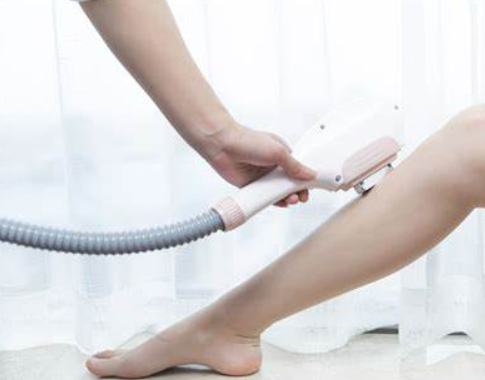
Protecting Your Skin: The Foundation of Aftercare
Immediately following laser hair removal, your skin will be in a delicate state, requiring extra care and attention. The laser energy used during the treatment can cause temporary inflammation, redness, and even some discomfort. Therefore, protecting your skin from further irritation or trauma is paramount. This involves avoiding activities that could exacerbate these symptoms, such as excessive sun exposure, hot showers, and vigorous exercise, for a few days after the treatment.
Promoting Healing: The Art of Nurturing Your Skin
Promoting healing is a central aspect of post-laser hair removal aftercare. By applying ice packs or cool compresses to the treated area, you can help reduce inflammation and swelling. Additionally, using gentle, non-comedogenic skin care products recommended by your dermatologist can support your skin's natural healing process. It's essential to avoid harsh chemicals, exfoliants, or abrasive scrubs that could irritate the delicate skin.
Minimizing Side Effects: Prevention is Key
While laser hair removal is generally considered a safe and effective procedure, some patients may experience mild to moderate side effects, such as redness, swelling, and blistering. By closely following your dermatologist's aftercare instructions, you can significantly minimize the risk of these side effects. This includes adhering to any prescribed medication schedules, avoiding unnecessary touching or picking at the treated area, and keeping the skin clean and moisturized.
Enjoying Long-Lasting Benefits: A Collaborative Effort
Achieving long-lasting benefits from laser hair removal requires a collaborative effort between you and your dermatologist. By attending all scheduled follow-up appointments, you are ensuring that your progress is being closely monitored and any concerns are being addressed promptly. These appointments also provide an opportunity for you to discuss your expectations and receive personalized advice on maintaining your smooth, hair-free skin.
Personalized Aftercare Instructions: The Key to Success
It's important to remember that every patient's skin is unique, and therefore, the aftercare instructions provided by your dermatologist will be tailored to your specific needs. Don't hesitate to ask questions or seek clarification if you're unsure about any aspect of your aftercare routine. By working closely with your dermatologist, you can ensure that your post-laser hair removal journey is as smooth and successful as possible.
In conclusion, post-laser hair removal aftercare is a crucial aspect of achieving the best results and minimizing any potential side effects. By protecting your skin, promoting healing, minimizing side effects, and following personalized aftercare instructions, you can enjoy the long-lasting benefits of laser hair removal with confidence. So, embark on this journey with the knowledge that your commitment to aftercare will pave the way for smooth, hair-free skin that you'll love to show off.