1. Introduction
The professional beauty industry continues to expand beyond traditional facial treatments and basic body care. In 2026, non-invasive body treatments are attracting increasing attention from beauty salons, medical spas, wellness centers, and aesthetic clinics. Clients are looking for treatments that support body wellness, improve the appearance of their skin, and provide a relaxing experience without surgery or significant downtime.
Among the technologies gaining attention, pressotherapy has become an important option for professional body care services. Also known as pneumatic compression therapy, pressotherapy uses controlled air pressure to create a sequential compression and release effect around different areas of the body. Through specially designed compression garments, the treatment applies rhythmic pressure to the legs, arms, abdomen, or other selected areas.
Unlike conventional massage, which relies primarily on manual techniques, professional pressotherapy equipment delivers programmable compression through multiple air chambers. This allows operators to adjust treatment pressure, timing, and compression sequences according to the equipment's design and individual client needs.
One of the main reasons pressotherapy is increasingly included in professional body treatment menus is its association with lymphatic drainage and circulation support. It can also complement non-invasive body contouring programs by helping clients manage temporary fluid retention and experience a more comfortable body treatment routine.
However, pressotherapy should not be confused with a fat-reduction procedure. Its primary role is mechanical compression, supporting fluid movement and providing a wellness-oriented treatment experience. Understanding how the technology works, what it can realistically achieve, and how professional equipment can improve treatment delivery is essential for modern beauty businesses.
2. Background: Why Lymphatic Drainage and Body Wellness Matter
The lymphatic system plays an important role in maintaining fluid balance and supporting the body's immune functions. It consists of lymphatic vessels, lymph nodes, and other structures that transport lymph throughout the body.
Unlike the cardiovascular system, which has the heart as its central pumping mechanism, the lymphatic system does not have a single central pump. Lymph movement depends on several factors, including muscle contractions, breathing movements, and the natural contraction of lymphatic vessels.
When fluid accumulates in the body's tissues, individuals may experience temporary swelling, heaviness, or a feeling of discomfort. Fluid retention can have different causes, including prolonged sitting or standing, lifestyle factors, certain medical conditions, and changes in normal circulation.
For professional beauty salons and wellness centers, these concerns create opportunities to introduce treatments focused on relaxation, body comfort, and the appearance of smoother-looking skin.
Traditional manual lymphatic drainage uses gentle, specialized hand movements to encourage lymph movement. While this approach can be valuable, it requires trained practitioners, consistent techniques, and sufficient treatment time.
Pressotherapy provides another approach by using pneumatic compression to create controlled pressure around the body. Rather than depending entirely on manual movements, the machine delivers a repeatable compression sequence through air-filled chambers.
This technology is particularly relevant to professional establishments that want to expand their body treatment services, improve operational consistency, and offer clients a structured treatment experience.
It is important to recognize that swelling can sometimes indicate an underlying medical issue. Persistent or unexplained swelling should be medically assessed rather than treated as an ordinary beauty concern.
3. Technology and Mechanism: How Pneumatic Compression Works
3.1 What Is Pressotherapy?
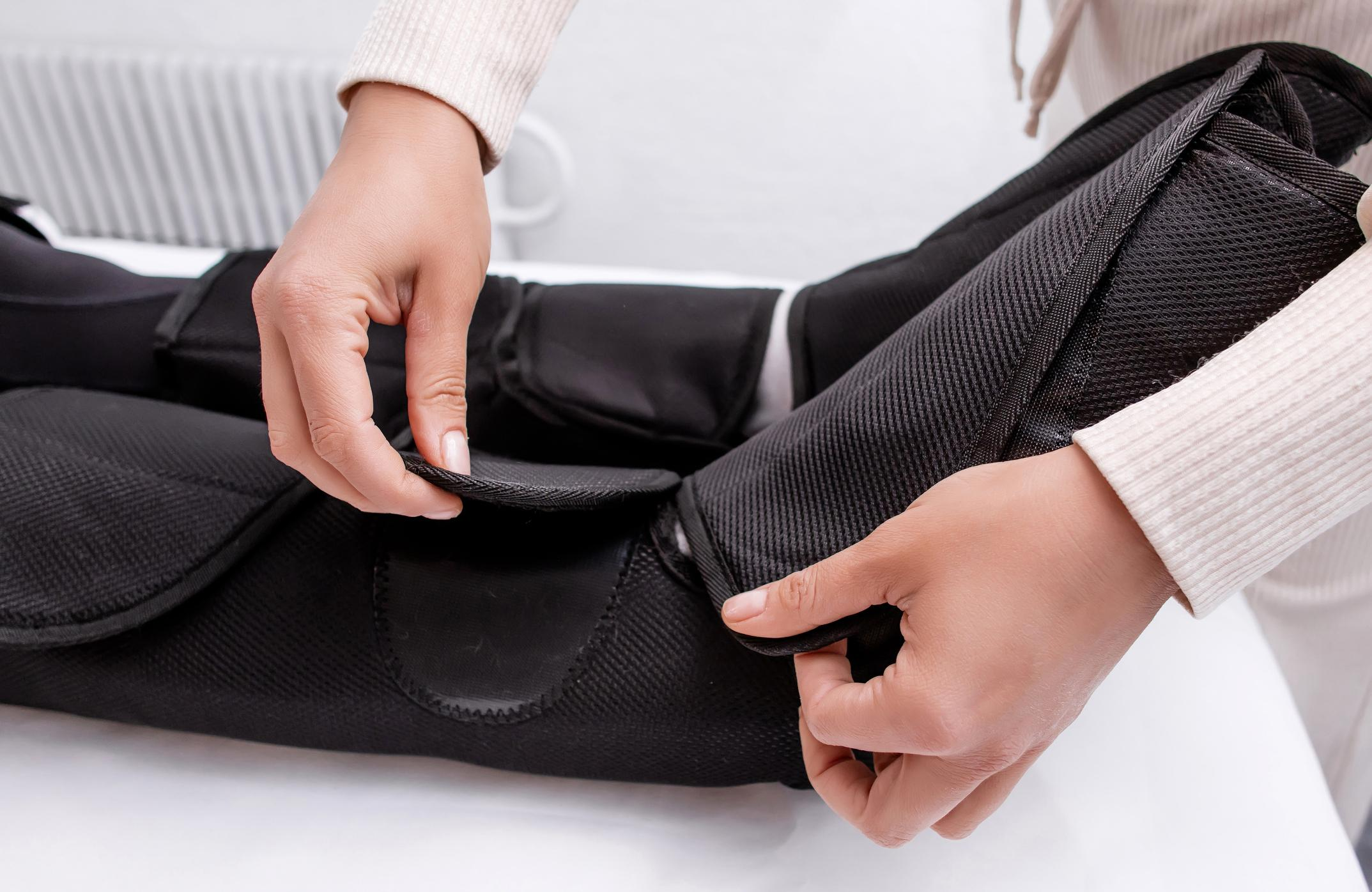
Pressotherapy is a non-invasive treatment technology that uses air pressure to compress selected body areas. A typical professional pressotherapy system includes an air-pressure control unit, connecting tubes, and specially designed garments or applicators.
These garments may include:
-
Leg compression boots
-
Arm compression sleeves
-
Abdominal compression belts
-
Full-body compression suits
Each garment contains multiple independent air chambers. When the system is activated, air enters these chambers according to a programmed sequence. The chambers inflate and deflate to create controlled pressure across different body regions.
The result is a rhythmic compression effect that can be adjusted according to the machine's available settings.

3.2 Sequential Compression and Lymphatic Drainage
The key principle behind pressotherapy is sequential pneumatic compression.
Instead of applying equal pressure to the entire treatment area simultaneously, many professional systems inflate individual air chambers in a specific order. Depending on the device configuration, compression may progress from the distal areas of the limbs toward the proximal areas.
For example, a leg compression program may begin around the feet and ankles before moving upward toward the calves and thighs.
This progressive compression creates a pressure gradient that can help encourage fluid movement toward the body's central circulation.
The compression-and-release cycle is important because it allows the treated tissues to experience alternating pressure rather than continuous compression.
When properly configured and clinically appropriate, intermittent pneumatic compression can support fluid movement and help manage certain forms of swelling. However, treatment outcomes depend on the device, pressure settings, treatment protocol, and individual circumstances.
3.3 Adjustable Pressure and Treatment Programs
Modern professional pressotherapy equipment often provides several adjustable parameters, including:
-
Pressure intensity: Determines the level of compression delivered by the air chambers.
-
Inflation sequence: Controls the order in which individual chambers inflate.
-
Compression duration: Determines how long pressure is maintained.
-
Release intervals: Allow the chambers to deflate between compression cycles.
-
Treatment programs: Provide preset sequences for different body areas or treatment preferences.
These functions allow professional operators to create more consistent treatment protocols.
However, stronger pressure does not automatically mean better results. Excessive compression may cause discomfort or create unnecessary risks, particularly for clients with underlying vascular or medical conditions.
Professional operators should follow the manufacturer's instructions, screen clients appropriately, and use pressure levels suitable for the individual.
3.4 How Pressotherapy Fits into Body Contouring
Pressotherapy is often included in non-invasive body contouring programs, but its role should be clearly understood.
Technologies such as radiofrequency, ultrasound cavitation, and cryolipolysis are designed to target different aspects of body appearance through specific physical mechanisms.
Pressotherapy works differently. It primarily provides mechanical compression and may support temporary fluid redistribution and the management of swelling in appropriate circumstances.
It does not directly destroy fat cells or produce the same biological effects as fat-targeting technologies.
For this reason, professional clinics may position pressotherapy as a complementary treatment within a broader body wellness or body contouring service rather than as a standalone fat-loss solution.
4. Advantages and Comparison: Why Professional Pressotherapy Equipment Matters
4.1 Consistent and Controlled Treatment Delivery
One of the biggest advantages of professional pressotherapy equipment is treatment consistency.
Manual massage depends heavily on the practitioner's experience, hand movements, and physical endurance. Different operators may apply different levels of pressure or follow slightly different treatment rhythms.
Professional pneumatic compression systems provide a more standardized approach. Once the treatment parameters are selected, the machine follows a programmed sequence, helping operators maintain a consistent treatment routine.
This is particularly valuable for busy beauty salons and aesthetic clinics that want to provide repeatable services while managing multiple appointments throughout the day.
4.2 Multiple Treatment Areas
Professional pressotherapy systems can be configured for different body areas.
Depending on the equipment, treatment accessories may include leg boots, abdominal belts, and arm sleeves. Full-body systems can combine several compression garments into one coordinated treatment session.
This flexibility allows beauty businesses to develop different service packages, such as:
-
Leg relaxation and compression treatments.
-
Abdominal wellness programs.
-
Full-body lymphatic drainage sessions.
-
Post-exercise relaxation services.
-
Complementary treatments within body contouring programs.
The availability of multiple accessories can also help businesses serve a wider range of client preferences.

4.3 Efficiency and Treatment Experience
Another advantage is the ability to perform compression treatments without requiring continuous manual intervention.
After correctly positioning the garments and selecting the appropriate program, the operator can monitor the session while preparing other aspects of the service.
For clients, rhythmic compression creates a structured treatment experience that many find relaxing. The controlled inflation and deflation of air chambers provides a distinctive sensation compared with traditional massage.
Nevertheless, professional supervision remains important. Operators should monitor comfort, garment positioning, and the client's response throughout the session.
4.4 Professional Equipment vs. Home-Use Compression Devices
Home-use compression products have become more accessible, but they are not necessarily equivalent to professional pressotherapy systems.
|
Comparison |
Professional Equipment |
Basic Home-Use Devices |
|---|---|---|
|
Pressure adjustment |
Often offers broader control |
Usually more limited |
|
Treatment programs |
Multiple programmable sequences |
Often preset modes |
|
Accessories |
May support multiple body areas |
Commonly limited |
|
Operational use |
Designed for professional service environments |
Designed for individual use |
|
Treatment management |
Operator-controlled protocols |
User-managed operation |
For professional establishments, equipment selection should consider more than the number of programs or maximum pressure. Air chamber design, garment fit, pressure accuracy, operating stability, cleaning requirements, and after-sales support are also important.
A well-designed professional system helps businesses deliver a more organized service and build a consistent treatment experience.
5. Applications and Client Needs: Where Pressotherapy Fits into Professional Beauty Services
5.1 Lymphatic Drainage and Fluid Management
Lymphatic drainage is one of the most recognized applications associated with pressotherapy.
Sequential pneumatic compression can help support fluid movement in appropriately selected clients. Medical intermittent pneumatic compression is also used as part of certain supervised lymphedema management protocols.
A 2026 systematic review of seven randomized controlled trials reported reductions in lower-limb edema or limb volume with intermittent pneumatic compression. However, these findings relate to specific medical devices and treatment protocols, not automatically to every commercial beauty pressotherapy machine.
For beauty clinics, the practical opportunity is to provide structured compression-based wellness services while maintaining realistic expectations about results.
5.2 Complementary Body Contouring Treatments
Pressotherapy can be incorporated into broader non-invasive body care programs.
For example, a clinic may offer radiofrequency treatments for skin tightening, ultrasound-based treatments for body contouring, and pressotherapy as a complementary compression service.
Each technology has a different function:
-
Radiofrequency: Uses controlled thermal energy to target tissue heating and support skin-tightening treatments.
-
Ultrasound cavitation: Uses acoustic energy as part of selected non-invasive body contouring protocols.
-
Cryolipolysis: Uses controlled cooling to target subcutaneous fat in appropriately selected candidates.
-
Pressotherapy: Uses pneumatic compression to support fluid movement and provide a compression-based wellness experience.
Combining these technologies does not mean that they produce identical effects. Instead, a professional treatment plan can address different client concerns through appropriately selected services.
5.3 Wellness and Post-Exercise Recovery Services
Pressotherapy is also suitable for wellness-oriented service menus.
Clients who spend long hours sitting, standing, or engaging in physically demanding activities may be interested in treatments that provide a relaxing compression experience.
Some wellness centers incorporate pneumatic compression into post-exercise recovery routines. However, beauty operators should avoid presenting ordinary pressotherapy as a proven treatment for injuries, muscle disorders, or medical conditions.
The emphasis should remain on client comfort, appropriate treatment selection, and responsible service delivery.
5.4 Important Client Screening and Safety Considerations
Although pressotherapy is non-invasive, it is not suitable for everyone.
Before treatment, operators should review relevant health information and check for potential contraindications. Depending on the device and clinical circumstances, conditions requiring medical assessment or avoidance of compression may include:
-
Suspected or confirmed deep vein thrombosis.
-
Severe peripheral arterial disease.
-
Decompensated heart failure.
-
Acute skin infections or significant inflammation.
-
Unexplained swelling or sudden changes in limb size.
-
Certain postoperative conditions.
-
Severe sensory impairment or other conditions affecting pressure tolerance.
This is not an exhaustive screening list. Contraindications vary by device, treatment indication, and individual medical circumstances. Professional operators should follow manufacturer guidance and obtain medical clearance when appropriate.
Treatment should stop if the client experiences unusual pain, numbness, dizziness, or other concerning symptoms.
6. Conclusion: The Future of Pressotherapy in Professional Body Care
In 2026, pressotherapy continues to represent a practical technology for professional beauty businesses looking to expand their non-invasive body treatment services.
By using controlled pneumatic compression, professional pressotherapy equipment creates sequential pressure cycles that can support fluid movement and provide a structured wellness treatment experience. Its flexibility, programmable operation, and compatibility with other body care technologies make it a useful addition to many professional service menus.
However, successful treatment delivery depends on choosing appropriate equipment, understanding its mechanism, selecting suitable clients, and establishing responsible treatment protocols.
For beauty salons, medical spas, and aesthetic clinics, investing in professional pressotherapy equipment is not simply about adding another machine. It is about expanding service possibilities, improving operational consistency, and responding to growing interest in non-invasive body wellness.
As the professional beauty industry continues to evolve, pneumatic compression is likely to remain a relevant complementary technology in comprehensive body care programs
Founded in 2008, Guangzhou GLM Beauty Spa Equipment Factory specializes in research, development, manufacture and selling of beauty and slimming machines. Our production base is located in Guangzhou City, Guangdong Province, China. Since our foundation, we have introduced advanced technologies and equipment, to assure high quality and high performance of our products. With professional marketing guide and excellent after-sales service, our products have been exported to over 20 countries and regions, including Southeast Asia, the Middle East, Europe and the United States, won worldwide praises and gained a good reputation