Introduction
Modern beauty salons and aesthetic clinics are moving beyond traditional manual facials. Clients increasingly expect personalized treatments that address specific concerns such as clogged pores, uneven texture, dehydration, dullness, loss of firmness, and visible signs of skin aging.
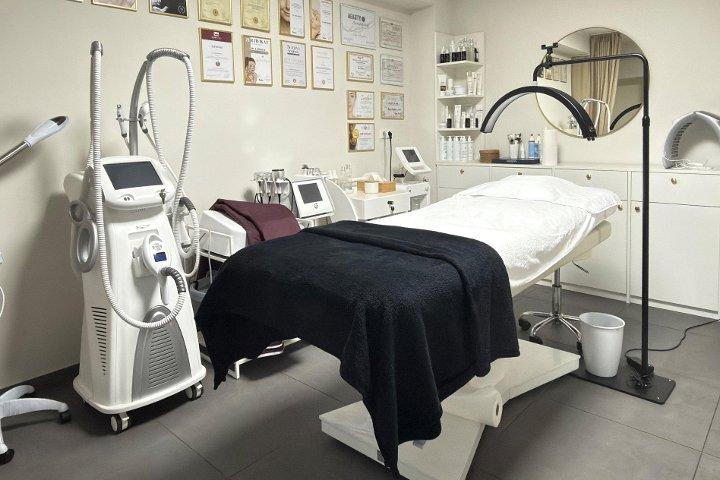
This shift has made professional facial equipment an important part of modern treatment rooms. Instead of relying on a single facial technique, professional practitioners can combine cleansing, exfoliation, infusion, light therapy, radiofrequency, ultrasound, or other technologies according to the client's skin condition and treatment goals.
Professional facial machines are not simply larger versions of home skincare devices. Their value lies in how they integrate controlled technology into a professional treatment protocol. The practitioner evaluates the skin, selects appropriate parameters, prepares the treatment area, operates the equipment correctly, and adjusts the procedure according to the client's response.
For beauty salons, spas, and aesthetic clinics, the right equipment can therefore become more than a treatment tool. It can help expand the service menu, create structured treatment programs, and support a more professional client experience.
Background: Why Professional Facial Equipment Matters
A traditional facial may include cleansing, exfoliation, massage, masking, and product application. These steps remain useful, but modern clients often look for treatments that are more targeted and technology-driven.
A professional facial machine can introduce controlled physical or energy-based processes into different stages of a treatment. For example, hydrodermabrasion systems can combine cleansing and exfoliation with fluid-based treatment, while microdermabrasion focuses on mechanical exfoliation. LED systems use specific wavelengths of light, and RF systems deliver radiofrequency energy for professional skin-tightening protocols.
Industry suppliers commonly position these technologies as complementary components of professional facial treatment menus rather than as one universal solution.
This distinction is important. A clinic does not necessarily need the machine with the greatest number of functions. It needs equipment that matches its clientele, treatment menu, operator skills, available space, and business model.
For example, a facial-focused salon may prioritize hydrodermabrasion and LED technology, while an aesthetic clinic offering advanced skin-firming services may require RF or ultrasound-based systems. A multifunction facial platform may also be useful when the clinic wants to build several treatment protocols around one workstation.
A Modern Facial Treatment Is Often a Process, Not a Single Device
Rather than asking which machine is “the best,” professional operators can ask a more practical question:
Which technology solves a specific client need at a specific stage of the treatment?
This approach helps clinics build logical treatment sequences.
A typical professional facial may include:
Skin assessment → cleansing → exfoliation → targeted treatment → serum or product application → soothing or LED therapy → finishing skincare
Depending on the device and local regulations, different technologies can be incorporated into different stages of this workflow.
Technology and Mechanism
1. Hydrodermabrasion: Cleansing, Exfoliation and Hydration
Hydrodermabrasion has become a popular technology for facial treatment menus because it combines several treatment steps into one professional system.
The technology generally uses controlled fluid flow, vacuum, and specialized tips to cleanse and exfoliate the skin while delivering a liquid or serum-based treatment. Compared with conventional dry exfoliation, hydrodermabrasion can create a treatment experience centered around both surface renewal and hydration.
For professional operators, the advantage is workflow flexibility. A hydrodermabrasion platform can be used as a standalone facial service or incorporated into a broader treatment protocol. Some clinics also use this type of treatment before or between other professional procedures, depending on their protocols.
This makes hydrodermabrasion particularly suitable for clients concerned with dull-looking skin, surface buildup, congestion, or dehydration.
2. Microdermabrasion: Controlled Mechanical Exfoliation
Microdermabrasion works through controlled mechanical exfoliation of the superficial skin surface.
Professional systems may use diamond tips or other specialized mechanisms to remove accumulated surface cells and improve the appearance of skin texture. This technology is often incorporated into facial treatments where surface renewal and smoother-looking skin are priorities.
The key professional advantage is control. Operators can select appropriate equipment settings, treatment areas, and passes according to the client's skin condition rather than applying the same procedure to every client.
Microdermabrasion is therefore commonly positioned as part of a structured facial treatment rather than an isolated beauty step.
3. Radiofrequency: Energy-Based Skin Firming
Radiofrequency, commonly known as RF, uses electromagnetic energy to generate controlled heating within targeted tissue.
In professional aesthetics, RF systems are commonly incorporated into treatments designed around the appearance of skin firmness and facial contour. Different RF configurations can be designed for different treatment approaches, so practitioners should follow the manufacturer's operating parameters and training requirements.
The main value of RF equipment for a professional clinic is not simply the technology itself. It is the ability to integrate controlled energy delivery into a repeatable treatment protocol.
For clinics, this can create opportunities to develop dedicated skin-firming services and treatment courses rather than relying exclusively on conventional facials. Professional suppliers commonly include RF among their core facial technologies for aesthetic practices.
4. LED Phototherapy: A Non-Invasive Treatment Component
LED facial systems use specific wavelengths of light as part of professional skincare protocols.
Different wavelengths are commonly selected for different treatment objectives. Red and near-infrared light, for example, are frequently associated with professional photobiomodulation applications, while blue light is commonly incorporated into protocols focused on blemish-prone skin.
One advantage of LED equipment is its flexibility. It can often be incorporated at the end of a facial treatment as a dedicated light therapy session or combined with other facial services.
For a beauty clinic, LED equipment can therefore function as both a standalone service and a complementary treatment component.
Advantages and Comparison: Professional Equipment vs. Home Devices
Home skincare devices have become increasingly accessible, including LED masks, microcurrent devices, cleansing devices, and other consumer products. However, professional facial equipment serves a different purpose.
The distinction is not simply about power.
Professional equipment provides a treatment environment built around the operator.
A trained practitioner can:
- Assess the client's skin before treatment
- Select appropriate treatment parameters
- Control treatment duration and technique
- Combine multiple technologies within a treatment plan
- Adjust the protocol according to skin response
- Maintain professional cleaning and equipment procedures
- Document treatment progress
- Integrate professional skincare products into the service
Home devices are generally designed for convenience and routine maintenance. Professional systems, by contrast, are designed to become part of a structured service delivered by an operator.
Recent consumer skincare coverage also emphasizes that home devices are generally positioned as maintenance tools rather than direct replacements for professional treatments.
This is particularly relevant for clinics. Clients may use consumer devices between appointments, but a professional facial treatment can provide a more controlled and personalized experience.
Applications and Client Needs
Deep Cleansing and Skin Preparation
Clients with visible surface buildup, clogged pores, or dull-looking skin may benefit from professional cleansing and exfoliation protocols.
Hydrodermabrasion, ultrasonic spatulas, vacuum-based cleansing systems, and microdermabrasion equipment can be selected according to the treatment plan.
The objective is not to use every available function. The operator should choose the technology that matches the client's condition.
Hydration-Focused Facial Treatments
Hydration is another common demand in professional facial services.
Hydrodermabrasion and infusion-oriented technologies can be incorporated into treatments designed to improve the appearance of dehydrated or tired-looking skin. These treatments can also become attractive recurring services because hydration-focused facials are relatively easy for clients to understand and integrate into regular skincare routines.
Skin Texture and Surface Renewal
For clients concerned with rough or uneven-looking skin, controlled exfoliation technologies can provide a more structured approach than manual exfoliation alone.
Microdermabrasion and related professional systems allow practitioners to work with controlled mechanical treatment while adapting the procedure to the treatment area.
Firmness and Facial Contouring Services
For clients primarily concerned with visible loss of firmness, clinics may consider energy-based technologies such as RF or ultrasound systems, depending on the equipment, indications, operator qualifications, and applicable regulations.
The important consideration is to build a treatment protocol around the technology rather than simply advertising the machine itself.
Clients respond better to a clear explanation of what the treatment is designed to address, how the session works, and what type of maintenance may be appropriate.
Customized Facial Programs
One of the strongest applications of professional facial equipment is customization.
A clinic can create different protocols for different client profiles:
Hydration Facial: cleansing + hydrodermabrasion + infusion + LED
Deep-Cleansing Facial: cleansing + exfoliation + extraction + soothing treatment
Skin-Texture Facial: preparation + controlled exfoliation + targeted skincare + LED
Firming Facial: skin preparation + RF-based treatment + finishing skincare
These are examples of treatment structures rather than universal medical protocols. Actual procedures should always follow the manufacturer's instructions, operator training, client assessment, and applicable local requirements.
Choosing Professional Facial Equipment for a Clinic
When purchasing facial equipment, clinics should evaluate more than the number of functions listed on the product page.
Technology Fit
Does the equipment support treatments that your existing clients actually request?
Treatment Workflow
Can the device be integrated smoothly into the treatment room without creating unnecessary setup time?
Operator Training
Is the interface intuitive? Does the manufacturer provide training, manuals, technical support, and appropriate operating guidance?
Reliability and Maintenance
Professional equipment needs to operate consistently across repeated treatments. Consumables, handpieces, replacement parts, cleaning requirements, and after-sales support should therefore be considered before purchase.
Customization and OEM Capability
For distributors, salon chains, and beauty brands, OEM/ODM options can also matter. Customized logos, colors, interfaces, packaging, and accessories can help create a consistent brand identity across a professional equipment portfolio.
Certification and Compliance
Clinics and distributors should verify the certifications, documentation, intended use, and regulatory requirements applicable to their market. Certification should not be treated simply as a marketing label; the documentation should correspond to the actual device and intended application.
Conclusion
Professional facial equipment has become an important component of modern beauty salons, spas, and aesthetic clinics because it allows practitioners to move from standardized facials toward more structured and customized treatment programs.
Hydrodermabrasion can support cleansing, exfoliation, and hydration-focused services. Microdermabrasion provides controlled mechanical exfoliation. LED systems add a non-invasive light-based treatment component, while RF and other energy-based technologies can support professional protocols focused on skin firmness and appearance.
The most valuable equipment is not necessarily the machine with the longest feature list. It is the system that fits the clinic's clients, treatment menu, operator capabilities, workflow, and long-term business strategy.
For beauty professionals, equipment should therefore be viewed as part of a complete service system. When the right technology is combined with trained operation, appropriate skincare products, clear treatment protocols, and consistent client assessment, professional facial equipment can help salons and clinics build more specialized, efficient, and commercially sustainable facial services
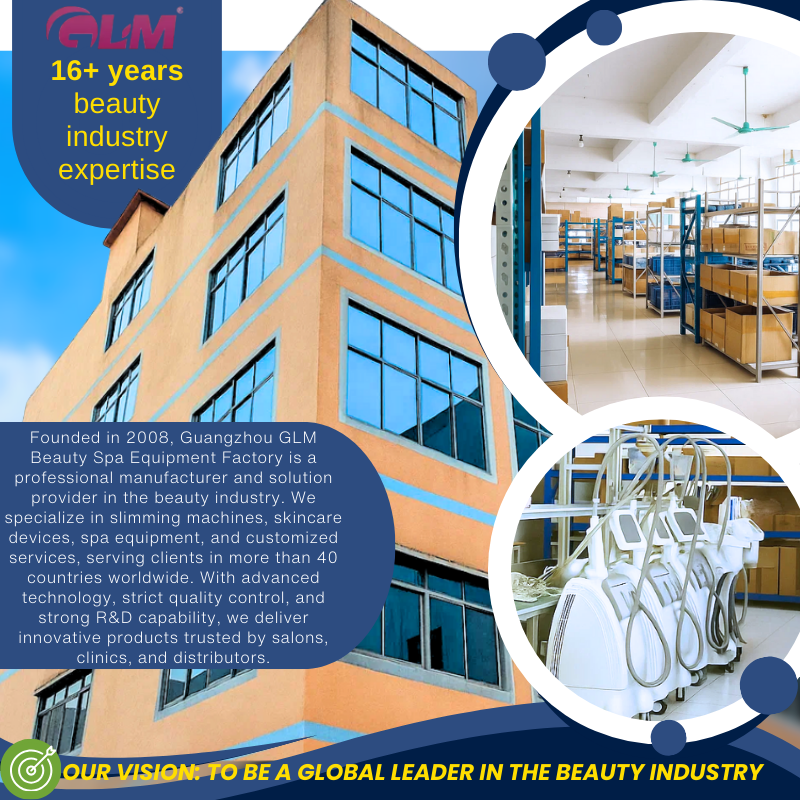
Founded in 2008, Guangzhou GLM Beauty Spa Equipment Factory specializes in research, development, manufacture and selling of beauty and slimming machines. Our production base is located in Guangzhou City, Guangdong Province, China. Since our foundation, we have introduced advanced technologies and equipment, to assure high quality and high performance of our products. With professional marketing guide and excellent after-sales service, our products have been exported to over 20 countries and regions, including Southeast Asia, the Middle East, Europe and the United States, won worldwide praises and gained a good reputation