Radio Frequency Microneedle Instrument Pricing: A Comprehensive Guide for Clinics and Medical Spas
In the rapidly evolving landscape of aesthetic medicine, radio frequency (RF) microneedling has emerged as a transformative treatment, combining the benefits of traditional microneedling with the advanced technology of RF energy delivery. This innovative procedure is sought after by patients and practitioners alike for its versatility, efficacy, and minimal downtime. For clinic owners, medical spa directors, and aesthetic entrepreneurs, understanding the nuances of RF microneedle instrument pricing is crucial for making informed decisions that impact both patient satisfaction and business profitability. This guide delves into the intricacies of RF microneedling device pricing, offering insights into the technology, market trends, and strategic considerations for procurement.
Understanding Radio Frequency Microneedling
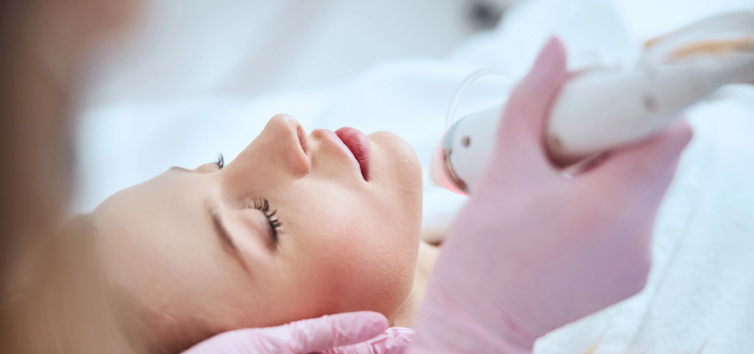
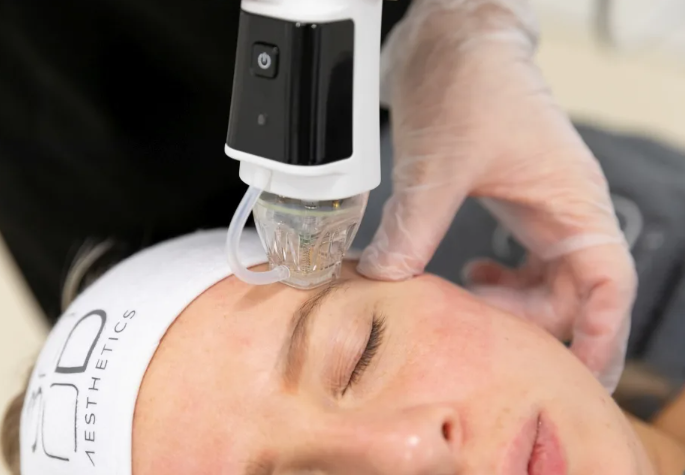
Radio frequency microneedling is a non-surgical cosmetic procedure that integrates the principles of microneedling with the thermal effects of RF energy. During the treatment, ultra-fine needles create controlled micro-injuries in the skin, stimulating the body's natural healing response. Simultaneously, RF energy is delivered through the needle tips, heating the dermal layer to promote collagen and elastin synthesis. This dual-action mechanism results in skin tightening, texture improvement, and reduction of fine lines, wrinkles, and acne scars.
Key Advantages:
- Versatility: Effective for facial rejuvenation, body contouring, stretch mark reduction, and scar revision.
- Safety: Minimal risk of hyperpigmentation or scarring, suitable for all skin types.
- Comfort: Many devices incorporate cooling mechanisms or numbing protocols to enhance patient comfort.
- Efficiency: Short treatment sessions with minimal downtime, making it ideal for busy lifestyles.
Types of RF Microneedling Devices
The market offers a range of RF microneedling devices, each with unique features and capabilities. Choosing the right device requires careful consideration of your practice's needs, patient demographics, and budget.
Leading Brands and Features:
- Morpheus8:
- Features: Deep fractional treatments, dual handpieces for different treatment depths, and adjustable pulse settings.
- Ideal For: Clinics seeking advanced customization and versatility.
- Secret RF:
- Features: Adjustable needle depths, powerful RF output, and intuitive user interface.
- Ideal For: Practices prioritizing ease of use and consistent results.
- Vivace:
- Features: Robotic precision, multi-level RF settings, and built-in cooling for enhanced comfort.
- Ideal For: Spas focusing on patient experience and minimal discomfort.
- INTRAcel, Potenza, Intensif, Scarlet SRF:
- Features: Combination therapies (e.g., RF + ultrasound), advanced needle design, and energy modulation.
- Ideal For: High-end clinics offering comprehensive aesthetic solutions.
Device Selection Criteria:
- Technology: Insulated vs. uninsulated needles, RF frequency, and energy delivery modes.
- Customization: Adjustable parameters, handpiece options, and treatment protocols.
- Ergonomics: Device weight, grip, and ease of maneuverability during procedures.
- Support: Training programs, warranty terms, and post-purchase technical assistance.
Factors Influencing RF Microneedle Instrument Pricing
The cost of RF microneedling devices varies widely, influenced by several key factors:
- Brand Reputation and Market Positioning:
- Established brands with a proven track record command premium pricing due to perceived reliability and clinical efficacy.
- Technological Advancements:
- Devices with cutting-edge features (e.g., AI-driven treatment algorithms, real-time impedance monitoring) are priced higher.
- Customization and Versatility:
- Advanced models offering multiple handpieces, adjustable depths, and energy settings typically cost more.
- Training and Certification:
- Comprehensive training programs, certification courses, and ongoing education support may be bundled or offered at an additional cost.
- Warranty and Post-Purchase Support:
- Extended warranties, rapid response technical support, and loaner device programs add to the overall cost.
- Consumables and Maintenance:
- Disposable needle tips, cartridges, and calibration kits contribute to ongoing expenses.
- Regulatory Compliance:
- Devices cleared by regulatory bodies (e.g., FDA, CE) undergo rigorous testing, increasing production costs.
- Marketing and Branding:
- High-end devices often include marketing materials, patient education resources, and promotional support.
Typical Price Ranges for RF Microneedling Devices
As of 2024, the pricing landscape for RF microneedling instruments can be categorized as follows:
- Entry-Level Devices (25,000):
- Features: Basic RF delivery, limited customization, and fewer handpiece options.
- Ideal For: Small clinics, mobile practices, or those new to RF microneedling.
- Mid-Range Devices (45,000):
- Features: Multiple handpieces, adjustable settings, and reliable performance.
- Ideal For: Established clinics seeking a balance between cost and functionality.
- Premium Devices (80,000+):
- Features: Advanced technology, superior patient comfort, and comprehensive support.
- Ideal For: High-end spas, dermatology practices, and clinics targeting affluent clientele.
Example Pricing:
- Morpheus8: 60,000 (standard configurations).
- Secret RF: 45,000 (variable based on features).
- Vivace: 70,000 (inclusive of training and marketing support).
Additional Costs to Consider
Beyond the initial purchase price, clinics must account for ongoing and one-time expenses:
- Staff Training:
- Cost: 2,000 per employee (may be included with device purchase).
- Importance: Ensures safe and effective treatment delivery.
- Maintenance and Repairs:
- Cost: 3,000 annually (for service contracts).
- Consideration: Prevents downtime and extends device lifespan.
- Consumables:
- Cost: 100 per disposable tip/cartridge.
- Impact: Affects treatment pricing and profit margins.
- Marketing and Promotion:
- Cost: Variable (digital campaigns, print materials, events).
- Goal: Drive patient awareness and demand for the new service.
- Regulatory and Insurance:
- Cost: Additional liability coverage and compliance-related expenses.
- Necessity: Ensures legal and ethical practice.
New vs. Pre-Owned & Leasing Options
Clinics have several options for acquiring RF microneedling devices:
- Buying New:
- Pros: Full warranty, latest features, and comprehensive support.
- Cons: High upfront cost.
- Buying Pre-Owned:
- Pros: Cost savings (30–50% less than new).
- Cons: Limited warranty, higher repair risk, and potential for outdated technology.
- Leasing/Financing:
- Pros: Spread payments over time, easier cash flow management, and potential for upgrades.
- Cons: Higher total cost over the lease term and less ownership flexibility.
Strategic Considerations:
- Startup Clinics: Leasing may be preferable to preserve capital.
- Established Practices: Ownership offers tax benefits and long-term cost savings.
Making an Informed Investment: Tips for Clinics and Medical Spas
To ensure a successful procurement, consider the following strategies:
- Assess Patient Demand:
- Conduct market research to gauge interest in RF microneedling.
- Analyze competitor offerings and pricing strategies.
- Compare Devices Thoroughly:
- Request on-site demonstrations and trial treatments.
- Evaluate clinical data, user reviews, and long-term reliability.
- Negotiate Effectively:
- Inquire about bundle discounts, extended warranties, and training packages.
- Explore trade-in options if upgrading from an existing device.
- Calculate Break-Even Point:
- Determine the number of treatments needed to recoup the investment.
- Adjust pricing strategies to ensure profitability.
- Prioritize Support and Service:
- Choose a vendor with a reputation for responsive support and timely repairs.
- Ensure access to spare parts and technical expertise.
Conclusion
Investing in a radio frequency microneedling instrument is a strategic decision that can elevate your clinic's service offerings, attract new patients, and drive revenue growth. By understanding the factors influencing device pricing, evaluating your practice's specific needs, and negotiating effectively, you can make a wise investment that delivers both clinical excellence and financial returns.
Final Recommendations:
- Research Thoroughly: Stay informed about the latest technologies and market trends.
- Seek Expert Advice: Consult with industry peers, vendors, and financial advisors.
- Plan for the Future: Consider scalability, upgrade options, and long-term support.
With careful planning and informed decision-making, your clinic or medical spa can harness the power of RF microneedling to achieve unprecedented success in the competitive aesthetic medicine market.
GLM is a specialized beauty instrument factory that produces instruments for a variety of functions, including weight loss devices. We have vacuum negative press, radio frequency fat blasting equipment, frozen fat dissolving machine and EMS body shaping machine. GLM is a 14 year old supplier of beauty instruments with guaranteed quality.https://gdglmbeauty.com/