
Radio Frequency Microneedle Machine: Advanced Operating Guide & Customized Treatment Protocols
Introduction
Radio frequency (RF) microneedling has emerged as a transformative technology in the field of non-surgical aesthetic medicine. By combining the benefits of traditional microneedling with the thermal effects of RF energy, this treatment addresses a wide spectrum of skin concerns, including signs of aging, acne scarring, skin laxity, and uneven texture. This comprehensive guide provides detailed insights into the operation of RF microneedle machines, step-by-step protocols, and evidence-based treatment plans tailored to specific skin conditions. Whether you are a seasoned aesthetician or a newcomer to the field, this guide will equip you with the knowledge and skills to deliver safe, effective, and personalized treatments.
Understanding Radio Frequency Microneedle Technology
Mechanism of Action
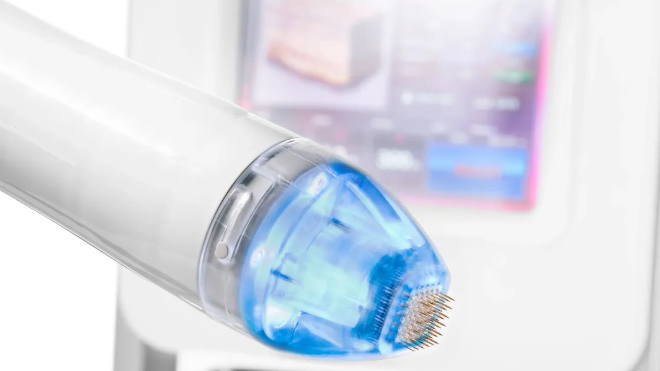
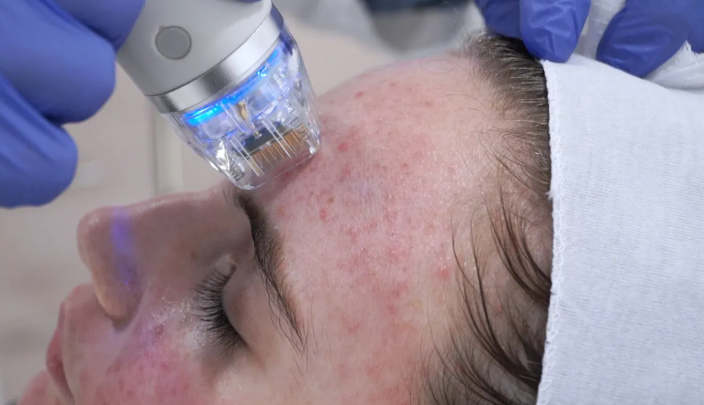
RF microneedling devices utilize arrays of ultra-fine needles that penetrate the skin’s surface, creating controlled micro-injuries. These micro-channels stimulate the body’s natural wound-healing response, leading to increased collagen and elastin production. Simultaneously, RF energy is delivered through the needles into the deeper dermal layers, where it generates thermal energy. This controlled heat causes coagulative necrosis in the targeted tissue, further promoting collagen remodeling and skin tightening.
Key Components and Features
- Adjustable Microneedle Depths: Typically ranging from 0.5 mm to 3.5 mm, allowing for customization based on the treatment area and skin condition.
- Customizable RF Energy Settings: Enables precise control over the intensity of thermal energy delivered, ensuring safety and efficacy.
- User-Friendly Digital Interface: Facilitates easy navigation and parameter adjustment during treatment.
- Safety Features:
- Real-Time Impedance Monitoring: Adjusts RF energy delivery based on the skin’s electrical resistance, preventing overheating and burns.
- Temperature Sensors: Maintain optimal thermal levels during treatment.
- Regulatory Compliance: Ensure the device is FDA-approved or CE-certified for safety and efficacy.
Clinical Benefits
- Minimally Invasive: Requires minimal downtime compared to surgical procedures.
- Versatility: Suitable for all skin types, including darker skin tones, with a low risk of post-inflammatory hyperpigmentation (PIH).
- Comprehensive Results: Addresses multiple skin concerns, including fine lines, wrinkles, acne scars, and skin laxity.
Pre-Treatment Preparation
Patient Screening and Contraindications
Before initiating treatment, conduct a thorough patient history to identify any contraindications, including:
- Active skin infections (e.g., herpes simplex, impetigo)
- Recent use of isotretinoin (within the past 6–12 months)
- Bleeding disorders or anticoagulant therapy
- Pregnancy or breastfeeding
- Implanted electronic devices (e.g., pacemakers, defibrillators)
- Keloid scarring or hypertrophic scarring tendency
- Uncontrolled diabetes or autoimmune disorders
Required Tools and Materials
- Sterile, single-use microneedle cartridges
- Gloves and personal protective equipment (PPE)
- Topical anesthetic cream (e.g., lidocaine 23%–30%)
- Antiseptic cleansing solutions (e.g., chlorhexidine, povidone-iodine)
- Alcohol wipes and single-use gauze
- Post-treatment serums (e.g., hyaluronic acid, growth factors)
- Cooling devices (e.g., cold air blowers, ice packs)
Skin Assessment and Mapping
- Evaluate the treatment area for skin type, thickness, and sensitivity.
- Identify target areas for deeper penetration (e.g., acne scars, deep wrinkles).
- Use a skin marker to outline treatment zones.
Patient Consent and Pre-Treatment Instructions
- Explain the procedure, benefits, risks, and expected outcomes.
- Obtain written informed consent.
- Advise patients to:
- Avoid sun exposure and tanning beds for at least 2 weeks prior.
- Discontinue retinoids, alpha-hydroxy acids (AHAs), and beta-hydroxy acids (BHAs) for 3–5 days.
- Avoid NSAIDs (e.g., ibuprofen, aspirin) for 7–10 days to minimize bruising.
Step-by-Step Operating Guide
1. Machine Setup and Calibration
- Connect the device to a power source and perform a pre-treatment safety check.
- Attach a new, sterile microneedle cartridge, ensuring proper alignment.
- Select initial settings based on the treatment area and skin type:
- Needle Depth: Start at 0.5–1.0 mm for sensitive areas (e.g., around eyes, neck).
- RF Energy: Begin with low settings (e.g., 10–20 W) and adjust as needed.
2. Sterilization Protocols
- Wash hands thoroughly and wear sterile gloves.
- Disinfect the device’s handpiece and contact surfaces with an alcohol wipe.
- Cleanse the patient’s skin with an antiseptic solution and allow it to dry.
3. Numbing and Comfort Management
- Apply a thick layer of topical anesthetic cream to the treatment area.
- Cover with an occlusive dressing (e.g., plastic wrap) to enhance absorption.
- Allow 20–30 minutes for full effect, then remove excess cream and re-sanitize the skin.
4. Performing the Procedure
- Test Spot: Begin with a small test area at conservative settings to assess patient comfort and skin response.
- Treatment Technique:
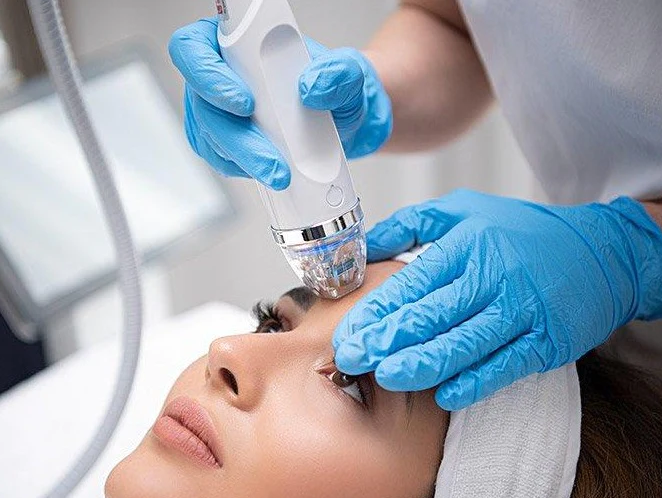
- Use overlapping passes in a systematic pattern (e.g., grid, circular).
- Maintain steady, even pressure to ensure consistent needle penetration and RF energy delivery.
- Adjust settings for sensitive areas (e.g., reduce depth and energy around eyes, lips).
- Monitoring:
- Observe for pinpoint bleeding (a normal response indicating adequate depth).
- Check for signs of excessive discomfort, erythema, or edema.
- Use a cooling device to minimize discomfort and erythema.
5. Post-Treatment Completion
- Cleanse the treated area with a gentle cleanser to remove any debris.
- Apply a soothing serum (e.g., hyaluronic acid, aloe vera) and a broad-spectrum SPF 30+ sunscreen.
- Provide the patient with post-treatment care instructions.
Treatment Plans for Different Skin Concerns
1. Fine Lines and Wrinkles
- Needle Depth: 0.5–1.0 mm
- RF Energy: 10–20 W
- Frequency: Every 4–6 weeks
- Number of Sessions: 3–4
- Focus Areas: Crow’s feet, forehead lines, nasolabial folds, marionette lines
- Tip: Use lower energy settings for sensitive or mature skin to minimize irritation.
2. Acne Scars and Textural Issues
- Needle Depth: 1.5–2.5 mm (deeper for atrophic scars)
- RF Energy: 20–30 W
- Frequency: Every 4–6 weeks
- Number of Sessions: 4–6
- Focus Areas: Cheeks, chin, temples, and areas with pitted or rolling scars
- Add-On: Combine with platelet-rich plasma (PRP) or peptide-enriched serums to enhance healing and collagen synthesis.
3. Skin Tightening and Rejuvenation
- Needle Depth: 1.0–2.0 mm
- RF Energy: 15–25 W
- Frequency: Every 4–8 weeks
- Number of Sessions: 2–4
- Target Areas: Jawline, neck, décolletage, cheeks, and abdomen
- Maintenance: Booster sessions every 6–12 months as needed.
4. Hyperpigmentation and Melasma
- Needle Depth: 0.5–1.0 mm
- RF Energy: 10–15 W
- Frequency: Every 4–6 weeks
- Number of Sessions: 3–5
- Focus Areas: Cheeks, forehead, and areas of hyperpigmentation
- Add-On: Combine with topical brightening agents (e.g., tranexamic acid, kojic acid) for enhanced results.
5. Stretch Marks
- Needle Depth: 1.5–3.0 mm (depending on skin thickness)
- RF Energy: 20–30 W
- Frequency: Every 6–8 weeks
- Number of Sessions: 4–6
- Focus Areas: Abdomen, thighs, hips, and breasts
- Tip: Use a combination of deeper needle depths and higher energy settings for mature stretch marks.
Aftercare and Recovery Guidelines
Immediate Post-Treatment Care
- Apply a cooling gel or mask to reduce erythema and swelling.
- Advise patients to:
- Avoid touching or picking at the treated area.
- Refrain from sun exposure, makeup, and active skincare (e.g., retinols, acids) for at least 24–48 hours.
- Use a gentle, fragrance-free cleanser and moisturizer.
- Apply broad-spectrum SPF 30+ daily, even on cloudy days.
Expected Post-Treatment Reactions
- Mild Erythema and Edema: Typically resolves within 1–2 days.
- Pinpoint Bleeding or Bruising: May occur but is usually transient.
- Dryness or Flaking: May develop 3–5 days post-treatment; use a hydrating moisturizer.
Home Care Routine
- Cleansing: Use a mild, non-irritating cleanser twice daily.
- Moisturizing: Apply a fragrance-free, hypoallergenic moisturizer.
- Sun Protection: Reapply SPF 30+ every 2 hours if outdoors.
- Avoid: Hot showers, saunas, strenuous exercise, and alcohol for 24–48 hours.
Follow-Up and Monitoring
- Schedule a follow-up appointment 1–2 weeks post-treatment to assess healing and address any concerns.
- Monitor for delayed side effects, such as:
- Persistent redness, swelling, or pain.
- Blistering, crusting, or pus formation (indicative of infection).
- Hyperpigmentation or hypopigmentation.
Troubleshooting & Frequently Asked Questions
Common Issues and Solutions
- Inadequate Results:
- Reassess needle depth, RF energy, and treatment frequency.
- Ensure full coverage and adherence to post-procedure care.
- Consider combining with other modalities (e.g., PRP, chemical peels).
- Excessive Pain or Discomfort:
- Increase numbing time or use a stronger anesthetic.
- Lower device settings (depth and energy).
- Use a cooling device during treatment.
- Machine Error Codes:
- Refer to the manufacturer’s manual for troubleshooting.
- Common fixes include:
- Resetting the device.
- Checking cartridge connections.
- Recalibrating the device before use.
- Post-Treatment Complications:
- Infection: Treat with topical or oral antibiotics.
- Hyperpigmentation: Use topical brightening agents and sun protection.
- Scarring: Refer to a dermatologist for evaluation and management.
Patient FAQs
- How soon will I see results?
- Gradual improvement is typically seen within 4–6 weeks, with optimal results at 3–6 months as collagen remodeling occurs.
- Is there downtime?
- Most patients experience minimal downtime, with mild redness and swelling resolving within 1–2 days. Makeup can usually be applied after 24 hours.
- Is RF microneedling safe for darker skin types?
- Yes, when performed at moderate energy settings by trained professionals, the risk of hyperpigmentation is minimal. However, post-treatment sun protection is crucial.
- How long does the treatment take?
- Treatment duration varies depending on the area treated but typically ranges from 30 minutes to 1 hour.
- Can RF microneedling be combined with other treatments?
- Yes, RF microneedling can be combined with PRP, chemical peels, or laser treatments for enhanced results. However, consult with a dermatologist to ensure safety and efficacy.
Conclusion
Radio frequency microneedling is a powerful, versatile tool in the aesthetician’s arsenal, offering transformative results with minimal downtime. By mastering patient assessment, device operation, and tailored treatment plans, practitioners can deliver safe, effective, and personalized care. Comprehensive aftercare and patient education are equally critical for optimizing outcomes and ensuring patient satisfaction.
GLM is a specialized beauty instrument factory that produces instruments for a variety of functions, including weight loss devices. We have vacuum negative press, radio frequency fat blasting equipment, frozen fat dissolving machine and EMS body shaping machine. GLM is a 14 year old supplier of beauty instruments with guaranteed quality.https://gdglmbeauty.com/