
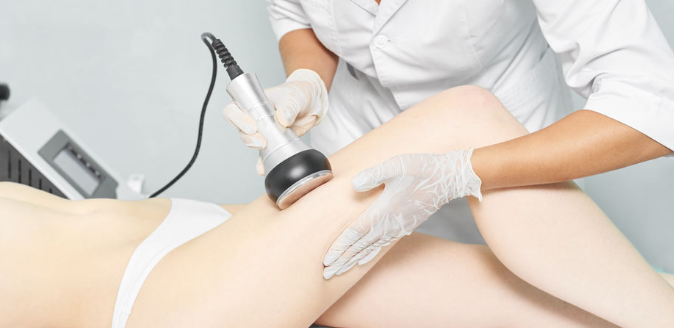
In recent years, ultrasonic cavitation has attracted much attention as a non-invasive method for fat reduction. As we delve into the complexity of this technology, a key question emerges: Does ultrasonic cavitation increase the risk of cancer? This comprehensive guide will reveal the science of ultrasonic cavitation, its effectiveness, its potential benefits, and focus on answering questions about its safety.
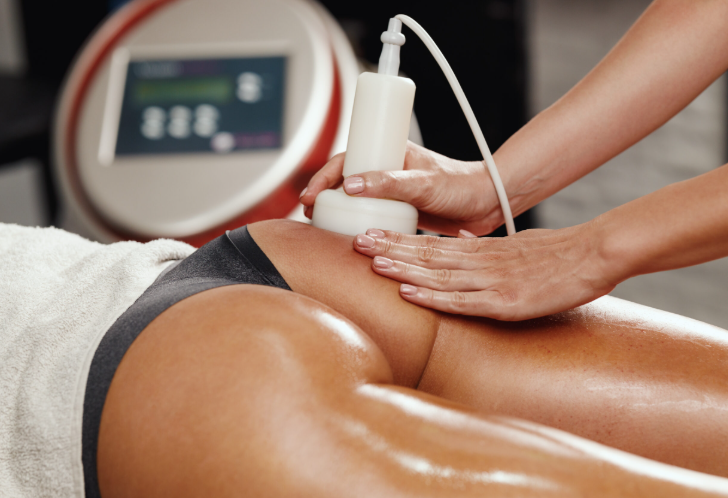
Understanding ultrasonic cavitation: An introduction
Ultrasonic cavitation, also known as the "cavitation effect," has become a popular option for people seeking non-surgical fat loss. It does not carry the same high risk as liposuction and is especially suitable for areas such as the abdomen and buttocks that are difficult to reach with traditional weight loss methods.
Principles of ultrasonic cavitation: How does it work?
Ultrasonic cavitation uses low-frequency ultrasound waves to create microbubbles within adipose tissue that implode under the circulating pressure of the ultrasound waves, thereby disintegrating nearby fat cells. The body then naturally expunges this metabolized fat through the lymphatic system.
The effect of ultrasonic cavitation: Significant?
For many people, ultrasonic cavitation is effective in non-invasive fat loss and body shaping. Although the effects vary from individual to individual (such as body composition and metabolic rate), positive changes are usually seen after multiple treatments. It is important to note that ultrasonic cavitation is not a weight loss method, but a means of shaping stubborn fat blocks.
Potential benefits of ultrasonic cavitation: Scientific evidence
Ultrasonic cavitation has multiple potential benefits, including non-invasive fat loss, toning, improved skin quality, and no recovery period. Combined with a healthy lifestyle, it can enhance overall health and bring lasting results.
Ultrasonic cavitation and cancer: anatomy of the link
Concerns about whether ultrasonic cavitation can cause cancer stem mainly from toxins that may be released during the destruction of fat cells. However, as of the current state of knowledge (2023 and beyond), studies have not found a clear link between ultrasonic cavitation and cancer. The scientific consensus tends to agree that ultrasonic cavitation is a generally safe procedure when performed correctly.
Scientific research and expert opinion
Although the scientific research on ultrasonic cavitation is still ongoing, the existing research results indicate that it has positive results. The potential risks and benefits of the technology are being deeply explored. Some studies have even explored the use of high-intensity focused ultrasound as an adjunct to cancer treatment, but this does not mean that low-intensity ultrasound cavitation for fat loss poses a cancer risk.
Experts agree that there is no conclusive evidence that ultrasonic cavitation causes cancer. The destruction and release of fat cells, while worrisome, has not been scientifically proven to be linked to cancer.
Safety of ultrasonic cavitation: a thorough examination
Compared with invasive treatments such as liposuction, ultrasonic cavitation has a higher safety profile. When performed correctly by a certified professional, ultrasonic cavitation is generally safe. Possible side effects are usually mild and temporary, such as mild swelling, redness, or discomfort.
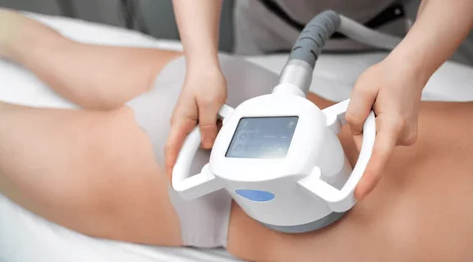
Preventive measures of ultrasonic cavitation therapy
To ensure a safer and more optimized ultrasound cavitation treatment experience, the following precautions should be taken:
Seek professional advice
Discuss medical history
Set realistic expectations
Stay hydrated
Develop a healthy lifestyle
Follow a consistent treatment plan
Get post-treatment care
Frequently Asked Questions
Q1: Is ultrasonic cavitation associated with other diseases?
A1: As of the current state of knowledge, no link has been established between ultrasonic cavitation and other diseases. Most of the reported side effects were brief and benign.
Q2: What health conditions should ultrasonic cavitation be avoided?
A2: It should be avoided by people with health conditions such as heart disease, liver disease, kidney disease, blood disease, skin disease in the treated area, implants or prostheses, pregnancy, breastfeeding, epilepsy, and acute or infectious diseases.
Q3: What are the alternatives to ultrasonic cavitation for fat loss and shaping?
A3: There are several alternatives to ultrasonic cavitation, such as CoolSculpting (frozen lipolysis), radiofrequency therapy, laser lipolysis, liposuction, high intensity focused electromagnetic fields (HIFEM), and injection lipolysis. Each approach has its advantages and potential risks, so consult a healthcare provider or expert to choose the best option for you.
conclusion
To sum up, the claim that ultrasonic cavitation causes cancer lacks solid scientific evidence. It remains a safe and effective option for non-invasive fat loss and body shaping. Consulting with healthcare providers and certified professionals is essential to personalize guidance and ensure a positive experience. The journey to reduce body fat through ultrasonic cavitation offers individuals a safe and confident path to achieve an ideal body profile.