
Say Goodbye to Subcutaneous Fat: Effective Ways to Get Rid of It
In today's fitness-conscious world, having excess subcutaneous fat is something many individuals strive to eliminate.
Not only does subcutaneous fat affect how we look, but it can also impact our overall health and increase the risk of
various chronic diseases. That's why it's essential to understand the causes and effective strategies to get rid of
it. In this blog post, we will delve into the subject of subcutaneous fat and provide you with proven techniques to
say goodbye to it once and for all.
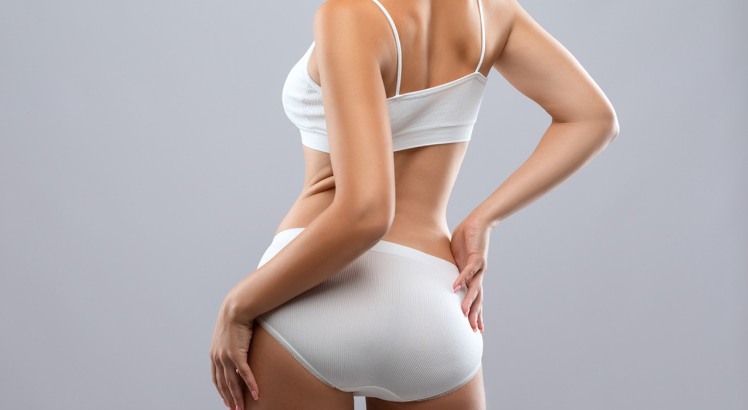
Understanding Subcutaneous Fat
As we embark on the journey to shed unwanted fat, it's crucial to have a clear understanding of the various fat deposits within our bodies. Among these, subcutaneous fat holds a significant place.
What Is Subcutaneous Fat?
Subcutaneous fat is precisely the type of fat that lies immediately beneath the skin. It serves as a protective layer, cushioning our bodies against sudden impacts and helping regulate body temperature. Unlike visceral fat, which accumulates around our vital organs like the heart, liver, and pancreas, subcutaneous fat does not pose the same direct health risks. However, it can still contribute to weight gain and certain aesthetic concerns.
Where Does Subcutaneous Fat Tend to Accumulate?
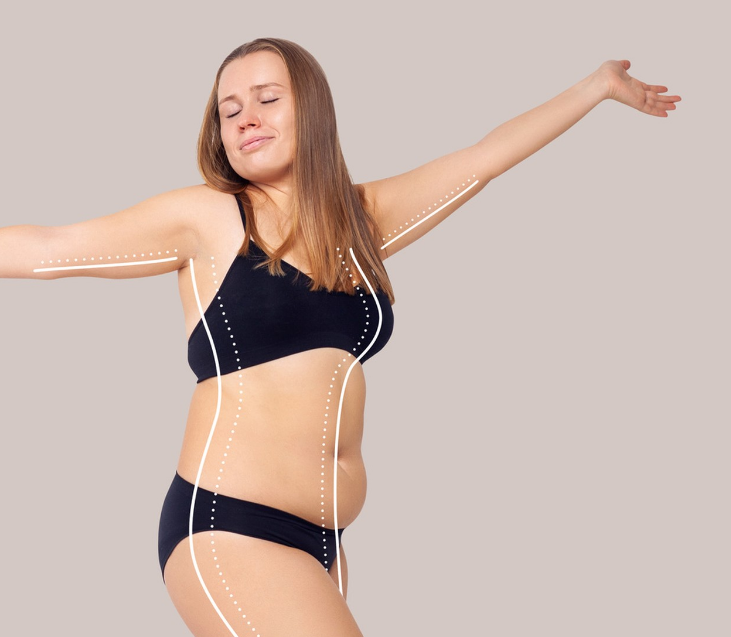
Common areas where subcutaneous fat tends to accumulate include:
- Abdomen: The midsection, especially the lower abdomen, is a prime spot for subcutaneous fat accumulation.
- Thighs: Outer and inner thighs are common areas for subcutaneous fat deposits.
- Buttocks: The buttocks region is another place where subcutaneous fat tends to accumulate.
- Arms: The upper arms, particularly the triceps area, can become prone to subcutaneous fat accumulation.
Factors Contributing to Subcutaneous Fat Accumulation
There are numerous factors that contribute to the accumulation of subcutaneous fat:
- Unhealthy Diet: A diet high in processed foods, sugars, and unhealthy fats can lead to weight gain and increased subcutaneous fat.
- Sedentary Lifestyle: A lack of physical activity or a sedentary lifestyle can contribute to weight gain and fat accumulation.
- Genetic Predisposition: Genetics plays a role in determining where and how much fat our bodies tend to store.
- Hormonal Changes: Hormonal fluctuations, such as those during puberty, pregnancy, or menopause, can influence fat distribution.
- Overall Calorie Imbalance: Consuming more calories than your body burns can result in weight gain, including an increase in subcutaneous fat.
Spot Reduction: A Myth
It's important to note that spot reduction — targeting specific areas to lose fat — is a myth. You cannot selectively lose fat from one area of your body. However, by implementing effective strategies, such as a balanced diet and regular exercise, you can reduce overall body fat, which includes subcutaneous fat. This, in turn, can lead to a more toned and sculpted appearance in the areas where subcutaneous fat tends to accumulate.
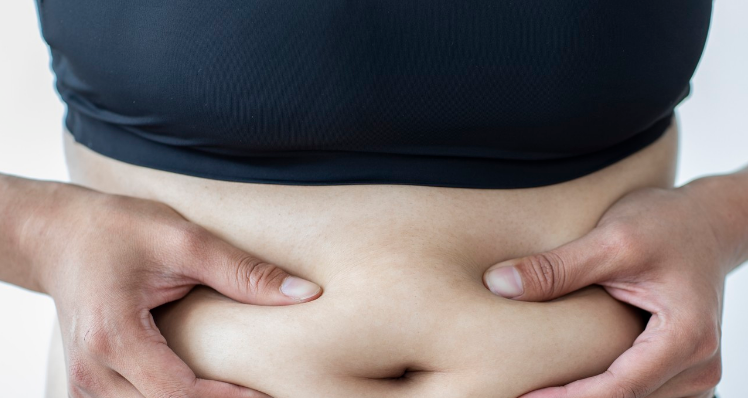
The Dangers of Excessive Subcutaneous Fat
The Dangers of Excessive Subcutaneous Fat
Excessive subcutaneous fat is not merely a concern for aesthetic reasons; it is also a significant health concern that can have far-reaching implications. This type of fat, which lies beneath the skin, not only alters our body's appearance but also contributes to various chronic health conditions.
Risk of Obesity
Accumulation of excessive subcutaneous fat is closely linked to obesity. Obesity is a condition characterized by an excessive amount of body fat, often resulting from an imbalance between energy intake and expenditure. Being obese can significantly increase the risk of developing various chronic diseases.
Increased Risk of Heart Disease
Individuals with excessive subcutaneous fat are more likely to develop heart disease. Fat deposits can contribute to the buildup of plaque in the arteries, which can narrow the blood vessels and restrict blood flow to the heart. This can lead to heart attacks, strokes, and other cardiovascular complications.
Higher Risk of Type 2 Diabetes
Excessive subcutaneous fat is also associated with an increased risk of type 2 diabetes. Fat cells, particularly in the abdominal area, can release hormones and inflammatory substances that interfere with the body's ability to regulate blood sugar levels. This can lead to insulin resistance, a precursor to type 2 diabetes.
Hypertension (High Blood Pressure)
Individuals with excessive subcutaneous fat are more prone to developing hypertension, or high blood pressure. Fat deposits can contribute to the narrowing of blood vessels, which increases the resistance to blood flow. As a result, the heart has to work harder to pump blood throughout the body, leading to increased blood pressure.
Risk of Certain Cancers
Excessive subcutaneous fat has also been linked to an increased risk of certain types of cancer, including breast cancer, colon cancer, and endometrial cancer. Fat cells can produce hormones and other growth factors that can promote the development of cancer cells.
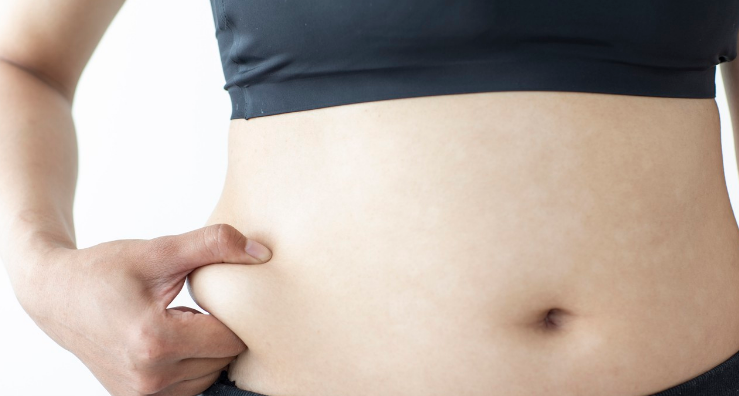
Proven Strategies for Reducing Subcutaneous Fat
Now, let's dive into the effective strategies that will help you get rid of subcutaneous fat and achieve a leaner
body:
A. A Balanced and Nutritious Diet
Maintaining a balanced and nutritious diet is a crucial aspect of reducing subcutaneous fat. Here are some detailed dietary practices that you can incorporate into your daily routine to achieve this goal:
Calorie Deficit and Portion Control
To lose fat effectively, it is essential to create a calorie deficit, which means consuming fewer calories than your body requires. To determine your daily calorie needs, you can use various online calculators or consult a nutritionist. Once you have an estimate of your daily calorie requirements, aim to create a calorie deficit by eating slightly fewer calories than your body burns.
Portion control is also a crucial aspect of weight loss. Eating too much, even if the food is healthy, can still lead to weight gain. Practice portion control by using smaller plates and bowls, measuring out your portions, and avoiding second servings.
Emphasize Whole Foods and Lean Proteins
Whole, unprocessed foods are a key component of a healthy diet. These foods are rich in nutrients and lower in calories, making them ideal for weight loss. Opt for whole grains, lean meats, and other unprocessed foods whenever possible.
Lean proteins are an essential part of a balanced diet, as they provide your body with the necessary amino acids for muscle growth and recovery. Include lean proteins like chicken breast, fish, tofu, and legumes in your meals. These proteins are low in fat and calories, yet high in protein, making them an excellent choice for weight loss.
Incorporate Fruits and Vegetables
Fruits and vegetables are an excellent source of essential vitamins, minerals, and fiber. They not only contribute to weight loss but also improve overall health. Incorporate a variety of fruits and vegetables into your diet, aiming for at least five servings per day.
Fruits like apples, oranges, bananas, and berries are packed with nutrients and provide a sweet, satisfying snack. Vegetables like broccoli, spinach, carrots, and tomatoes are low in calories yet high in fiber, vitamins, and minerals. Incorporate both raw and cooked vegetables into your meals to add variety and flavor.
Remember, a balanced and nutritious diet is not only about weight loss; it is also about nourishing your body and improving your overall health. By incorporating these dietary practices into your routine, you can effectively reduce subcutaneous fat and achieve a healthier, more fit body.
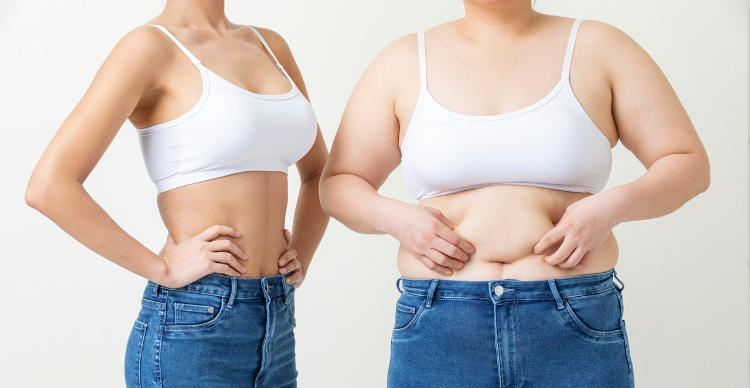
B. Regular Aerobic Exercise
Regular aerobic exercise plays a pivotal role in burning stored fat, particularly subcutaneous fat, and in promoting overall health. If you're aiming to reduce subcutaneous fat, consider incorporating the following aerobic activities into your daily routine:
Brisk Walking or Jogging
Brisk walking or jogging are excellent aerobic activities that can help you burn calories and reduce fat. You can start with a slow and steady pace, gradually increasing the intensity and duration as your fitness improves. These activities are low-impact, making them suitable for people of all ages and fitness levels.
Cycling
Cycling is another great aerobic exercise that can help you burn calories and reduce fat. Whether you choose to cycle outdoors or indoors on a stationary bike, cycling is a low-impact activity that provides a great cardio workout. You can adjust the intensity by varying your speed and resistance to challenge yourself and burn more calories.
Swimming
Swimming is a fantastic aerobic exercise that offers a full-body workout while being gentle on the joints. It's an excellent choice for people with joint pain or injuries, as it provides resistance without the impact of land-based exercises. Swimming can help you burn calories and reduce fat while improving your cardiovascular health.
Dancing
Dancing is not only fun but also a great way to burn calories and reduce fat. You can choose to dance to your favorite music at home or join a dance class to learn new moves and challenge yourself. Dancing provides a cardio workout while also improving your coordination, flexibility, and balance.
Rowing
Rowing is a challenging aerobic exercise that can help you burn a significant number of calories. It's a full-body workout that engages multiple muscle groups, including your arms, legs, and core. Rowing can be done on a rowing machine or outdoors on a rowing boat, providing a great cardio and strength-training workout.
Playing Sports like Tennis or Basketball
Playing sports like tennis or basketball are excellent aerobic exercises that can help you burn calories and reduce fat. These sports provide a cardio workout while also improving your coordination, agility, and endurance. You can play with friends or join a team to enjoy the social aspect of sports while achieving your fitness goals.
Remember, consistency is key when it comes to aerobic exercise. Try to incorporate at least 30 minutes of moderate-intensity aerobic exercise into your daily routine, gradually increasing the intensity and duration as your fitness improves. This will help you burn calories, reduce subcutaneous fat, and promote overall health and well-being.
C. Strength Training for Lean Muscle Development
C. Strength Training for Lean Muscle Development
Building lean muscle mass is crucial for boosting metabolism and burning more calories, even during rest. To achieve this, incorporating strength training exercises into your routine is essential. Here are some effective strength training methods you can consider:
Weightlifting
Weightlifting is a classic strength training method that involves using weights to challenge your muscles. You can start with basic exercises like squats, deadlifts, bench presses, and shoulder presses. Gradually increase the weight and complexity of your workouts to continuously challenge your muscles and promote growth.
Resistance Band Workouts
Resistance bands are a convenient and portable alternative to weights. They provide variable resistance, allowing you to perform a wide range of exercises. You can use resistance bands for exercises like bicep curls, tricep extensions, lateral raises, and leg curls. These workouts are great for targeting specific muscle groups and building lean muscle.
Bodyweight Exercises
Bodyweight exercises are another excellent way to build lean muscle. Push-ups, squats, lunges, and pull-ups are all examples of bodyweight exercises that can be performed anywhere, with no equipment required. These exercises effectively target multiple muscle groups, helping you build a strong and lean physique.
Remember, consistency and progressive overload are key when it comes to strength training. Regularly challenging your muscles with heavier weights or more complex exercises will promote muscle growth and help you achieve your desired results.
D. Incorporating HIIT Workouts for Fat Burning
High-Intensity Interval Training (HIIT) is a highly effective way to burn calories and increase fat loss. HIIT workouts involve intense bursts of exercise followed by short recovery periods, which maximizes calorie burn and improves cardiovascular health.
To incorporate HIIT workouts into your routine, consider performing exercises like burpees, mountain climbers, jump squats, and high knees in short intervals. You can start with a warm-up of 5-10 minutes, followed by 20-30 seconds of intense exercise and 30-60 seconds of recovery. Repeat this cycle for 15-20 minutes, and finish with a cool-down.
HIIT workouts are extremely challenging, so it's important to start slowly and gradually increase the intensity as your fitness improves. Performing HIIT workouts 2-3 times per week can help you burn calories, reduce fat, and improve your overall fitness level.
E. Ensuring Sufficient Sleep and Managing Stress
Sleep deprivation and chronic stress can have a significant impact on your weight and body composition. Lack of sleep and high stress levels can disrupt hormonal balance, leading to weight gain and the storage of excess fat, including subcutaneous fat.
To ensure sufficient sleep, aim for 7-9 hours of quality sleep each night. Create a relaxing bedtime routine, avoid screens before bed, and maintain a consistent sleep schedule. If you have difficulty sleeping, consider using relaxation techniques like meditation, deep breathing, or a warm shower before bed.
To manage stress, adopt stress-reduction techniques like meditation, yoga, or deep breathing exercises. Regular exercise, healthy eating, and socializing with friends and family can also help reduce stress levels. If you find that stress is having a significant impact on your weight and health, consider seeking professional help.
Additional Tips and Considerations
Additional Tips and Considerations for Reducing Subcutaneous Fat
As you embark on your journey to reduce subcutaneous fat, it's essential to consider additional strategies that can enhance your efforts. Here are some detailed tips to guide you:
Stay Hydrated
Drinking plenty of water is crucial for your body's functions, metabolism, and overall fat-burning capabilities. Water helps flush out toxins, supports digestion, and aids in the breakdown and transportation of nutrients. Additionally, being hydrated ensures that your muscles and joints are lubricated, reducing the risk of injury during workouts.
To stay hydrated, aim to drink at least eight glasses of water per day. Carry a water bottle with you throughout the day and sip on it regularly. If you find it difficult to drink plain water, consider adding slices of lemon, cucumber, or mint for flavor.
Avoid Unhealthy Habits
Unhealthy habits such as smoking and excessive alcohol consumption can hinder your fat loss progress and negatively impact your overall health. Smoking has been linked to decreased metabolism and increased hunger hormones, which can promote weight gain. Excessive alcohol consumption can also lead to weight gain, as alcohol contains empty calories and can disrupt your sleep and hormonal balance.
To quit smoking, consider seeking professional help or joining a support group. Gradually reduce your alcohol intake and replace it with healthier alternatives like sparkling water or herbal teas.
Seek Professional Guidance
Consulting a certified nutritionist or personal trainer can provide you with a customized plan tailored to your specific body and goals. They can assess your current diet, exercise habits, and overall health to create a personalized plan that will help you achieve sustainable fat loss.
A professional can also provide guidance on the best exercises for targeting subcutaneous fat, as well as tips for modifying your diet to support your fat-burning efforts. They can also monitor your progress and make adjustments to your plan as needed to ensure you're achieving your goals.
Set Realistic Goals
It's important to be patient with your progress and set achievable goals. Sustainable fat loss takes time and consistency, so don't expect to see immediate results. Set small, incremental goals that you can achieve over a period of time. This will help you stay motivated and focused on your journey.
Remember that everyone's body is different, and the rate of fat loss will vary from person to person. Focus on making healthy changes to your diet and exercise habits, and trust that your efforts will lead to positive results in the long run.
Conclusion
Getting rid of subcutaneous fat requires consistent effort, dedication, and a holistic approach. By implementing
the strategies discussed in this blog post, you can achieve a leaner body, improve your overall health, and boost
your confidence. Remember, the journey to saying goodbye to subcutaneous fat starts with taking action and making
positive lifestyle changes. It's time to prioritize your health and create a better version of yourself!