
Side Effects of Microcurrent Therapy - Exploring the Risks and Benefits
Introduction
Microcurrent therapy is gaining popularity as a non-invasive treatment option for various health conditions. By applying low-level electrical currents to specific areas of the body, microcurrent therapy aims to stimulate healing and provide pain relief. However, as with any form of therapy, it's important to understand the potential side effects before undergoing treatment.

What is Microcurrent Therapy?
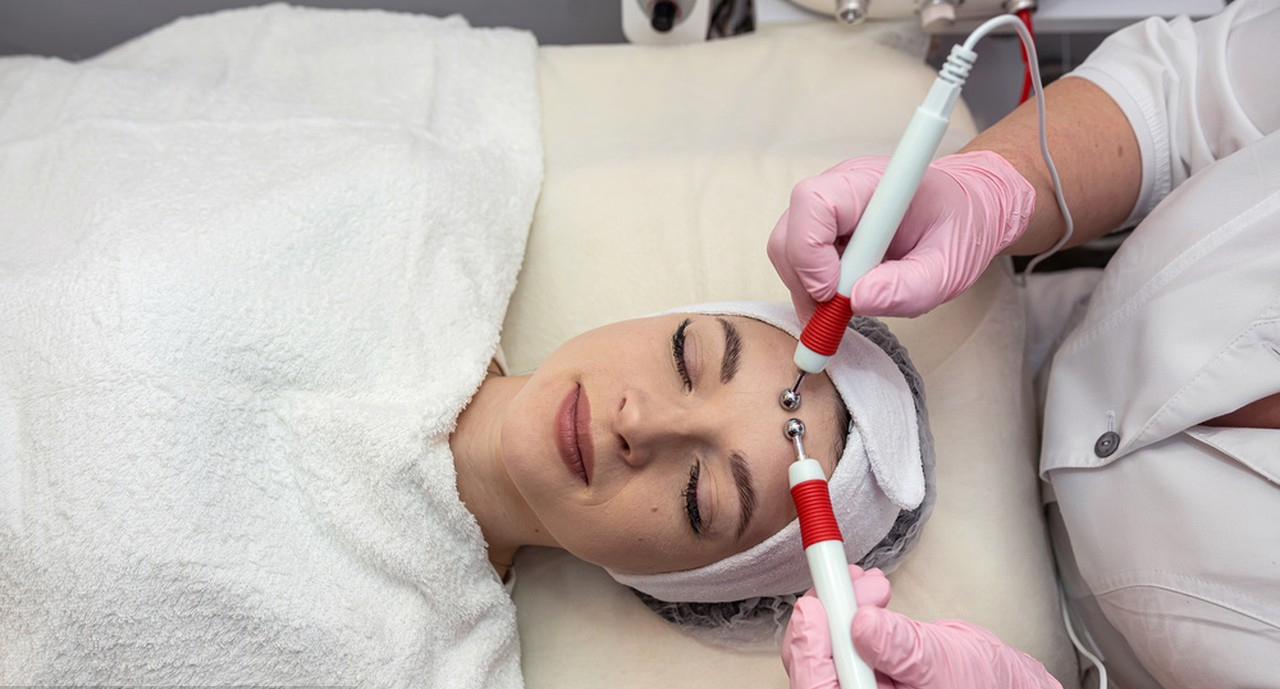
Microcurrent therapy involves the use of extremely low-level electrical currents, typically in the range of microamperes, to stimulate the body's tissues and cells. It can be used for a wide range of purposes, including pain management, muscle rehabilitation, and skin rejuvenation. The currents used in microcurrent therapy are similar to the natural electrical signals produced by the body, making it a gentle and safe treatment option.

Common Side Effects of Microcurrent Therapy
While microcurrent therapy is generally considered safe, some individuals may experience side effects. It's important to note that these side effects are usually mild and temporary. Here are some common side effects:
Skin irritation and redness: Some individuals may experience temporary skin irritation or redness at the treatment site. This is typically mild and subsides quickly.
Tingling or mild discomfort during treatment: As the electrical currents are applied, you may feel a tingling sensation or mild discomfort. This is normal and should not cause significant pain.
Muscle spasms or twitching: In some cases, microcurrent therapy may cause muscle spasms or twitching. While this may be momentarily uncomfortable, it is usually not a cause for concern.
Headache or dizziness: Some individuals may experience mild headaches or dizziness after microcurrent therapy. These symptoms often subside on their own within a short period.
Fatigue or lethargy: Following a session of microcurrent therapy, you may feel temporarily fatigued or lethargic. This is a normal reaction and should resolve within a few hours.
Rare Side Effects of Microcurrent Therapy
While rare, certain individuals may experience more unusual side effects from microcurrent therapy. These side effects should be taken seriously, and immediate medical attention should be sought if any of the following occur:
Nausea or digestive issues: In rare cases, microcurrent therapy may cause feelings of nausea or digestive discomfort. If these symptoms persist or worsen, it is important to consult a healthcare professional.
Allergic reactions: Although rare, some individuals may have an allergic reaction to the gel or electrodes used during microcurrent therapy. If you experience itching, swelling, or difficulty breathing, seek immediate medical assistance.
Sensitivity to light or sound: A small percentage of individuals may experience heightened sensitivity to light or sound after microcurrent therapy. This should resolve within a few hours, but if symptoms persist, consult a healthcare professional.
Changes in mood or emotions: Microcurrent therapy has been associated with temporary changes in mood or emotions in some individuals. If you experience significant shifts in mood or emotions, it's important to discuss this with your healthcare provider.
Factors Affecting Side Effects
Several factors may influence the likelihood and intensity of side effects experienced during microcurrent therapy:
Individual's tolerance and sensitivity: Everyone's tolerance and sensitivity to microcurrent therapy may vary. Some individuals may be more susceptible to side effects, while others may experience none at all.
Frequency and intensity of treatment: The frequency and intensity of microcurrent therapy sessions can affect the likelihood of experiencing side effects. Higher frequencies or intensities may increase the potential for side effects.
Qualifications and experience of the practitioner: The qualifications and experience of the practitioner performing the microcurrent therapy can also play a role in minimizing side effects. A skilled practitioner will be able to adjust the treatment parameters to suit your individual needs.

Tips for Minimizing Side Effects
While microcurrent therapy is generally safe, there are some steps you can take to minimize the likelihood of experiencing side effects:
Consultation with a professional: Before starting microcurrent therapy, it's essential to consult with a qualified healthcare professional. They can evaluate your medical history and assess whether this treatment is suitable for you.
Properly preparing the skin: Ensuring that the treatment area is clean and free from any lotions or oils can reduce the risk of skin irritation and improve the effectiveness of microcurrent therapy.
Managing treatment intensity or duration: If you experience any discomfort during the treatment, communicate with your practitioner. They can adjust the intensity or duration of the therapy to ensure your comfort and safety.
Taking breaks between sessions: If you are undergoing multiple microcurrent therapy sessions, it can be beneficial to take breaks between treatments. This allows your body to recover and reduces the likelihood of side effects.

Conclusion
Microcurrent therapy offers a promising approach to pain management and healing. While it can provide numerous benefits, it's crucial to understand and be prepared for the potential side effects. By being aware of possible side effects, following the guidance of a qualified professional, and monitoring your body's response, you can safely enjoy the benefits of microcurrent therapy.