Introduction
In professional skincare and aesthetic treatments, recovery has become just as important as the treatment itself. As clinics increasingly adopt advanced procedures such as microneedling, laser therapies, chemical peels, and deep exfoliation, managing post-treatment skin response is critical for achieving optimal results.
This shift has driven the demand for device-based recovery solutions, with cold therapy emerging as one of the most essential technologies in modern treatment rooms. Rather than being a simple cooling concept, cold therapy in skincare is delivered through specialized equipment designed to precisely control temperature, airflow, and application consistency.
For aesthetic professionals, cold therapy devices are not merely an optional add-on—they are a functional necessity that enhances treatment safety, improves client comfort, and significantly supports the skin’s recovery process.
Background/Problem
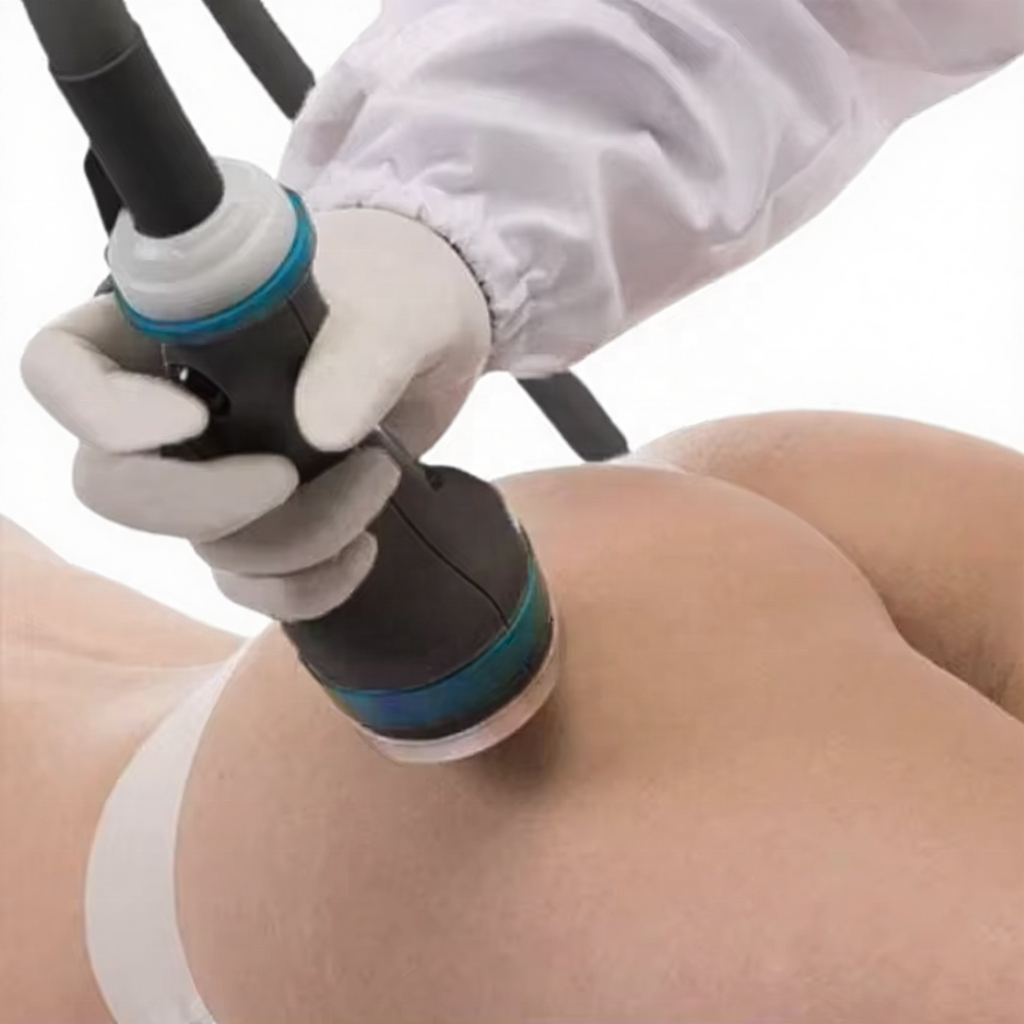
Advanced aesthetic treatments often create controlled micro-injuries or stimulate the skin at deeper levels to trigger regeneration. While effective, these procedures commonly result in temporary side effects such as redness, swelling, sensitivity, and heat accumulation in the skin.
Without proper post-treatment management, these reactions can:
-
Prolong recovery time
-
Increase client discomfort
-
Affect overall treatment results
-
Raise the risk of complications such as irritation or inflammation
Traditional post-care methods, such as applying cold towels or soothing masks, offer limited and short-term relief. They lack consistency, precise temperature control, and sustained effect, making them less reliable in professional settings.
For clinics aiming to deliver high-quality, results-driven treatments, this creates a gap. There is a clear need for equipment that can provide controlled, efficient, and repeatable cooling while supporting the skin’s natural repair mechanisms. Cold therapy devices are specifically designed to fulfill this role.
Technology/Mechanism
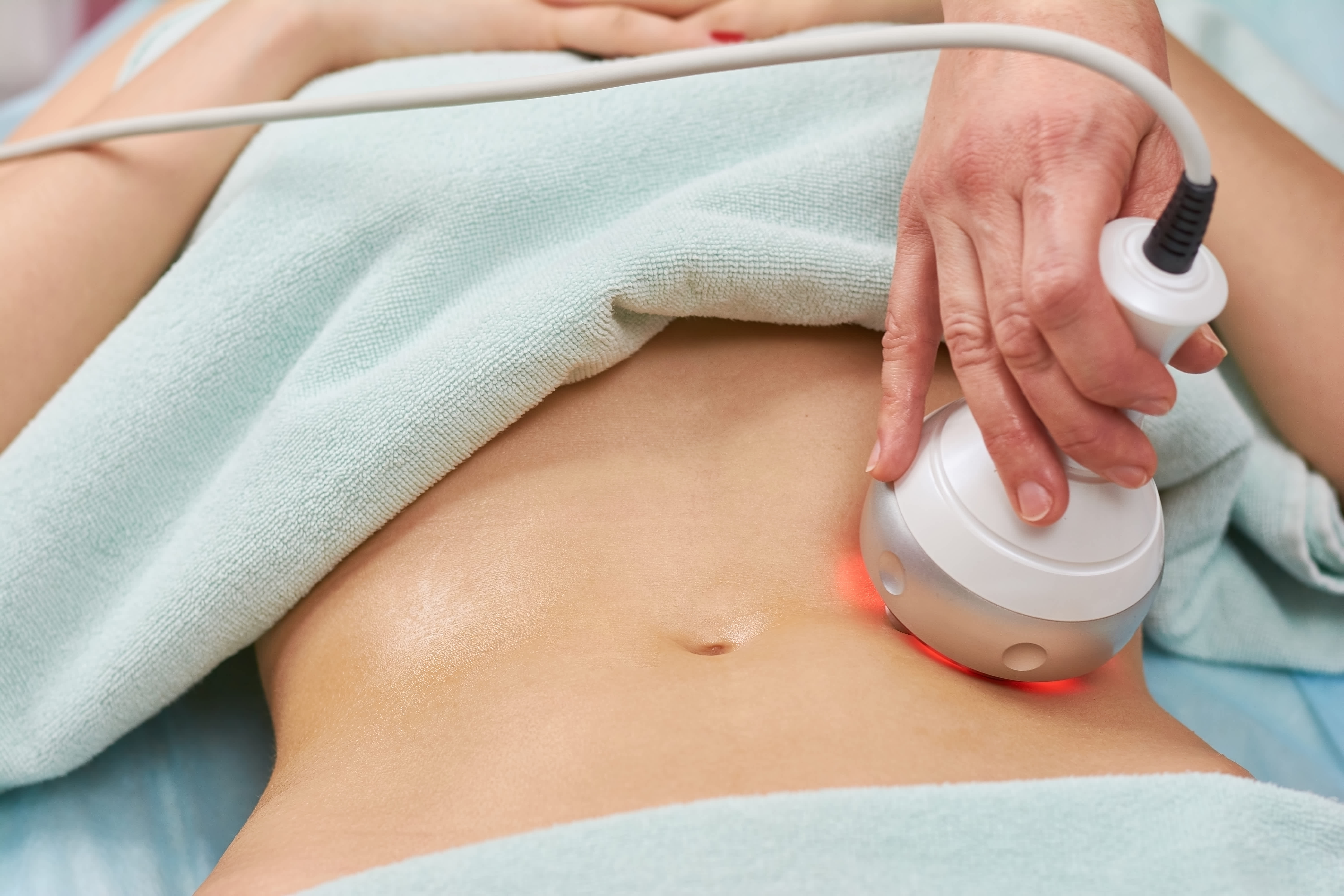
Cold therapy skincare devices function by delivering controlled low-temperature energy to the skin through advanced cooling systems. Depending on the equipment design, this may involve air cooling technology, semiconductor cooling systems, or cryotherapy-based handpieces.
The mechanism of action is directly linked to how the skin responds to temperature changes:
First, cold application causes vasoconstriction, which reduces blood flow in the treated area. This helps minimize redness and swelling immediately after intensive procedures.
Second, cooling the skin lowers nerve activity, which reduces discomfort and provides a soothing effect for clients. This is particularly important after treatments that may cause sensitivity or irritation.
Third, cold therapy helps regulate inflammation. By reducing excessive inflammatory responses, the device supports a more controlled healing process and minimizes the risk of post-treatment complications.
Professional cold therapy devices are engineered to ensure:
-
Stable and adjustable temperature output
-
Continuous cooling for sustained treatment effect
-
Safe application without risk of overexposure
Unlike improvised cooling methods, these devices allow practitioners to deliver precise and consistent results across different treatment sessions.
Additionally, some advanced systems combine cold therapy with other technologies, enabling simultaneous treatment and recovery—further enhancing efficiency in clinical workflows.
Advantages/Comparison
From a device-centered perspective, cold therapy technology offers several clear advantages over traditional post-treatment care methods.
One of the most important benefits is precision and consistency. Unlike ice packs or cold compresses, professional devices maintain a stable temperature, ensuring uniform results and eliminating variability caused by manual application.
Another key advantage is enhanced treatment integration. Cold therapy devices can be seamlessly incorporated into various procedures, acting as a finishing step that immediately stabilizes the skin after intensive treatments.
Compared to basic soothing products, cold therapy provides a physiological response, not just a superficial effect. It actively influences blood flow, inflammation, and nerve activity, making it significantly more effective in accelerating recovery.
When compared to home-use cooling tools, professional equipment delivers:
-
Stronger and more controlled cooling performance
-
Longer-lasting effects
-
Higher safety standards
Home devices often lack the power and stability required for post-procedure care, especially after advanced treatments.
From a business standpoint, cold therapy devices also offer excellent versatility. They can be positioned as:
-
A standard recovery step in advanced treatments
-
A premium add-on service for client comfort
-
A differentiating feature that enhances clinic professionalism
This makes them not only a technical asset but also a valuable tool for improving client experience and retention.
Applications/Client Needs
Cold therapy devices are widely used in professional skincare settings, particularly in treatments that involve skin stimulation or controlled damage.
After procedures such as microneedling, laser resurfacing, or chemical peels, cold therapy is applied to calm the skin, reduce redness, and provide immediate relief. This helps clients feel more comfortable while also supporting faster recovery.
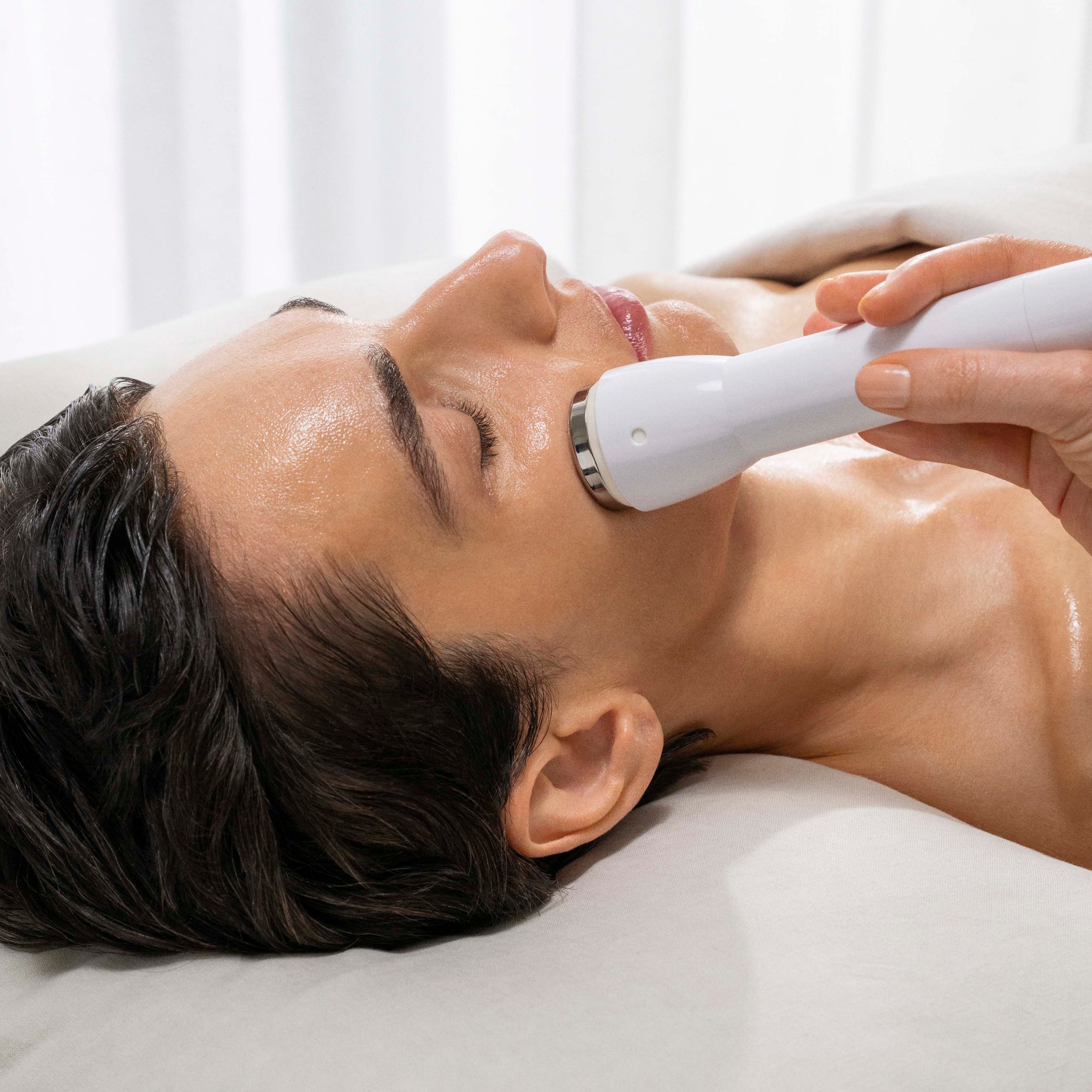
In facial treatments, cold therapy can also be used as a finishing step to tighten the appearance of pores and refresh the skin. This creates an instant visible improvement, enhancing client satisfaction at the end of the session.
For sensitive skin clients, cold therapy provides a gentle yet effective way to manage irritation and maintain skin balance. It is especially useful for individuals who are prone to redness or inflammation.
Additionally, cold therapy devices are often integrated into multi-functional machines, allowing clinics to combine treatment and recovery within a single system. This improves workflow efficiency and reduces the need for multiple standalone devices.
For aesthetic practitioners, the ability to deliver immediate soothing effects while supporting long-term results makes cold therapy an indispensable part of modern treatment protocols.
Conclusion
Cold therapy technology has become a critical component in professional skincare by addressing one of the most important aspects of aesthetic treatments: recovery.
Through precise temperature control and consistent delivery, cold therapy devices effectively reduce redness, minimize discomfort, and support the skin’s natural healing process. This not only improves treatment outcomes but also enhances the overall client experience.
For beauty clinics and aesthetic professionals, investing in cold therapy equipment represents both a clinical and strategic advantage. As treatments become more advanced and client expectations continue to rise, the role of device-based recovery solutions will only become more essential.
Cold therapy devices, therefore, are not just supportive tools—they are a key factor in delivering safe, effective, and high-quality skincare treatments.
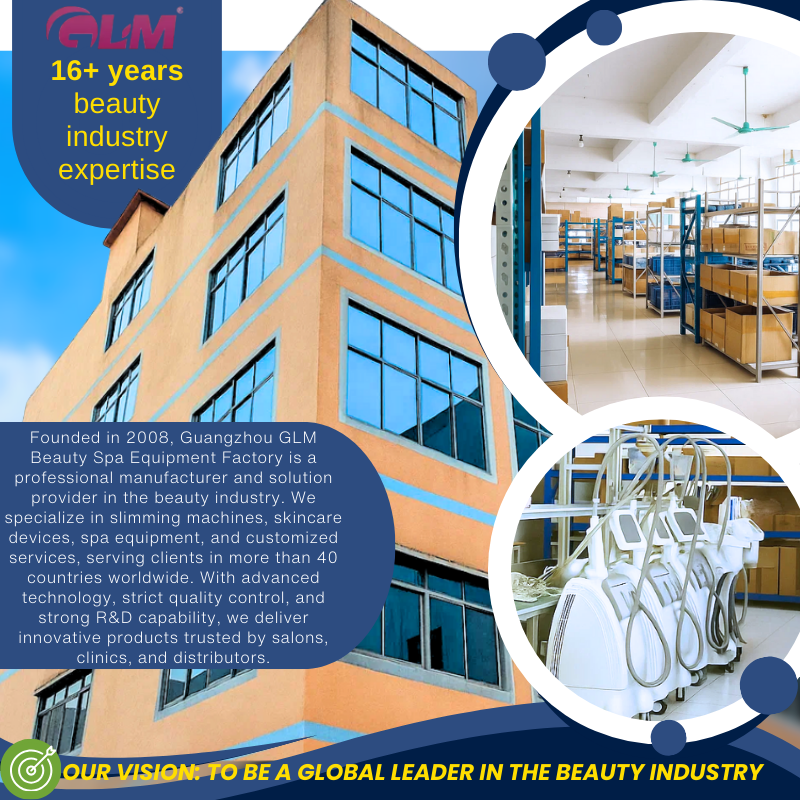
Founded in 2008, Guangzhou GLM Beauty Spa Equipment Factory specializes in research, development, manufacture and selling of beauty and slimming machines. Our production base is located in Guangzhou City, Guangdong Province, China. Since our foundation, we have introduced advanced technologies and equipment, to assure high quality and high performance of our products. With professional marketing guide and excellent after-sales service, our products have been exported to over 20 countries and regions, including Southeast Asia, the Middle East, Europe and the United States, won worldwide praises and gained a good reputation.