Introduction
Temperature has always played an important role in professional skincare. Warm towels, cooling rollers, heated massage tools, and cold compresses have long been used during facial treatments. However, modern aesthetic technology has taken this simple concept much further.
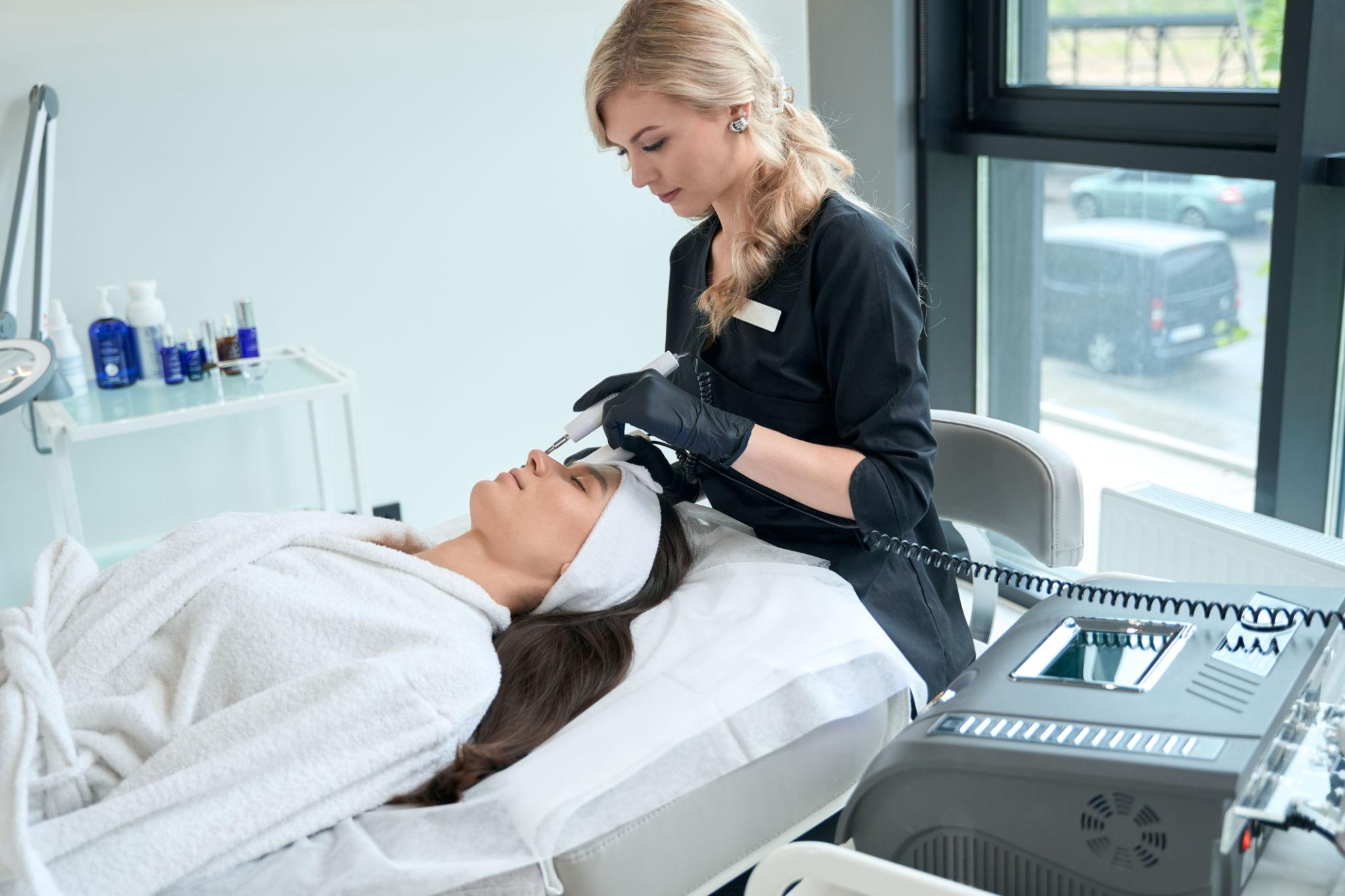
Today, controlled temperature skin therapy allows professional beauty clinics and salons to apply carefully managed heat or cooling directly to the skin using dedicated devices. Instead of relying on manually prepared towels, ice rollers, or other methods with inconsistent temperatures, professional equipment can provide a more stable and repeatable thermal experience.
This makes temperature therapy particularly valuable as part of a structured facial protocol. Depending on the device and treatment design, warming may be used during skin preparation, massage, or product application, while cooling may be incorporated into soothing and finishing stages.
The key advantage is not simply that the skin becomes “hot” or “cold.” It is the ability to control when temperature is applied, how strongly it is delivered, and how it fits into the overall treatment process.
For professional operators, this level of control can improve treatment consistency, enhance the client experience, and create more opportunities to combine thermal therapy with other beauty technologies.
Background: Why Temperature Control Matters in Skin Therapy
Skin is constantly responding to its environment. Changes in temperature can influence how the skin feels and behaves during a treatment.
Traditional facial services often use warmth to create a comfortable and relaxing experience before cleansing, massage, or skincare application. Cooling techniques may then be used toward the end of a treatment to provide a refreshing sensation and help calm the appearance of temporarily flushed skin.
The challenge is consistency.
A warm towel may gradually lose heat. An ice roller can become too cold or warm up quickly. Manual tools also depend heavily on operator technique. For a professional clinic that performs several treatments every day, these variables can make it difficult to reproduce the same experience from one client to another.
Controlled temperature devices address this problem by integrating thermal management directly into the treatment equipment.
Depending on the model, professional hot-and-cold devices may provide adjustable temperature settings, dedicated heating and cooling modes, treatment timers, and ergonomic treatment heads. Some multifunctional platforms combine temperature therapy with technologies such as EMS, microcurrent, LED, ultrasonic functions, or product-infusion systems.
This turns temperature from a simple skincare accessory into a controllable part of a professional treatment protocol.
Technology and Mechanism: How Controlled Temperature Therapy Works
Controlled temperature skin therapy is based on thermal energy being transferred between the treatment head and the skin surface.
1. Controlled Warm Therapy
Warm therapy applies moderate heat to the skin through a temperature-controlled treatment head.
In professional facial treatments, gentle warmth can be used during preparation, massage, and skincare application. It can create a comfortable treatment sensation and help prepare the skin before subsequent steps.
Some professional devices use thermal control alongside other technologies. For example, an RF system intentionally converts electromagnetic energy into heat within tissue, with temperature management playing an important role in controlled energy delivery.
It is important to distinguish this from a simple heated facial tool.
A dedicated temperature-controlled device is designed to deliver a defined thermal experience at the treatment surface, while technologies such as RF generate heat through a different energy mechanism. The two can therefore serve different purposes within a professional treatment program.
2. Controlled Cooling
Cooling therapy works in the opposite direction.
A cooled treatment head transfers thermal energy away from the skin surface, creating a refreshing and soothing sensation. In professional facial protocols, cooling is commonly positioned toward the end of a treatment or after procedures that temporarily leave the skin looking flushed.
Some professional hot-and-cold devices are designed specifically for this purpose, offering stable cooling rather than relying on ice or refrigerated tools. Current professional equipment commonly combines hot and cold functions in one handpiece, making it easier for operators to move between treatment stages.
3. Alternating Temperature
One of the most interesting applications is alternating heat and cooling.
Rather than using one temperature throughout the entire facial, the practitioner can select different thermal stages according to the treatment protocol.
For example:
Warm → Treatment → Cool
A warm stage may be used during preparation, followed by the main facial procedure, and then a cooling stage may be introduced during finishing.
This approach gives the practitioner greater control over the overall treatment experience.
4. Temperature Combined with Other Technologies
Modern beauty equipment increasingly combines multiple functions into one platform.
Temperature therapy may be paired with:
- EMS or microcurrent
- LED light therapy
- Ultrasonic technology
- Electroporation or product-infusion functions
- Radiofrequency
- Facial massage
- Hydrodermabrasion or cleansing systems
The benefit of this multifunctional approach is workflow efficiency.
Instead of moving between several separate devices, an operator may be able to complete multiple treatment stages using one integrated platform, depending on the equipment configuration.
The Advantages of Controlled Temperature Skin Therapy
More Consistent Treatment Delivery
Consistency is one of the most important benefits for professional beauty businesses.
When temperature is controlled electronically, operators can follow a defined treatment protocol instead of depending on manually prepared tools.
This can make treatments easier to standardize across different operators and different appointments.
For clinics with multiple treatment rooms or staff members, standardized protocols can also make training easier.
Improved Client Comfort
Client comfort is an important part of professional skincare.
A treatment that feels controlled and predictable can create a more premium experience than a treatment involving excessively hot or cold manual tools.
Temperature control also gives practitioners more flexibility to adapt the treatment experience according to the client's skin condition, comfort level, and treatment stage.
The goal is not maximum heat or maximum cold. The goal is appropriate thermal stimulation for the specific treatment step.
Better Treatment Workflow
Professional beauty treatments often involve multiple stages.
A typical facial may include:
- Cleansing
- Skin preparation
- Exfoliation
- Extraction or deep cleansing
- Serum application
- Massage or stimulation
- Mask application
- Cooling or finishing care
A temperature-controlled device can potentially support several of these stages, depending on its functions.
This can reduce unnecessary equipment changes and make the treatment room more organized.
Repeatable Professional Protocols
For a beauty salon, repeatability matters.
A successful treatment should not depend entirely on whether one operator happens to use a warmer towel or a colder roller.
Professional equipment can help transform thermal therapy into a measurable treatment step.
For example, a clinic may develop an internal protocol specifying:
- Treatment area
- Temperature mode
- Treatment duration
- Movement technique
- Product used
- Combination technology
- Finishing procedure
This creates a more structured service model.
Supports Premium Treatment Positioning
Temperature-controlled technology can also help beauty businesses differentiate their services.
Instead of simply offering a “facial,” a clinic can develop a technology-based facial protocol around specific treatment stages.
For example:
Deep Cleansing + Warm Preparation + Serum Application + Cooling Finish
or
RF Treatment + Controlled Surface Cooling + Post-Treatment Care
This creates a more professional treatment narrative and gives clients a clearer understanding of why the equipment is being used.
Controlled Temperature Therapy vs. Traditional Manual Methods
Traditional methods still have their place in spa environments. Warm towels, cold rollers, and manual massage tools can create a relaxing and sensory experience.
However, professional temperature-controlled equipment offers several operational advantages.
| Feature | Traditional Manual Method | Controlled Temperature Device |
|---|---|---|
| Temperature consistency | Variable | More stable |
| Treatment timing | Operator-dependent | Often timer-controlled |
| Repeatability | Moderate | High |
| Temperature adjustment | Limited | Adjustable on supported models |
| Workflow integration | Separate tools | Can be integrated with other functions |
| Professional protocol | Less standardized | Easier to standardize |
| Multi-function capability | Limited | Available on multifunction systems |
The distinction is not that traditional tools are ineffective. Rather, professional equipment provides a higher degree of control, repeatability, and workflow integration.
For a busy salon or clinic, those operational advantages can be just as important as the immediate sensory effect of the treatment.
Applications in Professional Beauty Clinics and Salons
Controlled temperature skin therapy can be incorporated into a wide range of professional services.
Facial Preparation
Warm therapy can be used as part of the preparation stage before cleansing, massage, or skincare application.
The objective is to create a comfortable treatment environment and prepare the skin for the next step.
Serum and Skincare Application
Some professional facial systems combine thermal treatment with skincare application.
Warm therapy can be incorporated before or during product application according to the manufacturer's recommended protocol, while cooling may be used as a finishing step.
It is important that practitioners follow the specific operating instructions of the device and the formulation requirements of the skincare products being used.
Post-Treatment Cooling
Cooling is especially useful as a finishing element in facial services.
After cleansing, exfoliation, massage, or other cosmetic procedures, a controlled cooling stage can provide a refreshing sensation and help create a more comfortable finishing experience.
Professional hot-and-cold devices are already marketed for this type of treatment workflow, including post-facial cooling and temporary puffiness management.
Anti-Aging and Skin-Firming Protocols
Temperature therapy can also become part of a broader skin-firming program.
For example, RF technology uses controlled heat as part of professional skin-tightening procedures, while cooling technologies may be incorporated into certain systems to help manage the skin surface during energy delivery.
In these cases, temperature is not necessarily the primary treatment technology. Instead, it becomes one component of a larger energy-based treatment system.
Sensitive or Comfort-Focused Facial Services
Some clients prefer a gentle, relaxing treatment rather than aggressive procedures.
A temperature-controlled device can be used as part of a comfort-focused facial protocol, particularly when the practitioner wants a more precise alternative to manually heated or chilled tools.
However, temperature selection should always be based on the device's specifications, treatment protocol, and individual client assessment.
Why Professional Equipment Offers an Advantage
The biggest difference between professional and basic temperature tools is not simply power.
It is control.
Professional equipment is generally designed around treatment workflows rather than occasional personal use. Depending on the system, this can include adjustable settings, timers, dedicated handpieces, stable thermal output, ergonomic designs, and the ability to combine multiple technologies.
For a clinic owner, this means the equipment can become part of a repeatable service system rather than just another tool in the treatment room.
For an aesthetician, it can simplify treatment steps and provide more control over the treatment process.
For the client, it can create a more structured and professional experience.
This is especially relevant as the aesthetic industry continues to adopt non-light-based energy technologies that combine thermal, mechanical, and electromagnetic approaches for different cosmetic applications.
Choosing a Temperature-Controlled Beauty Device
When selecting equipment for a professional salon or clinic, temperature range should not be the only consideration.
A better evaluation should include:
Temperature stability: Can the device maintain the selected temperature consistently?
Control system: Can the practitioner adjust the treatment according to the protocol?
Treatment timing: Does the system include a timer or other workflow controls?
Handpiece design: Is the treatment head comfortable for repeated professional use?
Safety features: Does the device incorporate appropriate temperature monitoring or protective controls?
Multifunction capability: Can thermal therapy be combined with other technologies when appropriate?
Cleaning and maintenance: Can the treatment head be cleaned efficiently between clients?
Training requirements: Can operators learn the treatment protocol quickly and use it consistently?
These factors often have a greater impact on the long-term value of a professional device than simply choosing the machine with the highest or lowest temperature specification.
Client Needs: From Basic Facial Comfort to Technology-Driven Treatments
Today's beauty clients increasingly expect more than a traditional facial.
They want treatments that feel professional, personalized, comfortable, and technology-driven.
Controlled temperature therapy can help meet these expectations without making the treatment unnecessarily complicated.
A warm treatment stage can create a relaxing beginning. A technology-based facial can provide targeted care in the middle of the session. A cooling stage can complete the experience with a refreshing finish.
This creates a treatment journey rather than a collection of disconnected skincare steps.
For beauty businesses, that difference matters.
A well-designed treatment protocol can be packaged as a premium facial service, incorporated into existing services, or combined with other technologies to create customized treatment menus.
Conclusion
Controlled temperature skin therapy represents a simple concept that has become increasingly sophisticated through professional beauty technology.
The value is not simply in making the skin warmer or cooler. It lies in the ability to control temperature, timing, treatment stages, and workflow.
For professional salons and aesthetic clinics, this can mean more consistent procedures, improved client comfort, easier treatment standardization, and greater flexibility when designing technology-based facial services.
When combined with technologies such as RF, EMS, LED, ultrasonic systems, or product-infusion functions, temperature control can become an important part of a multifunctional professional treatment platform.
The future of professional skincare is not necessarily about using more technology. It is about using technology with greater precision.
And when temperature becomes a controlled treatment parameter rather than a simple accessory, a basic hot-and-cold concept can evolve into a more structured, repeatable, and professional skin therapy experience
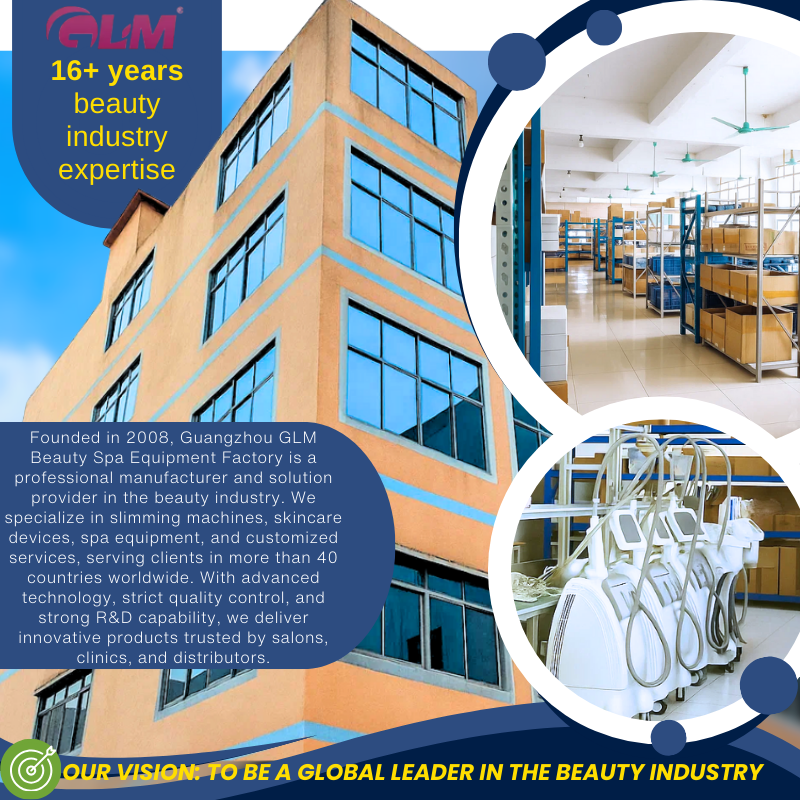
Founded in 2008, Guangzhou GLM Beauty Spa Equipment Factory specializes in research, development, manufacture and selling of beauty and slimming machines. Our production base is located in Guangzhou City, Guangdong Province, China. Since our foundation, we have introduced advanced technologies and equipment, to assure high quality and high performance of our products. With professional marketing guide and excellent after-sales service, our products have been exported to over 20 countries and regions, including Southeast Asia, the Middle East, Europe and the United States, won worldwide praises and gained a good reputation