Introduction
As clients become more informed about aesthetic treatments, beauty clinics are increasingly looking for technologies that provide visible skin improvements without requiring aggressive procedures or lengthy recovery periods. Heat-based skin therapy has become an important part of this shift.
Rather than relying only on topical skincare, professional thermal treatments use controlled energy to warm targeted layers of tissue. Technologies such as radiofrequency (RF), infrared energy, and other heat-based systems can be incorporated into professional facial and body treatments to address concerns including skin laxity, uneven texture, fine lines, and loss of firmness.
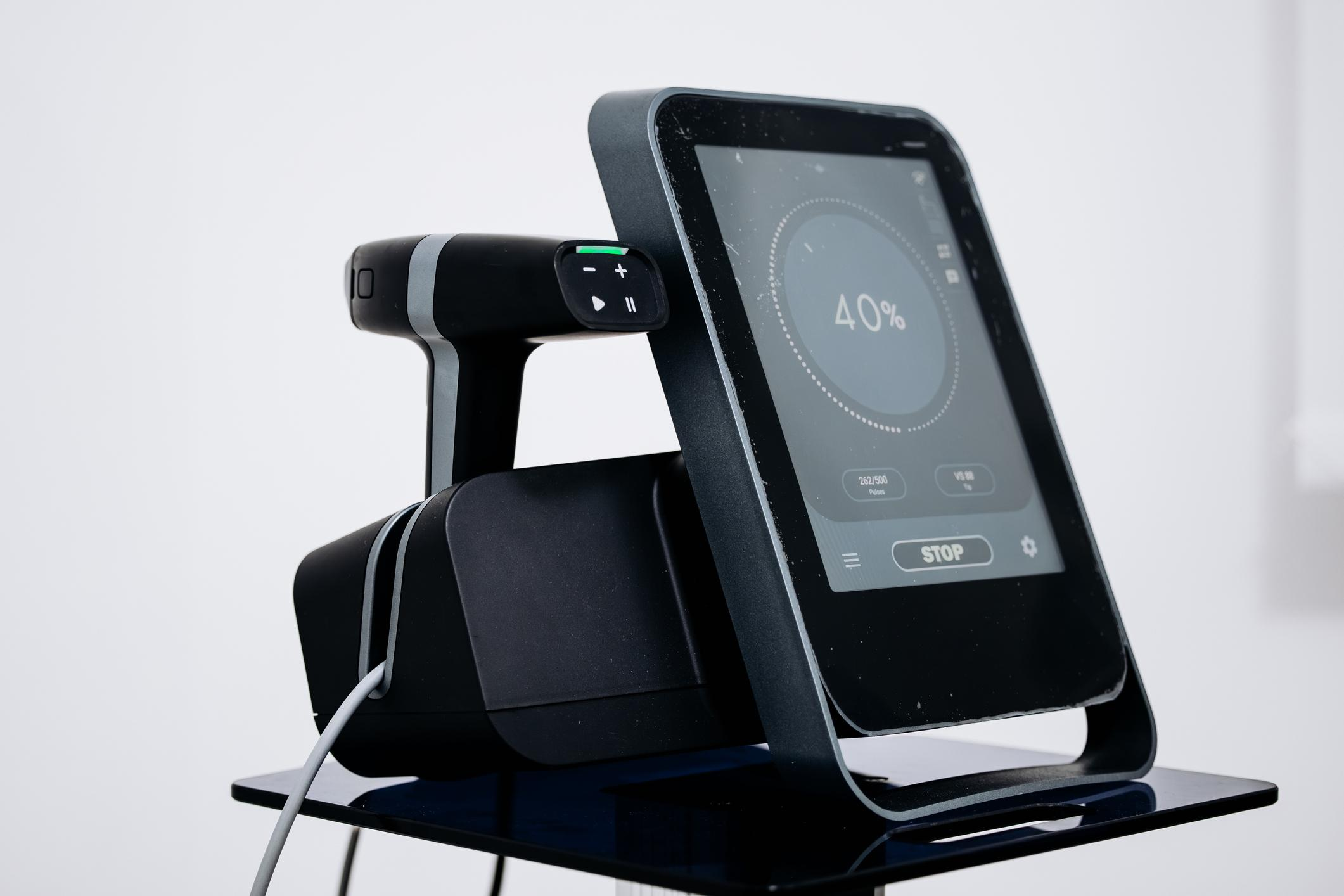
For beauty salons, aesthetic clinics, and professional skincare centers, the value of heat-based therapy is not simply that it makes the skin feel warm. The real advantage lies in the ability to deliver controlled thermal energy through a professional device, allowing operators to manage treatment intensity, coverage, duration, and treatment areas more consistently.
Modern aesthetic equipment has therefore transformed heat from a simple cosmetic sensation into a controllable treatment modality.
Background: Why Does Skin Need Thermal Stimulation?
Skin naturally changes with age. Collagen production gradually declines, the organization of dermal fibers becomes less efficient, and the skin may lose some of its firmness and elasticity. Environmental exposure, lifestyle factors, and repeated exposure to ultraviolet radiation can further contribute to visible signs of aging.
For clients, these changes often appear as fine lines, mild sagging, rougher texture, and a general loss of the youthful appearance they previously had.
Traditional skincare products can support the skin's surface, but professional treatments can approach the problem from a different perspective. Instead of simply applying an ingredient to the epidermis, energy-based technologies are designed to deliver controlled energy into targeted tissue.
This is where heat-based skin therapy becomes particularly relevant.
The objective is not to heat the skin as much as possible. Excessive heat can increase discomfort and create unnecessary risks. Professional systems are designed around controlled thermal delivery, where energy is adjusted according to the technology, treatment area, skin condition, and treatment protocol.
Radiofrequency is one of the best-known examples. Unlike light-based systems, RF devices generate an electromagnetic field that produces heat within tissue. Recent reviews have reported improvements in skin texture, firmness, and overall rejuvenation following RF-based treatments, although treatment outcomes vary according to device technology, parameters, patient characteristics, and treatment protocols.
Technology and Mechanism: How Heat-Based Skin Therapy Works
The basic concept behind thermal skin therapy is relatively straightforward: controlled energy creates a carefully managed increase in tissue temperature.
However, professional treatment requires much more than simply applying heat.
1. Radiofrequency Energy
RF technology is widely used in professional aesthetic equipment. Depending on the system, monopolar, bipolar, or multipolar configurations can be used to deliver energy at different depths and treatment patterns.
When RF energy passes through tissue, resistance to the electrical current generates heat. Professional RF systems are designed to control this process so that the operator can deliver energy consistently across the treatment area.
The thermal effect can produce immediate tissue responses while also supporting longer-term remodeling processes. Research has associated RF treatment with collagen remodeling and increased production of new collagen, which may contribute to improvements in firmness and skin texture over time.
2. Controlled Thermal Stimulation
The effectiveness of a heat-based treatment is not determined by temperature alone.
A professional device must balance several variables:
- Energy output
- Treatment duration
- Treatment depth
- Contact with the skin
- Movement speed
- Treatment area
- Cooling or temperature-control mechanisms
- Operator technique
This is why professional equipment can offer an advantage over uncontrolled or simplified home-use approaches.
A trained operator can adjust the treatment according to the client's skin condition and treatment objective rather than applying the same setting to every client.
3. Collagen Remodeling
One of the most discussed benefits of thermal aesthetic treatments is their relationship with collagen.
Controlled heating can influence existing collagen structures and stimulate biological remodeling responses. Some clinical research has reported increases in collagen I and III following RF treatment, with changes continuing during the months following treatment.
This is important from a professional treatment perspective because the goal is not necessarily an instant transformation. Instead, many heat-based treatments are designed to support gradual improvements in firmness, elasticity, and skin quality.
4. Surface and Deeper Skin Benefits
Different thermal technologies can target different tissue depths.
Some systems are designed primarily for superficial skin warming, while others are engineered to deliver energy deeper into the dermal tissue. The specific effect depends on the technology and device configuration.
For clinics, this creates an opportunity to build different treatment protocols rather than offering a single standardized facial treatment.
Advantages of Heat-Based Skin Therapy
Non-Invasive Treatment Approach
One major reason thermal technologies are attractive to modern aesthetic clinics is their non-invasive or minimally invasive nature, depending on the specific device.
Many nonablative RF treatments are designed to affect the dermal tissue without intentionally removing the skin surface. This makes thermal technology suitable for clients who prefer treatments that fit more easily into their normal routines.
For clinics, this can create an additional treatment option between basic facial care and more intensive aesthetic procedures.
Supports Skin Firmness and Texture
Skin firmness is one of the most common reasons clients consider heat-based treatments.
A systematic review published in 2025 found reported improvements in skin texture and firmness across multiple RF studies, together with high patient satisfaction, although the authors also emphasized limitations in the existing evidence.
From a clinic's perspective, this makes thermal technology useful for clients presenting with mild skin laxity, fine lines, dull-looking skin, or a general desire for skin rejuvenation.
Comfortable Treatment Experience
A properly controlled thermal treatment should not simply feel like intense heat.
Professional devices are designed to manage energy delivery and, depending on the system, may incorporate temperature monitoring, controlled output, ergonomic applicators, or other safety-oriented features.
The treatment experience therefore depends heavily on the quality of the equipment and the operator's technique.
Suitable for Customized Treatment Programs
Another important advantage is flexibility.
A clinic may combine thermal treatments with cleansing, hydration, LED therapy, ultrasound, or other aesthetic procedures depending on the client's needs and the capabilities of the equipment.
Instead of selling a single procedure, clinics can develop structured treatment programs around different skin concerns.
Professional Equipment vs. Basic Home-Use Devices
The growing popularity of home beauty devices has made consumers more familiar with RF and other energy-based technologies. However, professional equipment is designed for a different treatment environment.
Professional systems typically provide greater control over treatment parameters, applicator design, treatment coverage, and workflow. More importantly, professional treatments are performed by trained operators who can evaluate the client's skin and modify the protocol accordingly.
This distinction is important for aesthetic clinics.
The value of a professional device does not come from energy output alone. It comes from the combination of technology, control, operator expertise, treatment protocols, and consistency.
For example, a professional RF system may provide multiple applicators for different areas of the face or body. An operator can select an appropriate applicator, adjust the parameters, maintain appropriate contact with the skin, and monitor the client's response throughout the session.
This creates a more controlled treatment environment than simply purchasing a consumer device and following a fixed routine.
Applications in Beauty Clinics and Aesthetic Centers
Heat-based skin therapy can be integrated into a wide range of professional services.
Facial Rejuvenation
Facial treatments are one of the most common applications.
Professional thermal devices may be used as part of treatment programs targeting:
- Mild skin laxity
- Fine lines
- Loss of firmness
- Uneven skin texture
- Dull-looking skin
- General skin rejuvenation
The face can also be divided into different treatment zones, allowing operators to customize the protocol according to individual needs.
Jawline and Neck Care
The jawline and neck are areas where clients frequently notice changes in firmness.
Depending on the technology and clinical protocol, controlled thermal energy can be incorporated into noninvasive skin-tightening programs for these areas.
Because the neck and facial areas can be more sensitive, professional assessment and appropriate parameter selection remain particularly important.
Body Skin Firming
Heat-based technology is not limited to facial treatments.
Some professional systems are designed for larger body areas and can be incorporated into body-care programs where clients are concerned about skin firmness and texture.
For clinics, this broadens the commercial application of the equipment and allows one technology platform to support multiple service categories.
Combination Treatment Programs
The most effective clinic strategy is often not to treat heat as a standalone concept.
Thermal technology can become one component of a broader treatment protocol. For example, a clinic might begin with skin cleansing, follow with a thermal treatment, and finish with hydration or other appropriate skincare procedures.
This approach allows the equipment to become part of a complete service experience rather than simply another machine in the treatment room.
What Clients Should Expect
Professional heat-based skin therapy should be presented realistically.
Clients may notice an immediate feeling of warmth and, depending on the technology and treatment protocol, may perceive temporary improvements in skin smoothness or firmness. However, longer-term remodeling effects generally require time and may develop progressively.
Clinical evidence also suggests that outcomes can vary between technologies and individuals. A recent systematic review found generally positive outcomes for RF facial rejuvenation but noted heterogeneity in devices, protocols, and study designs.
For this reason, responsible clinics should avoid promising identical results for every client.
Instead, operators should assess the client's skin condition, treatment goals, contraindications, and expectations before developing an appropriate treatment plan.
Conclusion
Heat-based skin therapy has evolved from a simple warming technique into an important category of professional aesthetic technology.
By using controlled thermal energy, technologies such as radiofrequency can support treatments designed around skin firmness, texture, elasticity, and overall rejuvenation. Research has associated RF treatments with collagen remodeling and positive aesthetic outcomes, while newer professional systems continue to improve treatment control and user experience.
For beauty salons and aesthetic clinics, the real value of heat-based technology lies in its versatility. With the right equipment, trained operators can build customized treatment programs for different facial and body concerns while integrating thermal therapy into broader professional skincare services.
As the aesthetic industry continues to move toward noninvasive, personalized, and technology-driven treatments, heat-based skin therapy is likely to remain an important tool for clinics seeking practical ways to enhance their professional service portfolio.
The future of thermal aesthetics is not simply about producing more heat. It is about delivering the right energy, at the right depth, with the right level of control, for the right client
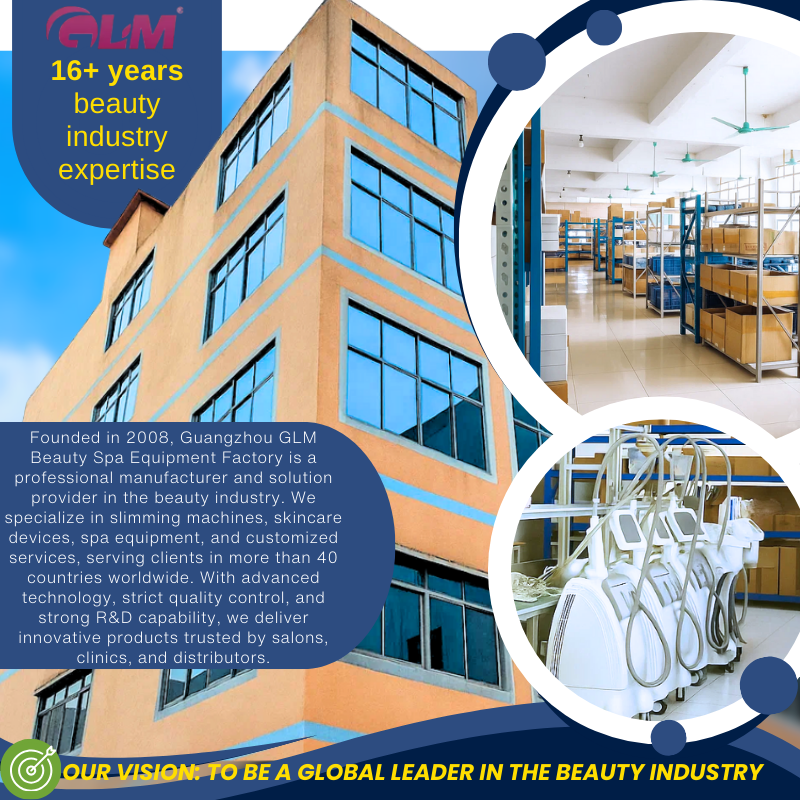
Founded in 2008, Guangzhou GLM Beauty Spa Equipment Factory specializes in research, development, manufacture and selling of beauty and slimming machines. Our production base is located in Guangzhou City, Guangdong Province, China. Since our foundation, we have introduced advanced technologies and equipment, to assure high quality and high performance of our products. With professional marketing guide and excellent after-sales service, our products have been exported to over 20 countries and regions, including Southeast Asia, the Middle East, Europe and the United States, won worldwide praises and gained a good reputation