
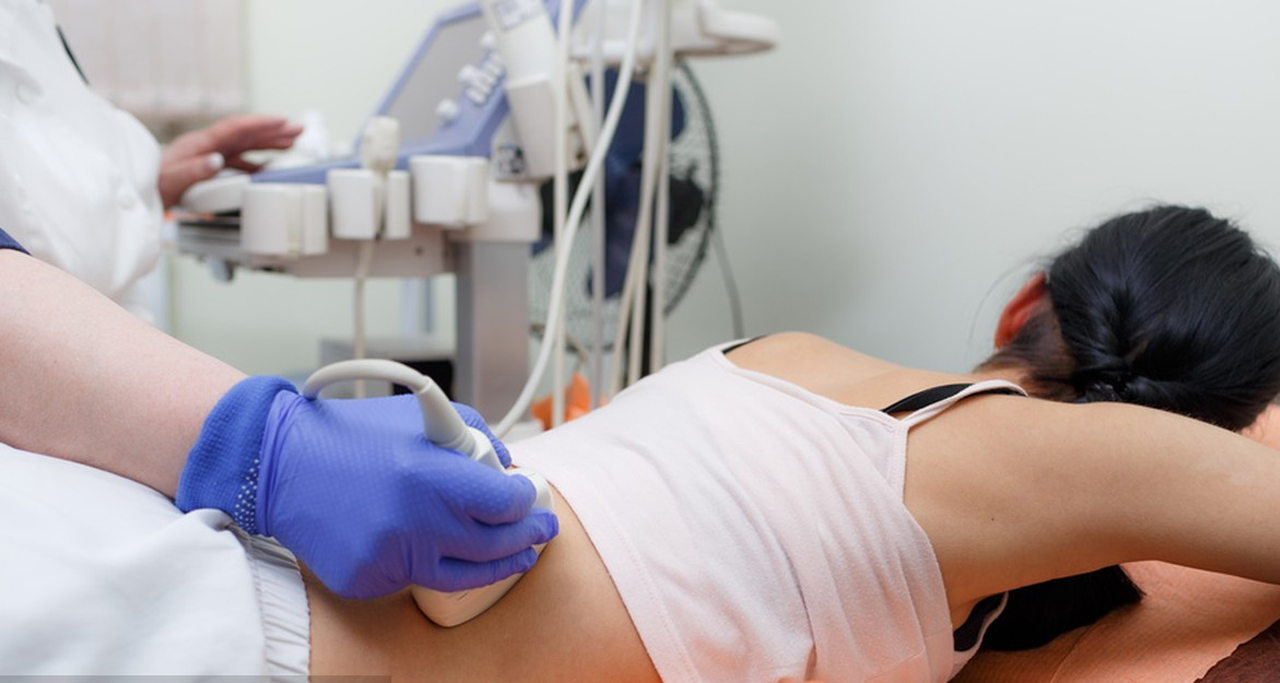
The Best Ultrasonic Cavitation Frequency for Fat Reduction
Ultrasonic cavitation is a popular non-invasive treatment for fat reduction, but did you know that the frequency used during the procedure plays a crucial role in its effectiveness? In this article, we will explore the different ultrasonic cavitation frequencies and help you understand the best frequency for optimal fat reduction results.
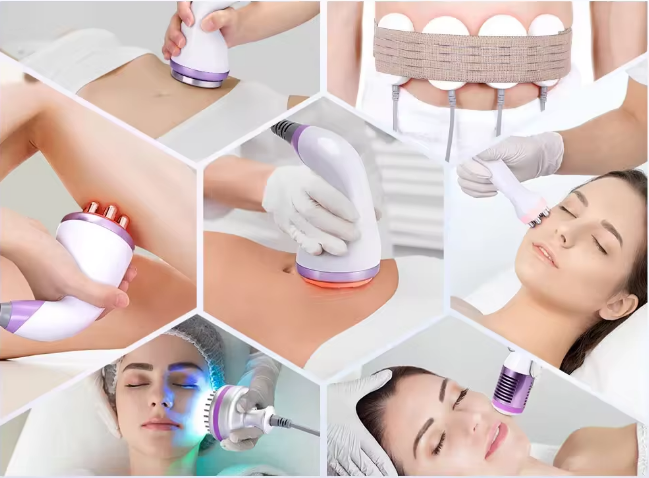
Understanding Ultrasonic Cavitation Frequencies
When it comes to ultrasonic cavitation machines, the frequency of the sound waves emitted plays a pivotal role in the success of the fat reduction process. These machines harness the power of ultrasound waves to precisely target and safely break down fat cells, while leaving the surrounding tissues untouched.
The range of frequencies used in ultrasonic cavitation typically spans from 25 kHz to 100 kHz. Each frequency within this range is specifically designed to target fat cells located at varying depths beneath the skin's surface.
Lower frequencies, such as those around 25 kHz, are characterized by their ability to penetrate deeper into the skin. This makes them particularly suitable for targeting stubborn areas with thicker fat layers, such as the abdomen, thighs, or buttocks. By reaching deeper into these fatty regions, lower frequencies are able to break down fat cells more effectively, leading to significant reductions in fat thickness.
On the other hand, higher frequencies, closer to the 100 kHz range, are more effective for treating areas with thinner fat layers. These frequencies have a shorter wavelength, enabling them to target and break down fat cells in more superficial layers of the skin. This makes them ideal for contouring and sculpting purposes, such as targeting fat deposits in the face, neck, or upper arms.
The choice of ultrasonic cavitation frequency is crucial in ensuring that the treatment is tailored to your specific needs and body composition. By understanding the different frequencies and their respective applications, you can ensure that you achieve the optimal results from your ultrasonic cavitation treatment.
Common Frequencies in Ultrasonic Cavitation Machines
When it comes to ultrasonic cavitation machines, the choice of frequency plays a significant role in achieving the desired results. While a wide range of frequencies is available, some frequencies stand out as the most commonly used in various applications. Here's a detailed look at some of the most common ultrasonic frequencies in cavitation machines:
40 kHz
- Applications: The 40 kHz frequency is commonly used for overall fat reduction, particularly in areas with thicker fat layers. It's suitable for targeting stubborn areas such as the abdomen, thighs, and buttocks.
- Penetration Depth: The relatively low frequency allows for deeper penetration into the skin, reaching deeper layers of fat. This makes it effective for breaking down larger fat cells and reducing fat thickness.
- Suitability: This frequency is ideal for individuals with a higher body fat percentage or those who are aiming for overall fat reduction.
80 kHz
- Applications: The 80 kHz frequency is ideal for treating areas with thinner fat layers. It's commonly used for contouring and sculpting purposes, targeting areas such as the arms, face, and neck.
- Penetration Depth: Due to its higher frequency, the 80 kHz wave has a shorter wavelength and can target superficial layers of fat. This allows for precise sculpting and shaping of specific body parts.
- Suitability: This frequency is suitable for individuals with less body fat or those who are aiming for targeted fat reduction in specific areas.
60 kHz
- Versatility: The 60 kHz frequency is considered a versatile choice that can be used for both deep and superficial fat reduction. It offers a balance between the penetration depth of lower frequencies and the precision of higher frequencies.
- Applications: It's suitable for a wide range of treatments, from overall fat reduction in thicker areas to targeted contouring in thinner areas.
- Suitability: The 60 kHz frequency can be tailored to individual needs, making it a popular choice for both first-time users and those seeking more advanced fat reduction treatments.
Individual Considerations
- It's important to note that the effectiveness of a specific frequency may vary depending on individual factors such as body composition, skin type, and lifestyle. Therefore, it's advisable to consult with a professional to determine the most suitable frequency for your specific needs and goals.
- The professional will assess your body composition, fat distribution, and treatment goals to recommend the most appropriate frequency for achieving the desired results.
- Keep in mind that ultrasonic cavitation machines should always be used under the supervision of a trained professional to ensure safety and effectiveness.
Determining the Best Frequency for Fat Reduction
Choosing the best ultrasonic cavitation frequency depends on several factors, including:
- The thickness of the fat layer in the target area
- The desired depth of treatment
- The specific body area being treated
For example, if you have thicker fat layers in the abdominal area, a lower frequency like 40 kHz may be more effective. Conversely, if you're targeting the face or arms where the fat layer is thinner, a higher frequency like 80 kHz may yield better results.
It's worth noting that some cavitation machines offer multiple frequencies, allowing for tailored treatments based on individual needs.
Scientific Research and Studies
Scientific studies have been conducted to evaluate the efficacy of different ultrasonic cavitation frequencies for fat reduction. One study published in the Journal of Cosmetic and Laser Therapy found that a frequency of 40 kHz provided significant reductions in subcutaneous fat thickness after multiple sessions.
These studies confirm that the choice of frequency is essential in achieving the desired fat reduction results.
Expert Opinions and Recommendations
Experts in the field generally agree that a combination of frequencies may be the most effective approach to ultrasonic cavitation treatments. By targeting fat cells at different depths, you can maximize the results and achieve a more comprehensive fat reduction.
Consulting with a qualified professional who can assess your specific needs and customize the treatment accordingly is crucial for achieving the best outcome.
Case Studies and Real-Life Experiences
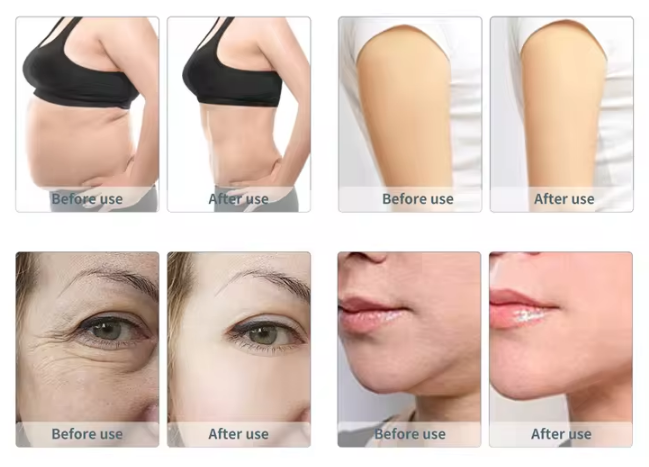
Many individuals have experienced successful fat reduction through ultrasonic cavitation treatments. One case study involved a 35-year-old woman who underwent a series of sessions using a frequency of 60 kHz. The treatment resulted in a visible reduction in fat in her abdomen, leading to improved body contouring and increased self-confidence.
These real-life examples provide insight into the potential effectiveness of ultrasonic cavitation treatments when the appropriate frequency is used.
Conclusion
When it comes to ultrasonic cavitation for fat reduction, selecting the right frequency is crucial for achieving optimal results. Factors such as the thickness of the fat layer and the desired treatment depth will guide your frequency choice.
Scientific research, expert opinions, and real-life experiences all highlight the significance of frequency in ultrasonic cavitation treatments. By consulting with a professional and customizing the treatment based on your specific needs, you can maximize the effectiveness of ultrasonic cavitation for fat reduction and enjoy long-lasting results.