
The Complete Guide to Tattoo Removal: Types, Processes, and Expectations
Introduction:
Tattoos have become increasingly popular in recent years, but what happens when you want to remove them? Whether it's because of changing tastes, a desire to erase a painful memory, or the need to meet professional requirements, choosing to remove a tattoo is a big decision. In this ultimate guide, we will explore the different types of tattoo removal methods, their processes, and what you can expect along the way.

Understanding Tattoos
Tattoos are a form of self-expression and art, but they are also permanent markings on your skin. To understand tattoo removal, it's important to grasp why people get tattoos and why they may choose to remove them later on.
There are various reasons why someone may want to remove a tattoo, such as:
- A change in personal or professional circumstances
- The tattoo no longer holds the same meaning
- A desire to modify or replace an existing tattoo
- Aesthetic preferences
- An outdated tattoo design

No matter the reason, tattoo removal is a viable option for those seeking a fresh start.
Types of Tattoo Removal Methods
When it comes to tattoo removal, there are multiple methods available. Here, we will explore the most common ones:
Laser Tattoo Removal
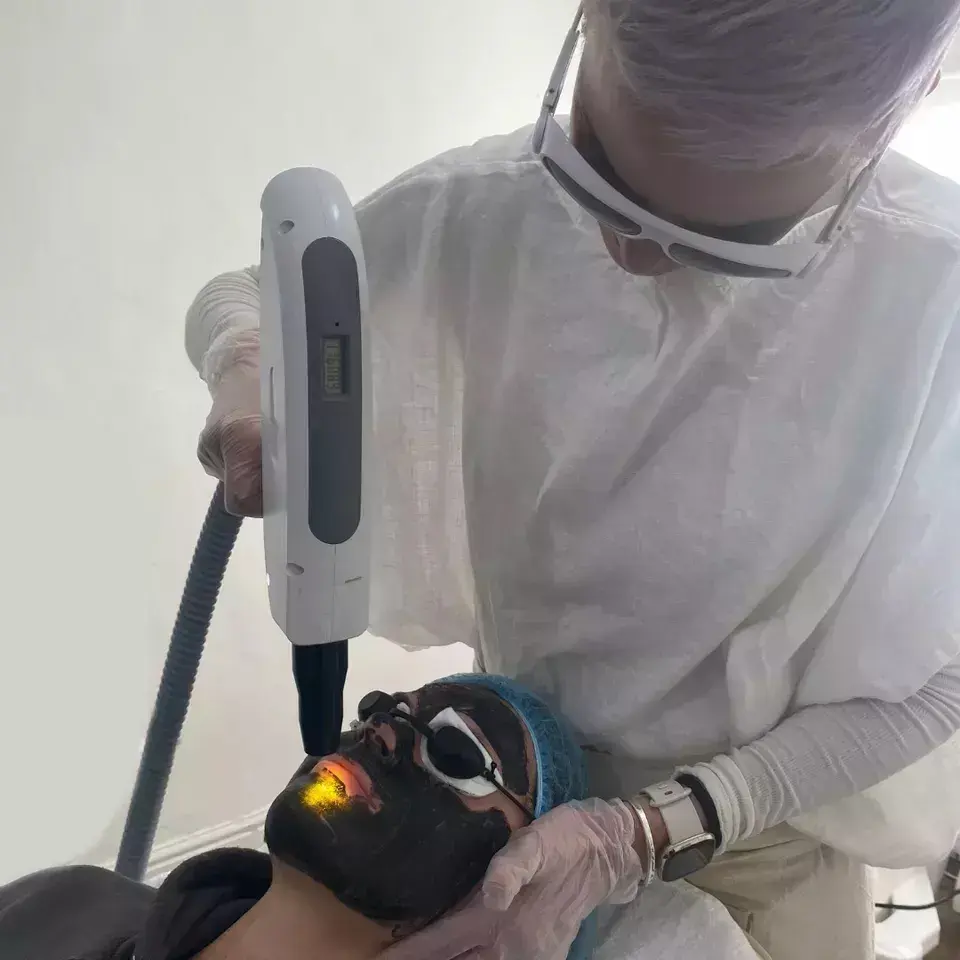
Laser tattoo removal is the most popular and widely recognized method. It involves using laser technology to break down the tattoo ink particles, allowing the body to naturally eliminate them over time. The laser targets the tattoo while leaving the surrounding skin unharmed.
Pros:
- Effective for most tattoo types and colors
- Minimal scarring when performed by a skilled professional
- Non-invasive and relatively safe
Cons:
- Requires multiple sessions for complete removal
- Can be expensive depending on the size and complexity of the tattoo
- May cause temporary discomfort during the treatment

Cost and time commitment: The cost of laser tattoo removal varies depending on the size, color, and location of the tattoo. Multiple sessions are usually necessary, spaced several weeks apart, for optimal results.
Surgical Tattoo Removal
Unlike laser removal, surgical tattoo removal physically removes the tattooed skin. This method is typically used for larger tattoos or when laser removal is not suitable.
Pros:
- Effective for large and stubborn tattoos
- Can remove tattoos that are difficult to treat with lasers
- May require fewer sessions compared to laser removal
Cons:

- More invasive than laser removal
- May result in scarring
- Requires a longer recovery time
Cost and time commitment: Surgical tattoo removal costs vary depending on the size and complexity of the tattoo. This method usually requires local anesthesia, and recovery time can range from weeks to months.
Chemical Tattoo Removal
Chemical tattoo removal involves the use of chemical solutions to break down the tattoo ink. This method is less common and is usually performed by dermatologists or trained professionals.
Pros:
- Can be effective for some tattoo colors
- Less invasive than surgical removal
- Can be less expensive than other methods
Cons:
- May require multiple sessions for complete removal
- Higher risk of skin irritation or chemical burns
- Effectiveness varies depending on the tattoo and individual factors
Cost and time commitment: The cost of chemical tattoo removal varies depending on the size and complexity of the tattoo. Multiple sessions are often required, and the process can take several months.
Non-Invasive Tattoo Removal Methods
In addition to the above methods, there are non-invasive approaches to tattoo removal:
Creams and Topical Solutions
Tattoo removal creams and topical solutions are applied directly to the skin to help fade the tattoo over time. While they may not completely remove the tattoo, they can lighten its appearance.
Pros:

- Non-invasive and easy to use
- Affordable compared to other methods
Cons:
- Results may vary and can take longer to see noticeable effects
- Not as effective on deeply pigmented or large tattoos
- Requires consistent, long-term use
Effectiveness and limitations: While creams and topical solutions may help lighten tattoos, they are not as effective as laser or surgical removal. Results vary depending on individual factors and the tattoo itself.
Home Remedies
Various home remedies claim to help fade tattoos, including lemon juice, salt scrubs, and using abrasive materials. However, it's important to approach these methods with caution and consult with a professional, as they may cause skin damage or worsen the appearance of the tattoo.
Pros:
- Readily available and inexpensive
Cons:
- Effectiveness is limited and largely anecdotal
- May cause skin irritation or damage
- Results can be inconsistent and may not lead to complete tattoo removal
Effectiveness and safety concerns: Home remedies are not recommended for complete tattoo removal. They may offer temporary lightening effects, but professional methods are more reliable for significant fading or removal.
Factors to Consider and What to Expect
Before undergoing tattoo removal, it's important to consider the following factors:
- Skin type and color
- Tattoo size, color, and location
- Tattoo age and density
- Overall health and immune system
- Expectations and desired outcomes
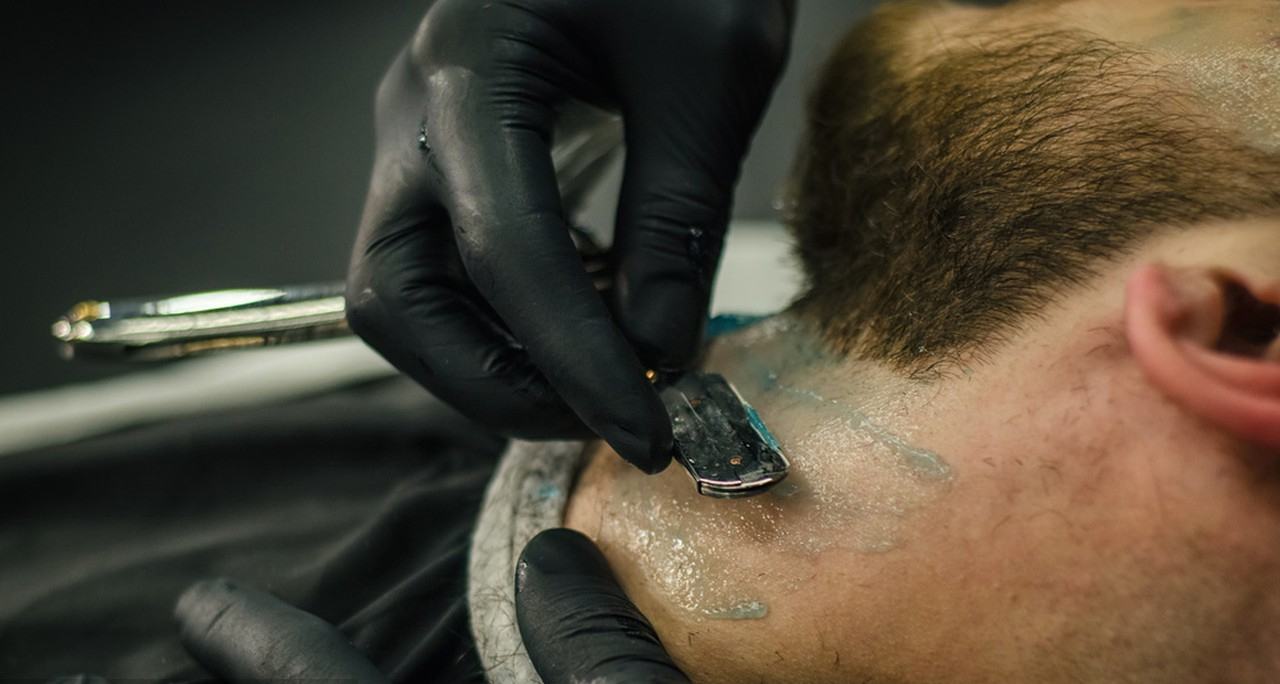
Preparing for tattoo removal: Prior to the procedure, your practitioner will provide instructions on how to prepare your skin, which may include avoiding sun exposure, certain medications, or skincare products.
Pain and discomfort: The level of pain experienced during tattoo removal varies depending on the individual and the removal method used. Laser removal is often described as a sensation similar to a rubber band snapping against the skin, while surgical removal may cause more discomfort during the recovery period.
Healing process and aftercare: Tattoo removal procedures require proper aftercare for optimal healing. This includes keeping the area clean, avoiding direct sunlight, and following any specific instructions provided by your practitioner.
Realistic expectations: Complete tattoo removal is not always achievable, particularly for tattoos with dense pigmentation or multicolored designs. Fading or significant lightening of the tattoo is typically the achievable goal for most removal procedures.
Conclusion
Tattoo removal is a personal journey that requires careful consideration and the right approach. It's vital to consult with a qualified professional to discuss your options, expectations, and the best-suited method for your tattoo removal. By understanding the various tattoo removal methods, their processes, and what to expect, you can make an informed decision and embark on your tattoo-free future.