Introduction
The aesthetic equipment industry is moving toward a more integrated approach to professional skincare and body treatments. Instead of relying on a single technology for every concern, modern beauty clinics and professional salons are increasingly looking for platforms that can combine multiple treatment technologies within one system.
This development is driving the growth of combination aesthetic devices—professional systems designed to integrate technologies such as radio frequency (RF), ultrasound, vacuum, LED light therapy, oxygen infusion, microcurrent, cooling, or other energy-based modalities.
The concept is straightforward: different technologies can address different aspects of an aesthetic treatment, while a well-designed professional platform allows operators to coordinate these functions according to the client's needs.
For clinics, the value goes beyond having more functions on a specification sheet. Combination devices can support broader treatment menus, more flexible protocols, better equipment utilization, and a more structured approach to personalized services.
As aesthetic businesses become increasingly focused on treatment efficiency and client experience, combination technology is likely to become an important part of the next generation of professional beauty equipment.
Background: Why Are Combination Aesthetic Devices Becoming More Important?
Traditional aesthetic equipment is often designed around a single primary technology. An RF machine focuses on radio-frequency energy, an ultrasound device focuses on acoustic energy, while an LED system uses specific wavelengths of light.
Single-function devices can still be highly useful. However, professional clinics frequently encounter clients with multiple concerns at the same time.
For example, a client may be interested in improving the appearance of uneven skin texture while also seeking a treatment focused on skin firmness and hydration. Another client may want a body contouring program that combines several treatment approaches rather than relying on one modality.
This creates a practical challenge for professional operators.
Using several independent machines can require more treatment-room space, additional staff training, separate operating procedures, and greater equipment investment. It can also make treatment planning more complicated.
Combination aesthetic devices address this challenge by bringing multiple technologies into a coordinated platform.
The goal is not simply to put several technologies into one machine. The real value lies in how these technologies can be selected, adjusted, and applied according to different treatment objectives.
For equipment manufacturers, this means the future of combination systems is increasingly about integration, control, usability, and treatment customization.
Technology and Mechanism: How Do Combination Aesthetic Devices Work?
A combination aesthetic device typically contains several functional modules or handpieces. Each technology operates according to its own physical mechanism, while the control system allows the professional operator to select the appropriate function and parameters.
1. Radio Frequency for Professional Skin Treatments
RF technology delivers radio-frequency energy into targeted tissue, producing controlled thermal effects.
In professional aesthetic treatments, RF is commonly used for skin-firming and appearance-focused treatments. The thermal effect can support a treatment environment designed around collagen-related skin concerns and improved skin appearance.
Depending on the system design, RF may be combined with other technologies to create a more comprehensive treatment protocol.
2. Ultrasound for Targeted Aesthetic Applications
Ultrasound uses acoustic energy rather than electromagnetic energy. Different ultrasound frequencies and operating modes can be designed for different aesthetic applications.
In professional equipment, ultrasound may be used for facial treatments, body-focused applications, product infusion, or other treatment protocols depending on the device configuration.
Its ability to operate through controlled mechanical or acoustic energy makes it a useful complementary technology in multi-function systems.
3. Vacuum Technology for Body and Facial Treatments
Vacuum systems create controlled negative pressure through specialized applicators.
In professional aesthetic settings, vacuum technology can be incorporated into body contouring, massage-oriented treatments, lymphatic-support protocols, or facial treatments depending on the applicator and pressure settings.
When combined with energy-based technologies, vacuum can provide another treatment dimension while allowing operators to adjust the protocol according to the treatment area.
4. LED Light Therapy
LED technology uses specific wavelengths of visible or near-infrared light for non-invasive aesthetic applications.
Different wavelengths are associated with different treatment objectives. For example, red and near-infrared light are commonly incorporated into professional skincare protocols focused on skin appearance and recovery support, while blue light is frequently associated with acne-focused skincare programs.
A combination platform can therefore give professional operators additional flexibility without requiring a separate LED system.
5. Oxygen and Infusion Technologies
Some combination systems incorporate oxygen delivery, spray technologies, or non-invasive infusion functions.
These technologies can complement cleansing, hydration, serum application, and finishing stages of professional facial treatments.
The important point is that combination treatment does not necessarily mean using every technology simultaneously. A professional operator can select the appropriate functions for a particular protocol.
Figure 1 — The Architecture of a Combination Aesthetic Platform
Client Assessment → Treatment Goal → Technology Selection → Parameter Adjustment → Combined Treatment Protocol → Skin/Body Care → Post-Treatment Monitoring
Example Technology Layer:
RF → Thermal Skin-Firming Support
Ultrasound → Acoustic Energy Applications
Vacuum → Controlled Negative-Pressure Treatment
LED → Light-Based Skincare Support
Oxygen/Infusion → Hydration & Product Application Support
Core Concept: One Professional Platform + Multiple Treatment Pathways
Advantages and Comparison: Combination Devices vs. Single-Function Equipment
The growing interest in combination equipment is closely connected to how modern clinics operate.
Greater Treatment Flexibility
A single-function machine is generally optimized around a particular treatment category. A combination platform can offer several treatment pathways.
This flexibility can be particularly valuable for clinics with diverse client needs.
For example, an operator might use one function during the preparation stage, another during the main treatment, and a third technology during the finishing stage.
This allows the equipment to become part of a complete treatment protocol rather than simply being used for one isolated procedure.
Better Equipment Utilization
Professional equipment represents a significant investment. A machine that supports several treatment categories can potentially be used across more services throughout the working day.
Instead of having multiple devices dedicated to individual procedures, a clinic may use an integrated platform for several treatment programs.
This can help make treatment-room space and equipment resources more adaptable.
More Personalized Treatment Protocols
Modern aesthetic clients increasingly expect treatments to reflect their individual concerns.
Combination systems allow operators to adjust treatment pathways instead of applying exactly the same procedure to every client.
For example, two clients may both request a facial treatment, but their protocols can be different based on skin condition, treatment goals, sensitivity, and the professional's assessment.
The equipment therefore becomes a tool for customization rather than simply a device with multiple buttons.
Improved Workflow
A well-designed combination system can simplify the treatment workflow.
When different functions are available through one central platform, operators may spend less time moving between separate machines and accessories.
However, integration should not be confused with complexity. A good professional system should provide intuitive controls, clear parameter adjustment, ergonomic handpieces, and logical treatment modes.
Professional Equipment vs. Home-Use Devices
Combination technology also highlights an important distinction between professional and home-use equipment.
Home devices are generally designed around simplicity, convenience, and user accessibility. Professional equipment, by contrast, is developed for trained operators working within structured treatment protocols.
Professional systems can provide multiple applicators, adjustable parameters, treatment-specific modes, larger working areas, more robust construction, and workflows designed for repeated commercial use.
The advantage is therefore not simply “more power.” It is the combination of control, versatility, repeatability, ergonomics, and professional operation.
For clinics and salons, these factors can have a direct impact on how equipment is incorporated into daily services.
Applications and Client Needs
The future of combination aesthetic devices is closely connected to the expansion of multi-step treatment programs.
Facial Rejuvenation and Skin-Firming Programs
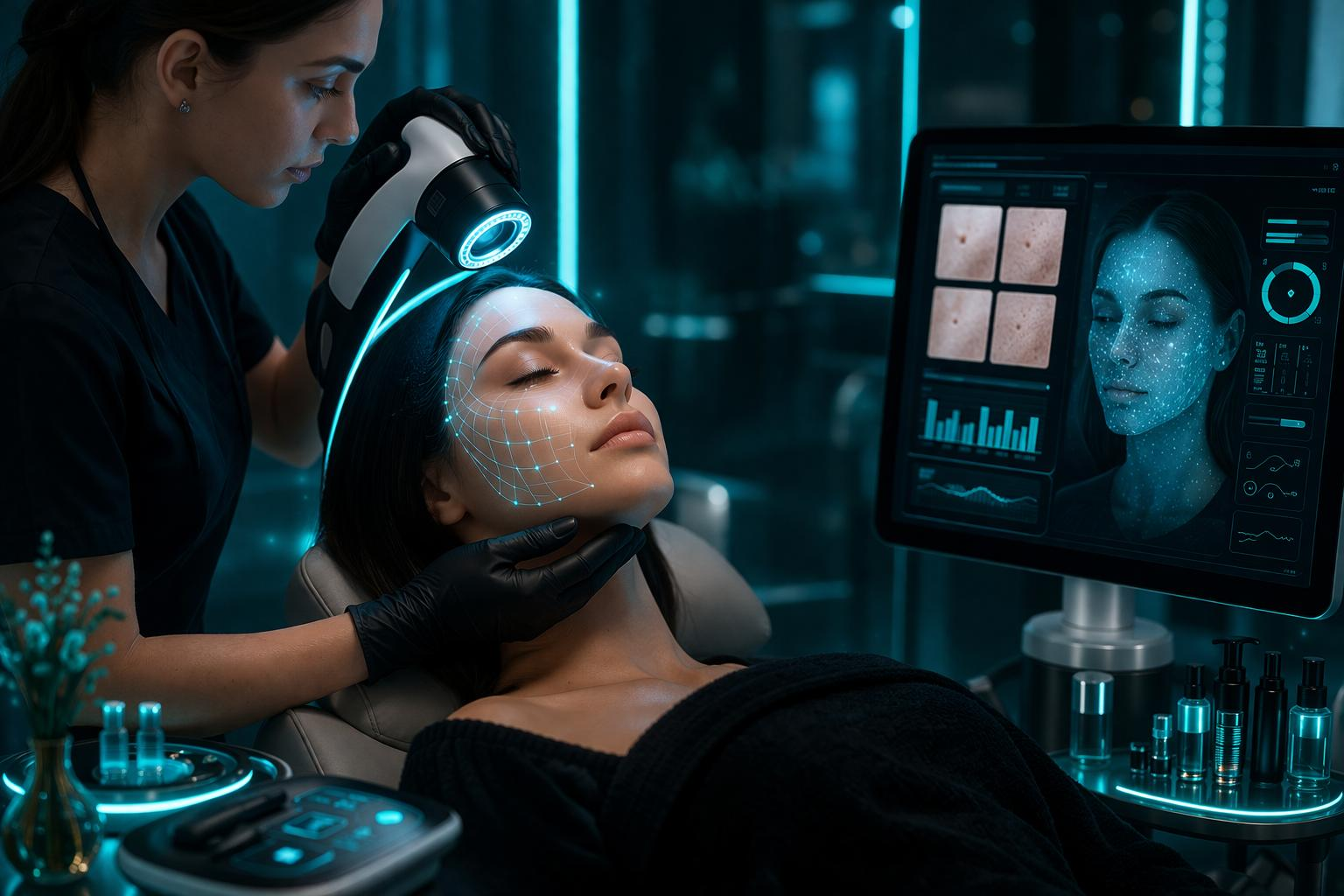
A combination system can integrate technologies such as RF, ultrasound, LED, and infusion functions into different stages of a facial protocol.
For example, a professional may begin with cleansing and preparation, continue with an energy-based treatment, and finish with hydration or light-based skincare support.
The exact sequence should depend on the equipment design, manufacturer protocol, operator training, and individual client assessment.
Hydration and Skin-Conditioning Treatments
Clients increasingly seek professional treatments that combine cleansing, hydration, serum application, and appearance-focused technologies.
Combination devices can support these services by bringing several complementary functions into one treatment platform.
This is particularly relevant for salons that want to create structured facial packages rather than offering isolated machine-based procedures.
Body Contouring and Body Care
Combination platforms can also be designed for body-focused applications.
Depending on the configuration, RF, ultrasound, vacuum, or massage-oriented technologies may be incorporated into body treatment programs.
The operator can select technologies according to the treatment area and intended service, while maintaining a consistent workflow within the same equipment platform.
Premium Multi-Step Treatment Packages
From a business perspective, combination equipment can support the development of tiered service packages.
A clinic might offer a basic treatment using one technology, while a more comprehensive package combines several compatible functions.
This creates opportunities to design services around treatment protocols rather than simply selling machine time.
For professional operators, this shift can make the equipment easier to position as part of a complete client experience.
What Will the Next Generation of Combination Devices Look Like?
The future is likely to focus on smarter integration rather than simply increasing the number of technologies inside one machine.
Intelligent Parameter Management
Future systems may increasingly use software to help operators organize treatment parameters and protocols.
Instead of manually adjusting every function from the beginning, a system could provide treatment-mode guidance while still allowing trained professionals to control the final settings.
Modular Handpiece Design
Modular systems can make combination devices more adaptable.
Manufacturers may increasingly develop platforms where different handpieces or functional modules can be configured according to the needs of a clinic.
This approach can also make equipment platforms easier to update as treatment technologies evolve.
More Focus on Operator Experience
Ergonomics will remain important.
A machine with multiple functions is only useful when operators can use those functions efficiently. Lightweight handpieces, intuitive interfaces, clear displays, organized cables, easy maintenance, and practical treatment workflows will increasingly influence equipment selection.
Data-Driven Treatment Management
Another potential development is the integration of digital client records, treatment history, skin analysis, and parameter tracking.
When assessment information and treatment information are connected, clinics can build more consistent treatment workflows and monitor changes over time.
This creates a broader ecosystem in which aesthetic equipment becomes part of the clinic's service-management process.
Conclusion
Combination aesthetic devices are becoming an important direction in the evolution of professional beauty technology.
Their value comes from more than combining several technologies in one cabinet. The real potential lies in creating a flexible professional platform that allows operators to build treatment protocols around different client needs.
RF, ultrasound, vacuum, LED, oxygen, infusion, and other technologies each have different mechanisms and applications. When appropriately integrated, they can provide clinics with more treatment possibilities while helping optimize equipment utilization and workflow.
For modern salons and aesthetic clinics, the future of equipment is likely to be defined by integration, customization, usability, and intelligent treatment management.
Manufacturers that focus on these areas can provide more than multifunctional machines. They can develop professional platforms designed to support evolving treatment models and the increasingly personalized expectations of aesthetic clients.
As the industry continues to move toward comprehensive treatment experiences, combination aesthetic devices are positioned to become an increasingly practical part of the modern professional clinic
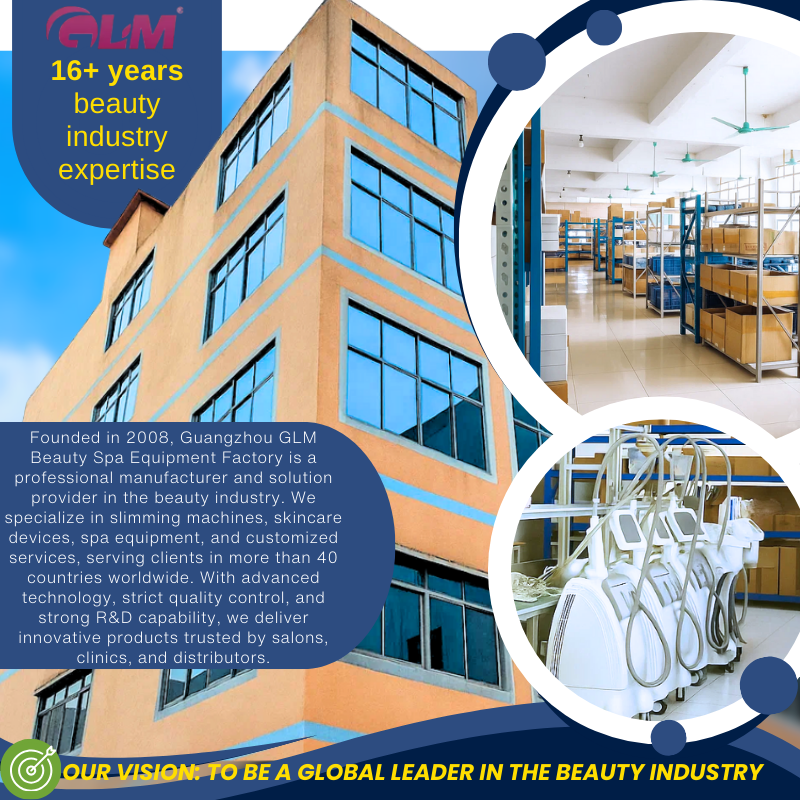
Founded in 2008, Guangzhou GLM Beauty Spa Equipment Factory specializes in research, development, manufacture and selling of beauty and slimming machines. Our production base is located in Guangzhou City, Guangdong Province, China. Since our foundation, we have introduced advanced technologies and equipment, to assure high quality and high performance of our products. With professional marketing guide and excellent after-sales service, our products have been exported to over 20 countries and regions, including Southeast Asia, the Middle East, Europe and the United States, won worldwide praises and gained a good reputation