Introduction
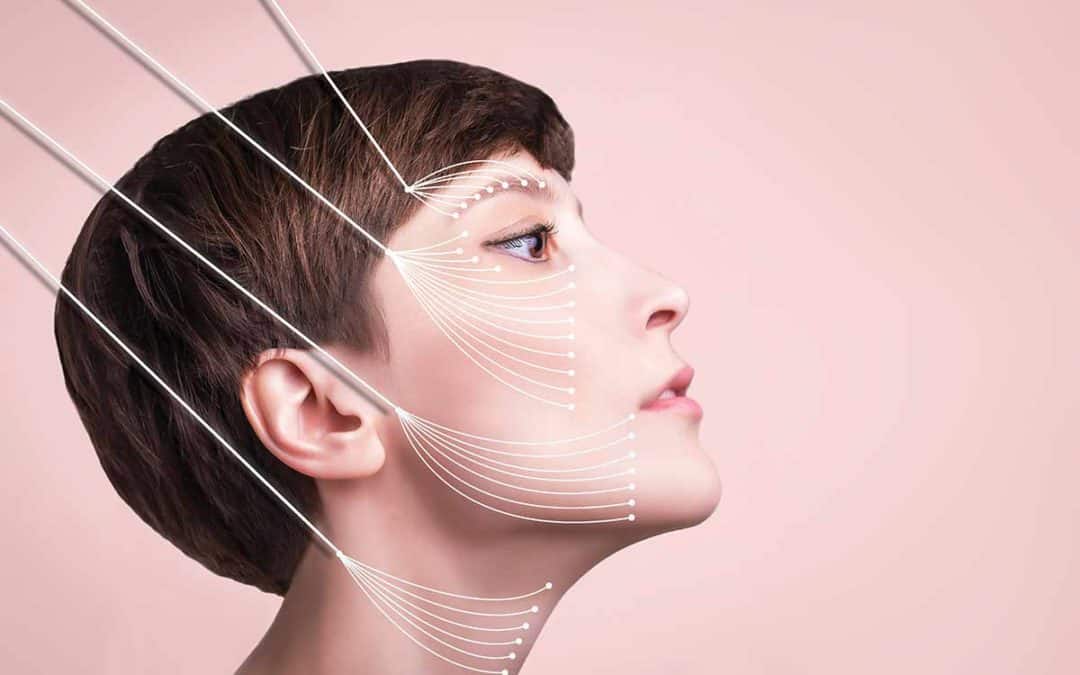
Skin lifting has long been associated with surgical procedures, long recovery times, and significant risks. However, modern aesthetic medicine is undergoing a clear shift. Clients increasingly seek visible lifting results without surgery, needles, or downtime, pushing non-invasive skin lifting technologies into rapid development.
From RF and ultrasound to plasma, microcurrent, and multi-technology platforms, non-invasive skin lifting is no longer a trend—it is becoming the core direction of future aesthetic treatments. This article explores how these technologies work, why demand continues to grow, and what the future holds for clinics and beauty professionals.
Background: Why Non-Invasive Skin Lifting Is in Demand
Changing Client Expectations
Today’s aesthetic clients are:
-
More informed
-
Risk-averse
-
Time-conscious
-
Focused on natural-looking results
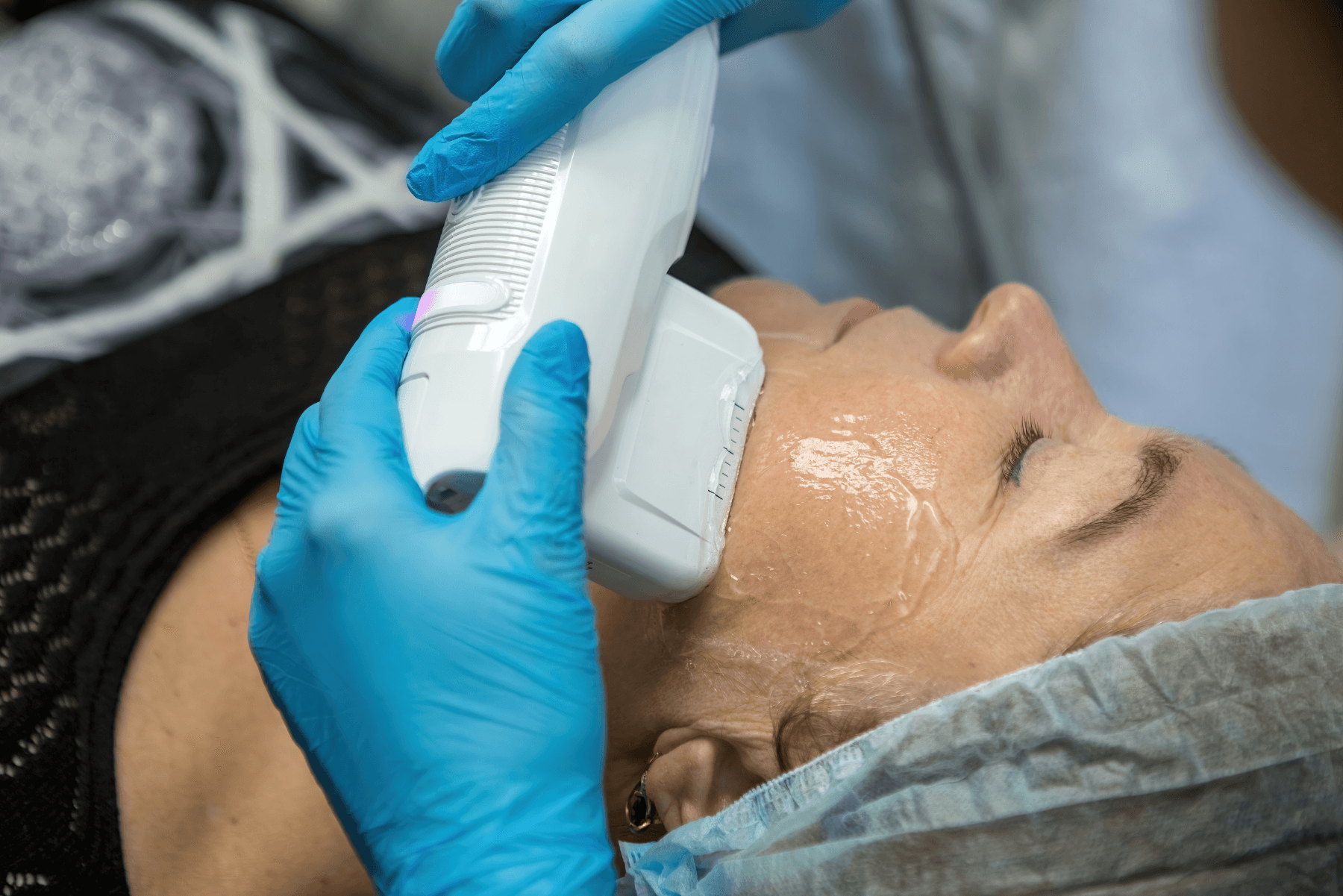
They prefer treatments that fit into busy lifestyles, making non-invasive lifting more attractive than surgical alternatives.
Aging Demographics and Preventive Aesthetics
As preventive anti-aging gains popularity, younger clients now seek:
-
Early skin tightening
-
Collagen stimulation
-
Facial contour maintenance
Non-invasive technologies support this shift by offering gradual, cumulative improvements rather than dramatic one-time interventions.
Core Technologies Driving Non-Invasive Skin Lifting
Radio Frequency (RF) Technology
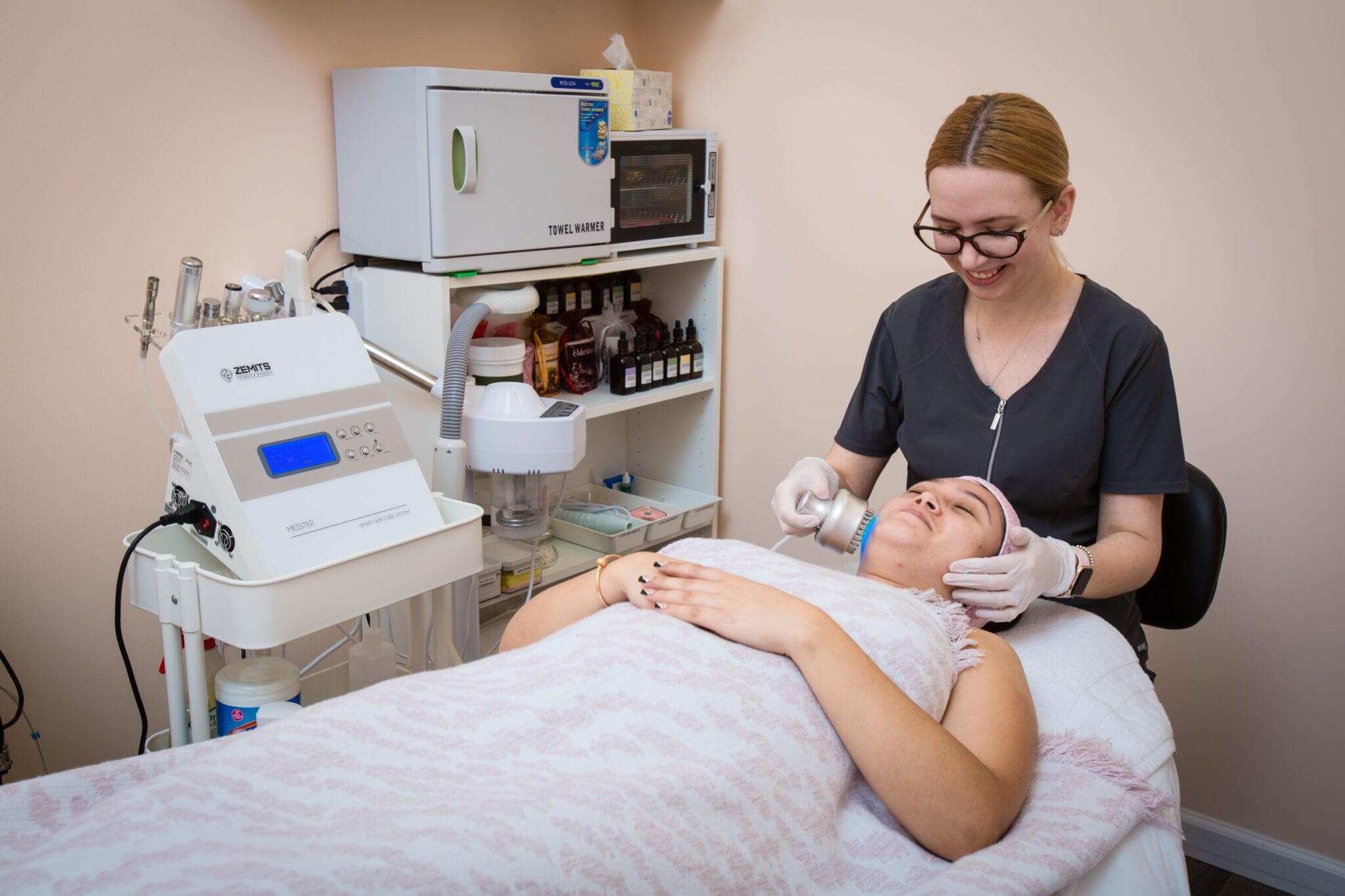
RF uses controlled heat to:
-
Stimulate collagen and elastin
-
Improve dermal density
-
Tighten lax skin over time
Its safety profile and versatility make RF one of the most widely adopted lifting technologies globally.
Ultrasound and HIFU
Ultrasound-based lifting works by:
-
Delivering focused energy into deeper skin layers
-
Triggering collagen remodeling
-
Improving firmness without surface damage
HIFU, in particular, targets structural layers previously reachable only by surgery.
Microcurrent and EMS
Low-level electrical stimulation:
-
Activates facial muscles
-
Improves muscle tone
-
Enhances facial contour
These technologies support lifting through neuromuscular re-education, complementing collagen-based treatments.
Emerging Technologies Shaping the Future
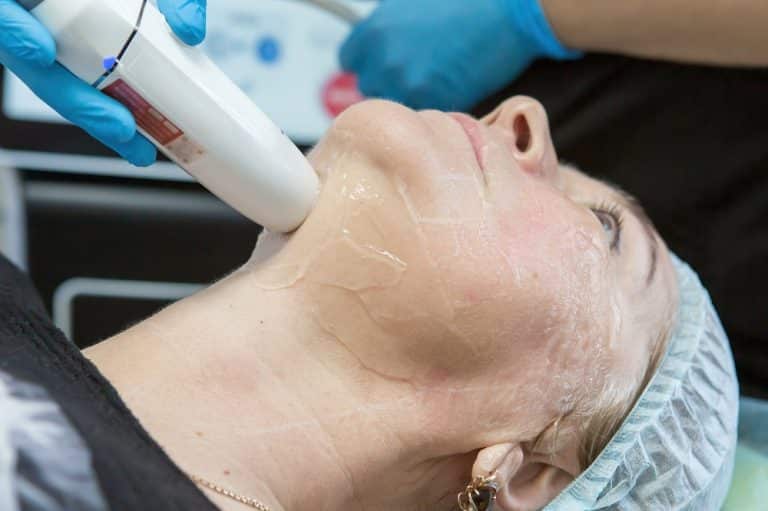
Plasma-Based Skin Tightening
Cold plasma and plasma fibroblast technologies:
-
Stimulate skin regeneration
-
Improve texture and firmness
-
Support wound healing responses
Plasma is gaining attention for its ability to combine skin quality improvement with lifting effects.
Multi-Technology Integration
Future devices increasingly combine:
-
RF + microneedling
-
Ultrasound + RF
-
EMS + thermal stimulation
These combinations allow clinics to address skin, fat, muscle, and collagen in a single protocol.
Clinical Principles Behind Non-Invasive Lifting
Collagen Remodeling Over Time
Unlike surgery, non-invasive lifting relies on:
-
The body’s natural repair mechanisms
-
Gradual collagen production
-
Progressive tightening
This approach produces more natural and sustainable-looking results.
Layer-Specific Targeting
Advanced devices allow practitioners to:
-
Select energy depth
-
Adjust intensity
-
Customize treatment by facial zone
Precision is becoming the defining factor of future technologies.
Safety and Accessibility as Key Drivers
Non-invasive lifting technologies:
-
Minimize skin barrier disruption
-
Reduce complications
-
Lower entry barriers for clinics
This safety advantage allows treatments to be offered to a wider range of skin types and ages.
The Role of Smart Technology and Data
AI and Skin Analysis Integration
Future lifting devices are increasingly paired with:
-
AI skin analysis
-
Treatment planning software
-
Progress tracking tools
Data-driven decisions improve consistency and client trust.
Personalized Treatment Protocols
Rather than one-size-fits-all solutions, the future lies in:
-
Customized energy delivery
-
Individual skin response monitoring
-
Adaptive treatment plans
Why Clinics Are Investing in Non-Invasive Lifting Devices
From a business perspective, these technologies:
-
Offer high repeat-treatment potential
-
Require minimal consumables
-
Fit subscription or maintenance models
They allow clinics to build long-term client relationships, not one-time procedures.
Home-Use vs Professional Devices
While home-use lifting devices are growing in popularity:
-
Professional systems deliver deeper, more controlled energy
-
Clinic-grade devices ensure safety and consistency
The future will likely see coexistence, with clinics remaining the gold standard for visible lifting.
Challenges and Limitations
Non-invasive lifting is not instant surgery replacement. Results:
-
Require multiple sessions
-
Depend on skin condition and age
-
Improve gradually
Proper education and expectation management remain essential.
Conclusion
The future of non-invasive skin lifting lies in precision, integration, and personalization. As technologies evolve, treatments are becoming safer, smarter, and more effective—without sacrificing comfort or natural appearance.
For modern clinics, non-invasive skin lifting devices are no longer optional upgrades. They represent the core foundation of next-generation anti-aging treatments, aligning perfectly with both client expectations and sustainable business growth.
Founded in 2008, Guangzhou GLM Beauty Spa Equipment Factory specializes in research, development, manufacture and selling of beauty and slimming machines. Our production base is located in Guangzhou City, Guangdong Province, China. Since our foundation, we have introduced advanced technologies and equipment, to assure high quality and high performance of our products. With professional marketing guide and excellent after-sales service, our products have been exported to over 20 countries and regions, including Southeast Asia, the Middle East, Europe and the United States, won worldwide praises and gained a good reputation.