Introduction
In today's competitive aesthetics industry, clients expect more than a basic facial treatment. They seek relaxation, visible skin improvements, and an elevated experience that justifies their investment in professional skincare services. One technique that continues to stand the test of time is facial massage.
When incorporated correctly, facial massage can enhance circulation, support lymphatic drainage, improve product absorption, and create a deeply relaxing treatment experience. However, achieving consistent and professional results requires more than simply applying pressure to the skin. Understanding when, how, and why to perform facial massage is essential for beauty professionals.
As skincare technology continues to evolve, many clinics and salons are combining traditional hands-on techniques with advanced beauty devices such as radio frequency (RF), microcurrent, ultrasonic therapy, LED light therapy, and oxygen infusion systems. This combination allows practitioners to maximize treatment outcomes while maintaining the human touch clients value.
In this guide, we explore the dos and don'ts of adding facial massage to professional skincare treatments and how modern beauty technology can enhance these benefits.
Background/Problem
Facial massage has been used for centuries across different cultures as a method of improving skin appearance and promoting relaxation. While the concept remains popular, many skincare professionals face challenges when integrating facial massage into modern treatment protocols.
Common concerns include:
- Inconsistent treatment results
- Lack of standardized techniques
- Client sensitivity issues
- Time management during treatments
- Difficulty combining manual techniques with advanced technologies
- Limited understanding of lymphatic drainage pathways
Meanwhile, clients today often arrive with additional concerns such as:
- Facial puffiness
- Stress-related muscle tension
- Poor circulation
- Dull complexion
- Early signs of aging
- Digital-device-related facial fatigue
Traditional facial massage alone may provide temporary benefits, but modern clients increasingly expect measurable improvements. This is where professional treatment protocols and advanced aesthetic equipment can create a significant advantage.
Professional clinics that successfully combine skilled facial massage with technology-driven treatments often achieve higher client satisfaction, stronger retention rates, and improved treatment outcomes.
Technology/Mechanism
How Facial Massage Works
Facial massage affects several physiological systems simultaneously.
Improved Blood Circulation
Gentle manipulation of facial tissues encourages blood flow to the skin's surface. Increased circulation helps deliver oxygen and nutrients while supporting the skin's natural renewal process.
As circulation improves, clients often notice:
- Brighter skin appearance
- Improved radiance
- Healthier complexion
- Temporary reduction in dullness
Lymphatic Drainage Support
The lymphatic system plays a critical role in removing waste products and excess fluid from tissues.
Proper lymphatic massage techniques may help:
- Reduce facial puffiness
- Improve facial contours
- Minimize under-eye swelling
- Promote a fresher appearance
This benefit is particularly valuable for clients experiencing water retention, stress, or poor sleep habits.
Muscle Relaxation
Facial muscles experience constant activity throughout the day. Stress, repetitive expressions, and screen usage can contribute to muscular tension.
Massage can help relax:
- Forehead muscles
- Jaw muscles
- Cheek muscles
- Neck tension points
Many clients report immediate comfort and relaxation after treatment.
Where Beauty Devices Enhance Results
Although manual massage remains valuable, modern beauty equipment allows practitioners to amplify treatment outcomes.
Radio Frequency (RF) Technology
RF devices deliver controlled thermal energy into deeper tissue layers.
Benefits include:
- Skin tightening support
- Improved elasticity
- Enhanced collagen stimulation
- Improved treatment efficiency
When used alongside massage techniques, RF treatments can complement lifting and firming protocols.
Microcurrent Technology
Microcurrent devices deliver low-level electrical currents designed to stimulate facial muscles.
Professional operators often combine microcurrent treatments with massage to:
- Improve facial definition
- Support muscle toning
- Enhance lifting-focused treatments
- Deliver more noticeable results
Compared with manual massage alone, professional microcurrent systems provide greater consistency and precision.
Ultrasonic Therapy
Ultrasonic technology creates high-frequency vibrations that can assist with:
- Product penetration
- Skin conditioning
- Treatment comfort
- Overall treatment effectiveness
Following massage with ultrasonic treatments may help maximize the benefits of professional skincare products.
LED Light Therapy
LED therapy can complement massage by addressing different skin concerns such as:
- Redness
- Aging signs
- Uneven skin tone
- Acne-prone skin
Combining touch-based treatments with LED technology creates a comprehensive treatment experience that addresses both wellness and skin health goals.
Advantages/Comparison
Facial Massage Alone vs Professional Device-Assisted Treatments
| Factor | Manual Massage | Professional Device-Assisted Treatment |
|---|---|---|
| Relaxation | Excellent | Excellent |
| Circulation Support | Good | Enhanced |
| Lifting Effect | Temporary | More Visible |
| Consistency | Operator Dependent | More Standardized |
| Treatment Customization | Moderate | High |
| Client Perceived Value | Good | Higher |
| Business Differentiation | Limited | Strong |
Manual techniques provide an essential foundation, but advanced devices help create more measurable and repeatable results.
For professional salons and clinics, combining both approaches often represents the ideal balance between personalized care and technology-driven performance.
The Dos of Facial Massage
Do Assess Every Client First
A proper skin consultation should always come before treatment.
Evaluate:
- Skin condition
- Medical history
- Sensitivity levels
- Contraindications
- Treatment goals
Customized protocols typically achieve better outcomes than a one-size-fits-all approach.
Do Follow Lymphatic Drainage Pathways
Understanding facial anatomy is critical.
Massage movements should generally support natural lymphatic flow toward drainage points rather than applying random pressure patterns.
This approach improves treatment effectiveness and client comfort.
Do Use Appropriate Pressure
More pressure does not mean better results.
Excessive force can:
- Irritate sensitive skin
- Cause redness
- Damage capillaries
- Create discomfort
Professional practitioners focus on controlled, intentional movements rather than aggressive manipulation.
Do Combine Massage With Professional Equipment
One of the most effective strategies in modern aesthetics is integrating massage into multi-technology treatment protocols.
Examples include:
- RF + facial massage
- Microcurrent + massage
- LED therapy + massage
- Oxygen infusion + massage
- Ultrasonic therapy + massage
These combinations often produce a more comprehensive client experience.
Do Educate Clients
Clients are more likely to appreciate treatment value when they understand the process.
Explain:
- Treatment objectives
- Expected sensations
- Technology benefits
- Recommended treatment plans
Education helps build trust and long-term relationships.
The Don'ts of Facial Massage
Don't Perform Massage on Active Inflammation
Avoid facial massage when clients present with:
- Active acne cysts
- Skin infections
- Open wounds
- Severe rosacea flare-ups
- Recent invasive procedures
In these situations, massage may worsen irritation.
Don't Rush the Treatment
Fast, inconsistent movements often reduce treatment quality.
A structured protocol creates:
- Better client comfort
- Improved outcomes
- Greater professionalism
Clients frequently perceive slower, purposeful techniques as more luxurious.
Don't Ignore Hygiene Standards
Professional hygiene remains essential.
Always:
- Sanitize equipment
- Wash hands thoroughly
- Use clean linens
- Follow local safety regulations
Poor hygiene can undermine even the most advanced treatment technologies.
Don't Overpromise Results
Facial massage can provide many benefits, but practitioners should maintain realistic expectations.
Avoid claims such as:
- Permanent lifting
- Instant wrinkle removal
- Dramatic facial restructuring
Professional credibility depends on honest communication.
Don't Rely on Manual Techniques Alone
As client expectations evolve, relying exclusively on traditional massage may limit business growth.
Modern consumers increasingly seek treatments that combine:
- Relaxation
- Technology
- Visible outcomes
- Personalized care
Professional aesthetic devices help practitioners meet these expectations more effectively.
Applications/Client Needs
Facial massage can be incorporated into numerous professional treatment programs.
Anti-Aging Treatments
Combining massage with RF or microcurrent technologies can support:
- Skin firmness
- Facial contouring
- Improved elasticity
- Overall rejuvenation
Stress-Relief Facial Treatments
Clients experiencing high stress often benefit from:
- Facial massage
- LED therapy
- Oxygen treatments
- Neck and shoulder relaxation protocols
These services provide both aesthetic and wellness benefits.
Lymphatic Drainage Programs
Ideal for clients with:
- Facial puffiness
- Fluid retention
- Tired appearance
- Post-travel swelling
Professional lymphatic-focused treatments are increasingly popular in premium skincare clinics.
Luxury Spa Experiences
Many high-end spas combine:
- Manual massage
- Advanced facial technologies
- Customized skincare products
This approach enhances perceived value while differentiating services from basic facials.
Post-Treatment Recovery Support
Following certain non-invasive procedures, gentle massage protocols may help improve comfort and support recovery when appropriate and approved by treatment guidelines.
Conclusion
Facial massage remains one of the most valuable techniques in professional skincare. Its ability to promote relaxation, improve circulation, support lymphatic drainage, and enhance the client experience makes it a powerful addition to many treatment protocols.
However, the most successful modern skincare businesses recognize that touch alone is no longer enough. Today's clients expect personalized treatments supported by advanced technology and visible results.
By combining skilled facial massage with professional beauty devices such as radio frequency, microcurrent, ultrasonic therapy, and LED technology, clinics and salons can deliver a higher standard of care while creating stronger client loyalty and business growth.
The future of professional skincare lies not in choosing between human touch and technology, but in leveraging both to create exceptional treatment experiences
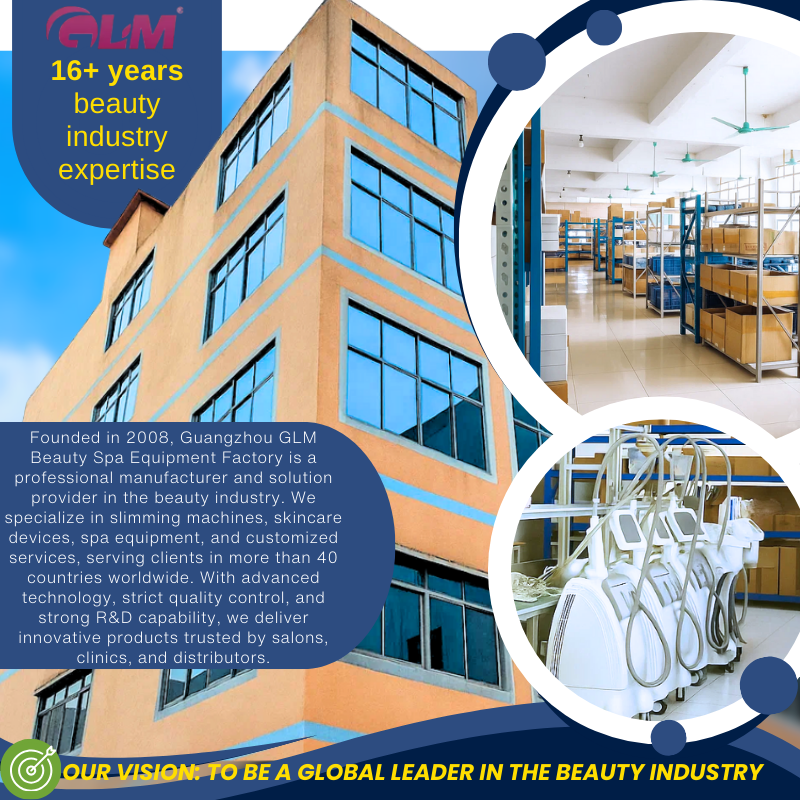
Founded in 2008, Guangzhou GLM Beauty Spa Equipment Factory specializes in research, development, manufacture and selling of beauty and slimming machines. Our production base is located in Guangzhou City, Guangdong Province, China. Since our foundation, we have introduced advanced technologies and equipment, to assure high quality and high performance of our products. With professional marketing guide and excellent after-sales service, our products have been exported to over 20 countries and regions, including Southeast Asia, the Middle East, Europe and the United States, won worldwide praises and gained a good reputation