Introduction
Aging skin shows up as fine lines, laxity, pigmentation, and loss of radiance. Many clients want visible improvement without the risks and downtime of surgery. In recent years, plasma skin regeneration has become a valuable non-surgical option in aesthetic clinics for addressing multiple age-related concerns. But beyond marketing headlines, what does plasma actually do to skin biology — and why are clinics adding plasma devices to their service menus?
This article explains the scientific principles behind plasma therapy, compares its benefits versus other modalities, and outlines realistic clinical uses and patient expectations. It also highlights why high-quality plasma systems are a pragmatic investment for clinics focused on reliable anti-aging outcomes.
Background / The Problem
As skin ages, several structural and functional changes occur:
-
Collagen and elastin production declines, reducing dermal support.
-
Chronological and photoaging increase pigment irregularities and textural defects.
-
Skin thickness decreases, making fine lines and crepey texture more visible.
-
Microcirculation and cellular turnover slow down, diminishing glow and repair capacity.
Patients commonly present with mixed concerns — superficial pigmentation, fine lines, and mild to moderate laxity — which are difficult to treat with a single topical product. While lasers, microneedling, and energy-based devices each address parts of the problem, they also carry tradeoffs: downtime, pigment risk for darker skin, or limited depth of action. Plasma offers a different mechanism that can complement these options and fill a clinical gap between light resurfacing and ablative surgery.
Technology / Principle: How Plasma Skin Regeneration Works
Plasma skin regeneration uses ionized gas — plasma — to deliver controlled thermal micro-injury to the epidermis and upper dermis. Unlike ablative lasers that vaporize tissue or deep lasers that rely on light absorption by chromophores, plasma generates a focused electrical arc or ionized gas field that transfers heat in a highly localized manner. Key technical points:
-
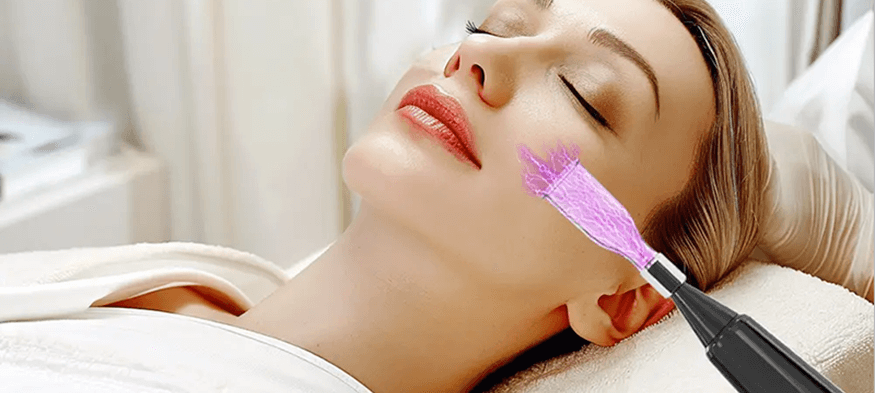
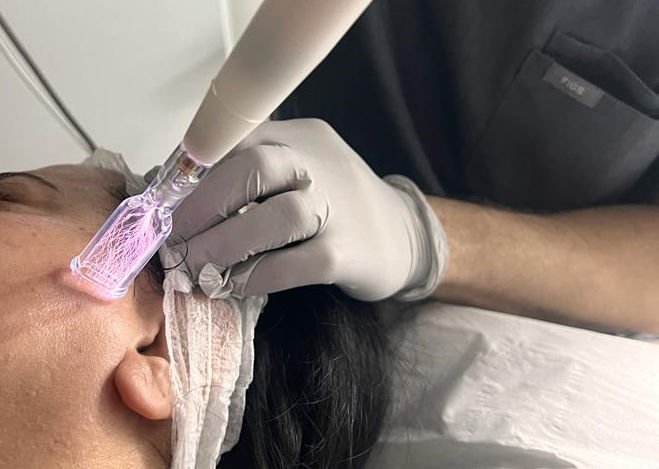
Plasma generation: A high-voltage pulse ionizes a small gap of gas (air) between the device tip and skin, creating plasma energy that transfers heat without direct contact.
-
Controlled thermal zones: The energy creates microthermal dots or columns that thermally denature targeted cells while leaving surrounding tissue intact, enabling faster re-epithelialization.
-
Collagen remodeling: The thermal insult contracts existing collagen and initiates a wound-healing cascade, activating fibroblasts to synthesize new collagen and extracellular matrix over weeks to months.
-
Pigment and surface effects: Superficial heat can disrupt melanin aggregates and accelerate cellular turnover, improving age spots and uneven tone.
Because plasma energy disperses as heat rather than light, it behaves differently on various skin tones — with an appropriate protocol it can offer resurfacing benefits with lower pigment risk than some lasers, provided the practitioner adjusts settings and aftercare for each patient.
Advantages & Comparison
Plasma therapy sits in a unique position among resurfacing and rejuvenation tools. Below are its principal benefits and how it compares with common alternatives.
1. Depth & Precision
-
Plasma delivers controlled thermal injury mostly at epidermal and upper dermal levels with precise dot patterns.
-
Compared to fractional ablative lasers, plasma often causes less widespread epidermal disruption while still stimulating dermal remodeling.
2. Reduced Downtime (when properly used)
-
Because plasma can be delivered in fractional patterns and the surrounding tissue remains intact, re-epithelialization can be faster than full-field ablation.
-
Patients may experience crusting or micro-scabbing for several days, but overall downtime is typically moderate rather than extensive.
3. Versatility for Delicate Areas
-
Plasma is well-suited to delicate zones (periorbital region, upper lip, neck) where aggressive resurfacing carries higher risk.
-
The non-contact or micro-contact approach allows refined treatment of thin skin with controlled energy.
4. Pigment Management
-
With correct parameters and patient selection, plasma can improve epidermal pigment irregularities while presenting lower risk of post-inflammatory hyperpigmentation than aggressive ablative lasers — especially valuable in mixed-tone patient populations.
-
However, pigment risk is not eliminated; careful pre- and post-treatment care is essential.
5. Complementary to Other Modalities
-
Plasma pairs well with microneedling, RF microneedling, and topical regimens: plasma addresses surface and pigment while other devices target deeper laxity or volumetric change.
-
For example, clinics often use plasma for tone and texture followed by RF sessions for deeper tightening.
6. Comfort & Safety
-
Modern plasma devices offer adjustable energy, pulse durations, and fractional patterns that improve safety and patient comfort relative to older systems.
-
When operated by trained professionals with proper cooling and aftercare protocols, complication rates remain low.
Limitations & Considerations
-
Plasma results develop over weeks to months as collagen remodels and pigmentation clears; it is not an instantaneous facelift.
-
Multiple sessions may be required depending on severity.
-
Operator skill and device quality significantly affect outcomes — under- or over-treatment changes efficacy or increases risks.
-
Post-procedure care (sun avoidance, topical healing support) is critical to prevent pigment issues.
Application Scenarios / Client Needs
Plasma skin regeneration is useful in many clinic settings. Typical indications:
-
Mature skin with mixed concerns
Clients over 40 with fine lines, age spots, and textural thinning often benefit because plasma simultaneously renews surface tone and stimulates dermal repair. -
Periorbital rejuvenation
The thin eyelid area responds well to controlled plasma resurfacing for crepey skin and fine rhytides without the pigment risk of aggressive lasers. -
Neck and décolletage
These zones are challenging for many lasers; fractional plasma can improve texture and firmness with conservative downtime. -
Sun-spotted or photodamaged skin
Superficial pigment and roughness respond to fractional thermal disruption and accelerated turnover. -
Patients seeking non-surgical improvement
Those unwilling or unready for thread lifts or surgical facelifts but wanting visible, gradual rejuvenation are ideal candidates.
Clinical Protocol Example (illustrative)
-
Assessment with skin analyzer to document pigmentation and texture.
-
1–3 fractional plasma sessions spaced 4–8 weeks apart for moderate aging.
-
Adjunctive topical growth factors, retinoids (after healing), and strict photoprotection.
-
Maintenance with LED therapy or RF maintenance sessions every few months.

Conclusion
Plasma skin regeneration offers a scientifically plausible, clinically flexible tool for aging skin. Its strengths are precise epidermal resurfacing, stimulation of dermal collagen remodeling, applicability to delicate regions, and a favorable risk profile when compared with aggressive ablative methods. While plasma is not a surgical substitute for major sagging or volume loss, it fills an important role between topical therapy and invasive procedures — especially for patients seeking meaningful improvement with manageable downtime.
For clinics, investing in a reliable, well-engineered plasma device provides a versatile anti-aging option that complements existing laser, RF, and microneedling portfolios. The key to success lies in correct patient selection, conservative protocols tailored by skin type, and thorough pre/post care to maximize collagen remodeling while minimizing pigment complications. When those elements align, plasma becomes a practical and effective component of a modern, layered approach to skin rejuvenation.
Founded in 2008, Guangzhou GLM Beauty Spa Equipment Factory specializes in research, development, manufacture and selling of beauty and slimming machines. Our production base is located in Guangzhou City, Guangdong Province, China. Since our foundation, we have introduced advanced technologies and equipment, to assure high quality and high performance of our products. With professional marketing guide and excellent after-sales service, our products have been exported to over 20 countries and regions, including Southeast Asia, the Middle East, Europe and the United States, won worldwide praises and gained a good reputation.