Introduction
The global aesthetic industry is entering a new phase of technology-driven treatment innovation. Clients today are no longer satisfied with basic skincare procedures or single-function devices. Instead, they increasingly seek non-invasive treatments that deliver visible skin improvement, shorter recovery time, greater comfort, and multifunctional treatment capabilities.
As this demand grows, professional aesthetic centers are rapidly adopting hybrid plasma systems as part of their advanced treatment portfolios. These next-generation devices combine plasma energy with complementary technologies to improve skin rejuvenation, tightening, resurfacing, and overall treatment versatility.
Unlike traditional single-energy platforms, hybrid plasma systems are designed to offer more controlled energy delivery, customizable treatment modes, and wider clinical applications. For professional beauty clinics and aesthetic centers, this technology represents more than just another skincare trend—it reflects the industry's movement toward smarter, safer, and more efficient treatment solutions.
Today’s clients are also becoming more educated about aesthetic procedures. They often ask for treatments that can address multiple skin concerns simultaneously, including:
- Fine lines and wrinkles
- Uneven skin texture
- Enlarged pores
- Skin laxity
- Acne scars
- Pigmentation irregularities
- Dull or aging skin
To meet these growing expectations, clinics need devices that provide both treatment flexibility and consistent performance. Hybrid plasma systems are increasingly viewed as an effective solution because they combine advanced skin interaction technology with professional customization capabilities.
This article explores why hybrid plasma systems are becoming more popular in professional aesthetic centers, how the technology works, what advantages it offers over traditional devices, and why professional-grade systems continue to play a critical role in modern skin rejuvenation treatments.
Background / Problem
For many years, aesthetic clinics relied on conventional technologies such as radio frequency, laser resurfacing, IPL, and microdermabrasion for skin rejuvenation treatments. While these technologies remain valuable, modern clients now expect treatments that are:
- Less invasive
- More comfortable
- Faster recovery
- Suitable for different skin types
- Multifunctional
- Capable of producing natural-looking results
Traditional single-function devices sometimes struggle to address multiple concerns within one treatment session. In addition, some aggressive resurfacing treatments may involve extended downtime, redness, or post-inflammatory risks, especially for sensitive or darker skin types.
At the same time, home-use beauty devices have become increasingly common. However, most consumer-grade devices operate with lower energy levels and simplified settings due to safety limitations. While convenient for basic maintenance, these systems typically cannot provide the same treatment precision, energy stability, or professional customization found in clinic-grade platforms.
Professional aesthetic centers therefore face a growing challenge:
How can clinics deliver effective skin rejuvenation treatments while minimizing downtime and maximizing treatment flexibility?
This challenge has accelerated the development of hybrid energy-based platforms, particularly hybrid plasma systems.
By integrating plasma technology with intelligent energy control and multiple treatment modes, these systems allow professional operators to customize treatments according to skin condition, sensitivity, treatment depth, and client goals.
For clinics, this means greater treatment adaptability and improved service diversification. For clients, it means safer and more personalized skin rejuvenation experiences.
Technology / Mechanism
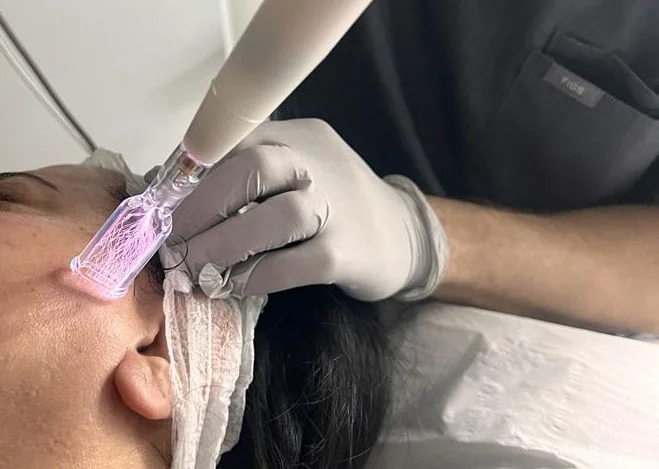
Plasma technology in aesthetics works by generating ionized gas energy that interacts with the skin surface and underlying tissues. Unlike traditional lasers that rely primarily on chromophore targeting, plasma energy creates controlled thermal effects through highly energized particles.
This controlled energy interaction can stimulate:
- Skin renewal
- Collagen remodeling
- Tissue contraction
- Surface resurfacing
- Improved skin texture
Hybrid plasma systems take this concept further by combining plasma energy with additional technologies such as:
- Radio frequency (RF)
- Fractional energy delivery
- Cold plasma modes
- Thermal plasma modes
- Skin cooling systems
- Intelligent pulse control
These combinations allow clinics to perform a wider range of treatments while adjusting intensity based on client needs.
Controlled Energy Delivery
One of the key strengths of hybrid plasma systems is precision energy management.
Professional-grade platforms often feature:
- Adjustable plasma intensity
- Multiple treatment heads
- Fractional treatment modes
- Smart pulse duration settings
- Real-time skin contact monitoring
These features help operators achieve consistent treatment outcomes while reducing unnecessary thermal damage to surrounding tissue.
Compared to older resurfacing technologies, hybrid plasma treatments can often provide more balanced results with shorter recovery periods.
Thermal and Non-Thermal Plasma Modes
Modern hybrid plasma systems may include both thermal and non-thermal treatment modes.
Thermal Plasma
Thermal plasma creates controlled heat stimulation within the skin, which can support:
- Collagen contraction
- Skin tightening
- Wrinkle reduction
- Scar remodeling
This mode is commonly used in professional anti-aging and resurfacing treatments.
Non-Thermal (Cold) Plasma
Cold plasma treatments operate at lower temperatures and are increasingly used for:
- Sensitive skin treatments
- Acne-focused procedures
- Skin calming
- Surface purification
- Post-treatment recovery support
The ability to combine multiple plasma modes within one platform significantly increases treatment versatility for clinics.
Collagen Stimulation and Skin Remodeling
One major reason hybrid plasma technology is gaining popularity is its ability to stimulate natural collagen production without highly invasive procedures.
As collagen levels decline with age, skin gradually loses elasticity and firmness. Plasma energy helps activate the skin’s natural regenerative response, encouraging long-term tissue remodeling.
Professional clinics often combine plasma-based treatments with customized skincare protocols to further improve treatment outcomes.
Because professional systems provide adjustable energy parameters, trained operators can tailor treatments according to:
- Skin thickness
- Treatment area
- Age-related concerns
- Sensitivity levels
- Recovery tolerance
This level of personalization is difficult to achieve with home-use systems.
Advantages / Comparison
Why Hybrid Plasma Systems Are Becoming Popular
Hybrid plasma platforms offer several important advantages for professional aesthetic centers.
1. Multifunctional Treatment Capability
Unlike single-function devices, hybrid plasma systems can address multiple concerns within one platform, including:
- Skin rejuvenation
- Fine line reduction
- Texture improvement
- Acne scar treatment
- Skin tightening
- Pore refinement
This versatility improves equipment utilization for clinics while expanding treatment offerings.
2. Reduced Downtime
Compared with some aggressive resurfacing technologies, hybrid plasma treatments are often associated with:
- Shorter recovery periods
- Lower risk of excessive irritation
- Better comfort management
- Faster return to daily activities
This is particularly attractive to modern clients seeking effective results with minimal disruption to their schedules.
3. Greater Treatment Precision
Professional hybrid systems allow precise control over:
- Energy depth
- Pulse duration
- Thermal intensity
- Treatment density
This improves treatment safety while helping operators customize procedures for different skin conditions.
4. Better Adaptability for Various Skin Types
Modern plasma systems are increasingly designed to accommodate a broader range of skin tones and sensitivities.
Advanced cooling technologies and intelligent parameter adjustment help reduce risks associated with overtreatment.
This adaptability is especially important in professional clinics serving diverse client demographics.
5. Improved Clinic Efficiency
For aesthetic centers, multifunctional plasma platforms can help:
- Reduce equipment redundancy
- Expand service menus
- Increase treatment flexibility
- Improve return on equipment investment
Many clinics now prioritize devices capable of supporting multiple treatment applications rather than relying on separate single-purpose machines.
Professional Systems vs Home-Use Devices
| Professional Hybrid Plasma Systems | Home-Use Devices |
|---|---|
| Higher energy stability | Limited output |
| Adjustable treatment modes | Fixed settings |
| Multiple plasma technologies | Basic functionality |
| Professional operator control | Self-use limitations |
| Advanced cooling systems | Minimal cooling |
| Broader treatment applications | Narrow treatment range |
| Faster visible improvement | Slower results |
While home-use devices may support daily skincare maintenance, professional plasma systems remain significantly more effective for advanced skin rejuvenation and corrective treatments.
Applications / Client Needs
Hybrid plasma systems are increasingly used across professional aesthetic centers for various treatment applications.
Anti-Aging Treatments
Clients seeking non-surgical rejuvenation often choose plasma-based treatments to improve:
- Fine lines
- Skin firmness
- Texture irregularities
- Mild skin laxity
Hybrid systems allow clinics to provide customizable anti-aging programs with varying treatment intensities.
Acne Scar and Texture Treatments
Fractional plasma modes are commonly used to improve uneven skin texture and post-acne scarring.
Controlled skin remodeling can gradually smooth the skin surface while supporting collagen regeneration.
Sensitive Skin Management
Cold plasma functions are increasingly popular for clients with sensitive or reactive skin because they offer gentler skin interaction.
These treatments are often incorporated into calming or recovery-focused protocols in professional clinics.
Multi-Treatment Aesthetic Programs
Many modern aesthetic centers now combine hybrid plasma treatments with:
- RF treatments
- Oxygen infusion
- LED therapy
- Skin hydration procedures
- Post-treatment repair protocols
This layered treatment approach allows clinics to create more personalized and comprehensive aesthetic programs.
Clinics Seeking Equipment Efficiency
For beauty clinics and professional operators, hybrid plasma systems provide operational advantages by combining multiple technologies within one platform.
This helps reduce floor space requirements while improving treatment diversity and overall workflow efficiency.
Conclusion
The rise of hybrid plasma systems reflects the ongoing transformation of the professional aesthetic industry toward smarter, safer, and more versatile treatment technologies.
As client expectations continue to evolve, clinics increasingly require equipment capable of delivering personalized skin rejuvenation with reduced downtime and broader treatment flexibility.
Hybrid plasma systems address these needs by combining advanced plasma technology with intelligent energy control, multifunctional treatment modes, and professional customization capabilities.
For professional aesthetic centers, these platforms offer more than just technological innovation—they support treatment diversification, improved client satisfaction, and long-term business growth.
For clients, professional plasma-based treatments provide a more advanced and personalized approach to skin rejuvenation compared with many traditional or home-use solutions.
As the demand for non-invasive aesthetic procedures continues to grow, hybrid plasma technology is expected to play an increasingly important role in the future of professional beauty and skin treatment industries.
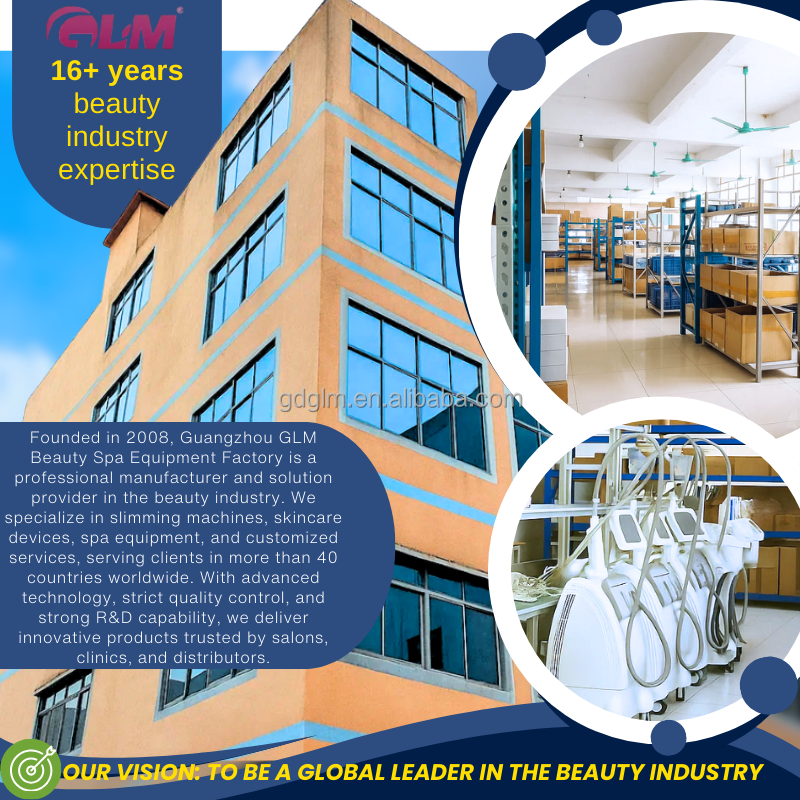
Founded in 2008, Guangzhou GLM Beauty Spa Equipment Factory specializes in research, development, manufacture and selling of beauty and slimming machines. Our production base is located in Guangzhou City, Guangdong Province, China. Since our foundation, we have introduced advanced technologies and equipment, to assure high quality and high performance of our products. With professional marketing guide and excellent after-sales service, our products have been exported to over 20 countries and regions, including Southeast Asia, the Middle East, Europe and the United States, won worldwide praises and gained a good reputation.