Introduction
The global aesthetic market has undergone a major shift over the past decade. Clients increasingly seek visible skin improvement without surgery, extended downtime, or high procedural risks. As a result, non-invasive skin treatments have become the dominant direction in modern beauty clinics and medical aesthetic centers.
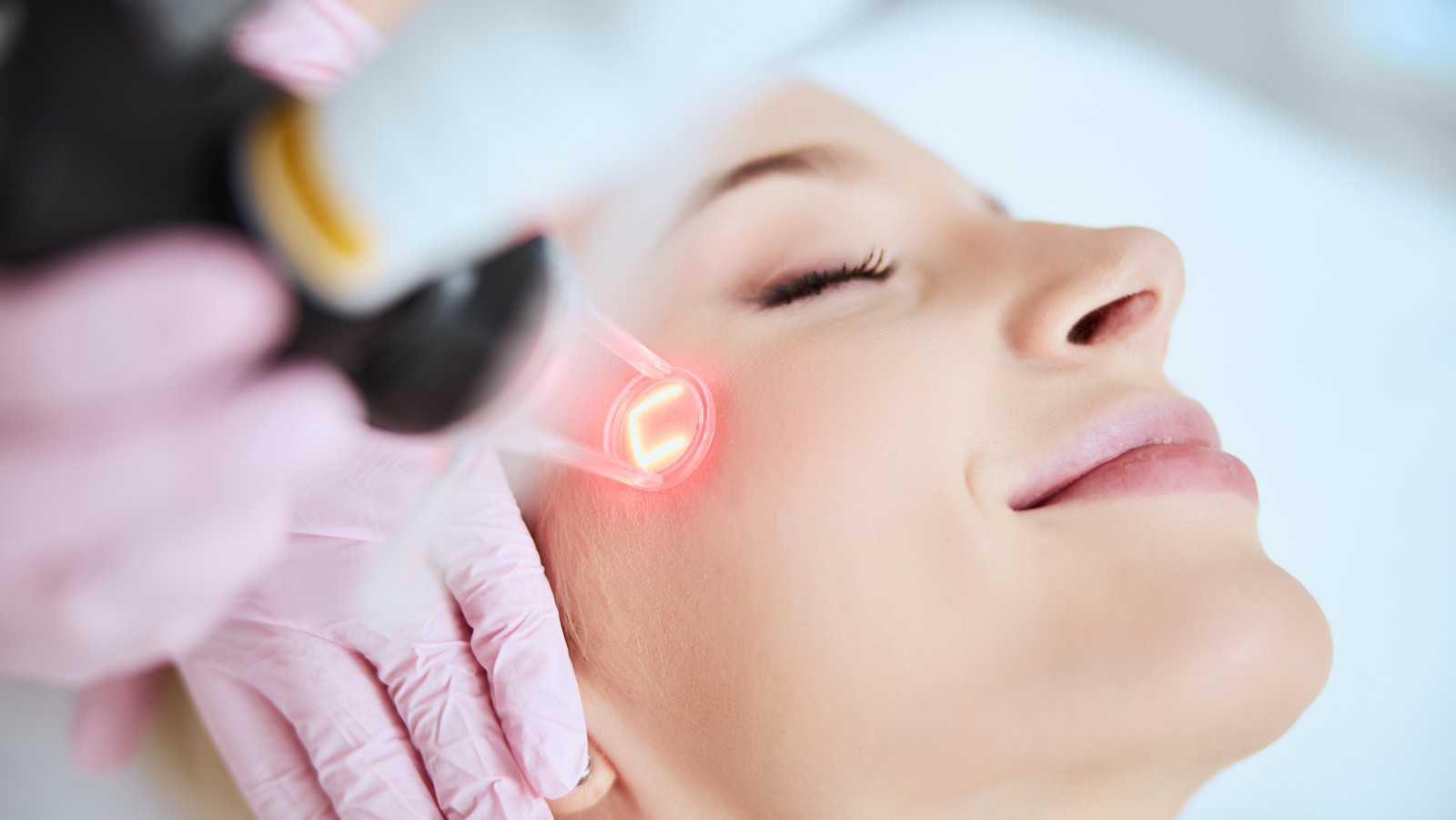
At the center of this transformation lies laser technology. Once associated primarily with surgical procedures or highly specialized dermatology practices, laser systems are now foundational tools in non-invasive skin management. From pigmentation correction to texture refinement and collagen stimulation, lasers provide precision that few other technologies can match.
For professional salons and clinics aiming to deliver consistent, measurable results, understanding the role of laser systems in non-invasive treatments is essential—not only from a clinical perspective but also from a strategic business standpoint.
Background / Problem
Rising Demand for Effective Yet Gentle Solutions
Modern clients expect treatments that are:
-
Non-surgical
-
Safe for various skin types
-
Minimal in downtime
-
Scientifically supported
Traditional skincare products often improve surface hydration but cannot adequately address deeper concerns such as persistent pigmentation, uneven tone, or early skin laxity. On the other hand, invasive procedures may discourage clients due to recovery time and potential complications.
This gap has driven demand for energy-based technologies that can treat specific concerns precisely while preserving surrounding tissue integrity.
Limitations of Non-Targeted Treatments
Broad-spectrum or non-specific treatments may stimulate the skin generally but lack the ability to selectively target melanin, hemoglobin, or deeper dermal structures. Without precision, results can be inconsistent.
Laser systems address this limitation by delivering controlled wavelengths that interact selectively with specific skin components.
Technology / Mechanism
Selective Photothermolysis
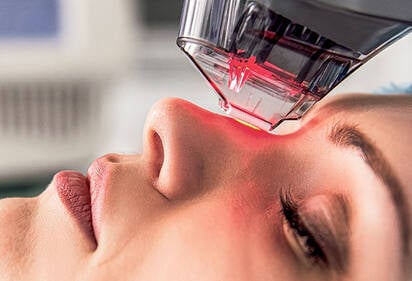
The foundation of modern laser systems is the principle of selective photothermolysis. Different laser wavelengths are absorbed by specific chromophores in the skin:
-
Melanin – responsible for pigmentation
-
Hemoglobin – found in vascular lesions
-
Water – present throughout skin tissue
By selecting appropriate wavelengths and pulse durations, laser systems can concentrate energy on targeted structures while minimizing impact on surrounding tissue.
Controlled Depth and Precision
Laser systems allow practitioners to control:
-
Wavelength
-
Pulse duration
-
Energy density
-
Spot size
This level of customization enables treatment of concerns at varying depths—from superficial pigmentation to deeper dermal stimulation for collagen support.
Collagen Stimulation and Skin Renewal
Certain laser treatments create controlled thermal stimulation in the dermis. This process activates fibroblasts and encourages collagen regeneration over time. The result is gradual improvement in skin firmness, texture, and overall appearance without surgical lifting.
Unlike invasive resurfacing, many modern laser protocols are designed to preserve the skin surface while stimulating deeper repair processes.
Advantages / Comparison
Laser Systems vs Topical Treatments
Topical products depend on skin permeability and are often limited to superficial layers. Laser systems, however, can deliver energy beyond the epidermis, enabling more substantial improvement in pigmentation, vascular irregularities, and dermal structure.
Laser vs Broad Light-Based Devices
Compared to broad-spectrum light devices, laser systems provide:
-
Greater wavelength specificity
-
Higher precision
-
More predictable outcomes
-
Enhanced suitability for targeted correction
This precision is especially important when treating complex conditions such as melasma or persistent vascular concerns.
Professional Laser Systems vs Home Devices
Home-use devices operate at significantly reduced energy levels for safety reasons. While they may support maintenance, they cannot match the depth control, power stability, and clinical adaptability of professional laser platforms.
Professional systems are engineered for:
-
Consistent energy output
-
Adjustable treatment parameters
-
Multi-indication functionality
-
Long-term clinical use
This distinction reinforces the importance of professional treatment environments for meaningful results.
Applications / Client Needs
Pigmentation Management
Laser systems are widely used to address:
-
Sun spots
-
Age-related pigmentation
-
Uneven skin tone
-
Post-inflammatory discoloration
Precision targeting allows gradual improvement without extensive downtime.
Skin Rejuvenation
Low-to-moderate energy laser protocols stimulate collagen remodeling, improving:
-
Fine lines
-
Skin texture
-
Overall radiance
These treatments appeal to clients seeking subtle, progressive rejuvenation.
Vascular Concerns
Lasers targeting hemoglobin can reduce visible redness and small vascular irregularities, expanding the treatment portfolio for clinics.
Long-Term Skin Management
Many clients prefer structured treatment plans rather than one-time procedures. Laser systems integrate well into long-term skincare programs, supporting ongoing improvement and maintenance.
From a business perspective, this encourages repeat visits and sustained client relationships.
Business Impact for Clinics and Salons
Laser systems are not merely treatment tools; they are strategic investments. Clinics that incorporate professional laser platforms benefit from:
-
Expanded service offerings
-
Higher perceived technological sophistication
-
Increased treatment customization
-
Stronger client retention through multi-session plans
As the non-invasive market continues to grow, laser systems remain central to competitive positioning in the aesthetic industry.
Conclusion
Laser systems play a pivotal role in non-invasive skin treatments by delivering precise, controlled energy to targeted skin structures. Through selective photothermolysis and customizable parameters, they enable effective management of pigmentation, vascular concerns, and skin rejuvenation—without surgery.
For clients, laser treatments offer scientifically grounded improvement with minimal disruption. For professional clinics and beauty centers, laser systems represent a versatile, future-ready platform that supports both clinical outcomes and business growth.
As non-invasive aesthetics continues to evolve, laser technology remains a cornerstone of modern skin treatment—combining precision, adaptability, and long-term effectiveness.
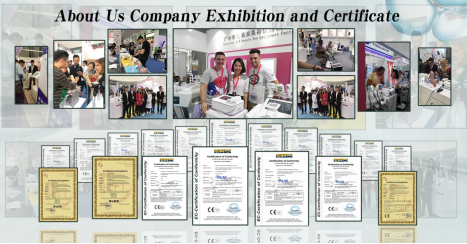
Founded in 2008, Guangzhou GLM Beauty Spa Equipment Factory specializes in research, development, manufacture and selling of beauty and slimming machines. Our production base is located in Guangzhou City, Guangdong Province, China. Since our foundation, we have introduced advanced technologies and equipment, to assure high quality and high performance of our products. With professional marketing guide and excellent after-sales service, our products have been exported to over 20 countries and regions, including Southeast Asia, the Middle East, Europe and the United States, won worldwide praises and gained a good reputation.