Introduction
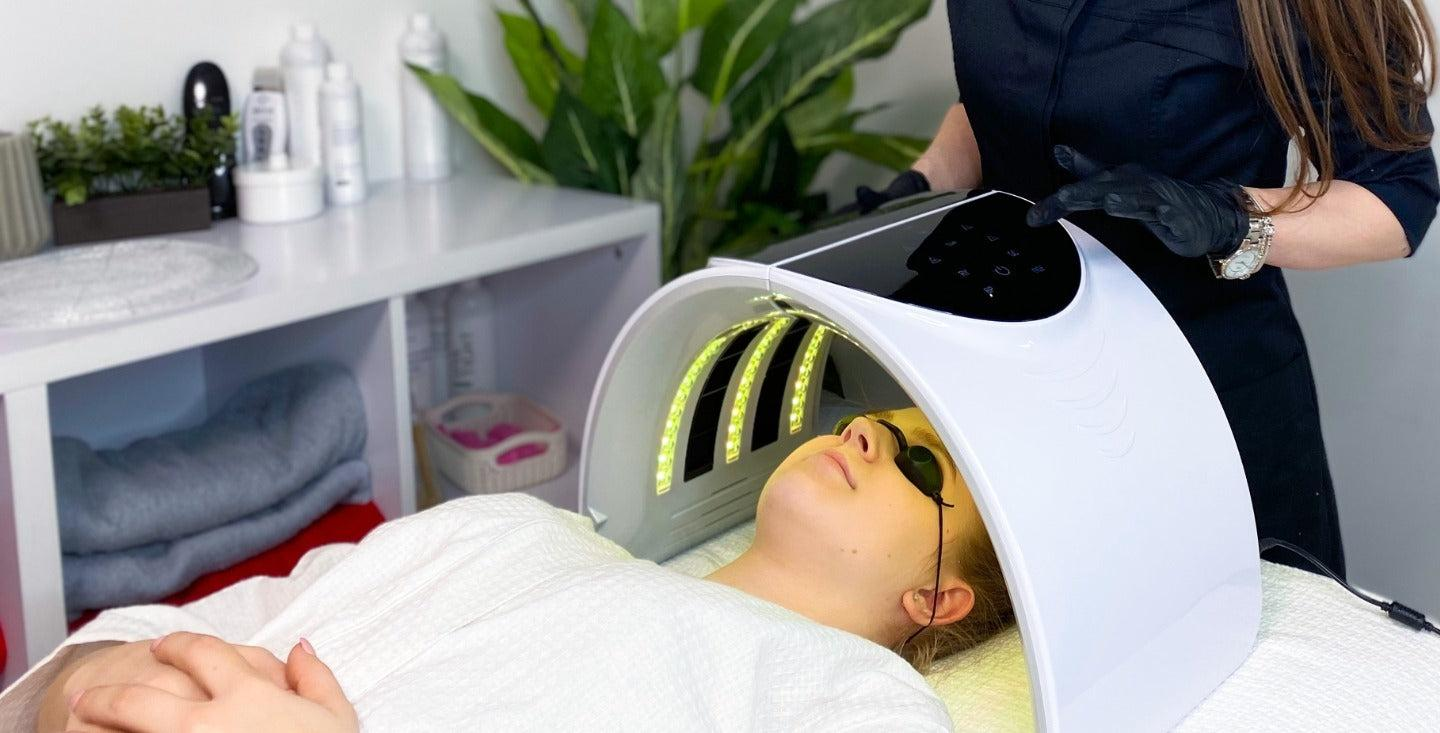
Modern skincare is moving beyond conventional creams and serums toward technology-assisted treatments that can be tailored to specific skin concerns. Among these technologies, light-activated therapy has become an increasingly important part of professional aesthetic care.
Rather than relying on aggressive resurfacing or invasive procedures, light-based treatments use carefully selected wavelengths to interact with the skin. Depending on the wavelength, intensity, treatment time, and protocol, light can be used to support skin recovery, calm visible redness, improve the appearance of blemish-prone skin, and support a healthier-looking complexion.
For professional beauty salons and aesthetic clinics, this creates an important opportunity. Light therapy can function as a standalone treatment, but it can also be incorporated into broader facial protocols alongside cleansing, hydration, exfoliation, microneedling, or other aesthetic technologies.
The growing interest in professional LED and photobiomodulation systems reflects a broader shift in the beauty industry: clients increasingly want treatments that are effective, comfortable, repeatable, and compatible with their existing skincare routines. Current clinical literature supports several applications of photobiomodulation, while also emphasizing that outcomes depend heavily on factors such as wavelength, energy density, treatment duration, and protocol design.
Background: Why Is Light Becoming Part of Professional Skincare?
Traditional skincare mainly works through topical ingredients. Cleansers remove surface impurities, exfoliants help improve skin texture, moisturizers support the skin barrier, and active ingredients target particular concerns.
However, topical skincare has limitations.
A client may have acne-prone skin, redness, uneven texture, signs of aging, or sensitivity while also wanting to avoid treatments associated with significant discomfort or downtime. This is where non-invasive energy-based technologies can become valuable.
Light therapy approaches this problem differently. Instead of mechanically removing tissue or delivering substantial heat, selected wavelengths of light are delivered to the treatment area to produce biological responses in the skin.
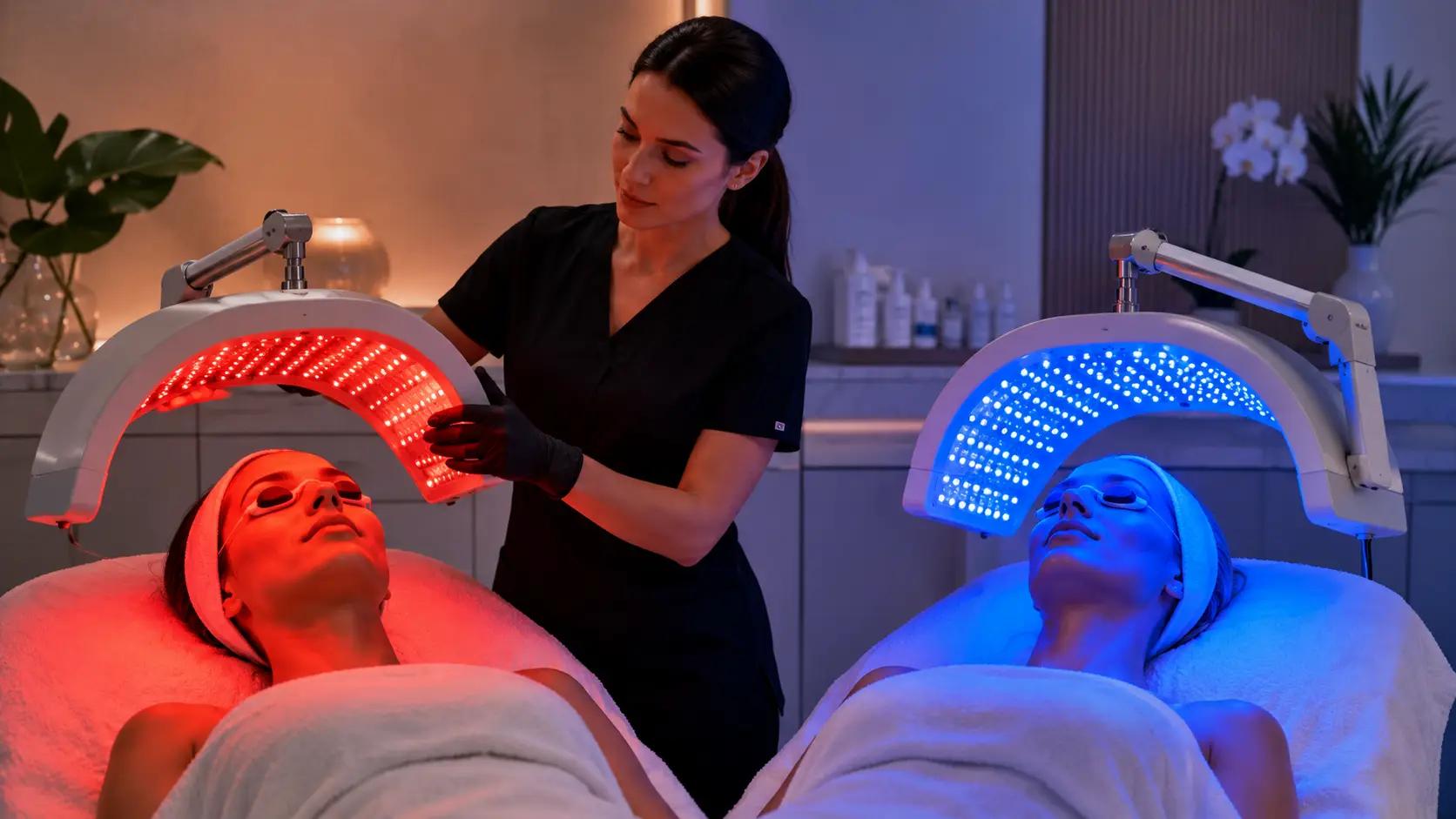
Professional clinics commonly use red, blue, and near-infrared wavelengths for different treatment objectives. For example, blue light is frequently incorporated into acne-focused protocols, while red and near-infrared light are commonly used for skin recovery, inflammation management, and rejuvenation-oriented treatments.
Importantly, light therapy should not be positioned as a universal replacement for medical or cosmetic treatments. It is better understood as a technology-based component of a professional skincare protocol.
This distinction is particularly important for beauty businesses. A professional light therapy device does more than simply illuminate the skin. It provides a controlled treatment environment in which operators can select appropriate wavelengths, exposure times, treatment areas, and session schedules according to the intended application.
Technology and Mechanism: How Does Light-Activated Therapy Work?
At the technical level, light-activated skincare depends on the interaction between wavelength and biological tissue.
Different wavelengths contain different amounts of photon energy and interact with skin structures at different depths. The goal is not simply to use "more light," but to deliver the appropriate type of light at controlled parameters.
1. Blue Light for Blemish-Prone Skin
Blue LED light is commonly used in acne-oriented skincare protocols.
Research on LED treatment for acne has investigated blue wavelengths generally within the approximately 414–445 nm range. One proposed mechanism involves interaction with light-sensitive compounds associated with Cutibacterium acnes, while clinical protocols may combine blue light with red light to address different aspects of acne.
For professional operators, this makes blue light particularly relevant when working with clients who experience:
- Occasional breakouts
- Mild to moderate acne
- Oily or congested-looking skin
- Visible inflammation associated with blemishes
- Skin that does not tolerate aggressive exfoliation well
The advantage is that blue light can be incorporated into a broader facial program without requiring mechanical abrasion or invasive procedures.
2. Red Light for Skin Rejuvenation and Recovery
Red light is one of the most recognized wavelengths in aesthetic LED therapy.
Professional systems often use red wavelengths around the 630–660 nm range. Photobiomodulation research suggests that red and near-infrared light can influence cellular processes, with mitochondrial activity being one of the mechanisms investigated in the scientific literature.
From a professional skincare perspective, red light is commonly incorporated into protocols designed to support:
- The appearance of fine lines
- Skin firmness and elasticity
- Visible redness and irritation
- Post-treatment skin comfort
- Overall skin radiance
- Long-term skin maintenance
The objective is not an instant transformation. Light-based rejuvenation is generally more suitable for consistent, cumulative treatment programs.
3. Near-Infrared Light for Deeper Support
Near-infrared light extends beyond the visible red-light range and can interact with tissue at greater depths.
Professional photobiomodulation systems may use near-infrared wavelengths such as approximately 800–850 nm. Current consensus literature describes photobiomodulation as an emerging clinical modality and emphasizes that treatment outcomes depend on parameters including wavelength, energy density, light source, and exposure duration.
For aesthetic clinics, near-infrared technology can therefore be useful when developing protocols focused on recovery, calming, and overall skin conditioning
Why Professional Light Therapy Devices Matter
The growing availability of consumer LED masks has made light therapy more familiar to clients. However, professional systems serve a different role.
A home device is generally designed around convenience and simple operation. A professional aesthetic device, by contrast, can be designed around treatment coverage, repeatability, parameter control, operator workflow, and integration with other services.
For clinics and salons, these differences can influence the quality of the treatment experience.
Controlled Wavelength Selection
A professional device may provide multiple wavelength options or combination modes. This allows operators to select a treatment approach based on the client's skin condition and treatment objective rather than using the same light setting for every person.
More Consistent Treatment Coverage
Large treatment panels or adjustable LED systems can provide more uniform coverage across the face, neck, décolleté, or other treatment areas than small handheld devices.
This is especially useful in professional environments where treatment consistency matters.
Treatment Protocols Can Be Standardized
Professional equipment can be integrated into repeatable treatment protocols.
For example, a salon might establish different procedures for:
- Acne-focused facial treatments
- Rejuvenation programs
- Sensitive-skin calming treatments
- Post-procedure support
- Monthly skin-maintenance programs
Standardization makes it easier for operators to deliver consistent services and monitor client progress over multiple sessions.
Better Integration With Other Beauty Technologies
Light therapy does not necessarily have to operate independently.
A professional facial may combine cleansing and exfoliation with hydration, followed by LED treatment. Similarly, LED therapy may be incorporated into post-treatment care after selected non-invasive procedures.
Some professional clinics already position LED therapy as a supportive component rather than the sole treatment, particularly when managing redness, breakouts, or post-procedure recovery.
This makes light technology particularly attractive for clinics building multi-step treatment menus.
Advantages and Comparison: Where Does Light Therapy Fit?
One of the strongest advantages of light-activated therapy is its relatively gentle treatment profile.
Unlike ablative technologies that intentionally remove or damage superficial tissue, LED phototherapy is generally positioned as a non-invasive, non-thermal treatment. This can make it suitable for clients who are looking for technology-based skincare without significant downtime.
Recent evidence also suggests that LED treatment can be useful for certain acne applications. A 2025 systematic review and meta-analysis of six randomized studies found that red and/or blue LED devices were associated with improvements in inflammatory and non-inflammatory acne lesions compared with controls, although the researchers also noted differences between devices, fluence levels, and treatment schedules.
However, professional operators should avoid treating light therapy as a "one-size-fits-all" solution.
Different devices can have very different optical output, wavelength combinations, energy densities, treatment distances, and treatment durations. Clinical evidence from one device or protocol cannot automatically be transferred to every product on the market.
This is why professional equipment design matters.
A good device should support appropriate parameter control and provide operators with a clear treatment workflow rather than simply offering multiple colored lights.
Applications and Client Needs
1. Acne-Focused Facial Treatments
Blue or combined blue-and-red LED protocols can be incorporated into facial programs for clients with blemish-prone skin.
The treatment can be positioned as an adjunct to professional cleansing, skincare, and other appropriate acne-management strategies rather than as a replacement for medical treatment.
2. Anti-Aging and Skin Rejuvenation
Red light is commonly used in rejuvenation-oriented treatments where the goal is to improve the appearance of fine lines, dullness, and uneven skin quality.
For salons, this makes LED therapy suitable for recurring maintenance programs. Rather than selling a single dramatic procedure, clinics can develop structured treatment courses around regular skin conditioning.
3. Sensitive or Stressed Skin
Clients who are not suitable candidates for aggressive exfoliation or intensive energy-based procedures may appreciate gentler treatment options.
Red and near-infrared light are frequently incorporated into calming and recovery-oriented protocols. The suitability of any treatment should still be assessed according to the client's individual condition and the device's intended use.
4. Post-Treatment Support
LED technology can also complement selected aesthetic procedures.
Professional clinics may incorporate red or near-infrared light into recovery-focused protocols following treatments that temporarily stress the skin. The appeal is straightforward: clients can receive an additional technology-based treatment without significantly extending the complexity of the overall treatment experience.
5. Premium Facial Packages
From a business perspective, LED technology can increase the flexibility of a clinic's treatment menu.
Instead of offering "LED therapy" as an isolated service, operators can develop packages such as:
Deep Cleansing + LED
Hydration Facial + LED
Skin Rejuvenation + LED
Acne Care + Blue/Red LED
Post-Treatment Recovery + LED
This approach transforms a device from a standalone machine into part of a broader service system.
What Should Clinics Consider When Choosing a Light Therapy Device?
For professional buyers, wavelength alone should not determine equipment selection.
Important factors include:
Wavelength configuration: Does the device provide the wavelengths required for the clinic's target applications?
Irradiance and energy delivery: Can the device deliver controlled and repeatable treatment parameters?
Treatment coverage: Is the light distribution suitable for the face, neck, or larger areas?
Operating distance: Is the recommended treatment distance practical for daily clinical use?
Control system: Can operators adjust treatment time and treatment modes efficiently?
Ergonomics: Can the device be positioned comfortably for different clients and treatment areas?
Safety features: Does the system include appropriate eye protection guidance, operational controls, and safety instructions?
Maintenance and reliability: Can the equipment withstand repeated professional use?
These factors are particularly important for manufacturers and distributors serving the professional beauty market. A successful device is not simply one that produces attractive colored light. It needs to deliver a repeatable, operator-friendly, commercially practical treatment experience.
Conclusion
Light-activated therapy is becoming an increasingly useful component of modern professional skincare.
Its value lies not in replacing every traditional treatment, but in providing clinics with another controllable technology for addressing specific skin-care objectives. Blue light can play a role in acne-focused protocols, while red and near-infrared light are widely studied and used in rejuvenation, calming, and recovery-oriented applications.
For professional beauty salons and aesthetic clinics, the real opportunity is broader than the light source itself. Well-designed equipment can support standardized protocols, improve treatment versatility, complement other aesthetic technologies, and create new service combinations.
As clients become more knowledgeable about wavelengths and technology-assisted skincare, professional operators will increasingly need to move beyond simply offering "LED therapy." The competitive advantage will come from selecting appropriate equipment, understanding treatment parameters, and integrating light technology into personalized and professionally managed skincare programs.
Light is not simply another skincare trend. When delivered through appropriately designed professional equipment and used within a well-structured protocol, it can become a practical technology platform for modern aesthetic care
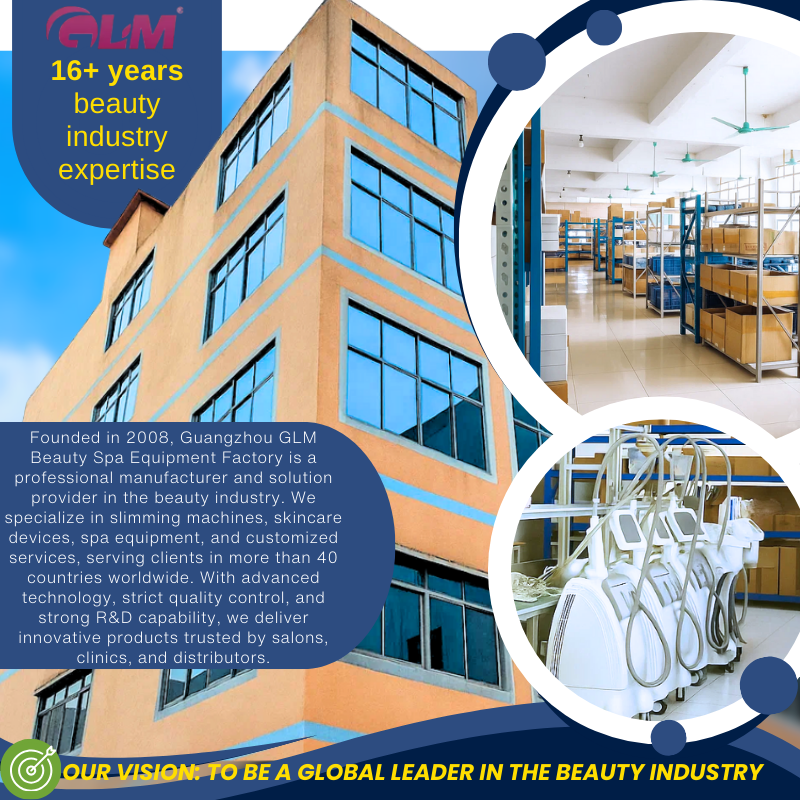
Founded in 2008, Guangzhou GLM Beauty Spa Equipment Factory specializes in research, development, manufacture and selling of beauty and slimming machines. Our production base is located in Guangzhou City, Guangdong Province, China. Since our foundation, we have introduced advanced technologies and equipment, to assure high quality and high performance of our products. With professional marketing guide and excellent after-sales service, our products have been exported to over 20 countries and regions, including Southeast Asia, the Middle East, Europe and the United States, won worldwide praises and gained a good reputation