Introduction
In recent years, hydrogen-based facial treatments have moved from niche innovation to global trend. Clinics and professional salons increasingly promote “hydrogen cleansing” or “hydrogen water facials” as advanced anti-aging and skin revitalization solutions.
But beyond marketing language, what does hydrogen actually do for the skin? Is it simply another hydration method — or does it offer measurable biological benefits?
To understand the commercial and clinical value of hydrogen skin care technology, we need to examine the science behind oxidative stress, free radicals, and how molecular hydrogen interacts with skin cells.
Background: Oxidative Stress and Skin Aging
Skin aging is influenced by two main factors:
-
Intrinsic aging (natural biological aging)
-
Extrinsic aging (UV exposure, pollution, lifestyle stress)
A major contributor to extrinsic aging is oxidative stress. This occurs when unstable molecules called free radicals damage healthy skin cells.
Free radicals:
-
Break down collagen
-
Disrupt elastin fibers
-
Trigger inflammation
-
Accelerate pigmentation
-
Slow cellular repair
Traditional antioxidant skincare uses ingredients like vitamin C or E to combat this damage. Hydrogen technology approaches the problem differently.
What Is Molecular Hydrogen in Skincare?
Molecular hydrogen (H₂) is the smallest molecule in existence. Because of its size and neutral charge, it can:
-
Penetrate cell membranes easily
-
Diffuse rapidly through tissue
-
Reach deeper cellular layers
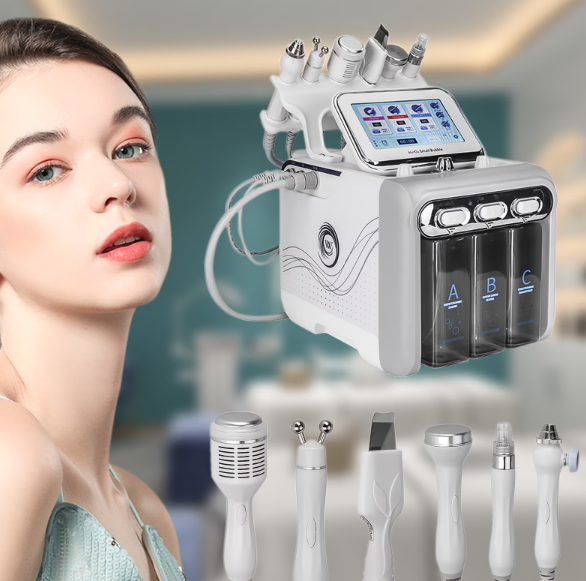
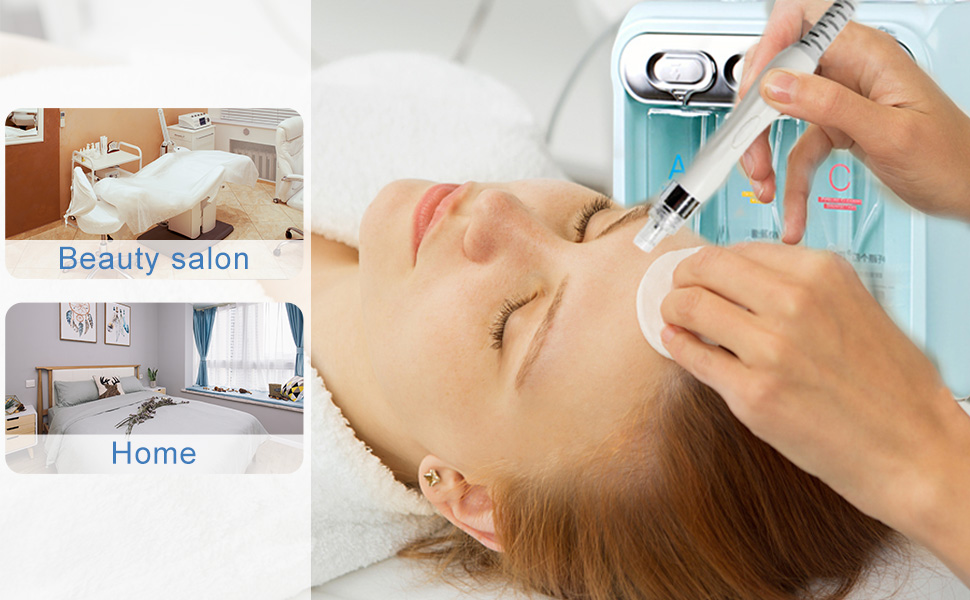
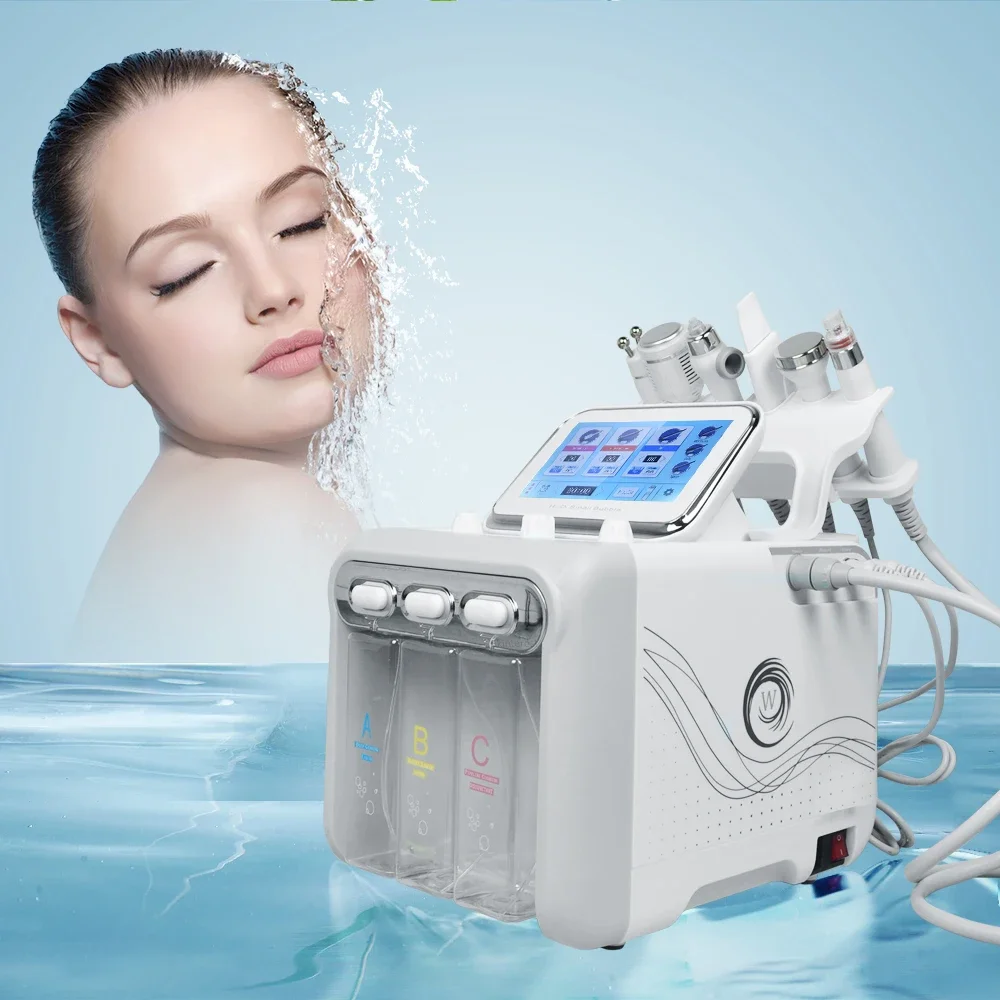
Hydrogen skincare devices typically generate hydrogen-rich water through electrolysis. During treatment, hydrogen-infused water is applied to the skin surface, often combined with vacuum cleansing or serum infusion systems.
Professional platforms similar to those used in advanced hydro-dermabrasion systems — such as HydraFacial — have influenced the rise of hydrogen-enhanced treatments, although hydrogen technology focuses more specifically on antioxidant mechanisms.
Technology & Mechanism: How Hydrogen Supports Skin Health
Hydrogen skin care technology works through several biological mechanisms:
1. Selective Antioxidant Activity
Unlike broad-spectrum antioxidants, molecular hydrogen selectively targets highly reactive oxygen species (ROS), particularly hydroxyl radicals — one of the most damaging types.
By neutralizing these unstable molecules, hydrogen helps:
-
Reduce oxidative damage
-
Protect collagen structures
-
Limit inflammatory responses
-
Slow visible signs of aging
This targeted activity is one reason hydrogen therapy has been researched in broader medical fields beyond aesthetics.
2. Anti-Inflammatory Support
Inflammation accelerates skin aging and contributes to:
-
Acne
-
Redness
-
Sensitivity
-
Post-treatment irritation
Hydrogen has been shown in research settings to modulate inflammatory signaling pathways. In aesthetic treatments, this may translate to:
-
Reduced redness
-
Faster recovery
-
Calmer post-procedure skin
Clinics often combine hydrogen cleansing with laser or RF procedures to support post-treatment comfort.
3. Deep Cleansing Through Reactive Binding
Some hydrogen facial systems create negatively charged hydrogen ions that bind with positively charged reactive particles on the skin surface.
This process helps:
-
Lift impurities
-
Remove pollution residue
-
Reduce pore congestion
When integrated with vacuum suction technology, the cleansing effect becomes both mechanical and chemical.
4. Microcirculation Stimulation
Hydrogen facials typically involve water jet pressure or spiral vortex delivery. This enhances:
-
Blood flow
-
Lymphatic drainage
-
Oxygen supply
Improved circulation supports healthier cellular turnover.
Advantages Compared to Traditional Antioxidant Treatments
| Traditional Topical Antioxidants | Hydrogen Technology |
|---|---|
| Limited penetration | Rapid tissue diffusion |
| Ingredient degradation risk | Stable molecular structure |
| Surface-level effect | Cellular-level neutralization |
| May cause irritation | Generally gentle and non-invasive |
Hydrogen technology does not replace topical antioxidants, but it enhances antioxidant defense at a deeper level.
Applications in Professional Clinics
Hydrogen skin care technology is commonly used for:
1. Anti-Aging Programs
By reducing oxidative stress, hydrogen supports:
-
Fine line reduction
-
Improved elasticity
-
Brighter skin tone
It is often positioned as preventative anti-aging rather than aggressive correction.
2. Acne and Oily Skin
Because oxidative stress contributes to inflammation and sebum imbalance, hydrogen cleansing can help calm acne-prone skin while deeply purifying pores.
3. Dull and Pollution-Exposed Skin
Urban clients exposed to heavy pollution benefit from antioxidant detox protocols that remove environmental buildup.
4. Post-Laser Recovery
Clinics may integrate hydrogen therapy after treatments involving systems like Candela devices, where calming and oxidative control support recovery.
Treatment Experience
Hydrogen facials are typically:
-
Non-invasive
-
Comfortable
-
Suitable for sensitive skin
-
Associated with minimal downtime
Immediate effects often include:
-
Brighter appearance
-
Cleaner pores
-
Improved hydration glow
Long-term benefits depend on consistent sessions and combination protocols.
Safety Considerations
Molecular hydrogen is:
-
Non-toxic
-
Naturally occurring
-
Biocompatible
Professional systems regulate:
-
Water purity
-
Electrolysis intensity
-
Suction pressure
-
Treatment duration
Proper maintenance is essential to ensure consistent hydrogen concentration and hygienic operation.
Why Clinics Are Investing in Hydrogen Technology
From a commercial standpoint, hydrogen systems offer:
-
Strong marketing appeal – “Antioxidant detox” resonates with modern clients.
-
Broad compatibility – Safe for most skin types.
-
Add-on potential – Can be integrated into multi-step facial protocols.
-
Trend alignment – Hydrogen therapy is associated with cutting-edge wellness science.
Clinics that position hydrogen treatments as part of a holistic skin health program often achieve higher treatment package sales.
Conclusion
Hydrogen skin care technology works by selectively neutralizing harmful free radicals, reducing inflammation, and supporting natural skin repair mechanisms. Its small molecular size allows deep diffusion, making it an effective antioxidant strategy in professional treatments.
For modern aesthetic clinics, hydrogen systems represent a scientifically grounded, non-invasive solution that aligns with growing demand for preventive and regenerative skincare.
As environmental stress and aging concerns continue to rise globally, hydrogen technology is likely to remain a significant player in professional skin health innovation.
Founded in 2008, Guangzhou GLM Beauty Spa Equipment Factory specializes in research, development, manufacture and selling of beauty and slimming machines. Our production base is located in Guangzhou City, Guangdong Province, China. Since our foundation, we have introduced advanced technologies and equipment, to assure high quality and high performance of our products. With professional marketing guide and excellent after-sales service, our products have been exported to over 20 countries and regions, including Southeast Asia, the Middle East, Europe and the United States, won worldwide praises and gained a good reputation.