
Introduction
Stretch marks are one of the most common aesthetic concerns affecting both men and women. They can appear during pregnancy, rapid weight gain or loss, puberty, muscle growth, and hormonal changes. While stretch marks do not pose a medical risk, many individuals seek treatment because they can affect skin appearance and self-confidence.
For beauty clinics, medical spas, and aesthetic professionals, stretch mark treatment has become an increasingly important service category. Modern aesthetic technologies now offer solutions that go far beyond traditional creams and home remedies, helping improve skin texture, stimulate collagen production, and reduce the visibility of stretch marks more effectively.
Understanding the science behind stretch marks is essential for selecting the most appropriate treatment approach and achieving optimal results for clients.
Background / Problem
What Are Stretch Marks?
Stretch marks, medically known as striae distensae, are a form of dermal scarring that develops when the skin stretches or shrinks rapidly. This sudden change causes the collagen and elastin fibers within the dermis to rupture.
Collagen provides structural support to the skin, while elastin allows the skin to stretch and return to its original shape. When these fibers become damaged, visible streaks or lines begin to form on the skin surface.
Stretch marks commonly appear on:
- Abdomen
- Thighs
- Hips
- Buttocks
- Breasts
- Upper arms
- Lower back
Initially, stretch marks may appear red, purple, pink, or dark brown depending on skin tone. These early-stage stretch marks are known as striae rubrae. Over time, they fade into lighter, silvery-white marks called striae albae.
What Causes Stretch Marks?
Several factors contribute to the development of stretch marks.
Rapid Weight Changes
Significant weight gain or loss stretches the skin beyond its normal capacity, causing micro-tears within the dermal layer.
Pregnancy
During pregnancy, the abdomen expands quickly while hormonal changes may reduce skin elasticity, making stretch marks more likely to develop.
Puberty
Teenagers often experience rapid growth spurts, resulting in sudden skin stretching around the hips, thighs, breasts, and shoulders.
Muscle Building
Athletes and bodybuilders may develop stretch marks when muscle mass increases faster than the skin can adapt.
Hormonal Influences
Elevated levels of cortisol can weaken elastin fibers and reduce skin flexibility, increasing susceptibility to stretch marks.
Genetics
Family history plays a significant role. Individuals whose parents developed stretch marks are often more prone to experiencing them.
Why Are Stretch Marks Difficult To Remove?
Unlike surface pigmentation issues, stretch marks originate deep within the dermis. Once collagen and elastin fibers are disrupted, the skin's natural repair mechanisms cannot completely restore the original tissue structure.
This is why topical creams often produce limited improvements, particularly for older white stretch marks. More effective treatment generally requires technologies that stimulate dermal remodeling and collagen regeneration at deeper skin levels.
Technology / Mechanism
How Professional Stretch Mark Treatments Work
Modern aesthetic treatments focus on activating the body's natural healing response. Rather than simply masking stretch marks, advanced technologies aim to remodel damaged tissue and encourage the production of new collagen and elastin.
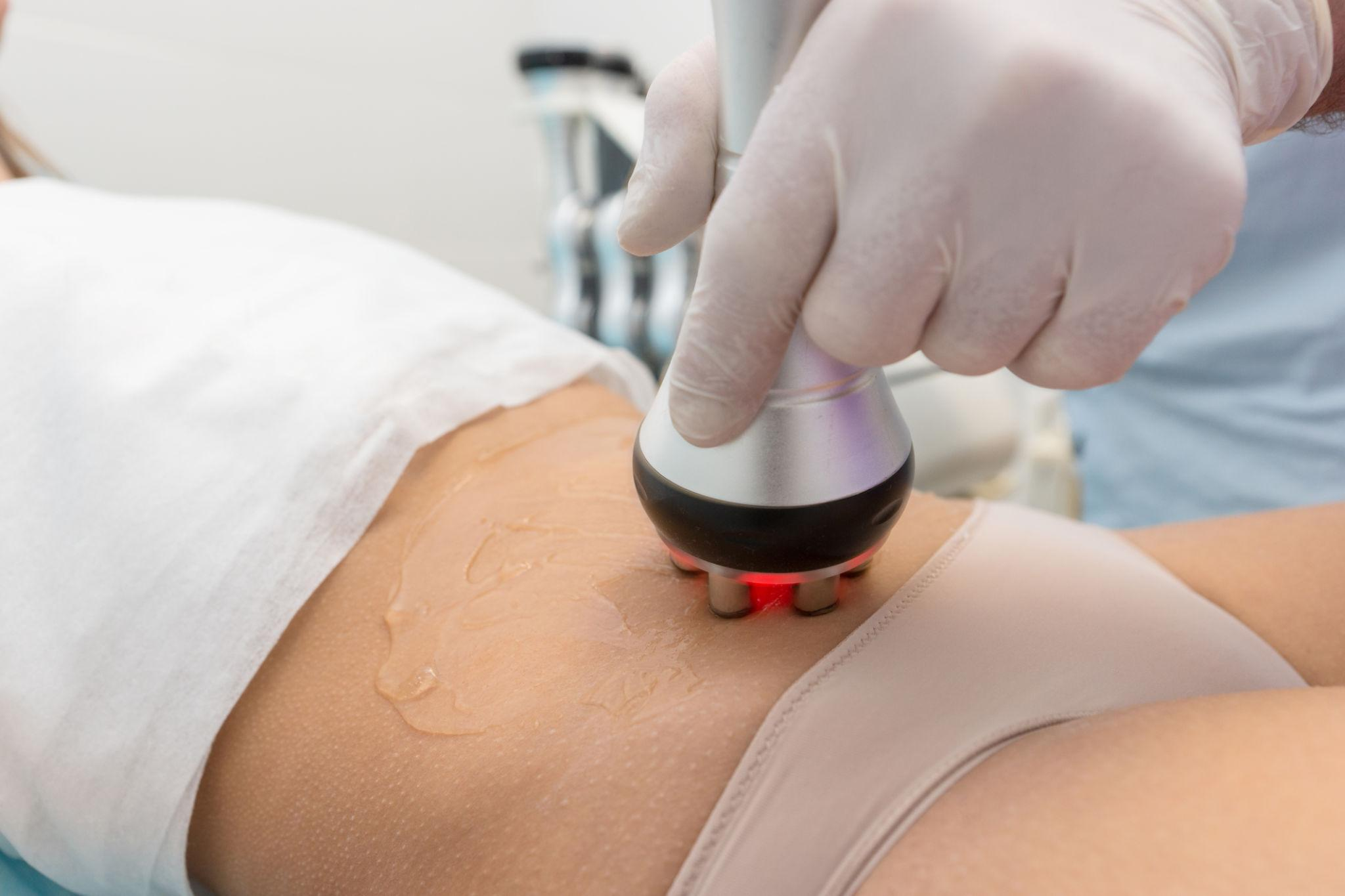
Radio Frequency (RF) Technology
Radio frequency treatments deliver controlled thermal energy into the dermal layer.
The heat stimulates fibroblast activity, which promotes:
- New collagen production
- Elastin regeneration
- Improved skin elasticity
- Smoother skin texture
RF treatments are particularly valuable because they can tighten surrounding skin while addressing stretch mark appearance.
Many professional clinics utilize multi-polar RF systems or RF combined with vacuum technology to maximize tissue stimulation and treatment effectiveness.
Microneedling Technology
Microneedling creates thousands of controlled microchannels in the skin.
These microscopic injuries trigger the body's wound-healing response, encouraging:
- Collagen remodeling
- Elastin formation
- Improved skin density
- Enhanced skin texture
Professional microneedling devices generally provide more consistent penetration depth and stronger results than home-use rollers.
Fractional Laser Technology
Fractional laser systems create microthermal treatment zones within the skin.
This controlled damage stimulates extensive tissue regeneration while leaving surrounding skin intact, helping accelerate recovery.
Fractional laser treatments are often recommended for mature white stretch marks that are difficult to improve through topical products alone.
Ultrasound-Based Technologies
Advanced ultrasound energy can penetrate deeper tissue layers and stimulate collagen production without damaging the skin surface.
These technologies are increasingly used in combination protocols designed to improve skin quality and firmness around stretch mark areas.
Combination Therapies
Many aesthetic professionals achieve superior outcomes by combining multiple technologies.
For example:
- RF + Microneedling
- RF + Vacuum Therapy
- Microneedling + Growth Factor Serums
- Laser + Skin Rejuvenation Treatments
Combination approaches address multiple layers of skin simultaneously and often deliver more comprehensive improvements.
Advantages / Comparison
Professional Devices vs Home Treatments
Consumers frequently ask whether creams, oils, or home beauty devices can remove stretch marks.
While home care may support skin hydration and prevention efforts, professional treatments typically offer several advantages.
Greater Energy Delivery
Professional equipment can deliver energy deeper into the dermis where stretch mark damage occurs.
More Precise Treatment
Licensed practitioners can customize treatment parameters based on:
- Stretch mark age
- Skin type
- Treatment area
- Severity level
Enhanced Collagen Stimulation
Clinic-grade technologies generate significantly stronger collagen remodeling responses than topical products alone.
Better Long-Term Results
Professional treatments focus on structural skin improvement rather than temporary cosmetic concealment.
Although complete removal is rarely possible, many clients experience noticeable improvements in texture, color, and overall visibility.
Applications / Client Needs
Which Clients Are Good Candidates?
Stretch mark treatments are suitable for a wide range of clients.
Postpartum Clients
Many women seek treatment after pregnancy to improve abdominal skin appearance and restore confidence.
Weight Loss Clients
Individuals who have achieved significant weight reduction often wish to address stretch marks remaining after body transformation.
Fitness Enthusiasts
Bodybuilders and athletes may develop stretch marks around the shoulders, chest, and arms due to rapid muscle growth.
Young Adults
Early intervention during the red or purple stage often produces better outcomes because collagen remodeling remains more active.
Building A Comprehensive Treatment Plan
Professional clinics typically combine technology-based treatments with supportive skincare protocols.
An effective stretch mark program may include:
- RF skin tightening treatments
- Microneedling sessions
- Collagen-supportive skincare
- Hydration-focused aftercare
- Sun protection recommendations
Treatment frequency and protocol should be tailored to individual client needs, skin conditions, and treatment goals.
The Growing Demand For Stretch Mark Solutions
The global aesthetic market continues to experience strong demand for non-invasive body treatments.
Clients increasingly prefer solutions that offer:
- Minimal downtime
- Non-surgical procedures
- Visible improvements
- Comfortable treatment experiences
- Long-term skin rejuvenation benefits
As a result, advanced body contouring and skin remodeling technologies have become valuable additions to beauty clinics, medical spas, and aesthetic centers.
Conclusion
Stretch marks are a natural consequence of rapid skin stretching and changes in collagen and elastin structure. Although they cannot always be completely eliminated, modern aesthetic technologies have significantly improved the ability to reduce their appearance.
Professional treatments such as radio frequency, microneedling, fractional laser therapy, and ultrasound-based systems work by stimulating collagen remodeling and supporting the skin's natural regeneration process. Compared with creams and home devices, professional clinic equipment can deliver deeper, more targeted treatment and often achieve more noticeable results.
For aesthetic professionals, understanding the science behind stretch marks is essential for designing effective treatment programs and meeting growing client expectations. By combining advanced technologies with personalized care, clinics can provide practical, non-invasive solutions that help clients achieve smoother, healthier-looking skin and greater confidence
Founded in 2008, Guangzhou GLM Beauty Spa Equipment Factory specializes in research, development, manufacture and selling of beauty and slimming machines. Our production base is located in Guangzhou City, Guangdong Province, China. Since our foundation, we have introduced advanced technologies and equipment, to assure high quality and high performance of our products. With professional marketing guide and excellent after-sales service, our products have been exported to over 20 countries and regions, including Southeast Asia, the Middle East, Europe and the United States, won worldwide praises and gained a good reputation