
Contact our customer service for a maximum 50% discount Contact our customer service for a maximum 50% discount
Contact us

The Ultimate Buying Guide for Professional Body Cavitation & Sculpting Machines

Jul 26, 2026 GLM Beauty Spa Equipment Factory

Introduction

The demand for non-invasive body contouring has grown rapidly over the past decade. Clients today expect visible fat reduction, improved skin firmness, and shorter recovery times without surgery. As a result, professional aesthetic clinics and beauty salons are increasingly investing in advanced body cavitation and sculpting machines that combine multiple technologies into one versatile platform.

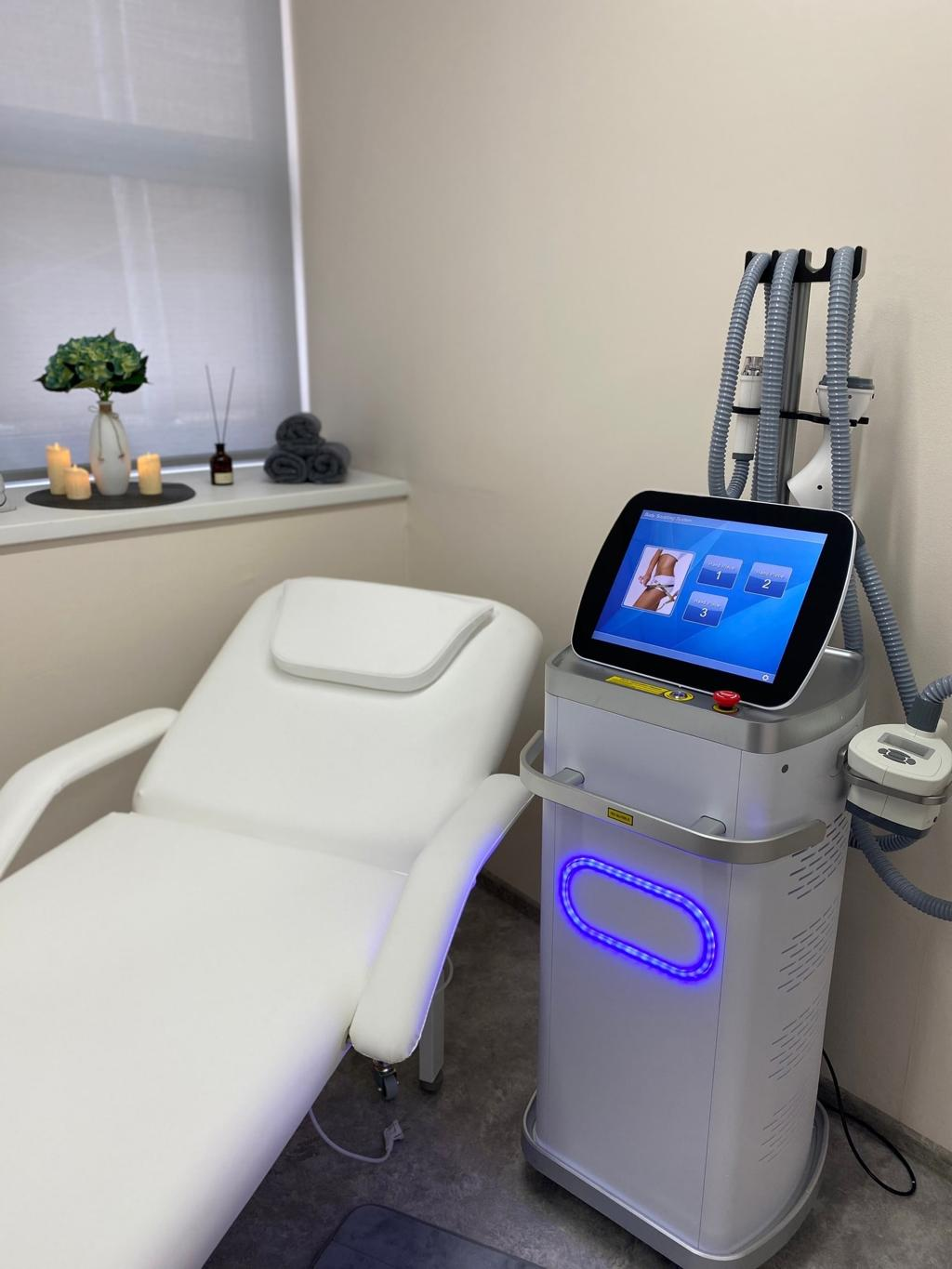
Unlike single-function devices of the past, today's professional body sculpting systems integrate technologies such as 40K/80K ultrasonic cavitation, radio frequency (RF), vacuum therapy, LED light therapy, EMS, and infrared energy to address multiple body concerns during a single treatment protocol. These multifunctional systems help practitioners create customized treatment plans for different body types while improving operational efficiency.

However, choosing the right machine is far more complex than simply comparing prices or counting the number of handpieces. Treatment effectiveness depends on energy stability, safety systems, ergonomic design, software intelligence, maintenance requirements, and the manufacturer's technical support.

This buying guide explains how professional body cavitation machines work, compares the major technologies available today, and highlights the most important factors clinics should evaluate before making an investment.


Background: Why Body Sculpting Machines Continue to Grow in Demand

The global aesthetics industry has shifted toward treatments that provide gradual, natural-looking improvements with minimal downtime. Many clients are reluctant to undergo surgical liposuction or invasive body contouring because of higher costs, longer recovery periods, and potential complications.

Professional body sculpting technologies have emerged as an effective alternative for clients who want to:

  • Reduce localized fat deposits
  • Improve body contours
  • Tighten loose skin
  • Minimize cellulite appearance
  • Enhance post-weight-loss body shape
  • Maintain cosmetic treatment results

Although these treatments are not designed as weight-loss solutions, they can significantly improve body proportions when combined with healthy lifestyle habits.

For clinics, body contouring services also offer attractive business advantages. Treatment plans often involve multiple sessions, encouraging repeat visits while allowing practitioners to combine complementary technologies to increase overall treatment value.

As competition increases, clients also expect modern equipment that delivers comfortable treatments, visible results, and personalized protocols. Investing in advanced technology has therefore become both a clinical decision and a business strategy.


How Professional Body Cavitation Machines Work

Modern body sculpting systems rarely rely on a single technology. Instead, they combine several treatment modalities that work together to address fat reduction, skin tightening, circulation, and tissue remodeling.

1. Ultrasonic Cavitation

Ultrasonic cavitation uses low-frequency ultrasound waves—commonly 40KHz or 80KHz—to create microscopic pressure changes inside fatty tissue.

These rapid pressure fluctuations generate tiny bubbles around fat cells. As the bubbles repeatedly expand and collapse, they place mechanical stress on adipose tissue, helping disrupt fat cell membranes. The released lipids are then gradually processed through the body's natural metabolic pathways.

Generally speaking:

  • 40K cavitation delivers deeper penetration and is often selected for larger treatment areas such as the abdomen, thighs, hips, or flanks.
  • 80K cavitation provides more superficial and refined energy distribution, making it suitable for smaller or more delicate body regions where precision is preferred.

Professional systems maintain stable ultrasonic output throughout treatment, helping practitioners achieve consistent energy delivery across the target area.


2. Radio Frequency Skin Tightening

Fat reduction alone does not always produce an ideal cosmetic result. Skin laxity may become more noticeable after volume reduction, particularly for mature clients.

Radio frequency technology addresses this concern by generating controlled thermal energy within the dermis. This heat stimulates collagen remodeling while encouraging fibroblast activity responsible for producing new collagen and elastin.

Professional machines may include:

  • Bipolar RF
  • Tripolar RF
  • Multipolar RF
  • Vacuum-assisted RF

Different electrode configurations allow practitioners to select appropriate penetration depths for various body regions.

The result is smoother skin texture, improved firmness, and better contour definition.


3. Vacuum Therapy

Vacuum therapy adds a mechanical component to body contouring.

Controlled negative pressure gently lifts tissue while massage rollers improve:

  • Local blood circulation
  • Lymphatic drainage
  • Tissue oxygenation
  • Distribution of RF energy
  • Cellulite appearance

Vacuum-assisted treatments can also improve contact consistency between the applicator and the skin, helping maximize treatment efficiency.


4. Infrared and LED Technologies

Many premium body sculpting platforms incorporate infrared heating or LED phototherapy.

Infrared energy gently preheats tissue before RF treatment, improving patient comfort while supporting more even heat distribution.

LED light therapy is commonly used to complement post-treatment recovery by promoting healthier skin appearance and reducing temporary redness.

Although these technologies are supportive rather than primary fat-reduction methods, they contribute to a more comprehensive treatment experience.


Why Multifunctional Systems Are Becoming the Industry Standard

Years ago, clinics often purchased separate machines for cavitation, RF, vacuum therapy, and skin tightening.

Today, integrated systems have become the preferred choice for many professional practices.

A multifunctional platform allows practitioners to customize treatment protocols based on each client's goals instead of relying on one technology alone.

For example:

  • Cavitation targets localized fat.
  • RF improves skin firmness.
  • Vacuum therapy enhances circulation and lymphatic drainage.
  • Infrared prepares tissue.
  • LED supports skin recovery.

Rather than performing isolated treatments, practitioners can combine technologies into a structured treatment sequence that addresses multiple aesthetic concerns simultaneously.

This integrated approach not only improves workflow efficiency but also creates a more comprehensive client experience
 

What to Look for Before Buying a Professional Body Cavitation Machine

Purchasing a professional body sculpting machine is a long-term investment rather than a short-term expense. Beyond comparing prices or the number of treatment handles, clinic owners should evaluate how the system performs in real clinical environments. A reliable machine should deliver consistent results, provide a comfortable treatment experience, and remain dependable after years of daily operation.

The following factors deserve careful consideration before making a purchasing decision.


1. Technology Configuration

Not every clinic offers the same treatment menu, so choosing a machine with technologies that match your services is essential.

Many premium systems combine:

  • 40K Ultrasonic Cavitation
  • 80K Ultrasonic Cavitation
  • Multipolar Radio Frequency
  • Vacuum Roller Therapy
  • Infrared Heating
  • LED Light Therapy
  • EMS Muscle Stimulation

Instead of selecting the machine with the greatest number of handpieces, focus on whether each technology has a practical clinical purpose and complements the others.


2. Energy Stability

Energy stability is one of the most overlooked aspects of body contouring equipment.

Some entry-level devices produce inconsistent ultrasonic or RF output, resulting in uneven treatments and unpredictable outcomes.

Professional-grade systems are designed to maintain stable energy delivery throughout the treatment session, helping practitioners work more confidently while improving treatment consistency.

Stable energy also contributes to greater client comfort and reduces unnecessary overheating.


3. Intelligent Software

Modern aesthetic equipment increasingly relies on software optimization.

Look for systems that include:

  • Adjustable treatment parameters
  • Preset treatment programs
  • Real-time energy monitoring
  • User-friendly touchscreen interface
  • Treatment memory functions
  • Multiple language options

These features shorten staff training time while reducing operational errors.


4. Ergonomic Handpiece Design

Professional operators often perform multiple body treatments every day.

Heavy or poorly balanced applicators may lead to operator fatigue during longer sessions.

Well-designed handpieces should provide:

  • Comfortable grip
  • Balanced weight distribution
  • Smooth movement across body contours
  • Durable cable connections
  • Efficient cooling performance

Operator comfort directly affects treatment efficiency over time.


5. Safety Systems

Safety remains one of the most important purchasing criteria.

Professional body sculpting machines should include multiple protection mechanisms, such as:

  • Temperature monitoring
  • Automatic energy adjustment
  • Overheat protection
  • Emergency stop function
  • Stable power management
  • Secure software controls

These systems help reduce treatment risks while protecting both clients and equipment.


6. Manufacturer Support

Even high-quality equipment requires maintenance during its service life.

Choosing an experienced manufacturer offers long-term advantages, including:

  • Technical training
  • User manuals
  • Remote troubleshooting
  • Spare parts availability
  • Software updates
  • Warranty support
  • OEM and ODM customization

Reliable after-sales service can significantly reduce equipment downtime and improve return on investment

Professional Machines vs Home Devices

As non-invasive body contouring becomes increasingly popular, home-use beauty devices continue to enter the market. While these products appeal to consumers seeking convenience, they are fundamentally different from professional systems used in clinics.

The comparison below highlights the key distinctions.

Feature Professional Machines Home Devices
Energy Output Higher and more stable Lower for consumer safety
Treatment Coverage Large body areas Small localized areas
Technology Combination Multiple integrated technologies Usually single-function
Customization Wide parameter adjustment Limited settings
Treatment Efficiency Faster professional sessions Requires frequent home use
Operator Trained professionals Individual users
Clinical Flexibility Suitable for various body concerns Designed for basic maintenance

Professional systems are designed for experienced practitioners who can evaluate body composition, adjust treatment parameters, and combine multiple technologies according to individual client goals.

Home-use devices, by comparison, prioritize simplicity and safety, making them suitable for maintenance rather than comprehensive body contouring.

For aesthetic clinics aiming to deliver consistent and personalized treatments, professional equipment remains the preferred choice.


Applications in Professional Clinics

One of the greatest strengths of multifunctional body sculpting systems is their versatility.

Rather than offering a single treatment, clinics can create customized protocols for different body concerns.

Common treatment areas include:

  • Abdomen
  • Waist
  • Love handles
  • Thighs
  • Hips
  • Upper arms
  • Back
  • Buttocks

Clients frequently seek treatment for concerns such as:

  • Localized fat accumulation
  • Mild to moderate skin laxity
  • Cellulite appearance
  • Postpartum body contour improvement
  • Body shaping after weight loss
  • Overall silhouette refinement

Because every client presents different aesthetic goals, consultation and individualized treatment planning remain essential. Professional practitioners typically assess body composition, skin condition, and treatment expectations before selecting the appropriate technology combination.

This personalized approach helps optimize both treatment comfort and clinical outcomes.


Maximizing Return on Investment for Clinics

For clinic owners, purchasing a body cavitation machine is not only about treatment performance—it is also a business decision.

A multifunctional platform can contribute to long-term profitability in several ways.

Offer Multiple Services with One Platform

Instead of purchasing separate systems for cavitation, RF, vacuum therapy, and skin tightening, an integrated device allows clinics to provide a wider range of treatments while reducing equipment costs and saving valuable floor space.

Increase Treatment Package Value

Many clinics combine different technologies into structured treatment programs.

For example:

  • Initial consultation
  • Cavitation session
  • RF skin tightening
  • Vacuum massage
  • Maintenance treatments

This approach creates more comprehensive service packages while improving client satisfaction.

Encourage Repeat Visits

Body contouring typically involves a series of sessions rather than a single treatment.

This enables clinics to build long-term client relationships and monitor progress over time while delivering gradual, natural-looking improvements.

Expand Treatment Options

As client expectations evolve, multifunctional equipment offers the flexibility to adapt treatment protocols without requiring additional standalone devices.

For growing clinics, this scalability can become a significant competitive advantage


Conclusion

Selecting the right professional body cavitation and sculpting machine involves much more than comparing specifications or pricing. The most valuable systems are those that combine proven technologies, deliver stable performance, and support practitioners in providing safe, personalized treatments.

Today's leading aesthetic clinics increasingly favor multifunctional platforms because they offer greater flexibility, improved workflow, and the ability to address multiple body concerns within a single treatment plan. Technologies such as ultrasonic cavitation, radio frequency, vacuum therapy, infrared heating, and LED light therapy complement one another, allowing practitioners to create customized protocols based on each client's needs.

When evaluating equipment, clinics should look beyond the number of handpieces and focus on factors such as energy consistency, software intelligence, ergonomic design, safety features, maintenance requirements, and manufacturer support. These considerations often have a greater impact on long-term clinical performance and return on investment than initial purchase price alone.

Ultimately, professional body contouring equipment is not simply a machine—it is a platform that helps aesthetic businesses expand their treatment portfolio, improve client satisfaction, and remain competitive in an increasingly sophisticated market. Investing in reliable, well-designed technology today can provide lasting value for both practitioners and the clients they serve

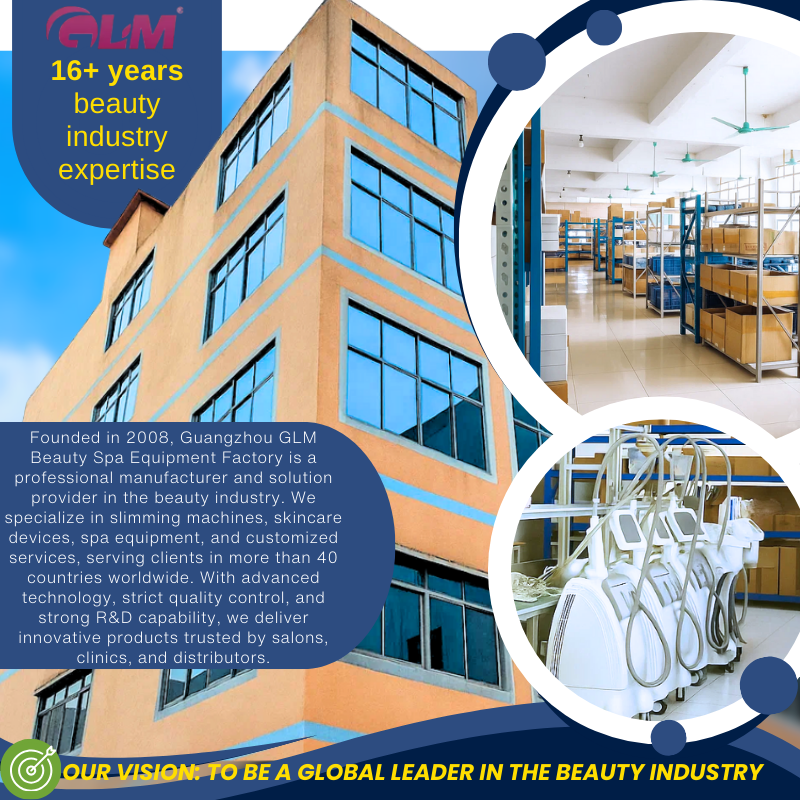
Founded in 2008, Guangzhou GLM Beauty Spa Equipment Factory specializes in research, development, manufacture and selling of beauty and slimming machines. Our production base is located in Guangzhou City, Guangdong Province, China. Since our foundation, we have introduced advanced technologies and equipment, to assure high quality and high performance of our products. With professional marketing guide and excellent after-sales service, our products have been exported to over 20 countries and regions, including Southeast Asia, the Middle East, Europe and the United States, won worldwide praises and gained a good reputation

Back to the blog title

Post comment

Please note, comments need to be approved before they are published.