Introduction
Aging skin is not defined by wrinkles alone. Over time, collagen and elastin production gradually decline, skin may lose firmness and hydration, and uneven tone, enlarged pores, dullness, and fine lines can become more noticeable. At the same time, repeated sun exposure and environmental stress can accelerate visible signs of skin aging.
For modern beauty salons and aesthetic clinics, this has created a growing demand for treatments that do more than provide temporary surface-level results. Clients increasingly want skin that looks firmer, smoother, healthier, and naturally radiant—without necessarily turning to invasive procedures.
This is where professional aesthetic technology becomes particularly valuable.
Today’s anti-aging treatments combine energy-based technologies, controlled stimulation, exfoliation, and targeted skin-conditioning techniques. Depending on the client’s skin condition and treatment goals, professional operators can select different technologies or combine complementary modalities into a personalized treatment program.
Below are eight popular anti-aging treatment options that can help improve the appearance of aging skin while creating new service opportunities for professional beauty businesses.
Background: Why Does Skin Lose Its Glow as We Age?
Youthful-looking skin depends on several interconnected factors: collagen density, elastin, hydration, cellular turnover, microcirculation, and an even distribution of pigment.
As the skin ages, collagen synthesis gradually decreases. The dermal structure becomes less supportive, elasticity can decline, and the skin may appear thinner or less plump. Meanwhile, slower cell turnover can contribute to a rougher texture and dull complexion.
The American Academy of Dermatology notes that professional approaches to visible skin aging can include radiofrequency, ultrasound, laser treatments, chemical peels, microneedling, and other technologies, depending on the concern being treated.
The important point for professional operators is that different technologies target different concerns.
A client asking for “anti-aging” treatment may actually be looking for one or several of the following:
- Fine lines and wrinkles
- Loss of firmness
- A less defined jawline
- Dull or uneven skin tone
- Rough skin texture
- Enlarged pores
- Dehydration
- Loss of overall radiance
Therefore, the best professional treatment is not necessarily the most powerful one. It is the technology that matches the client’s skin condition, desired outcome, tolerance, and treatment plan.
1. Radiofrequency Skin Tightening
Radiofrequency, or RF, is one of the most widely recognized energy-based technologies for professional skin rejuvenation.
How It Works
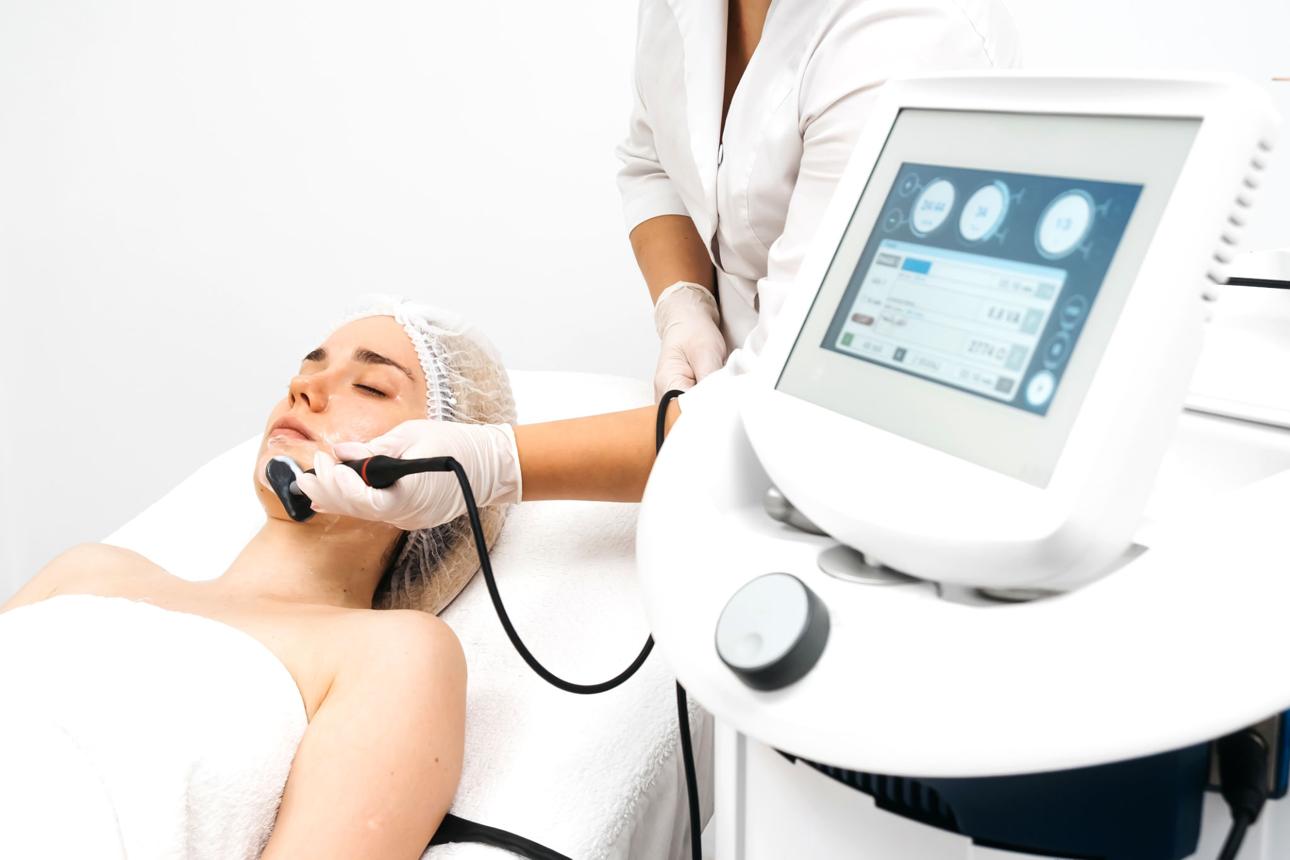
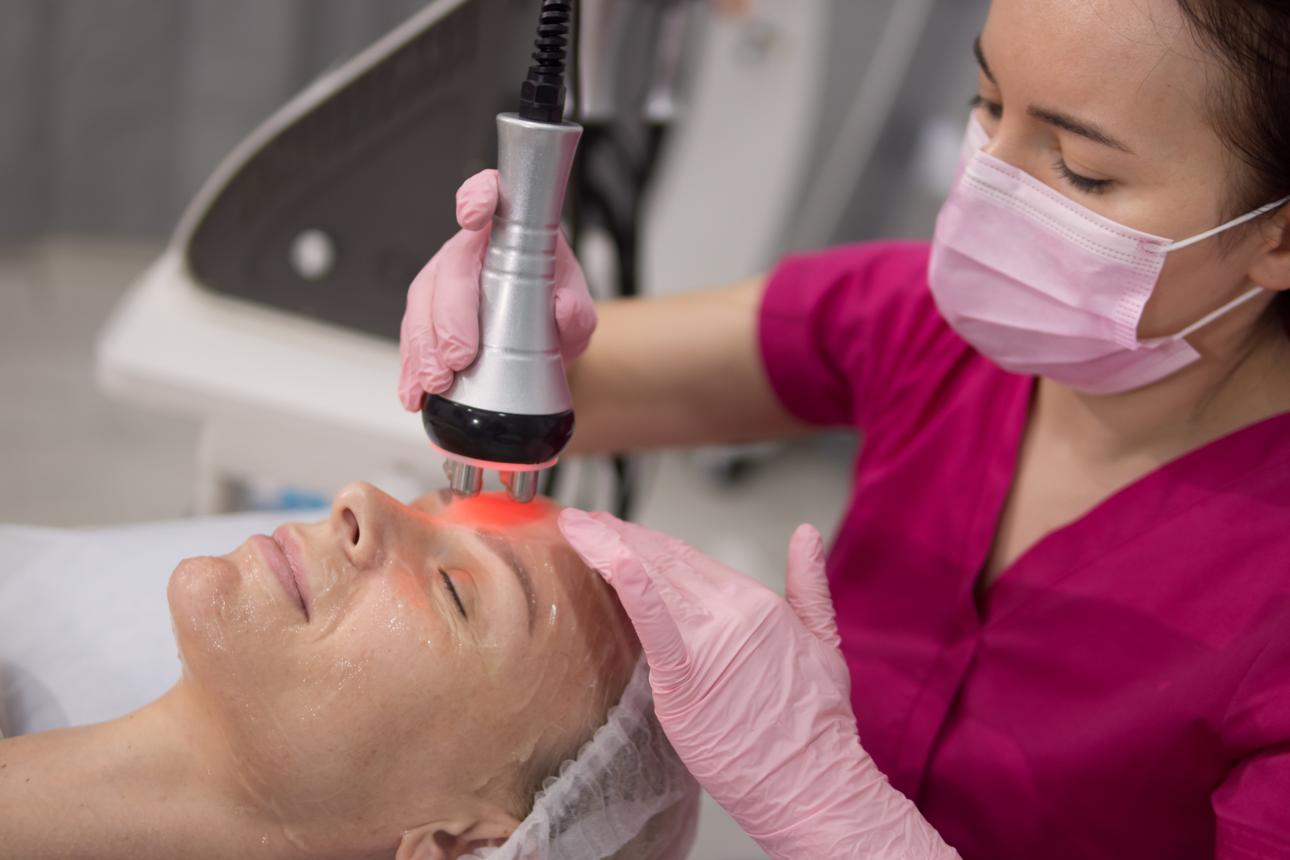
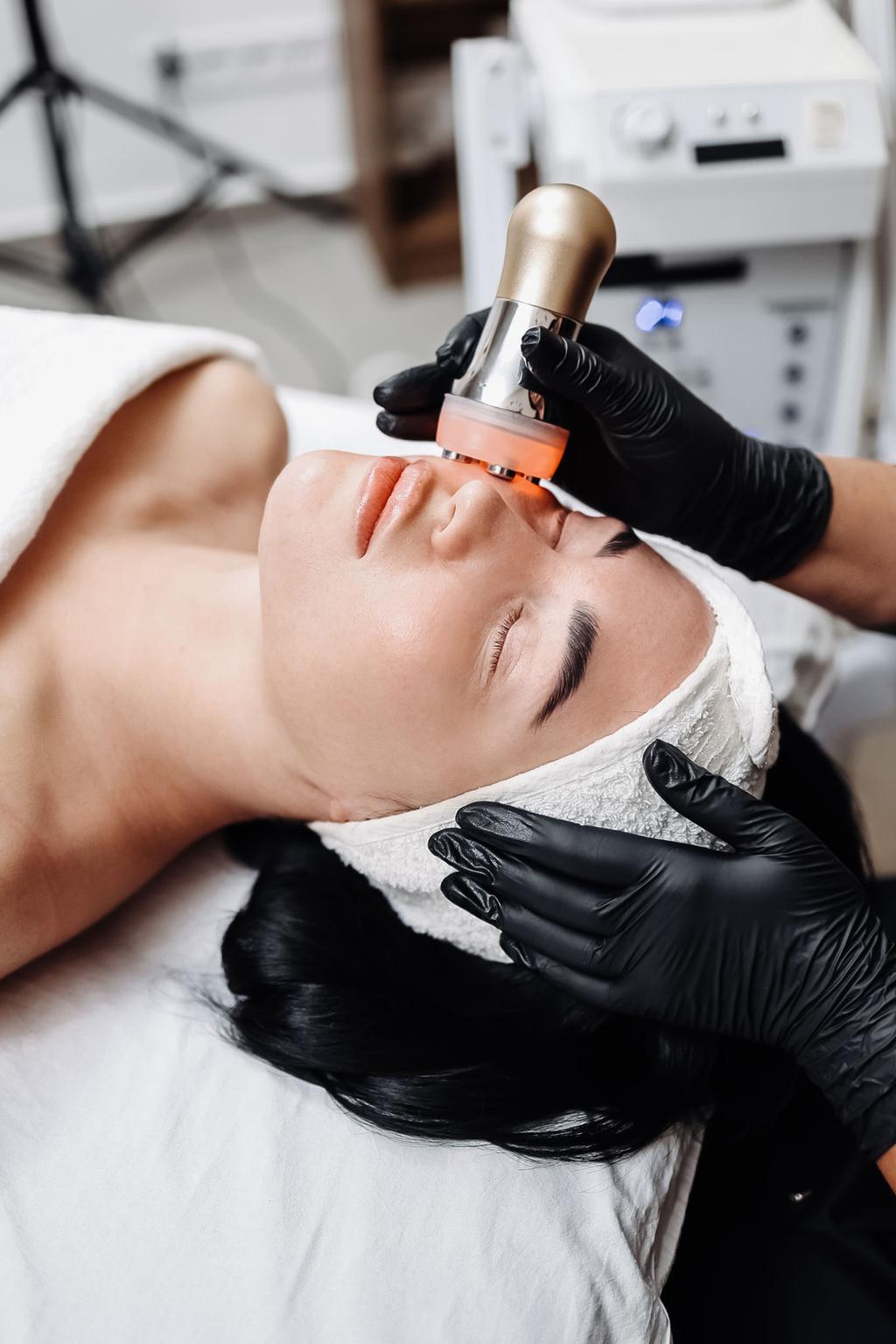
RF devices deliver controlled electromagnetic energy into tissue, producing heat at targeted depths. This thermal effect can support collagen remodeling and stimulate biological processes associated with firmer-looking skin.
Professional RF systems can be designed with adjustable energy levels, treatment modes, handpieces, and temperature-control features. This allows operators to adapt treatments to different facial areas and client requirements.
The American Academy of Dermatology describes radiofrequency as a non-invasive option that heats tissue beneath the skin and can encourage collagen production. Results generally develop progressively rather than appearing entirely at the end of a single session.
Why Clinics Use It
RF is particularly attractive for clients concerned about:
- Mild to moderate skin laxity
- Fine lines
- Loss of firmness
- Dull-looking skin
- Jawline definition
- Neck and décolletage aging
For salons and clinics, RF can also be incorporated into structured facial programs because treatment parameters can be adjusted according to skin condition and treatment area.
2. HIFU Skin Lifting
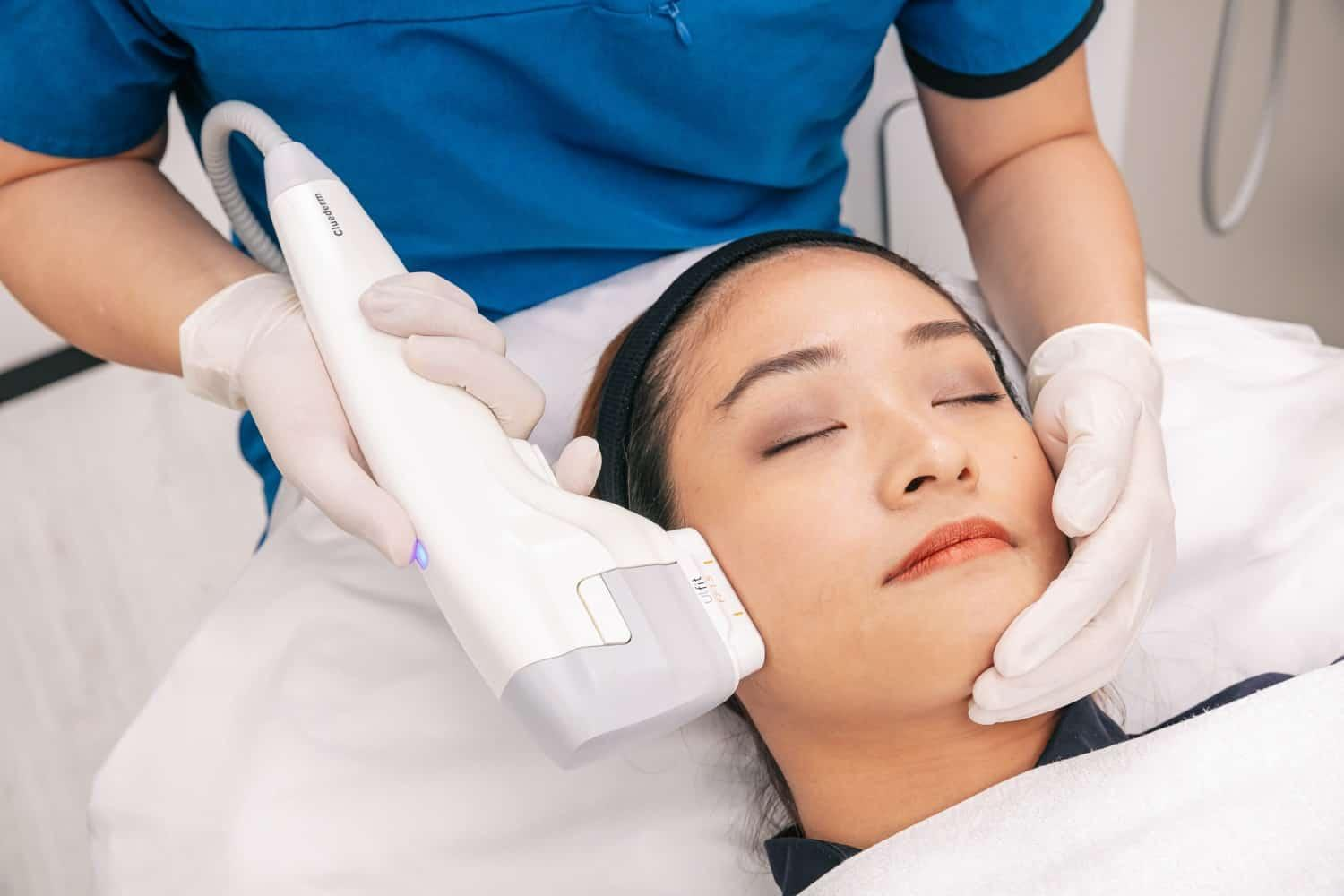
High-Intensity Focused Ultrasound, commonly known as HIFU, takes a different approach to skin tightening.
How It Works
Instead of primarily relying on surface contact heating, HIFU uses focused ultrasound energy to create controlled thermal effects at selected depths beneath the skin.
This makes HIFU particularly interesting for professional facial contouring and lifting protocols. Depending on the system, different cartridges or treatment depths may be used for different areas.
Professional HIFU systems can therefore provide operators with greater control over treatment depth and energy delivery than a basic consumer-oriented device.
Ideal Applications
HIFU may be considered for clients concerned about:
- Facial laxity
- A less defined jawline
- Sagging cheeks
- Double-chin appearance
- Neck firmness
- Overall facial contour
The American Academy of Dermatology identifies ultrasound as one of the non-invasive technologies used for skin tightening and notes that collagen-related changes develop progressively following treatment.
For clinics, HIFU can serve as a higher-value treatment option within a broader facial contouring and anti-aging portfolio.
3. Laser and IPL Skin Rejuvenation
When the primary concern is not simply laxity but also uneven tone, pigmentation, texture, or photoaging, light-based technologies can become an important part of a professional treatment strategy.
How They Work
Different laser and intense pulsed light systems use specific wavelengths or wavelength ranges to interact with targeted structures in the skin.
Depending on the technology and settings, treatments may address visible pigmentation, vascular concerns, texture irregularities, or stimulate remodeling associated with skin rejuvenation.
Laser-based treatments vary significantly in intensity and mechanism. Some systems are designed to resurface the skin, while others deliver energy without removing the superficial skin layer.
Why They Matter for “Glow”
A face can appear older even when wrinkles are relatively mild if it has:
- Uneven pigmentation
- Sun spots
- Rough texture
- Redness
- Dull tone
Improving these surface characteristics can make the complexion appear clearer and more luminous.
The AAD lists laser resurfacing and IPL among professional approaches used for certain signs of sun-damaged skin, including wrinkles and age spots.
For professional operators, correct wavelength selection, parameter control, skin assessment, and appropriate safety procedures are essential.
4. LED Light Therapy
Not every anti-aging treatment needs to feel intense.
LED light therapy offers a gentler approach that can be particularly useful as a standalone treatment or as part of a broader facial protocol.
How It Works
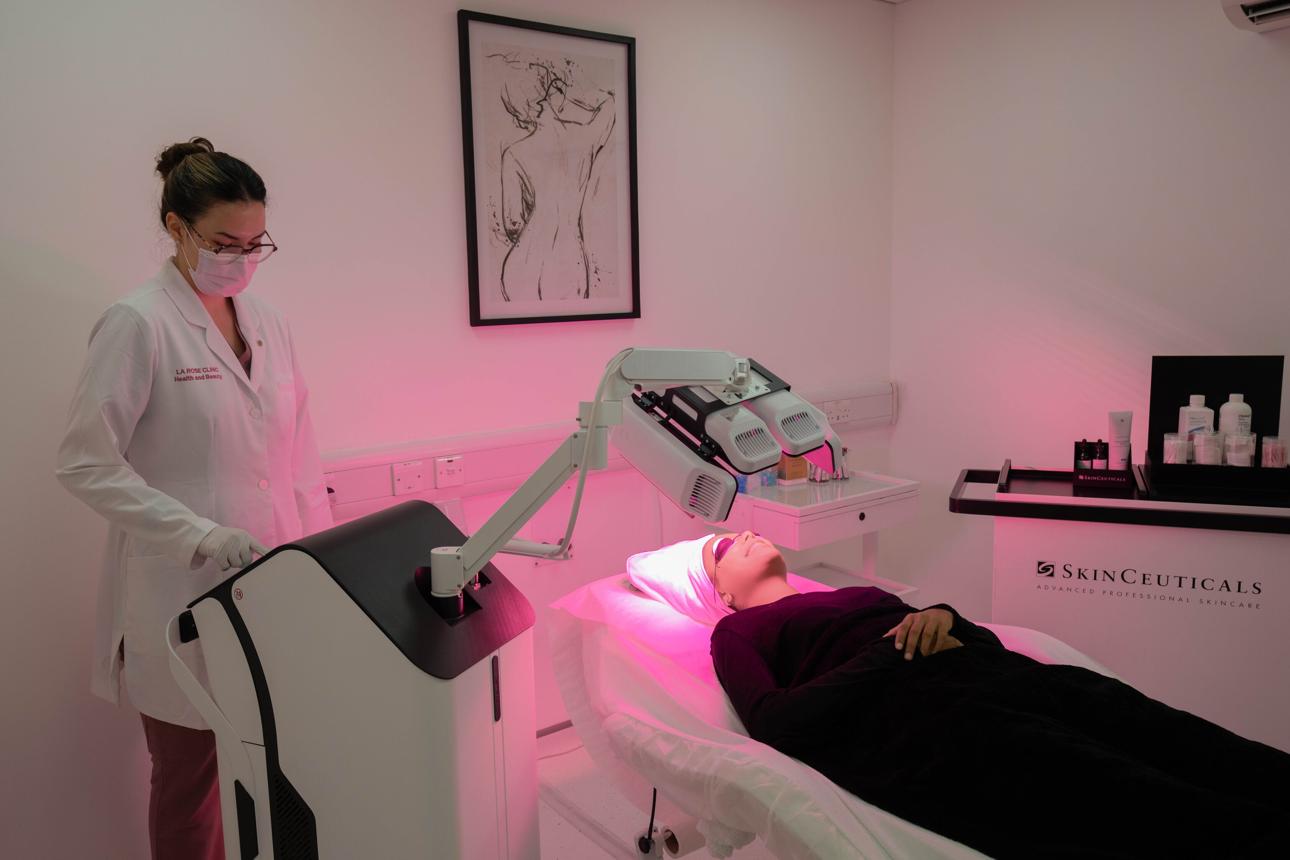
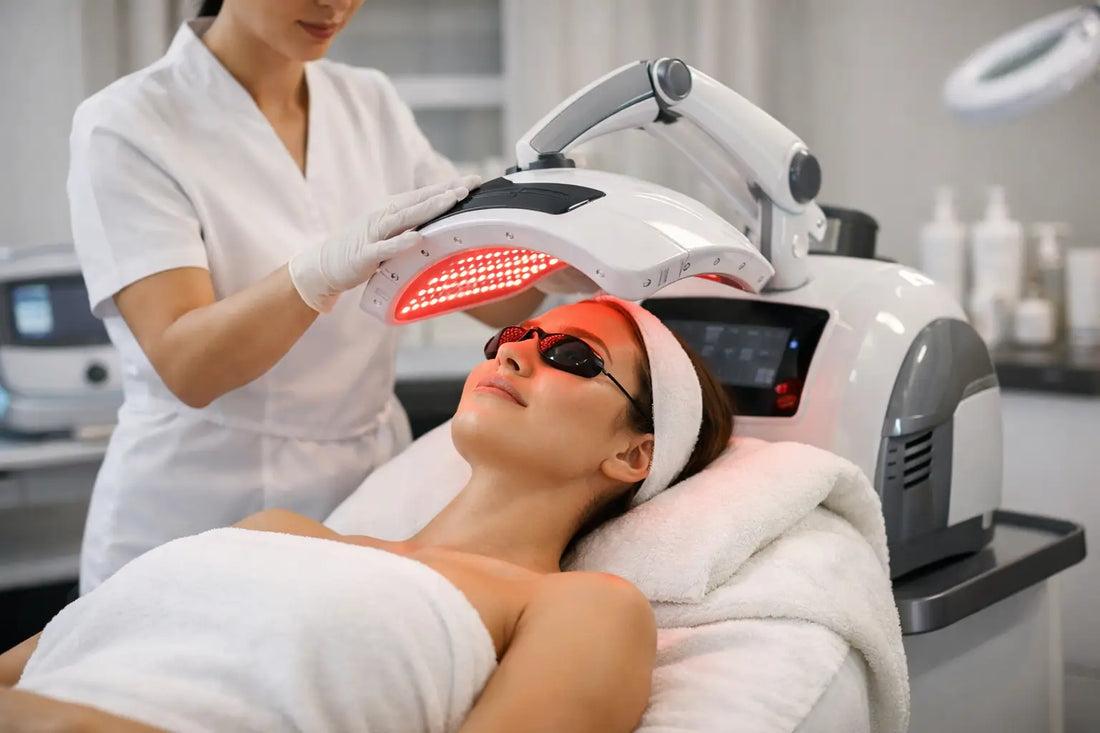
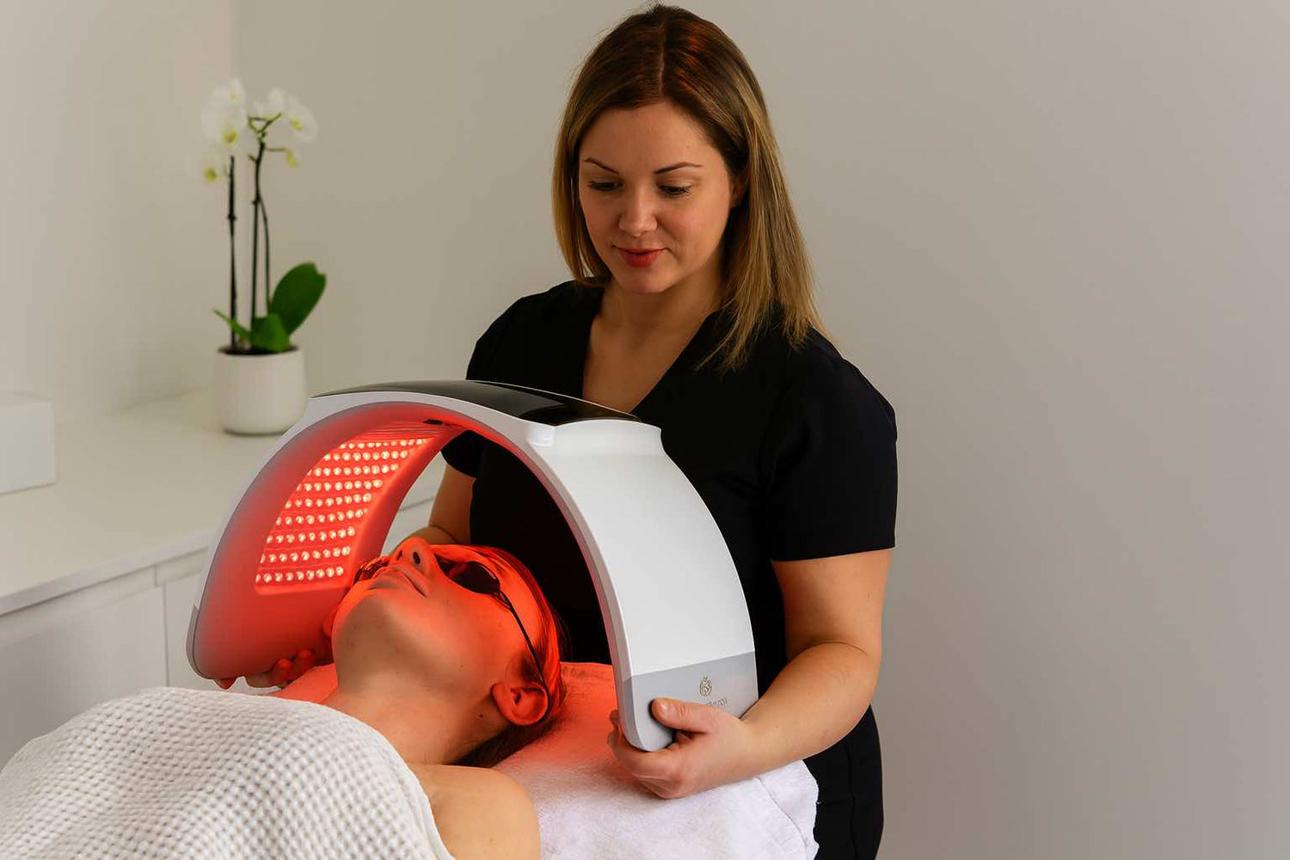
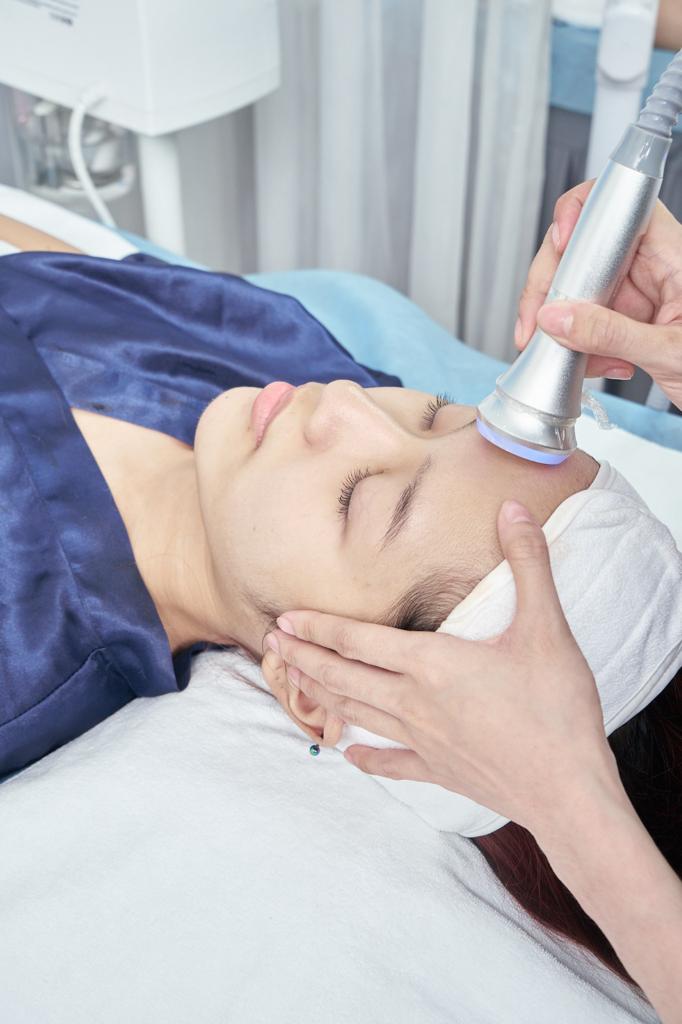
LED devices emit specific wavelengths of light that interact with the skin. Different wavelengths are commonly used for different aesthetic objectives.
Red and near-infrared light are frequently incorporated into professional photobiomodulation-style facial treatments aimed at supporting healthier-looking skin and improving overall appearance.
LED therapy is generally attractive because it can be incorporated into repeated treatment programs without the same type of thermal or mechanical intensity associated with some other technologies.
Best Use Cases
Professional LED treatments can be suitable for clients who want:
- A refreshed appearance
- A more radiant complexion
- Gentle skin-conditioning
- Regular maintenance treatments
- Post-treatment comfort within an appropriate professional protocol
For clinics, LED can also function as a complementary modality. A multi-function platform may allow practitioners to incorporate LED into facial programs alongside cleansing, hydration, RF, or other treatments.
5. Microneedling and RF Microneedling
Microneedling approaches anti-aging from a different direction: controlled micro-injury and the skin’s natural repair response.
How It Works
Traditional microneedling uses very fine needles to create controlled microchannels in the skin. This controlled stimulation can trigger a wound-healing response associated with collagen remodeling.
RF microneedling combines this mechanical stimulation with radiofrequency energy delivered through the treatment tips. This creates a combined approach involving both microneedling and thermal stimulation.
Professional systems may provide adjustable needle depth, energy levels, pulse settings, and treatment patterns. These controls are particularly important because different facial areas have different anatomical and skin characteristics.
What It Can Address
Depending on the device and professional protocol, microneedling-based treatments may be used to improve the appearance of:
- Fine lines
- Uneven texture
- Enlarged pores
- Acne-scar appearance
- Mild skin laxity
The AAD notes that microneedling can help address signs of skin aging, including fine lines and sagging, when appropriately performed.
Because RF microneedling involves more advanced technology and procedural considerations, professional assessment and operator training are particularly important.
6. Microcurrent and EMS Facial Treatments
For clients interested in facial definition rather than only skin texture, microcurrent and electrical muscle stimulation technologies provide another option.
How They Work
Microcurrent devices deliver low-level electrical currents through electrodes placed on the skin. EMS-based systems use electrical stimulation to activate targeted muscles.
The aesthetic objective is generally related to facial contour appearance, muscle stimulation, and temporary toning effects rather than directly resurfacing the skin.
Where They Fit
These treatments can be useful for clients who are primarily concerned about:
- Facial contour
- A tired-looking appearance
- Reduced definition
- Maintenance between more intensive treatments
From a business perspective, microcurrent and EMS can also be positioned as relatively accessible facial services, creating opportunities for repeat visits and treatment packages.
They work particularly well when integrated into a broader facial program rather than presented as a replacement for every other anti-aging technology.
7. Hydradermabrasion and Advanced Facial Cleansing
Anti-aging is not always about delivering more energy. Sometimes the first step toward a better-looking complexion is improving the skin’s surface condition.
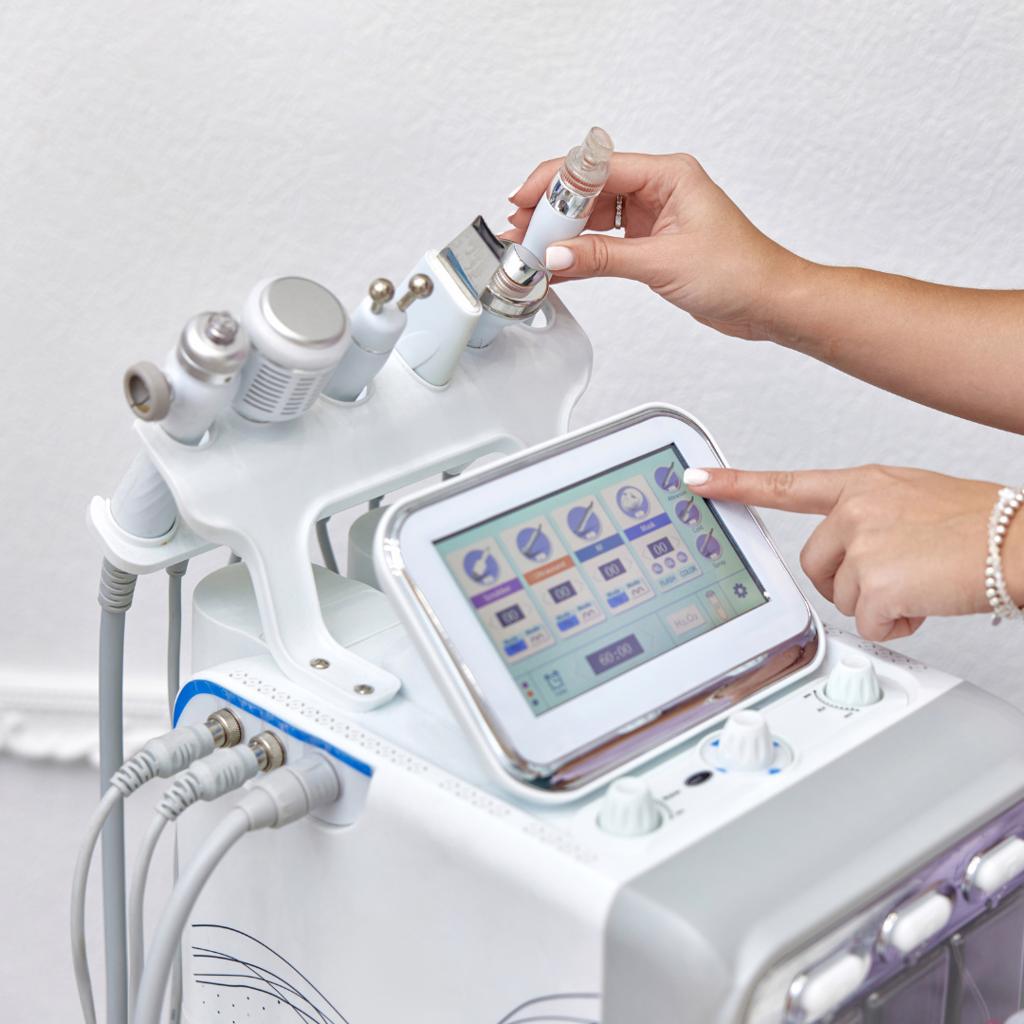
Hydradermabrasion and water-based facial systems combine cleansing, exfoliation, extraction, and hydration-oriented steps in a single treatment experience.
How It Works
A professional hydradermabrasion system typically uses controlled fluid flow and specialized tips to cleanse and exfoliate the skin while supporting hydration.
The treatment can help remove surface impurities and dead skin cells, leaving the complexion smoother and more refreshed.
Why It Matters for Mature Skin
Aging skin can appear dull partly because cellular turnover slows over time. Removing accumulated surface debris can immediately improve the visual smoothness and brightness of the complexion.
This type of treatment can therefore serve as an excellent pre-treatment or maintenance service.
For example, a professional clinic might use a cleansing and hydration treatment before an RF session, depending on the treatment protocol and device instructions.
The commercial advantage is also clear: hydradermabrasion can provide a visible “fresh skin” experience while introducing clients to more advanced professional treatments.
8. Ultrasound and Electroporation-Based Infusion
The final option focuses on one of the most important elements of youthful-looking skin: hydration and product delivery.
Ultrasound facial technologies and electroporation-based systems can be incorporated into professional protocols designed to improve the application of cosmetic or skincare formulations.
How They Work
Ultrasound uses mechanical energy to interact with tissue and is widely used in aesthetic treatments. Electroporation technologies use electrical pulses to temporarily influence the skin barrier, depending on the system and treatment protocol.
The goal is not simply to “push products deeper” but to create a more sophisticated professional delivery experience than ordinary topical application.
Why Clinics Value This Approach
These technologies can be useful for clients concerned about:
- Dehydrated-looking skin
- Dull complexion
- Rough texture
- Loss of softness
- Maintenance between intensive anti-aging treatments
They can also complement other services. A clinic may design a facial program that combines cleansing, exfoliation, infusion, LED, and RF according to the client’s needs.
This is one reason multifunctional aesthetic platforms are becoming attractive to professional operators: one treatment room can support multiple skin concerns without requiring a completely separate workflow for every service.
Advantages of Professional Anti-Aging Equipment
The biggest advantage of professional aesthetic equipment is not simply higher power.
It is control.
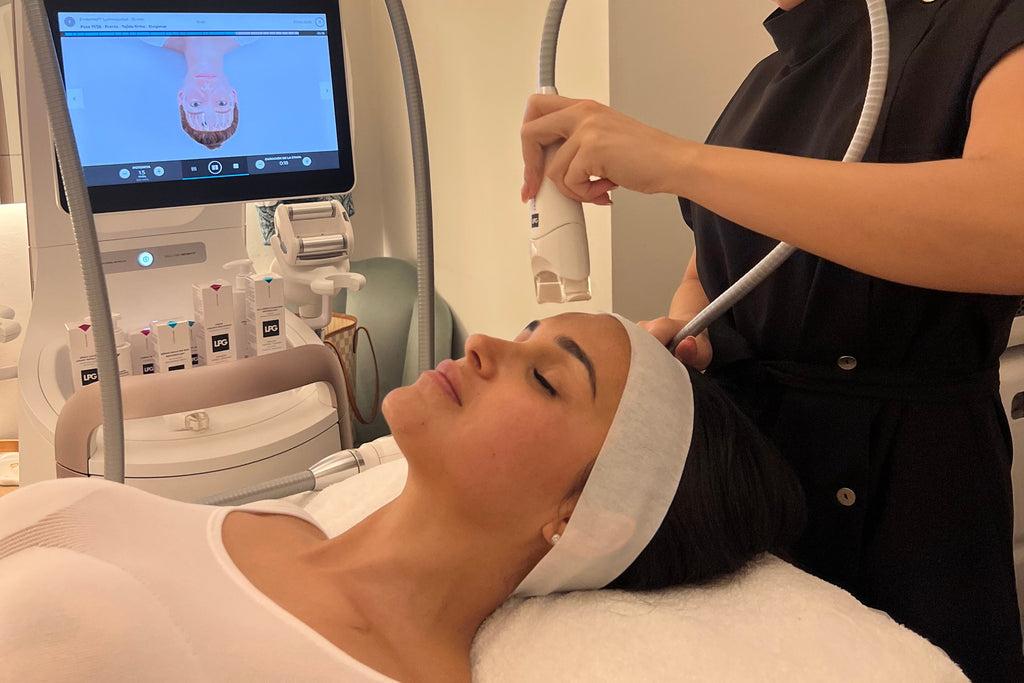
A professional system can provide operators with adjustable parameters, specialized handpieces, treatment modes, energy levels, cooling systems, treatment-depth options, or integrated monitoring features depending on the technology.
This allows the treatment to be adapted to:
- Skin type
- Skin condition
- Treatment area
- Client sensitivity
- Desired aesthetic objective
- Previous treatments
- Overall treatment plan
Professional RF, ultrasound, and laser platforms are already established areas of interest in cosmetic dermatology, with current professional education continuing to examine patient selection, treatment parameters, and best practices for these technologies.
By comparison, home-use devices are generally designed around simplicity and convenience. Professional equipment is intended to be operated within a controlled treatment environment by trained personnel and can offer a broader range of treatment customization.
For equipment manufacturers and beauty businesses, this distinction is important. The value of a professional machine is not only the technology inside the cabinet—it is the repeatable treatment workflow, operator control, and ability to build structured services around the platform.
Applications: Matching the Treatment to the Client
A successful anti-aging program should begin with the client’s actual concern rather than the name of a popular technology.
| Client Concern | Suitable Professional Approach |
|---|---|
| Fine lines and mild laxity | RF, LED, microneedling |
| Facial sagging and contour | HIFU, RF, selected ultrasound technologies |
| Uneven pigmentation | IPL or appropriate laser technologies |
| Dull complexion | LED, hydradermabrasion, professional facial systems |
| Rough texture and enlarged pores | Microneedling, exfoliation, hydradermabrasion |
| Dehydrated-looking skin | Hydration facial, ultrasound/electroporation-based infusion |
| Facial definition | Microcurrent, EMS, RF or HIFU depending on the concern |
| Long-term skin maintenance | LED, RF, hydration, cleansing and personalized combinations |
Importantly, these categories are not mutually exclusive.
A mature client may simultaneously have reduced firmness, pigmentation, dehydration, and uneven texture. In such cases, a layered treatment strategy can make more sense than relying on a single modality.
For example, a professional facial program might begin with cleansing and exfoliation, followed by a hydration-oriented treatment and LED. Another client may be better suited to a course of RF or HIFU for firmness and contour concerns.
The role of the professional operator is therefore not simply to operate a machine. It is to determine which technology is appropriate, establish realistic expectations, select suitable parameters, and monitor the skin throughout the treatment process.
Conclusion
The modern anti-aging market is moving beyond the idea of a single “miracle” treatment.
Clients increasingly want natural-looking improvement: smoother texture, better hydration, greater firmness, more even tone, and a healthy glow rather than an obviously altered appearance.
That is why professional aesthetic technologies such as RF, HIFU, laser/IPL, LED, microneedling, microcurrent, hydradermabrasion, and ultrasound or electroporation-based systems each have a role to play.
The most effective approach is often not choosing the strongest technology, but choosing the right technology for the right skin concern.
For beauty salons, aesthetic clinics, and professional equipment providers, this creates an opportunity to build treatment portfolios around personalization. A well-designed professional platform can support multiple protocols, help operators address different client needs, and turn individual technologies into complete treatment experiences.
Ultimately, glowing skin is not simply about looking younger. It is about creating skin that appears healthy, smooth, firm, hydrated, and naturally refreshed—and professional aesthetic technology can be an important part of that process
Founded in 2008, Guangzhou GLM Beauty Spa Equipment Factory specializes in research, development, manufacture and selling of beauty and slimming machines. Our production base is located in Guangzhou City, Guangdong Province, China. Since our foundation, we have introduced advanced technologies and equipment, to assure high quality and high performance of our products. With professional marketing guide and excellent after-sales service, our products have been exported to over 20 countries and regions, including Southeast Asia, the Middle East, Europe and the United States, won worldwide praises and gained a good reputation