Ultrasonic Cavitation Machine Prices: A Comprehensive Guide for Clinics & Spas (2024 Edition)
Introduction
As the demand for non-invasive body contouring treatments continues to surge, ultrasonic cavitation has emerged as a cornerstone service for aesthetic clinics, medical spas, and wellness centers. Offering a painless, scar-free alternative to surgical liposuction, ultrasonic cavitation machines enable practitioners to deliver visible results while minimizing downtime for clients. However, selecting the right device requires careful consideration of cost, functionality, durability, and long-term return on investment (ROI).
This guide provides an in-depth analysis of ultrasonic cavitation machine pricing, key factors influencing costs, and actionable strategies for clinic and spa owners to make informed purchasing decisions in 2025.

What is Ultrasonic Cavitation?
Ultrasonic cavitation is a non-surgical fat reduction technique that uses low-frequency ultrasound waves (typically 20–40 kHz) to target and disrupt subcutaneous fat cells. The process involves:
- Formation of Microbubbles: Ultrasound waves create microscopic bubbles within fat tissue.
- Cellular Disruption: These bubbles implode, causing mechanical stress that fractures fat cell membranes.
- Lymphatic Elimination: Released fatty acids and triglycerides are metabolized by the body’s lymphatic system and excreted naturally.
Why It’s Popular in Clinics & Spas
- Non-Invasive & Painless: No anesthesia, incisions, or recovery time.
- Visible Results: Clients typically see improvements after 4–6 sessions.
- Versatility: Effective for reducing stubborn fat in areas like the abdomen, thighs, arms, and flanks.
- High Profit Margins: Treatments can be priced competitively while maintaining profitability.
Types of Ultrasonic Cavitation Machines
1. Home-Use vs. Professional-Grade Machines
| Category | Power Output | Frequency Range | Best For | Price Range |
|---|---|---|---|---|
| Home-Use | 10–50W | 20–30 kHz | Personal use, low-frequency sessions | 1,000 |
| Professional | 100–500W+ | 20–40 kHz | Clinics, high-volume treatments | 30,000+ |
- Home-Use Devices: Compact, portable, and affordable but limited in power and durability.
- Professional-Grade Machines: Built for continuous use, with higher power output and advanced features.
2. Standalone vs. Multifunctional Devices
- Standalone Cavitation Machines: Focus exclusively on ultrasonic cavitation.
- Multifunctional Systems: Combine cavitation with:
- Radiofrequency (RF) Skin Tightening
- Vacuum Therapy (for lymphatic drainage)
- LED Phototherapy (for skin rejuvenation)
- Cryolipolysis (fat freezing)
3. Leading Brands & Models
| Brand | Notable Models | Key Features | Price Range |
|---|---|---|---|
| Lumenis | Legend Pro+ | Multi-modal RF + cavitation, FDA-cleared | 35,000 |
| Viora | Reaction™ | Multi-RF + vacuum + cavitation | 30,000 |
| SlimLipo | SlimLipo Pro | Laser-assisted lipolysis + cavitation | 25,000 |
| Cavitation Ultimate | ProMax Lipo | 40kHz cavitation + RF + vacuum | 18,000 |
Factors Influencing Ultrasonic Cavitation Machine Prices
1. Power & Frequency
- Higher Wattage (100W+): More effective for deeper fat layers but increases cost.
- Adjustable Frequency (20–40 kHz): Allows customization for different body areas.
2. Number of Functions
- Single-Function Machines: Lower cost but limited treatment options.
- Multifunctional Systems: Higher price due to integrated technologies (RF, vacuum, LED).
3. Brand Reputation & Country of Origin
- Premium Brands (Lumenis, Viora): Higher pricing due to advanced engineering, clinical studies, and global support.
- Made in USA/Europe/Japan: Often associated with stricter quality control and certifications.
4. Certifications & Compliance
- FDA Clearance: Adds credibility but increases cost.
- CE Marking (EU): Required for European markets.
- ISO Certifications: Indicates adherence to quality standards.
5. Accessories & Features
- Interchangeable Applicators: For targeting different body areas.
- Cooling Systems: Prevent overheating during extended use.
- Touchscreen Controls: Enhance user experience.
- Aftersales Support: Training, maintenance, and warranty coverage.
6. Service & Maintenance
- Extended Warranties: Protect against unexpected repairs.
- On-Site Technical Support: Critical for busy clinics.
Ultrasonic Cavitation Machine Price Ranges (2024)
Entry-Level Machines (4,000)
- Best For: Startups, low-volume clinics, or supplementary services.
- Features:
- Single-function cavitation
- Basic power output (100–150W)
- Limited warranty (1–2 years)
Mid-Range Machines (10,000)
- Best For: Growing clinics, medium-volume treatments.
- Features:
- Higher power (200–300W)
- Optional RF or vacuum therapy
- Enhanced durability
High-End/Premium Machines (30,000+)
- Best For: High-volume clinics, premium services, med-spas.
- Features:
- Top-tier brands (Lumenis, Viora)
- Multi-modal technologies (RF, vacuum, LED)
- Extended warranties (3–5 years)
- Advanced safety features
Sample Price Table (2024)
| Machine Type | Price Range | Key Features | Best For |
|---|---|---|---|
| Entry-Level | 4,000 | Single function, standard power, basic UI | Startups, low-volume clinics |
| Mid-Range | 10,000 | Multi-functional, higher power, touchscreen | Growing practices, medium volume |
| Premium | 30,000+ | Multiple modalities, advanced safety, longest warranty | High-volume clinics, premium services |
Cost-Benefit Analysis for Clinics & Spas
1. Investment vs. Expected ROI
- Break-Even Calculation:
- Machine Cost: $15,000
- Treatment Price: $250/session
- Sessions Needed to Break Even: 60 sessions (≈3 months at 5 sessions/week)
2. Longevity & Replacement Cycle
- Entry-Level: 3–5 years (higher maintenance costs)
- Premium: 7–10 years (lower downtime, fewer repairs)
3. Pricing & Profitability Strategies
- Premium Equipment: Allows charging 500/session.
- Package Deals: Bundle cavitation with RF or vacuum therapy.
- Membership Programs: Encourage repeat business.
Where to Buy: Trusted Suppliers & Platforms
1. Authorized Distributors
- Pros: Guaranteed warranty, authentic parts, training.
- Cons: Higher upfront cost.
2. Direct from Manufacturers
- Pros: Discounts, financing options, direct support.
- Cons: Limited negotiation power for small clinics.
3. Specialized Medical Equipment Dealers
- Pros: Comparative advice, refurbished units.
- Cons: Potential for counterfeit products.
4. Avoid Unverified Third-Party Marketplaces
- Risks: Fake warranties, no technical support, potential safety hazards.
Buying Tips:
- Verify certifications (FDA, CE, ISO).
- Request live demos and references.
- Check aftersales service quality.
Tips for Making the Right Purchase
1. Assess Your Clinic’s Needs
- Daily Treatment Volume: High-volume clinics need durable, multifunctional machines.
- Target Demographic: Premium clients may prefer advanced technologies.
2. Budgeting & Financing
- Lease Options: Reduce upfront costs.
- Trade-In Programs: Upgrade older equipment.
3. Prioritize Training & Support
- Staff Certification: Ensure proper use and safety.
- Technical Assistance: 24/7 support for critical downtime.
4. Request User Demos/Pilot Runs
- Test the device on real clients before purchasing.
- Evaluate user experience and results.

Conclusion
Investing in an ultrasonic cavitation machine is a strategic decision that can significantly boost your clinic’s revenue and client satisfaction. By carefully evaluating pricing, functionality, and long-term ROI, you can select a device that aligns with your business goals.
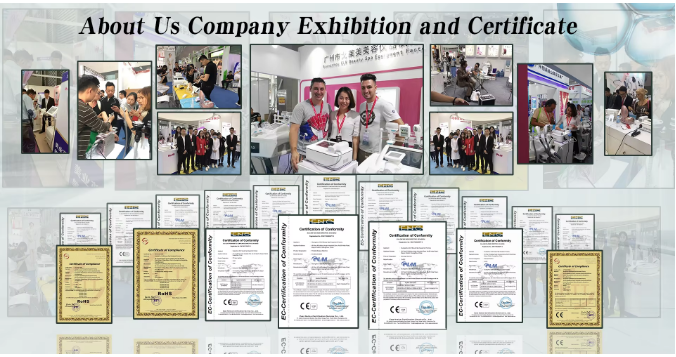
GLM is a specialized beauty instrument factory that produces instruments for a variety of functions, including weight loss devices. We have vacuum negative press, radio frequency fat blasting equipment, frozen fat dissolving machine and EMS body shaping machine. GLM is a 14 year old supplier of beauty instruments with guaranteed quality.https://gdglmbeauty.com/