
Introduction
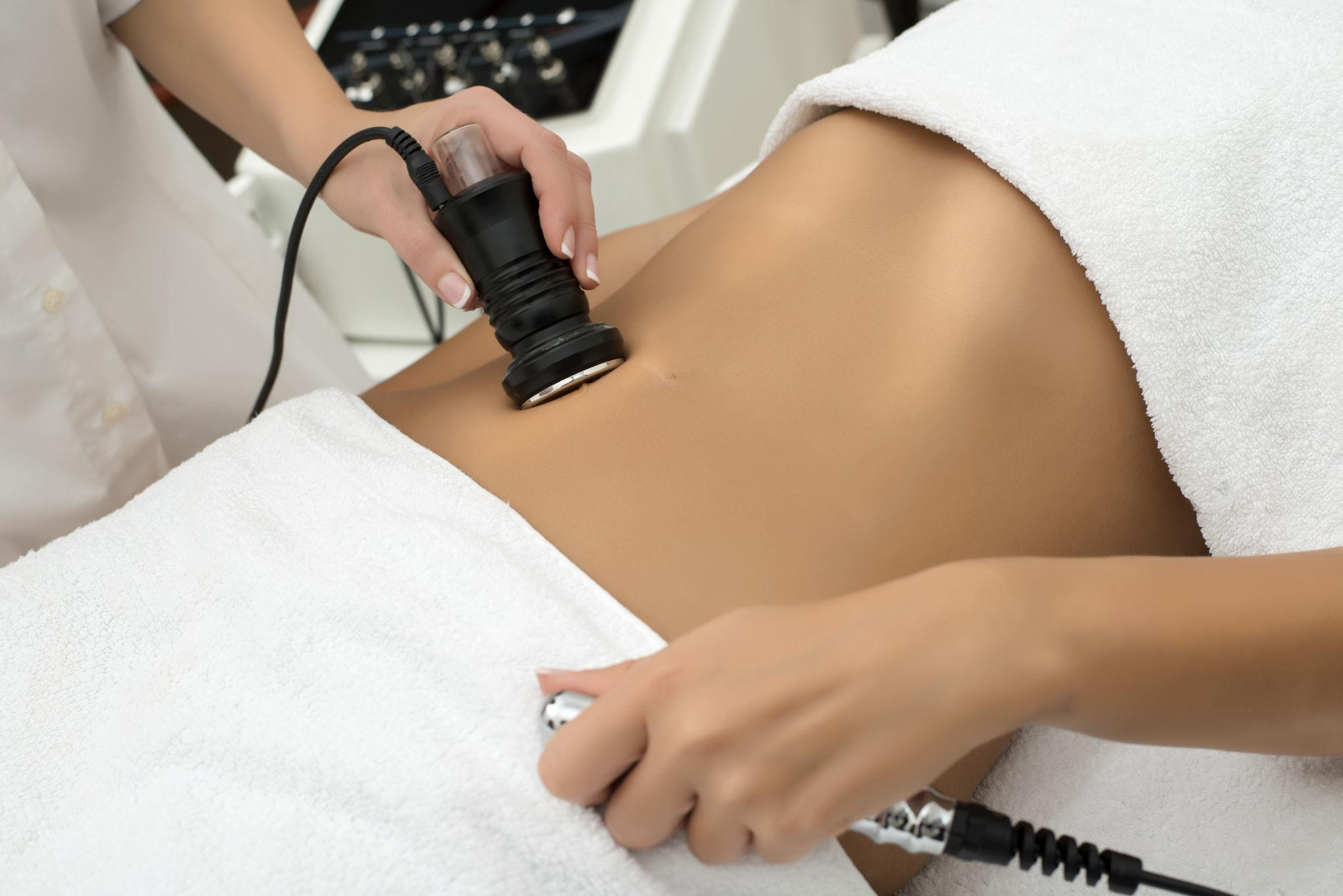
Ultrasonic cavitation has become one of the most sought-after non-invasive body contouring technologies in aesthetic clinics, medical spas, and professional beauty centers worldwide. Promoted as a painless alternative to surgical fat reduction procedures, ultrasonic cavitation treatments offer clients an opportunity to target stubborn fat deposits without downtime, anesthesia, or invasive intervention.
However, despite its popularity and generally favorable safety profile, ultrasonic cavitation is not a treatment that should be approached casually. Like any professional aesthetic procedure, there are important warnings, contraindications, and operational considerations that both practitioners and clients should understand before beginning treatment.
For beauty clinics, spas, and aesthetic professionals, understanding these warnings is essential not only for achieving optimal results but also for ensuring client safety and satisfaction. This article explores the key ultrasonic cavitation warnings, explains how the technology works, and highlights why professional-grade equipment and trained operators remain critical factors in successful body contouring outcomes.
Background and Common Concerns About Ultrasonic Cavitation
The demand for non-surgical body sculpting solutions continues to grow as more consumers seek alternatives to liposuction and other invasive procedures. Many clients are attracted to ultrasonic cavitation because it appears simple, comfortable, and relatively affordable.
Unfortunately, misconceptions surrounding the treatment often lead people to underestimate the importance of proper consultation and treatment protocols.
Some common misunderstandings include:
- Assuming ultrasonic cavitation is suitable for everyone
- Expecting immediate weight-loss results
- Believing more treatments automatically mean faster results
- Using low-quality devices without proper training
- Ignoring pre-treatment and post-treatment recommendations
These misconceptions can lead to unrealistic expectations and, in some cases, unnecessary complications.
Therefore, understanding ultrasonic cavitation warnings is an important step toward safer and more effective treatments.
Technology and Mechanism: How Ultrasonic Cavitation Works
Ultrasonic cavitation utilizes low-frequency ultrasound energy to target localized fat deposits beneath the skin.
When ultrasonic waves penetrate fatty tissue, microscopic bubbles form within the fat cells. These bubbles expand and contract rapidly, creating pressure changes that weaken the membranes of adipocytes (fat cells).
As the cell walls become disrupted:
- Stored triglycerides are released
- Fat is converted into free fatty acids and glycerol
- The body's lymphatic system processes and eliminates the metabolic waste naturally
Unlike liposuction, ultrasonic cavitation does not physically remove fat through surgery. Instead, it relies on the body's natural metabolic and lymphatic pathways to process released fat materials.
Because of this mechanism, proper hydration, healthy lifestyle habits, and lymphatic drainage support often play significant roles in treatment outcomes.
Professional systems commonly combine ultrasonic cavitation with complementary technologies such as:
- Radio Frequency (RF)
- Vacuum Therapy
- Infrared Heating
- EMS Muscle Stimulation
- Roller Massage Systems
These combinations can help improve skin firmness, circulation, and body contouring results while supporting the overall treatment process.
Important Ultrasonic Cavitation Warnings
1. Not Suitable for Everyone
One of the most important warnings is that ultrasonic cavitation is not appropriate for every client.
Individuals who may not be suitable candidates include:
- Pregnant or breastfeeding women
- Clients with pacemakers
- Individuals with severe liver disease
- Clients with severe kidney disorders
- Patients with active cancer
- People with serious cardiovascular conditions
- Individuals with epilepsy
- Clients with metal implants in treatment areas
A thorough consultation should always be performed before treatment begins.
Professional clinics typically use detailed medical questionnaires and client assessments to identify potential contraindications.
2. Ultrasonic Cavitation Is Not a Weight-Loss Treatment
Many first-time clients mistakenly believe cavitation is a replacement for diet and exercise.
In reality, ultrasonic cavitation is best suited for:
- Localized fat reduction
- Body contouring
- Circumference reduction
- Stubborn fat management
Ideal treatment candidates are often already close to their target weight but struggle with specific problem areas such as:
- Abdomen
- Flanks
- Thighs
- Arms
- Back fat
Professional practitioners should communicate realistic expectations from the beginning.
3. Hydration Is Critical
Because the body relies on metabolic and lymphatic pathways to eliminate released fat materials, hydration is extremely important.
Clients are commonly advised to:
- Increase water intake before treatment
- Continue hydration after treatment
- Avoid excessive alcohol consumption
- Maintain healthy circulation
Insufficient hydration may reduce treatment efficiency and slow the body's natural elimination processes.
4. Improper Device Settings Can Cause Problems
The effectiveness and safety of ultrasonic cavitation depend heavily on proper device parameters.
Using excessive intensity levels or incorrect treatment protocols may increase the risk of:
- Temporary discomfort
- Skin sensitivity
- Redness
- Uneven treatment outcomes
Professional-grade systems offer more precise energy control, treatment customization, and safety features compared with many low-cost consumer devices.
This is one reason why treatments performed by trained professionals generally provide more consistent and predictable results.
5. Results Require Multiple Sessions
Clients should understand that ultrasonic cavitation is not an instant solution.
Visible improvements typically occur gradually over multiple sessions.
Factors affecting results include:
- Body composition
- Metabolic rate
- Hydration levels
- Lifestyle habits
- Treatment frequency
- Equipment quality
Professional treatment plans often include a series of sessions combined with complementary body contouring technologies for optimal outcomes.
6. Post-Treatment Care Matters
Another important warning is that treatment does not end when the session finishes.
Practitioners often recommend:
- Drinking additional water
- Engaging in light physical activity
- Following a balanced diet
- Avoiding excessive calorie intake
- Supporting lymphatic circulation
Without proper aftercare, the body may not process released fat materials as efficiently.
Advantages of Professional Ultrasonic Cavitation Systems Compared with Home Devices
The growing popularity of home-use beauty devices has introduced many consumers to body contouring technology. However, significant differences remain between professional and home-use systems.
Energy Delivery
Professional equipment generally provides:
- Higher treatment stability
- More precise frequency control
- Consistent energy output
Home-use devices often operate at lower energy levels to prioritize safety for unsupervised use.
Treatment Customization
Professional operators can customize:
- Energy intensity
- Treatment duration
- Combination technologies
- Body area protocols
This level of personalization is difficult to achieve with most consumer devices.
Safety Management
Professional environments offer:
- Client screening
- Medical history review
- Contraindication assessment
- Treatment monitoring
- Immediate protocol adjustments
These factors significantly improve treatment safety and effectiveness.
Applications and Client Needs in Professional Clinics
Ultrasonic cavitation remains highly valuable because it addresses a growing market demand for non-invasive body contouring.
Common treatment applications include:
Abdomen Contouring
One of the most requested treatment areas, particularly for clients struggling with stubborn abdominal fat.
Thigh Reshaping
Supports body contouring goals while improving overall silhouette appearance.
Arm Slimming
Frequently requested by clients seeking improved arm definition without surgery.
Waist and Flank Reduction
Helps address "love handles" that often resist traditional fitness efforts.
Combined Body Sculpting Programs
Modern clinics increasingly combine ultrasonic cavitation with:
- Radio frequency skin tightening
- Vacuum massage
- Lymphatic drainage therapy
- EMS muscle stimulation
These multi-technology solutions provide a more comprehensive body contouring experience while enhancing client satisfaction.
Conclusion
Ultrasonic cavitation has established itself as a valuable technology in the professional aesthetic industry, offering a non-invasive approach to body contouring and localized fat reduction.
However, understanding ultrasonic cavitation warnings is essential for both practitioners and clients. Proper consultation, client selection, hydration, realistic expectations, and professional treatment protocols all contribute to safe and successful outcomes.
As the aesthetic market continues to evolve, professional beauty clinics and medical spas that combine advanced technology, skilled operators, and personalized treatment plans will remain best positioned to deliver effective body contouring results.
Ultimately, ultrasonic cavitation is not simply about reducing fat—it is about creating safer, smarter, and more comprehensive body sculpting solutions that meet modern client expectations
Founded in 2008, Guangzhou GLM Beauty Spa Equipment Factory specializes in research, development, manufacture and selling of beauty and slimming machines. Our production base is located in Guangzhou City, Guangdong Province, China. Since our foundation, we have introduced advanced technologies and equipment, to assure high quality and high performance of our products. With professional marketing guide and excellent after-sales service, our products have been exported to over 20 countries and regions, including Southeast Asia, the Middle East, Europe and the United States, won worldwide praises and gained a good reputation