
Introduction
Deep pore cleansing is one of the most fundamental services offered by professional beauty clinics and skincare salons. Regardless of whether the focus is acne management, anti-aging, skin brightening, or post-treatment maintenance, effective removal of impurities from the skin remains a core step in almost every facial protocol.
Traditionally, manual extractions performed by trained estheticians have been the standard method for removing blackheads, whiteheads, excess sebum, and debris from clogged pores. However, as client expectations rise and technology continues to advance, many clinics are re-evaluating whether manual extractions alone are still the most efficient, comfortable, and scalable solution.
In recent years, ultrasonic skin scrubbers—also known as ultrasonic facial spatulas or ultrasonic cleansing devices—have gained significant popularity in professional skincare environments. These devices promise deep cleansing with less discomfort, reduced skin trauma, and greater consistency across operators.
This article explores the key differences between ultrasonic skin scrubbers and manual extractions, helping clinics understand which method—or combination of methods—best fits modern professional skincare practices.
Background / Problem
The Challenges of Traditional Manual Extractions
Manual extractions rely heavily on the skill, experience, and physical endurance of the practitioner. While effective in many cases, this method presents several ongoing challenges for professional clinics:
-
Client discomfort and pain: Manual pressure can cause significant discomfort, especially for sensitive or inflamed skin.
-
Risk of skin damage: Improper technique may lead to redness, bruising, broken capillaries, or post-inflammatory hyperpigmentation.
-
Inconsistent results: Outcomes vary depending on the operator’s experience and technique.
-
Time-consuming procedures: Manual extractions can significantly extend treatment time, reducing daily client capacity.
-
Operator fatigue: Repetitive hand pressure increases strain on practitioners’ hands and wrists.
As clients increasingly seek gentle, technology-driven treatments with minimal downtime, these limitations have pushed clinics to explore alternative solutions.
Rising Demand for Non-Invasive, Technology-Assisted Treatments
Modern skincare clients are better informed and more selective. They often prefer treatments that are:
-
Non-invasive and low-risk
-
Comfortable and relaxing
-
Backed by visible technology
-
Suitable for regular maintenance
This shift in consumer expectations has paved the way for ultrasonic skin scrubbers to become a mainstream professional tool.
Technology / Mechanism
How Manual Extractions Work
Manual extractions involve physically applying pressure around pores using fingers wrapped in gauze or specialized extraction tools. The goal is to force out trapped sebum, keratin plugs, and debris.
Key characteristics of manual extraction:
-
Mechanical pressure-based
-
Highly dependent on technique
-
Requires softened skin through steaming or pre-treatment
-
Direct contact with pores
While effective for certain stubborn comedones, this method inherently stresses the surrounding skin tissue.
How Ultrasonic Skin Scrubbers Work
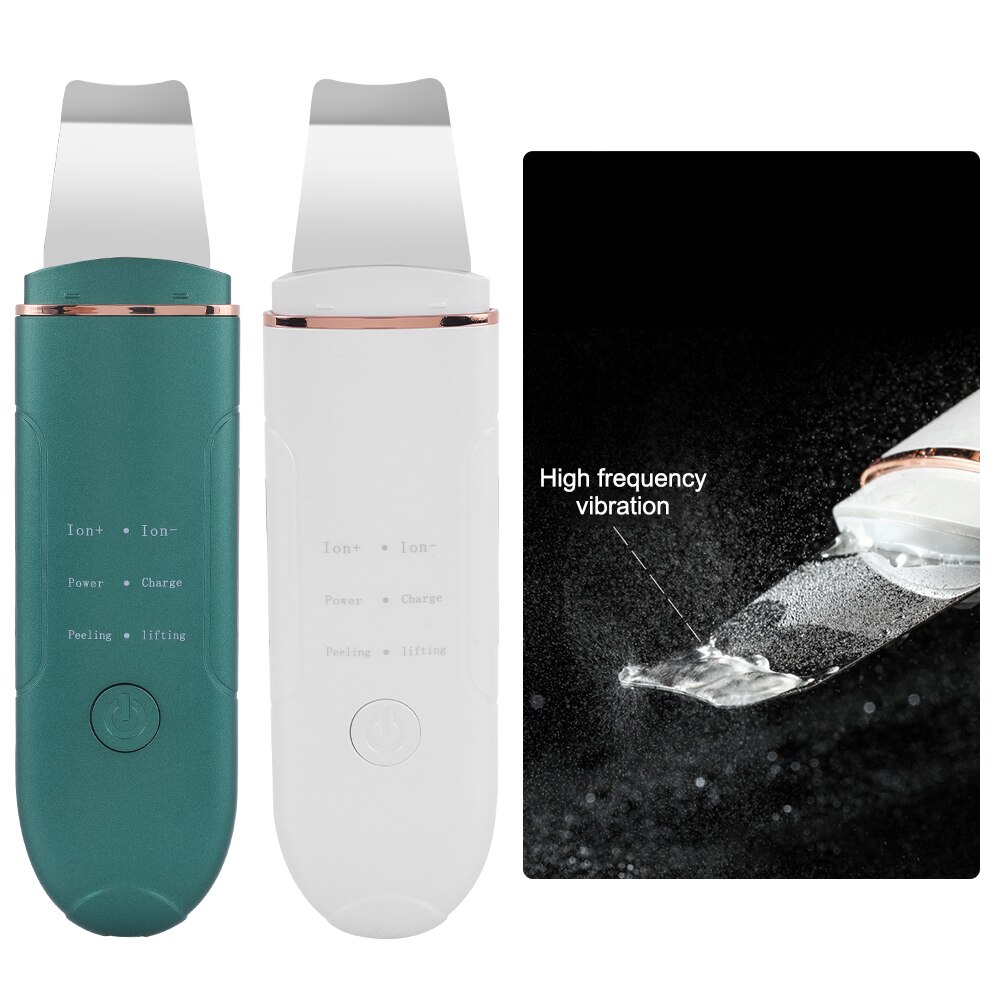
Ultrasonic skin scrubbers utilize high-frequency ultrasonic vibrations—typically around 25,000 to 30,000 Hz—delivered through a stainless-steel spatula. When applied to damp skin, these vibrations create micro-oscillations that:
-
Loosen and dislodge dead skin cells
-
Break down sebum buildup inside pores
-
Lift impurities to the surface
-
Gently exfoliate the stratum corneum
Instead of forcing material out through pressure, ultrasonic scrubbers rely on vibration and cavitation effects to cleanse pores more gently and evenly.
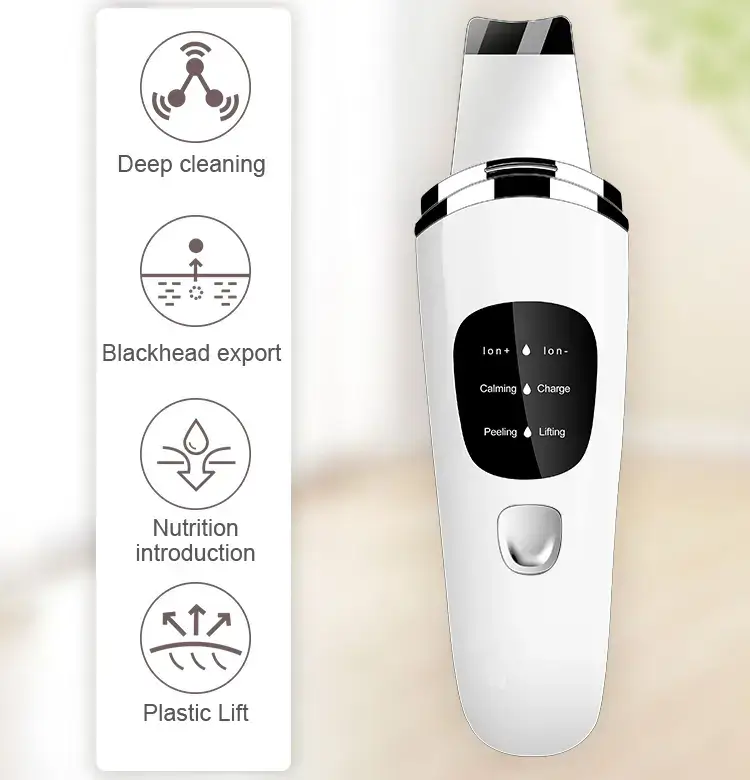
Many professional devices also include additional modes such as:
-
Product infusion
-
Micro-massage
-
Skin smoothing and toning
Advantages / Comparison
Comfort and Client Experience
Manual Extractions
-
Often uncomfortable or painful
-
Can cause redness lasting several hours or days
-
Less suitable for sensitive skin clients
Ultrasonic Skin Scrubbers
-
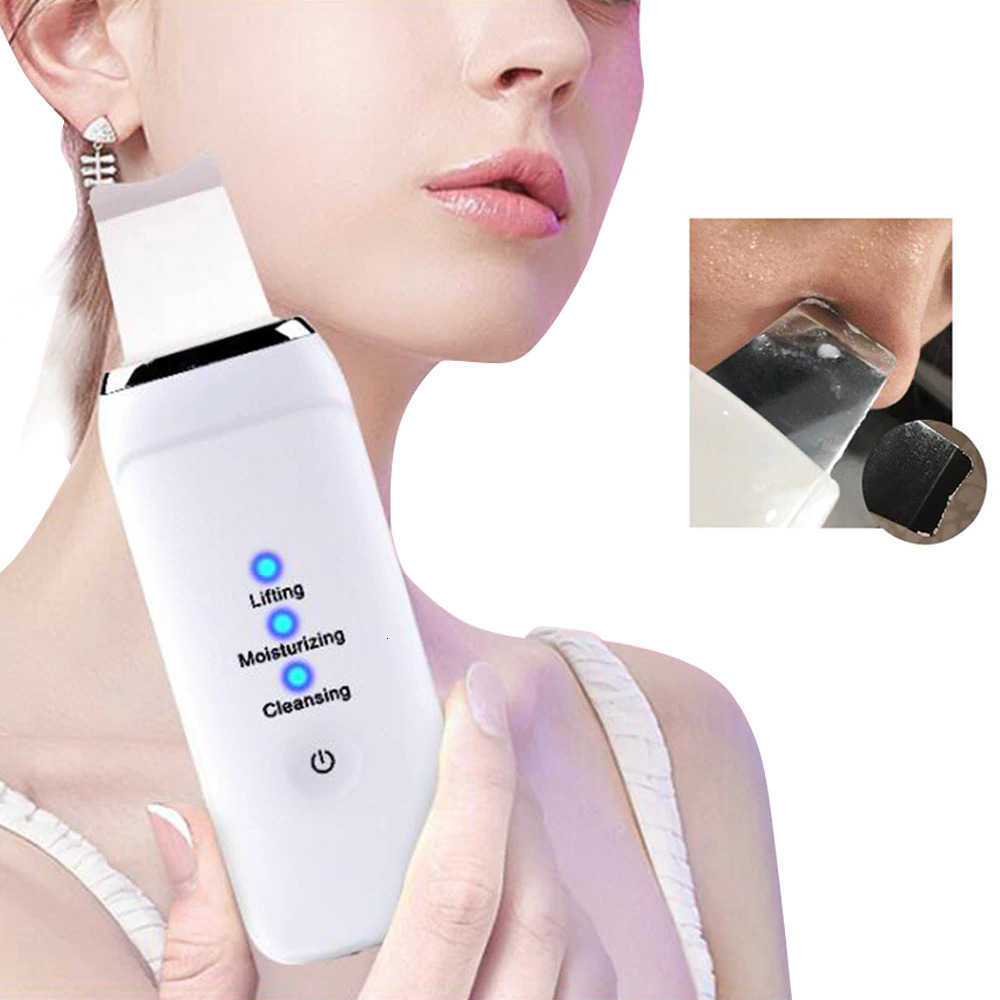
Significantly more comfortable
-
Minimal redness or irritation
-
Well tolerated by sensitive or thin skin
From a client satisfaction perspective, ultrasonic cleansing clearly aligns better with modern expectations.
Safety and Skin Integrity
Manual pressure can damage capillaries or exacerbate inflammation, especially in acne-prone or rosacea-prone skin.
Ultrasonic scrubbers:
-
Reduce direct pressure on skin
-
Lower risk of post-treatment trauma
-
Support skin barrier protection
This makes ultrasonic devices particularly attractive for clinics prioritizing skin health and long-term results.
Efficiency and Consistency
Manual extractions vary from practitioner to practitioner. In contrast, ultrasonic skin scrubbers offer:
-
Consistent output regardless of operator
-
Faster treatment times
-
Easier staff training and standardization
For multi-location clinics or growing salons, consistency is a major operational advantage.
Professional Image and Value Perception
Clients increasingly associate visible technology with professionalism and advanced care. Ultrasonic devices enhance the perceived value of treatments and support higher service pricing compared to purely manual methods.
Applications / Client Needs
Ideal Use Cases for Ultrasonic Skin Scrubbers
Professional clinics commonly use ultrasonic scrubbers for:
-
Routine deep cleansing facials
-
Blackhead and whitehead management
-
Pre-treatment skin preparation
-
Sensitive skin treatments
-
Maintenance sessions between advanced procedures
They are particularly effective for clients seeking gentle, regular skincare without downtime.
When Manual Extractions Still Play a Role
Despite technological advantages, manual extractions are not obsolete. They remain useful for:
-
Deep, hardened comedones
-
Certain cystic acne cases
-
Targeted post-ultrasonic refinement
In practice, many clinics achieve the best results by combining ultrasonic cleansing with selective manual extractions, minimizing trauma while maximizing efficacy.
Why Clinics Prefer Professional Devices Over Home Tools
Professional ultrasonic skin scrubbers differ significantly from consumer-grade devices in terms of:
-
Power stability
-
Frequency accuracy
-
Build quality
-
Hygiene standards
These differences ensure safer, more effective treatments suitable for repeated clinical use.
Conclusion
The comparison between ultrasonic skin scrubbers and manual extractions reflects a broader shift within the professional skincare industry—from labor-intensive techniques toward technology-assisted, client-friendly solutions.
While manual extractions still have their place in targeted cases, ultrasonic skin scrubbers offer clear advantages in comfort, safety, efficiency, and consistency. For modern clinics focused on scalability, client satisfaction, and premium service positioning, ultrasonic cleansing technology has become an essential part of professional facial treatments.
By integrating ultrasonic skin scrubbers into their service menu, clinics not only improve treatment outcomes but also align themselves with the evolving expectations of today’s skincare clients.
Founded in 2008, Guangzhou GLM Beauty Spa Equipment Factory specializes in research, development, manufacture and selling of beauty and slimming machines. Our production base is located in Guangzhou City, Guangdong Province, China. Since our foundation, we have introduced advanced technologies and equipment, to assure high quality and high performance of our products. With professional marketing guide and excellent after-sales service, our products have been exported to over 20 countries and regions, including Southeast Asia, the Middle East, Europe and the United States, won worldwide praises and gained a good reputation.