Introduction
Non-surgical skin lifting has become a cornerstone of modern aesthetic treatments. As clients increasingly look for effective alternatives to invasive procedures, technologies such as ultrasound and radio frequency (RF) have gained widespread adoption in professional clinics.
Both ultrasound and RF devices are designed to improve skin firmness, reduce sagging, and enhance facial contours. However, despite sharing similar goals, these technologies operate differently and target different layers of the skin.
Understanding the distinction between ultrasound and RF is essential for clinics aiming to deliver customized, results-driven treatments. From a device perspective, these technologies are not competitors but complementary systems that, when used correctly, can significantly enhance overall treatment outcomes.
Background/Problem
Skin lifting challenges are primarily caused by:
- Collagen and elastin loss
- Weakening of structural support layers
- Skin laxity and sagging
- Reduced skin elasticity
Traditional solutions present limitations:
- Skincare products lack deep penetration
- Manual treatments provide minimal lifting
- Surgical procedures are invasive and not suitable for all clients
As a result, there is strong demand for technologies that are:
- Non-invasive
- Effective at different skin depths
- Capable of delivering visible lifting results
Ultrasound and RF technologies address these needs, but their differences determine how they should be applied in clinical practice.
Technology/Mechanism
Ultrasound Technology (HIFU)
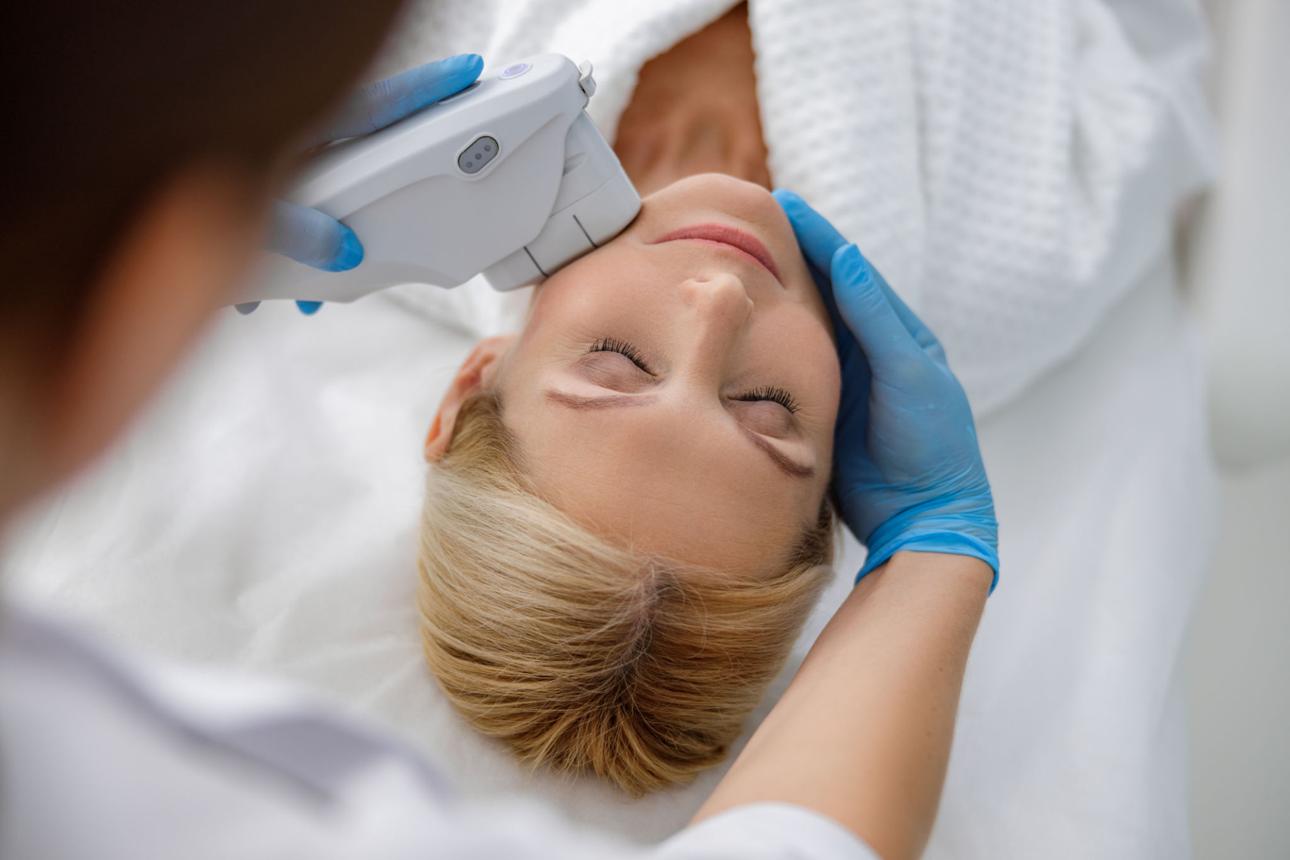
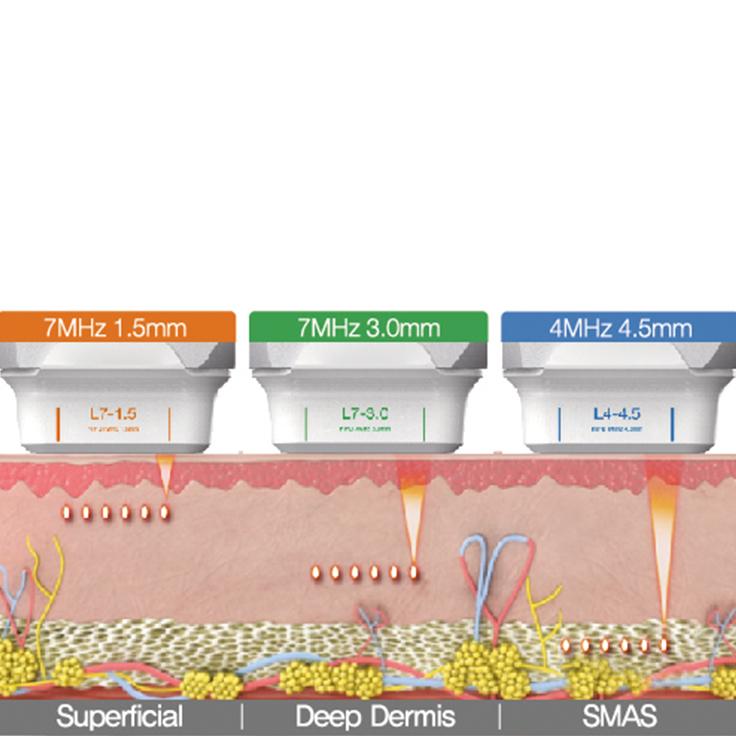
Ultrasound-based devices, particularly HIFU (High-Intensity Focused Ultrasound), use focused acoustic energy to target deep layers of the skin.
Key Mechanism:
- Delivers energy to precise depths (including the SMAS layer)
- Creates micro-thermal coagulation points
- Stimulates deep collagen regeneration
Main Effects:
- Structural lifting
- Deep tissue tightening
- Long-term collagen remodeling
Ultrasound is unique in its ability to reach layers that are typically only addressed in surgical procedures.
Radio Frequency (RF) Technology
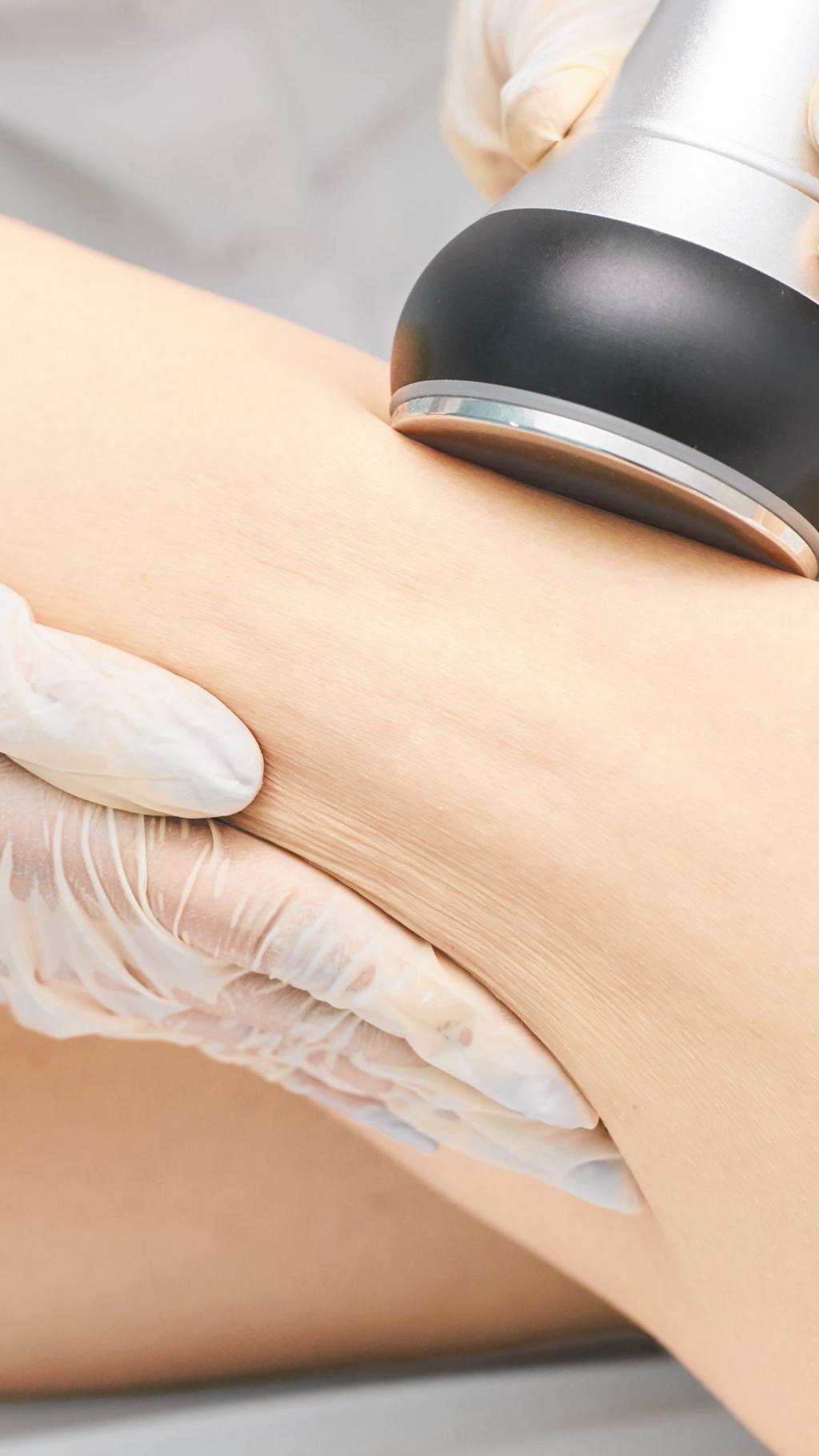
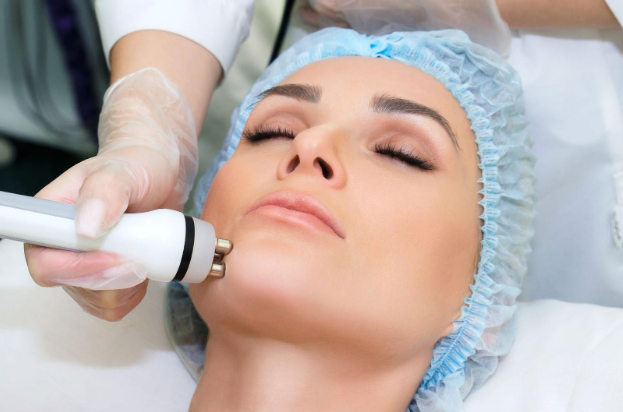
RF devices use electromagnetic energy to generate heat within the skin, primarily targeting the dermal layer.
Key Mechanism:
- Produces controlled thermal energy
- Stimulates collagen contraction and regeneration
- Improves blood circulation
Main Effects:
- Skin tightening
- Texture improvement
- Enhanced elasticity
RF treatments are generally more focused on superficial to mid-depth layers compared to ultrasound.
Key Differences
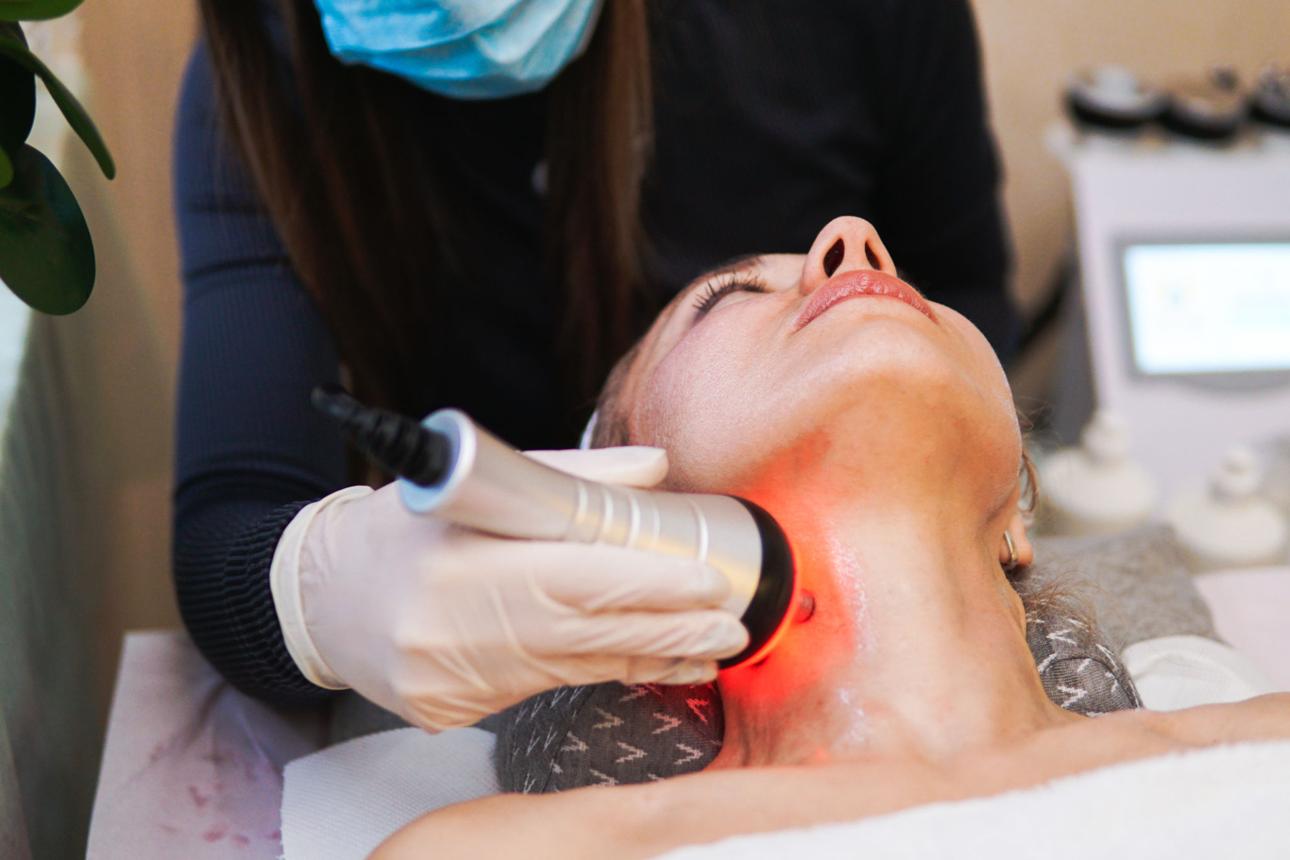
From a device-centered perspective, the differences between ultrasound and RF are critical for treatment planning.
1. Treatment Depth
- Ultrasound: Targets deep layers (including SMAS)
- RF: Works on superficial to mid-dermal layers
2. Primary Function
- Ultrasound: Lifting and structural support
- RF: Tightening and skin quality improvement
3. Energy Type
- Ultrasound: Acoustic (sound waves)
- RF: Electromagnetic (heat-based)
4. Treatment Experience
- Ultrasound: Deeper, more targeted energy delivery
- RF: Gentle, warming sensation on the skin surface
5. Results Timeline
- Ultrasound: Gradual, long-term lifting effects
- RF: Immediate tightening with progressive improvement
Advantages/Comparison
Advantages of Ultrasound
- Reaches deep structural layers
- Provides noticeable lifting effects
- Stimulates long-term collagen regeneration
- Ideal for moderate skin laxity
Advantages of RF
- Improves skin texture and elasticity
- Comfortable and suitable for frequent use
- Enhances circulation and skin quality
- Effective for early signs of aging
Why Clinics Combine Both
In professional aesthetic practice, combining ultrasound and RF technologies provides a comprehensive approach:
- Ultrasound addresses deep structural lifting
- RF enhances surface tightening and skin quality
This layered treatment strategy ensures:
- More complete results
- Better contour definition
- Higher client satisfaction
Applications/Client Needs
Different client conditions determine which technology is more suitable.
Ultrasound (HIFU) is ideal for:
- Sagging skin and loss of facial contour
- Jawline and neck lifting
- Clients seeking long-term lifting effects
RF is ideal for:
- Fine lines and early aging
- Skin texture improvement
- Maintenance treatments
Typical combined treatment protocols include:
- Ultrasound treatment for deep lifting
- RF sessions for surface tightening and maintenance
- Follow-up treatments for long-term results
For clinics, offering both technologies allows for flexible, customized treatment plans that meet diverse client needs.
Conclusion
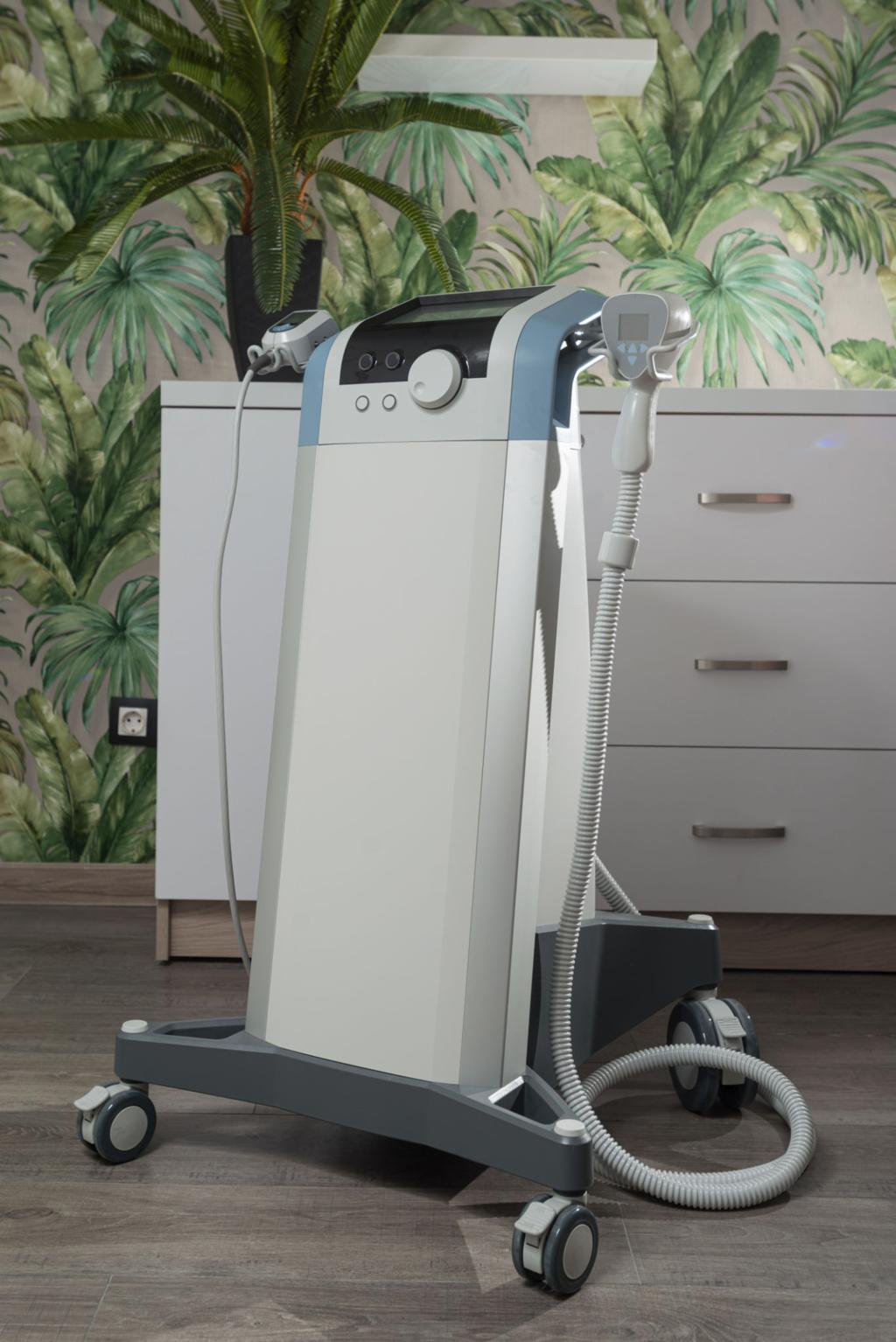
Ultrasound and radio frequency are both powerful non-invasive technologies for skin lifting, but they differ significantly in depth, mechanism, and treatment outcomes.
Ultrasound provides deep structural lifting by targeting foundational layers, while RF enhances skin tightening and overall skin quality at more superficial levels.
For professional beauty clinics, combining these technologies offers a comprehensive and highly effective approach to non-surgical skin rejuvenation.
As client demand continues to grow for safe, customized, and results-driven treatments, ultrasound and RF devices will remain essential components of advanced aesthetic practice.
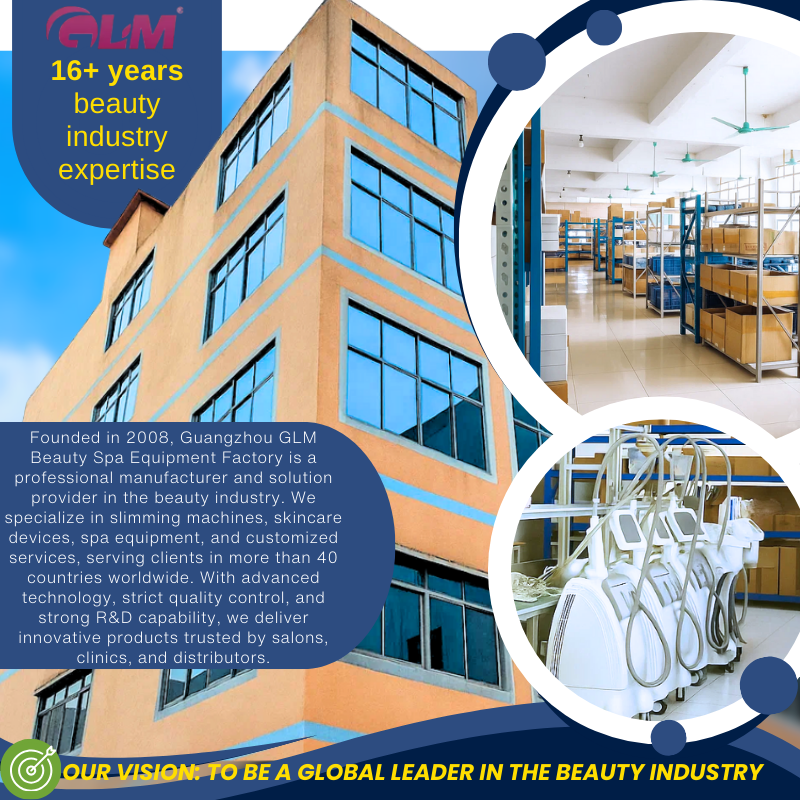
Founded in 2008, Guangzhou GLM Beauty Spa Equipment Factory specializes in research, development, manufacture and selling of beauty and slimming machines. Our production base is located in Guangzhou City, Guangdong Province, China. Since our foundation, we have introduced advanced technologies and equipment, to assure high quality and high performance of our products. With professional marketing guide and excellent after-sales service, our products have been exported to over 20 countries and regions, including Southeast Asia, the Middle East, Europe and the United States, won worldwide praises and gained a good reputation.