

Unlock the Power of LED Light Skin Therapy: Say Goodbye to Skin Imperfections!
Introduction
LED light skin therapy has gained immense popularity in recent years as an effective treatment for various skin imperfections. Using light emitting diodes (LEDs) of specific wavelengths, this therapy stimulates skin cells, promoting healing and rejuvenation. In this blog, we will explore the benefits, science, usage, and how to choose the right LED light therapy device for achieving flawless skin.
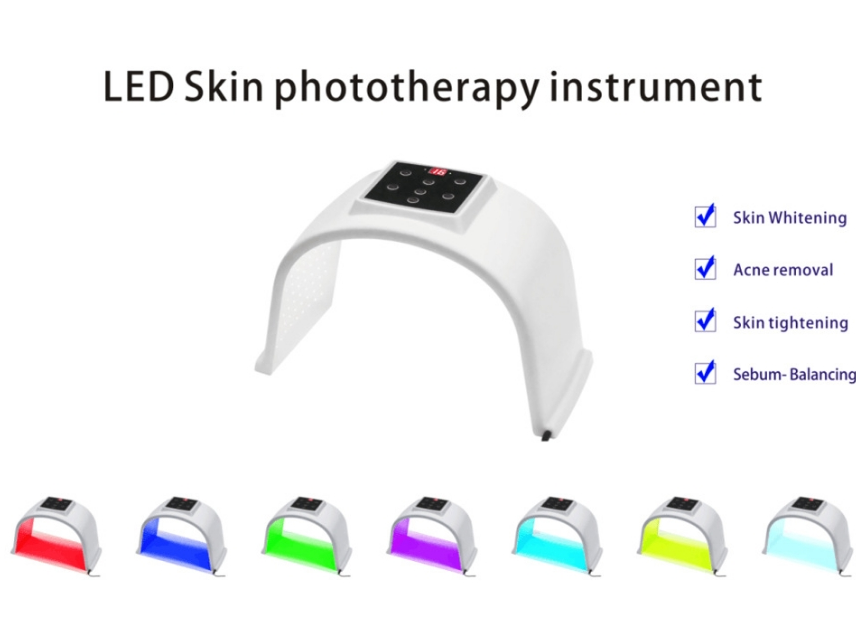
LED light skin therapy, also known as phototherapy or light-emitting diode (LED) therapy, is a modern, non-invasive, and increasingly popular skincare treatment that harnesses the power of various colored light wavelengths to address a wide range of skin concerns. This advanced technology offers a gentle yet effective solution for rejuvenating the skin, enhancing its appearance, and addressing specific skin issues without the need for harsh chemicals, invasive procedures, or extended downtime.
How It Works
LED light therapy works by emitting specific colors of light onto the skin's surface. These light waves penetrate the skin to varying depths, depending on their wavelength, and interact with the skin cells in unique ways. The skin absorbs these light energies, triggering biological responses within the cells that lead to therapeutic benefits.
Types of LED Lights and Their Benefits
- Red Light Therapy (630-700nm):
- Collagen Production: Red light stimulates fibroblasts, the cells responsible for producing collagen and elastin, which are essential for maintaining skin's elasticity and firmness. This can help reduce the appearance of fine lines, wrinkles, and sagging skin.
- Blood Circulation: It also promotes increased blood flow to the skin, delivering essential nutrients and oxygen to the skin cells, enhancing their overall health and vitality.
- Inflammation Reduction: Red light has been shown to reduce inflammation, which can alleviate symptoms associated with rosacea, psoriasis, and other inflammatory skin conditions.
- Blue Light Therapy (415nm):
- Antimicrobial Action: Blue light is highly effective against the bacteria that cause acne, specifically Propionibacterium acnes (P. acnes). By destroying these bacteria, blue light can help clear up existing acne breakouts and prevent future ones from forming.
- Oil Production Regulation: It may also help regulate sebum production, which can contribute to acne-prone skin.
- Anti-Inflammatory: Alongside its antimicrobial properties, blue light has a mild anti-inflammatory effect, soothing irritated skin.
- Near-Infrared Light Therapy (700-1200nm):
- Deep Penetration: With the longest wavelength, near-infrared light penetrates deeper into the skin, reaching the dermis and even the subcutaneous tissue.
- Cellular Regeneration: It stimulates cellular activity, promoting the repair and regeneration of skin cells. This can aid in wound healing, scar reduction, and improving overall skin tone and texture.
- Pain Relief: Near-infrared light has been found to have analgesic properties, reducing pain and discomfort associated with certain skin conditions or treatments.
Benefits of LED Light Therapy
- Non-Invasive: It requires no cutting, needles, or harsh chemicals, making it suitable for all skin types, including sensitive skin.
- Safe and Gentle: LED light therapy is generally considered safe, with minimal side effects, such as mild redness or dryness that usually resolve quickly.
- Customizable: Treatments can be tailored to individual skin needs by combining different colored lights or adjusting treatment duration.
- Convenient: Sessions are typically short, lasting from a few minutes to half an hour, and can be easily incorporated into a busy lifestyle.
- Long-Term Results: Regular LED light therapy sessions can lead to noticeable improvements in skin tone, texture, and the appearance of various skin concerns over time.

Understanding Skin Imperfections: A Foundation for LED Light Therapy
As we embark on exploring the wonders of LED light therapy, it's imperative to lay a solid foundation by understanding the various skin imperfections that affect millions of individuals worldwide. These imperfections, ranging from acne to signs of aging, can significantly impact our self-esteem and overall well-being. By gaining insight into their causes and manifestations, we can appreciate how LED light therapy offers a tailored, non-invasive approach to addressing these concerns.
Acne
Acne is one of the most common skin imperfections, affecting people of all ages, genders, and skin types. It typically arises when the pores become clogged with excess oil, dead skin cells, and bacteria, particularly Propionibacterium acnes (P. acnes). This bacterial overgrowth leads to inflammation, causing redness, swelling, and the formation of pimples, blackheads, and cysts. Hormonal changes, genetics, diet, and stress can all contribute to acne flare-ups.
LED light therapy, particularly blue light, is highly effective in combating acne. By targeting the bacteria responsible for acne, blue light disrupts their metabolism, leading to their destruction. This helps clear up existing acne and prevents future breakouts, offering a gentle yet potent solution for acne-prone skin.
Sun Damage
Overexposure to the sun's ultraviolet (UV) rays can cause a myriad of skin imperfections, including premature aging, sunburns, and hyperpigmentation. UV radiation damages the skin's DNA, leading to the breakdown of collagen and elastin fibers, which are essential for maintaining skin's elasticity and firmness. This can result in the development of fine lines, wrinkles, and sagging skin. Additionally, UV exposure stimulates the production of melanin, the pigment that gives skin its color, causing dark spots and an uneven skin tone.
While LED light therapy does not directly reverse sun damage, it can help improve the appearance of certain symptoms. For instance, red light therapy stimulates collagen production, which can help reduce the appearance of fine lines and wrinkles caused by sun damage. Furthermore, a combination of LED lights may be used to address hyperpigmentation, though results may vary depending on the severity and cause of the discoloration.
Uneven Skin Tone
Uneven skin tone, also known as hyperpigmentation or skin discoloration, refers to areas of the skin that are darker or lighter than the surrounding skin. This can be caused by various factors, including sun damage, acne scarring, hormonal changes, and genetics. Melanin production imbalances or excess melanin deposits in certain areas of the skin can lead to dark spots, age spots, and patches of discoloration.
LED light therapy, particularly when combined with other treatments such as topical creams or chemical peels, can help even out skin tone by targeting excess melanin and promoting skin cell turnover. While results may not be immediate, regular LED light therapy sessions can gradually improve the appearance of hyperpigmentation over time.
Signs of Aging
As we age, our skin undergoes natural changes that can lead to the development of wrinkles, fine lines, sagging skin, and loss of elasticity. This is due to a decrease in collagen and elastin production, as well as environmental factors such as sun exposure and smoking. LED light therapy, particularly red light and near-infrared light, can help address these signs of aging by stimulating collagen production and promoting cellular regeneration.
Red light therapy increases the activity of fibroblasts, the cells responsible for producing collagen and elastin, helping to improve skin's firmness and reduce the appearance of fine lines and wrinkles. Near-infrared light, with its deep penetration capabilities, can reach the dermis and even the subcutaneous tissue, promoting cellular activity and wound healing, which can aid in the repair of damaged skin and the reduction of scars.

The Science Behind LED Light Skin Therapy
LED light therapy works by stimulating cellular activity in the skin. The different wavelengths of light penetrate the skin at varying depths, reaching the targeted cells. Red light, for example, activates fibroblasts to produce collagen and elastin, leading to improved skin elasticity and texture. Blue light, on the other hand, kills acne-causing bacteria and reduces inflammation.
How to Use LED Light Therapy: A Comprehensive Guide
LED light therapy is an increasingly popular skincare treatment that offers a range of benefits, from reducing acne and inflammation to improving skin texture and elasticity. The good news is that you can enjoy these benefits in the privacy and convenience of your own home with the right LED light therapy device. Here's a detailed guide on how to use LED light therapy effectively:
Preparation
-
Cleanse Your Skin: Start by cleansing your skin thoroughly to remove any dirt, makeup, or excess oil. This ensures that the light can penetrate the skin more effectively and minimizes the risk of irritation or clogged pores.
-
Dry Your Skin: After cleansing, gently pat your skin dry with a clean towel. Avoid rubbing vigorously, as this can irritate the skin.
-
Charge Your Device: Make sure your LED light therapy device is fully charged before use. This will ensure that you can complete the entire treatment session without interruption.
Setting Up the Device
-
Select the Desired Wavelength: Depending on your skin concern, choose the appropriate wavelength setting on your device. For example, if you're targeting acne, you'll want to use blue light. For skin rejuvenation, red light is a good choice.
-
Adjust the Intensity: Some LED light therapy devices allow you to adjust the intensity of the light. Start with a lower intensity setting and gradually increase it as your skin becomes accustomed to the treatment.
-
Position the Device: Gently place the device on the desired area of your skin. Hold it in place or move it in a slow, circular motion over the treatment area, depending on the instructions provided with your device.
Treatment Session
-
Allow the Light to Penetrate: Once the device is in position, allow the light to penetrate the skin for the recommended time. This can vary depending on the device and your specific skin concern, but typically ranges from a few minutes to a half-hour.
-
Repeat as Needed: Follow the device instructions for frequency and duration of use. Most LED light therapy treatments require multiple sessions over a period of time to achieve optimal results.
-
Stay Hydrated: Drink plenty of water before, during, and after your treatment session. Staying hydrated helps your skin absorb the benefits of the LED light therapy more effectively.
Post-Treatment Care
-
Apply Moisturizer: After your treatment session, apply a moisturizer to help lock in hydration and soothe your skin.
-
Protect Your Skin: Use sunscreen to protect your skin from UV damage, especially if you're planning to spend time outdoors after your treatment.
-
Monitor Your Skin: Keep an eye on your skin for any adverse reactions, such as redness, irritation, or breakouts. If you experience any discomfort, discontinue use and consult a dermatologist.
Additional Tips
- Consistency is Key: To see the best results, use your LED light therapy device consistently as per the recommended frequency and duration.
- Combine with Other Skincare Products: LED light therapy can be combined with other skincare products, such as serums or masks, to enhance its effectiveness. However, always follow the instructions provided with your device and skincare products to avoid any adverse interactions.
- Patience is Required: Remember that LED light therapy is a gradual process that requires time to see results. Be patient and consistent with your treatments to achieve the best outcomes.
By following these steps, you can effectively use LED light therapy to address your skin concerns and enjoy a healthier, more radiant complexion.

Choosing the Right LED Light Therapy Device: A Comprehensive Guide
Selecting the right LED light therapy device is crucial for achieving optimal skin results. With so many options available on the market, it's essential to consider several factors to ensure you choose a device that meets your needs and provides safe, effective treatment. Here's a detailed guide to help you make an informed decision:
1. Identify Your Skin Concerns
The first step in choosing an LED light therapy device is to identify your specific skin concerns. Different light wavelengths target different issues, so understanding your needs will help you narrow down your options. For example:
- Blue Light: Effective for targeting acne-causing bacteria and reducing inflammation.
- Red Light: Promotes collagen production, skin rejuvenation, and reduces fine lines and wrinkles.
- Near-Infrared Light: Enhances circulation, promotes healing, and reduces inflammation.
- Green Light: Helps with skin discoloration, redness, and rosacea.
2. Research Light Wavelengths
Once you've identified your skin concerns, research the light wavelengths that are most effective for treating them. Some devices offer a single wavelength, while others offer multiple wavelengths for a more comprehensive treatment.
3. Consider Device Quality
The quality of the LED light therapy device is crucial for safe and effective treatment. Look for devices that use high-quality LED lights and have a good reputation for reliability and durability. Avoid cheap, low-quality devices that may not deliver consistent results or could even be harmful to your skin.
4. Evaluate Safety Features
Safety should always be a top priority when selecting an LED light therapy device. Look for devices that have built-in safety features, such as automatic shut-off timers to prevent overexposure and temperature control mechanisms to prevent overheating.
5. Consider Ease of Use
Ease of use is another important factor to consider. Look for a device that is easy to set up, operate, and clean. Some devices come with additional features, such as adjustable intensity settings or built-in timers, which can enhance your treatment experience.
6. Check Customer Reviews
Reading customer reviews can provide valuable insights into the effectiveness and reliability of an LED light therapy device. Look for reviews from trusted sources, such as reputable online retailers or skincare experts, and pay attention to both positive and negative feedback.
7. Seek Recommendations
Ask for recommendations from friends, family, or skincare professionals who have experience with LED light therapy devices. They may be able to provide firsthand insights into specific devices and their effectiveness for different skin concerns.
8. Compare Prices and Value
LED light therapy devices can vary widely in price, depending on their features and quality. Compare prices and features of different devices to find one that offers the best value for your money. Remember, the most expensive device isn't necessarily the best, so focus on finding a device that meets your needs and fits your budget.
9. Consider Portability
If you plan to use your LED light therapy device at home or on the go, portability may be an important factor to consider. Look for devices that are lightweight, easy to carry, and have a rechargeable battery for added convenience.

Frequently Asked Questions about LED Light Skin Therapy
1. Is LED light therapy safe for all skin types?
Yes, LED light therapy is safe for all skin types. However, individuals with certain medical conditions or those who are pregnant should consult a dermatologist before starting any new skincare regimen.
2. How soon can I see results from LED light therapy?
The results of LED light therapy may vary depending on individual factors and the specific skin concern being addressed. Some people may start noticing improvements in their skin after a few sessions, while others may take longer. Consistency and patience are key to achieving desired results.
3. Can I combine LED light therapy with other skincare treatments?
Yes, LED light therapy can be combined with other skincare treatments such as serums, moisturizers, and facial masks. It can enhance the effectiveness of these treatments by promoting better absorption and increasing their overall benefits.
Conclusion
LED light skin therapy offers a non-invasive and effective way to address various skin imperfections. By understanding the science behind the therapy and choosing the right LED light therapy device, you can unlock the potential of light therapy and say goodbye to skin imperfections. Embrace the power of LED light therapy and achieve the flawless skin you've always desired.