Introduction
The aesthetics industry continues to evolve as clinics and professional treatment providers seek technologies that deliver visible results with minimal downtime. Among the newer innovations gaining attention is GVL (Green and Violet Laser) technology, a dual-wavelength approach designed to target different skin concerns with greater precision than many single-wavelength systems.
Unlike traditional laser platforms that rely on one primary wavelength, GVL combines the benefits of green laser energy and violet laser energy to address a wider range of superficial and pigmentation-related concerns. This makes it particularly attractive for aesthetic clinics that want versatile treatment options while maintaining efficiency in daily operations.
In this article, we'll explore how GVL technology works, the problems it addresses, why many professional operators are interested in it, and where it may fit within modern skin-rejuvenation protocols.
The Challenge: Why Conventional Treatments Don't Always Meet Expectations
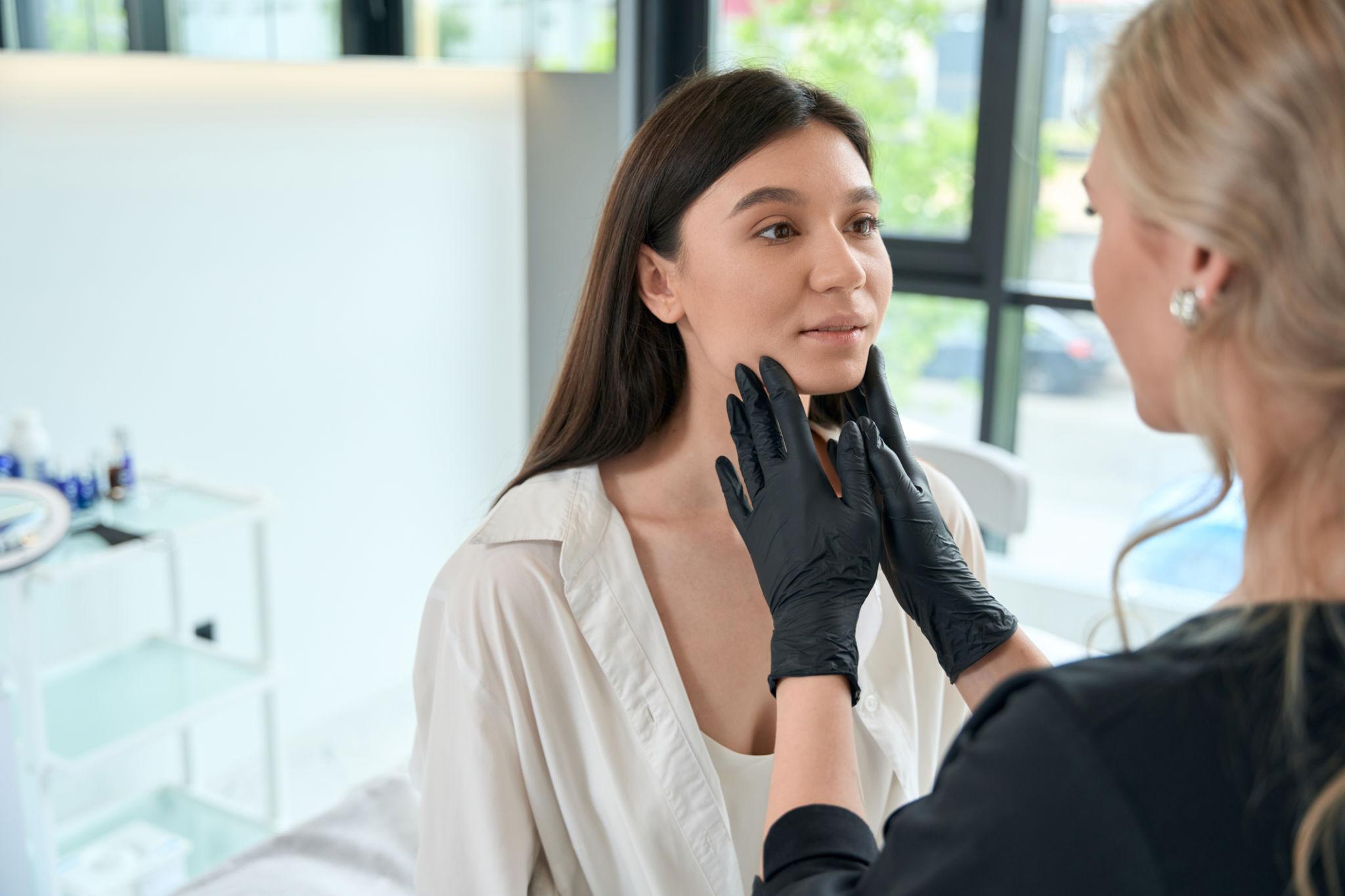
Patients seeking aesthetic treatments often present with multiple concerns simultaneously:
-
Persistent redness or visible vessels.
-
Uneven pigmentation and sun-related spots.
-
Dull skin tone and rough texture.
-
Post-acne marks and superficial discoloration.
-
Desire for noticeable improvement without extended recovery time.
Traditional treatment approaches frequently require several different devices or multiple treatment stages to address these concerns. For example, one system may target vascular redness, while another is needed for pigmentation, and a third for overall skin rejuvenation. This can increase treatment complexity, appointment time, and operational costs.
Professional clinics therefore increasingly value technologies that can offer multi-indication flexibility while maintaining treatment precision and patient comfort.
Understanding GVL Technology
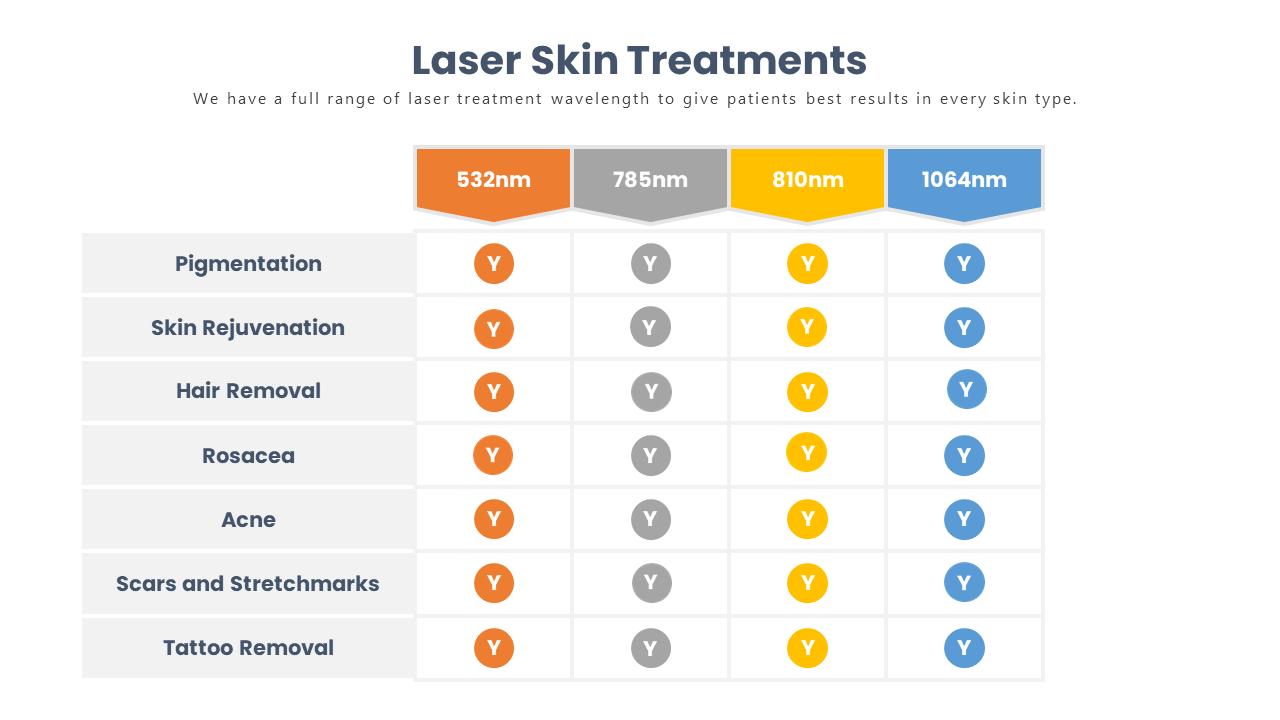
GVL technology combines two distinct laser wavelengths, each with different optical properties and tissue interactions.
Green Laser Component
The green wavelength is generally associated with strong absorption by hemoglobin, making it useful for superficial vascular targets.
Potential applications include:
-
Diffuse facial redness.
-
Superficial telangiectasia (small visible vessels).
-
Certain inflammatory red marks.
-
Vascular-related skin tone irregularities.
Because the green wavelength is selectively absorbed by blood-rich structures, energy can be concentrated in the target area while reducing unnecessary impact on surrounding tissue.
Violet Laser Component
The violet wavelength interacts differently with the skin and is often used for superficial epidermal targets, including certain pigmentation concerns and skin-surface irregularities.
Potential applications include:
-
Superficial pigmentation.
-
Uneven skin tone.
-
Post-inflammatory discoloration.
-
Skin-brightening and refinement protocols.
The shorter wavelength allows for targeted superficial treatment while helping preserve deeper structures.
The Synergy of Dual Wavelengths
The true innovation of GVL lies in its ability to combine these effects in a coordinated treatment protocol.
By addressing both vascular components (redness) and pigment components (discoloration) during the same treatment plan, practitioners can often achieve a more balanced improvement in overall skin appearance.
Rather than treating redness and pigmentation as separate issues, GVL approaches them as interconnected aspects of skin quality.
How GVL Works in Clinical Practice
A typical professional GVL treatment may involve several stages:
-
Skin assessment
The practitioner evaluates vascular visibility, pigmentation depth, skin type, and treatment goals.
-
Parameter selection
Energy settings, pulse duration, and treatment sequence are customized according to the indication.
-
Targeted laser delivery
Green laser passes may focus on vascular areas, while violet laser passes address superficial pigmentation and texture concerns.
-
Post-treatment care
Cooling, hydration, and sun protection are recommended to support recovery and optimize results.
Why professional delivery matters
Professional delivery matters because treatment effectiveness depends heavily on wavelength selection, fluence, pulse structure, and operator technique. Clinical-grade systems typically offer greater energy stability, cooling mechanisms, and parameter control than consumer-level devices.
Key Advantages of GVL Technology
Multi-Concern Capability
One of the strongest advantages is the ability to address multiple superficial skin concerns within a unified treatment strategy. This can simplify workflow and improve patient convenience.
Precision Targeting
Dual wavelengths allow practitioners to select the most appropriate optical interaction for each target, potentially improving treatment efficiency while minimizing unnecessary thermal exposure.
Minimal Downtime Potential
Because GVL focuses largely on superficial targets, many protocols are designed with relatively short recovery periods in mind, making it attractive for patients seeking aesthetic improvement without lengthy interruption to daily activities.
Clinic Efficiency
For professional clinics, versatile platforms can reduce the need for multiple dedicated devices and streamline treatment planning, staff training, and maintenance.
GVL vs. Single-Wavelength Systems
|
Feature |
GVL (Green + Violet) |
Single-Wavelength Laser |
|
Primary targets |
Vascular + superficial pigment |
Usually one dominant target |
|
Treatment versatility |
Higher |
Moderate |
|
Workflow efficiency |
Potentially improved |
May require multiple devices |
|
Customization options |
Broader |
More limited |
|
Ideal setting |
Professional clinic/spa |
Depends on indication |
This does not mean single-wavelength systems are obsolete; many remain excellent for specific indications. However, GVL offers an appealing middle ground for clinics seeking broader treatment capability within a single platform.
Common Applications in Aesthetic Clinics
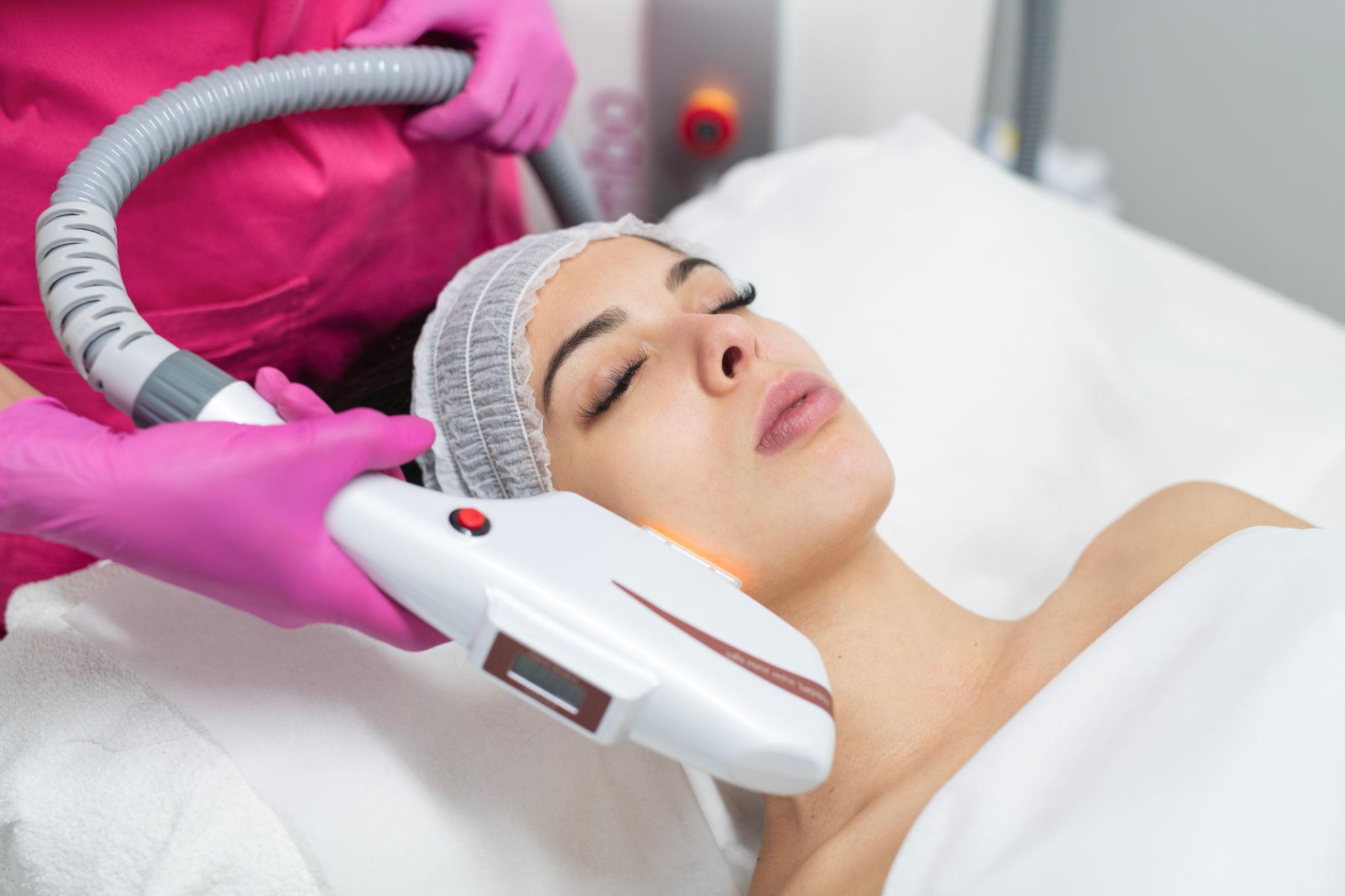
1. Redness Reduction Programs
Patients with diffuse facial redness, mild rosacea-related appearance, or visible superficial vessels may benefit from protocols emphasizing the green wavelength component.
2. Pigmentation Management
Sun-related discoloration, uneven tone, and superficial pigment irregularities are commonly addressed using the violet wavelength component as part of a broader skin-rejuvenation plan.
3. Post-Acne Mark Refinement
Many post-acne marks contain both red and brown elements. GVL's dual-wavelength approach can be advantageous when both vascular and pigment factors are present.
4. Skin Brightening and Texture Enhancement
Some clinics incorporate GVL into maintenance programs aimed at improving overall skin clarity, luminosity, and surface refinement.
5. Combination Therapy Protocols
GVL can be integrated with other professional modalities such as RF, microneedling, hydrafacial systems, or LED therapy, depending on the clinic's treatment philosophy and patient needs.
Why Professional Clinics Are Interested
From an operator's perspective, technology adoption is rarely based on novelty alone. Clinics evaluate whether a device can:
-
Address multiple patient concerns.
-
Deliver consistent, repeatable outcomes.
-
Fit efficiently into existing workflows.
-
Support treatment customization.
-
Provide a strong patient experience.
GVL aligns with these priorities by offering a versatile, targeted, and relatively low-downtime approach to common aesthetic concerns.
For many professional operators, the appeal is not simply the presence of two wavelengths—it is the potential to create more comprehensive treatment plans without unnecessary complexity.
Who May Be a Good Candidate?
While candidacy should always be determined by a qualified professional, GVL may be considered for individuals who have:
-
Mild to moderate facial redness.
-
Superficial pigmentation or sun spots.
-
Uneven skin tone.
-
Post-acne discoloration.
-
Desire for non-surgical skin improvement.
Important considerations
Patients with active infections, certain photosensitive conditions, recent tanning, or other contraindications should be evaluated carefully before treatment.
Conclusion
GVL (Green and Violet Laser) technology represents an important step toward multi-target, precision-based aesthetic treatments. By combining wavelengths that interact differently with vascular and pigment-related concerns, GVL offers clinics a flexible platform for treating redness, discoloration, and overall skin quality within a professional setting.
As the aesthetics industry continues to prioritize efficiency, customization, and patient comfort, dual-wavelength systems like GVL are likely to become increasingly relevant in modern treatment portfolios.
For clinics seeking to expand their service offerings without relying on multiple separate devices, GVL provides a compelling blend of scientific innovation and practical clinical utility.
Disclaimer: This article is for educational and marketing purposes only. Actual treatment protocols, indications, and outcomes should be determined by qualified medical or aesthetic professionals according to local regulations and patient-specific considerations
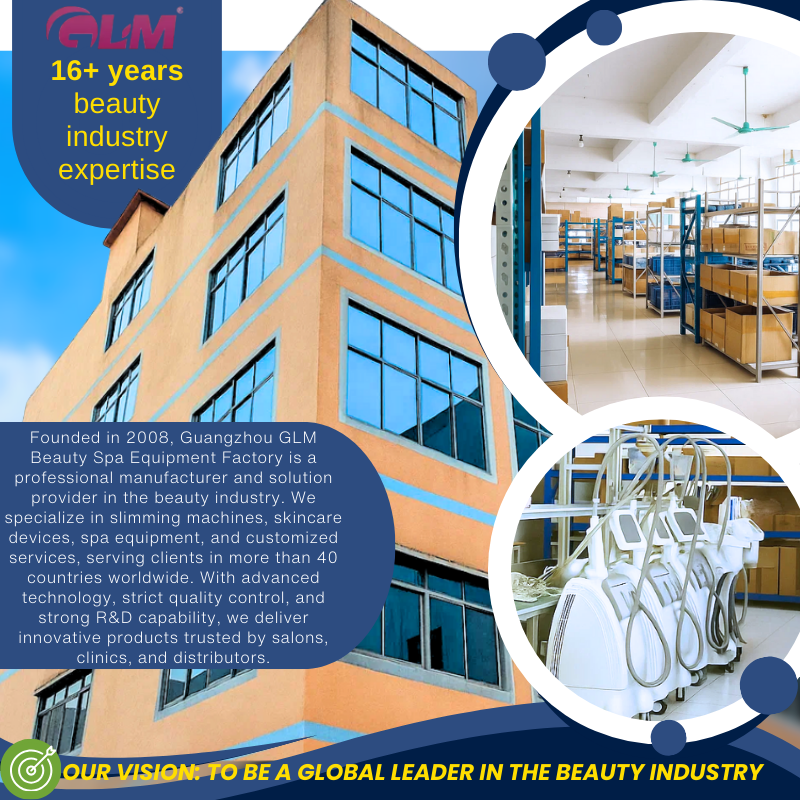
Founded in 2008, Guangzhou GLM Beauty Spa Equipment Factory specializes in research, development, manufacture and selling of beauty and slimming machines. Our production base is located in Guangzhou City, Guangdong Province, China. Since our foundation, we have introduced advanced technologies and equipment, to assure high quality and high performance of our products. With professional marketing guide and excellent after-sales service, our products have been exported to over 20 countries and regions, including Southeast Asia, the Middle East, Europe and the United States, won worldwide praises and gained a good reputation